OrthopedicsMedical News
Nov 28, 2026Robotic Technology May Improve Precision and Recovery in Knee Replacement Surgery, Experts Say
By System Admin, MD, Healthcare & Clinical Journalism•4 min read

Knee replacement surgery is commonly performed in patients with severe knee damage, particularly those affected by osteoarthritis, chronic pain, reduced mobility, and difficulty performing everyday activities.
Osteoarthritis occurs when the protective cartilage covering the ends of bones gradually deteriorates. This can lead to pain, stiffness, swelling, reduced movement, and functional limitations.
When non-surgical treatments such as medications, physical therapy, activity modification, and other approaches no longer provide sufficient relief, knee replacement surgery may be considered.
Traditional knee replacement surgery involves removing damaged joint surfaces and replacing them with artificial components.
Robotic-assisted surgical systems are increasingly being introduced into orthopedic procedures.
A report published on 27 November 2026 discussed how robotic technology may improve precision and recovery in knee replacement surgery.Robotic-assisted systems can help surgeons plan the procedure using patient-specific information and assist with aspects of bone preparation and implant positioning.
The technology may allow surgeons to assess joint alignment, balance, and other surgical parameters during the procedure.
Improved surgical planning and implant positioning may potentially help patients achieve better joint function and reduce certain complications.
However, robotic systems do not independently perform the entire operation. The surgeon remains responsible for clinical decisions, surgical execution, and patient care.
The benefits of robotic-assisted knee replacement may vary depending on the technology used, the surgeon's experience, the patient's anatomy, and the severity of the joint condition.
Recovery also depends on several factors, including age, overall health, rehabilitation, pain management, and the patient's ability to participate in physical therapy.
Patients considering knee replacement should discuss conventional and robotic-assisted procedures with an orthopedic surgeon and understand the expected benefits, risks, costs, and recovery requirements.
The development highlights the growing role of technology in orthopedic surgery and the continuing effort to improve surgical precision and patient outcomes.
✦ Clinical Takeaway
Orthopedic experts discussed the role of robotic technology in knee replacement surgery in a report published on 27 November 2026. Robotic-assisted systems may help surgeons improve implant positioning, personalise surgical planning, and support more precise procedures. Experts also discussed the potential effects on recovery and rehabilitation, while emphasising that outcomes depend on the patient and surgical team.
NutritionMedical News
Nov 28, 2026ICMR Survey Finds Vitamin B12 Deficiency in Nearly Two-Thirds of Indian Adolescents
By System Admin, MD, Healthcare & Clinical Journalism•4 min read

Vitamin B12 is an essential nutrient required for normal neurological function, red blood cell production, DNA synthesis, and several metabolic processes.
Deficiency can develop when a person does not obtain sufficient vitamin B12 through diet or when the body cannot adequately absorb the vitamin.
Food sources of vitamin B12 include certain animal-based foods, such as fish, meat, eggs, and dairy products. Fortified foods may also provide vitamin B12 for people whose diets contain limited animal-based products.
On 23 November 2026, the Indian Council of Medical Research's National Institute of Nutrition released findings from the SAMPADA survey, which examined nutritional and health markers across India.
The findings highlighted a high prevalence of vitamin B12 deficiency among adolescents. Reports on 28 November again brought attention to the results, with deficiency reported in approximately 66.1% of adolescent boys and 65.4% of adolescent girls.Vitamin B12 is important during adolescence because this period involves substantial physical growth, neurological development, and changes in nutritional requirements.
Deficiency may cause fatigue, weakness, anaemia, numbness, tingling sensations, balance problems, and neurological complications. Some people may not experience obvious symptoms during the early stages.
Long-standing deficiency can potentially result in neurological damage, making timely recognition important.
The survey also highlighted the importance of considering vitamin B12 status in maternal and child health because nutritional deficiencies during pregnancy may have implications for maternal health and fetal development.
The findings raise questions about dietary patterns, nutritional awareness, food access, and the need for appropriate assessment among individuals at risk.
However, population survey findings do not mean that every adolescent requires the same treatment or supplementation.
Individual assessment and medical guidance are important before starting high-dose supplements.
The research highlights the need for stronger nutritional awareness, balanced diets, and appropriate approaches to identifying and managing micronutrient deficiencies.
✦ Clinical Takeaway
The ICMR-National Institute of Nutrition's SAMPADA survey findings, highlighted again on 28 November 2026, found vitamin B12 deficiency in approximately 66.1% of adolescent boys and 65.4% of adolescent girls. The findings highlight a major nutritional concern involving a vitamin essential for nerve function, red blood cell formation, and normal development.
Mental HealthMedical News
Nov 28, 2026Why Unfinished Tasks Leave the Brain Feeling Exhausted: Experts Explain the Mental Burden
By System Admin, MD, Healthcare & Clinical Journalism•4 min read

Mental exhaustion is a common experience among people managing demanding work schedules, family responsibilities, financial concerns, education, and everyday tasks.
People may feel tired even when they have not performed physically demanding activities. One possible contributor is the mental burden associated with unfinished responsibilities.
Tasks that remain incomplete can repeatedly come to mind, particularly when they involve deadlines, uncertainty, important decisions, or consequences for other people.
This repeated mental activity can make it difficult to relax, concentrate, or focus on other activities.
A report published on 27 November 2026 discussed why unfinished tasks may contribute to feelings of mental exhaustion.Psychological research has explored how incomplete tasks and unresolved goals may remain cognitively active.
When people have multiple responsibilities, they may experience competing demands on their attention. The brain may repeatedly return to tasks that have not been completed, especially when the person is uncertain about when or how they will address them.
This can contribute to perceived stress, distraction, irritability, and difficulties with concentration.
The burden may become greater when individuals have a large number of tasks without a clear plan, or when they feel that they have little control over their workload.
Practical strategies may include writing down unfinished tasks, separating urgent responsibilities from less important ones, breaking large tasks into smaller steps, and setting realistic time limits.
Taking regular breaks, maintaining sleep routines, and reducing unnecessary notifications may also help people manage mental demands.
However, persistent exhaustion, anxiety, low mood, or sleep problems may require professional assessment.
Mental fatigue is not necessarily a sign of laziness or a lack of discipline. It may reflect the cumulative effects of stress, workload, emotional demands, and other health-related factors.
The report highlights the importance of recognising psychological overload and developing healthier approaches to managing daily responsibilities.
✦ Clinical Takeaway
A health report published on 27 November 2026 explored why unfinished tasks may leave people feeling mentally exhausted. Incomplete responsibilities can remain active in a person's thoughts, creating repeated reminders, stress, and difficulty shifting attention. The discussion highlights the importance of managing task overload, organising priorities, and protecting mental well-being.
PediatricsMedical News
Nov 28, 2026India Unlikely to Meet 2026 Measles–Rubella Elimination Goal Despite High Vaccination Coverage, WHO Warns
By System Admin, MD, Healthcare & Clinical Journalism•4 min read
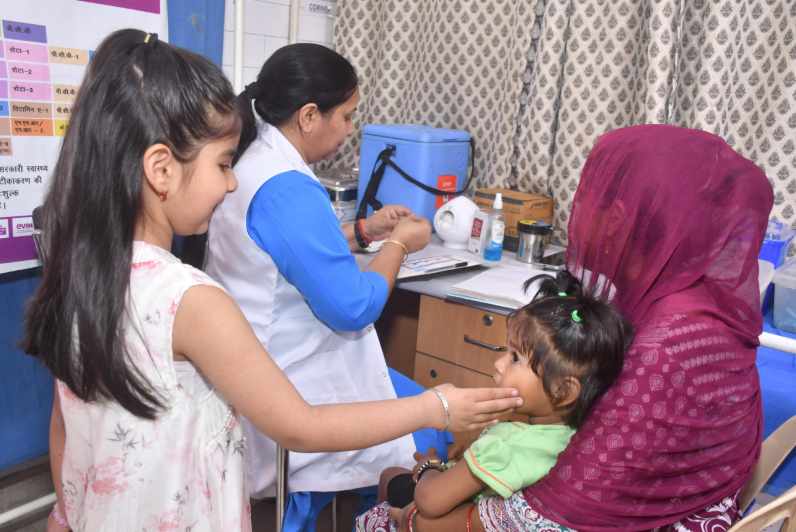
Measles and rubella are viral infections that can spread through respiratory droplets and airborne transmission.
Measles is highly contagious and can cause fever, cough, runny nose, conjunctivitis, and a characteristic skin rash. In some patients, it can lead to serious complications such as pneumonia, severe diarrhoea, encephalitis, and other medical problems.
Rubella generally causes a milder illness in children and adults. However, infection during pregnancy can have serious consequences for the developing baby, including congenital rubella syndrome.
India has been working towards measles and rubella elimination through vaccination programmes, disease surveillance, and outbreak-response activities.
On 28 November 2026, reports citing the World Health Organization indicated that India was unlikely to meet its 2026 elimination goal despite vaccination coverage reported at approximately 98%.High national vaccination coverage is important, but it does not necessarily mean that every community has achieved adequate protection.
Localised gaps may occur because of missed children, migration, incomplete vaccination, access barriers, inaccurate records, or other factors.
Measles can spread rapidly when susceptible individuals are concentrated in communities. Even small gaps in vaccination coverage may allow outbreaks to occur.
Disease surveillance is equally important because suspected cases must be identified, investigated, and confirmed appropriately.
Public-health authorities may need to strengthen routine immunisation, conduct targeted vaccination activities, investigate outbreaks, and improve reporting systems.
Parents and caregivers should ensure that children receive vaccinations according to the recommended national immunisation schedule.
The WHO warning highlights the difference between high reported vaccination coverage and actual disease elimination.
Achieving elimination requires sustained vaccination, effective surveillance, rapid outbreak response, and protection of vulnerable populations.
✦ Clinical Takeaway
The World Health Organization warned on 28 November 2026 that India is unlikely to meet its 2026 measles–rubella elimination target despite reported vaccination coverage of approximately 98%. The development highlights the importance of closing immunity gaps, strengthening disease surveillance, investigating suspected cases, and ensuring that every eligible child receives the recommended vaccine doses.
Women's HealthMedical News
Nov 28, 2026Use of Hormonal Contraception Declines Among Young Women as Health Concerns Grow
By System Admin, MD, Healthcare & Clinical Journalism•4 min read

Hormonal contraception is used by millions of women worldwide to prevent pregnancy and, in some cases, manage medical conditions such as menstrual irregularities, endometriosis, acne, and other hormone-related symptoms.
Available methods include oral contraceptive pills, hormonal intrauterine devices, injections, implants, patches, and other formulations.
However, contraceptive decisions can be influenced by several factors, including personal preferences, access to healthcare, cost, concerns about side effects, family planning goals, and medical history.
A report published on 27 November 2026 highlighted a decline in hormonal contraceptive use among young women and described increasing concerns about hormones.The trend has drawn attention to the concept of hormonal hesitancy, in which individuals may avoid hormonal products because of concerns about their potential effects on the body.
Women may encounter discussions online about mood changes, weight, skin changes, menstrual cycles, fertility, and other potential effects.
While side effects can occur, the benefits and risks of contraceptive methods vary considerably between individuals and formulations.
Some hormonal contraceptives can provide benefits beyond pregnancy prevention, including reducing menstrual pain or managing certain gynaecological conditions.
At the same time, certain medical conditions may make specific contraceptive methods unsuitable. This is why individual assessment is important.
The decline in use may also reflect changing preferences towards non-hormonal methods, including condoms, copper intrauterine devices, or other approaches.
Healthcare professionals emphasise the importance of providing balanced, evidence-based contraceptive information rather than dismissing concerns or relying exclusively on social-media discussions.
Women should be able to discuss their reproductive-health priorities and select methods appropriate for their health, lifestyle, and plans.
The report highlights the need for accessible reproductive-health counselling and accurate information about the benefits, risks, and alternatives associated with contraception.
✦ Clinical Takeaway
A report published on 27 November 2026 highlighted a decline in hormonal contraceptive use among young women, alongside growing concerns described as “hormonal hesitancy.” The trend raises questions about how women obtain contraceptive information, understand side effects, and make decisions about reproductive health in an environment increasingly influenced by social media and online discussions.
DiabetesMedical News
Nov 28, 2026Adult Blood Sugar Changes Linked to Worse Cognitive Function in Midlife, Study Finds
By System Admin, MD, Healthcare & Clinical Journalism•4 min read

Diabetes is a chronic metabolic condition in which the body cannot adequately regulate blood glucose levels because of problems involving insulin production, insulin action, or both.
Type 2 diabetes is particularly associated with insulin resistance, in which body tissues respond less effectively to insulin. Over time, blood glucose levels may rise and cause complications involving the heart, kidneys, eyes, nerves, and other organs.
Researchers are increasingly examining the relationship between metabolic health and the brain.
A study reported on 27 November 2026 examined the association between blood sugar changes during adulthood and cognitive function during midlife. The findings indicated that rising blood glucose levels were associated with worse cognitive performance.Cognitive function includes memory, attention, concentration, reasoning, decision-making, and the ability to process information.
The potential relationship between metabolic health and cognition is important because diabetes-related complications may develop gradually. Changes in blood glucose, vascular health, inflammation, and other metabolic factors may contribute to neurological changes over time.
People with diabetes may also have an increased risk of certain cognitive problems as they age.
The research supports the importance of monitoring blood glucose levels before complications become evident.
Preventive approaches include balanced nutrition, regular physical activity, maintaining a healthy weight, appropriate sleep, and medical monitoring of glucose levels.
Individuals with prediabetes may benefit from early intervention to reduce their risk of progressing to Type 2 diabetes.
However, the reported association does not prove that blood sugar elevation alone directly causes cognitive decline. More research is needed to understand the mechanisms and determine which interventions may protect long-term cognitive health.
The study highlights the importance of treating metabolic health as part of broader lifelong health rather than focusing only on immediate blood glucose measurements.
✦ Clinical Takeaway
A study reported by The Hindu on 27 November 2026 found an association between rising blood sugar levels during adulthood and poorer cognitive function in midlife. The research highlights the importance of monitoring metabolic health over time and examining whether early glucose abnormalities may be associated with later cognitive complications.
CancerMedical News
Nov 28, 2026High Treatment Cost May Limit Access to Promising Pancreatic Cancer Drug, Report Raises Concern
By System Admin, MD, Healthcare & Clinical Journalism•4 min read

Pancreatic cancer is one of the most challenging cancers to diagnose and treat. The disease often develops without noticeable symptoms during its early stages, meaning many patients are diagnosed after the cancer has spread.
The pancreas is an organ located behind the stomach. It plays an important role in digestion and blood glucose regulation. Cancer develops when abnormal cells grow uncontrollably within pancreatic tissue.
Treatment options may include surgery, chemotherapy, radiation therapy, targeted medicines, and clinical trials. However, the appropriate treatment depends on the cancer stage, tumour characteristics, and the patient's overall health.
On 28 November 2026, a health news report highlighted concerns about the high cost of a promising pancreatic cancer drug and the possibility that its price could limit access for patients.
The issue has become increasingly important as research develops medicines targeting specific molecular pathways involved in pancreatic cancer growth.
Targeted therapies may offer benefits to selected patients whose cancers have particular biological characteristics. However, not every patient is eligible for every treatment, and clinical benefits may differ.
Cancer treatment can already impose substantial financial pressure on patients through hospital costs, investigations, medications, travel, accommodation, and loss of income.
When a potentially beneficial medicine is expensive, affordability can become an additional barrier even when the treatment is medically appropriate.
The issue raises questions about pricing policies, insurance coverage, patient-assistance programmes, public healthcare access, and the role of pharmaceutical companies in making new therapies accessible.
Promising research must also be evaluated through clinical evidence. Early findings do not necessarily establish long-term survival benefits or a cure.
The report highlights the importance of balancing cancer-treatment innovation with equitable access to effective medical care.
✦ Clinical Takeaway
A report published on 28 November 2026 highlights concerns that the high price of a promising pancreatic cancer treatment could prevent many patients from accessing it. The development follows encouraging clinical research into targeted treatments for pancreatic cancer, raising questions about affordability, equitable access, and the financial burden faced by cancer patients and families.
HeartMedical News
Nov 28, 2026Normal Cholesterol Reports May Still Hide Heart Disease Risk, Experts Warn
By System Admin, MD, Healthcare & Clinical Journalism•4 min read

Cardiovascular disease remains one of the leading causes of illness and death worldwide. Conditions such as coronary artery disease, heart attacks, strokes, and heart failure can develop through a combination of genetic, metabolic, lifestyle, and environmental factors.
Cholesterol is an important component of cardiovascular risk assessment. Routine blood tests generally measure total cholesterol, LDL cholesterol, HDL cholesterol, and triglycerides. These values help doctors estimate the risk of developing cardiovascular complications.
However, a cholesterol report within the laboratory's reference range does not necessarily mean that a person has no cardiovascular risk.
Experts highlighted on 27 November 2026 that some individuals may have underlying risk factors that require additional assessment despite apparently normal cholesterol values.Factors such as high blood pressure, diabetes, smoking, obesity, chronic inflammation, family history of premature heart disease, and physical inactivity can contribute to cardiovascular risk.
Some patients may also have additional lipid-related abnormalities that are not routinely assessed in every standard blood test.
The importance of comprehensive assessment is particularly relevant for people with diabetes, a strong family history of cardiovascular disease, or previous cardiovascular events.
Doctors may consider additional tests depending on the patient's history, symptoms, and risk profile.
Symptoms such as chest pressure, unexplained breathlessness, sweating, pain radiating to the arm or jaw, and sudden weakness require appropriate medical assessment.
A normal cholesterol report should not be used to dismiss symptoms suggestive of heart disease.
The development highlights the importance of preventive cardiology, regular health check-ups, and evaluating multiple risk factors together.
✦ Clinical Takeaway
Health experts warned on 27 November 2026 that normal cholesterol results may not always indicate a low risk of cardiovascular disease. Some patients may have additional risk factors that are not adequately reflected in routine cholesterol measurements, including family history, diabetes, blood pressure, and other metabolic conditions. Experts recommend comprehensive cardiovascular risk assessment rather than interpreting cholesterol results in isolation.
General HealthMedical News
Nov 25, 2026Dr Soumya Swaminathan Calls for India-Specific Research Into Air Pollution and Lung Cancer
By System Admin, MD, Healthcare & Clinical Journalism•4 min read

Air pollution is a major environmental and public-health concern affecting millions of people worldwide.
Urban populations are exposed to pollutants from several sources, including vehicle emissions, industrial activity, construction dust, fuel combustion, and other environmental factors.
Long-term exposure to air pollution has been associated with several health problems involving the respiratory system, cardiovascular system, and other organs.
Lung cancer remains one of the major cancers affecting people worldwide. Although tobacco smoking is an important risk factor, lung cancer can also occur in people who have never smoked.
Environmental exposures, occupational factors, genetics, and other medical factors may contribute to the disease.
On 25 November 2026, Dr Soumya Swaminathan, scientist and former Deputy Director-General of the World Health Organization, called for evidence-based research investigating the potential relationship between air pollution and lung cancer across urban India.
The report highlighted the need for India-specific research to understand how deteriorating air quality may contribute to the country's increasing cancer burden.
India's urban environments vary considerably in pollution sources, population density, industrial activity, climate, and exposure patterns.
Research examining these differences could help scientists better understand the relationship between environmental exposures and lung cancer risk.
Such studies may involve analysing pollution measurements, patient histories, cancer registry data, occupational exposures, and other relevant information.
However, the relationship between pollution and cancer is complex. Researchers must account for other factors such as smoking history, occupational exposure, socioeconomic circumstances, and differences in healthcare access.
Improving air quality remains important for public health because pollution can affect several body systems, even beyond cancer.
Reducing exposure through better environmental monitoring, pollution control, urban planning, and public-health interventions may help protect populations.
The call for research highlights the importance of strengthening India's environmental-health evidence base and understanding the long-term effects of air pollution on cancer risk.
✦ Clinical Takeaway
Dr Soumya Swaminathan, scientist and former Deputy Director-General of the World Health Organization, called for evidence-based research into the potential relationship between air pollution and lung cancer across urban India. The report published on 25 November 2026 highlights the need for India-specific data to understand environmental factors contributing to the country's cancer burden.
OrthopedicsMedical News
Nov 25, 2026Study Examines Bone Density and Fracture Risk in Asian Adults With Type 2 Diabetes
By System Admin, MD, Healthcare & Clinical Journalism•4 min read

Bone health is an important part of long-term physical health, particularly among older adults and people living with chronic conditions.
Osteoporosis is a disease characterised by reduced bone strength and increased risk of fractures.
People with Type 2 diabetes may face additional skeletal health concerns. Although some patients may have bone-density measurements that appear relatively preserved, diabetes can affect bone quality and increase the risk of fractures.
This makes the assessment of fracture risk particularly important.
A study published on 24 November 2026 in JAMA Network Open investigated the relationship between bone mineral density, fracture risk assessment scores, and fracture outcomes among Asian adults with Type 2 diabetes.
The study also examined whether a recommended adjustment of 0.5 units to bone-density T-scores was sufficient when estimating fracture risk in this population.
Bone mineral density testing is commonly used to assess skeletal health. However, fracture risk is influenced by several additional factors, including age, previous fractures, falls, medication use, body weight, and other medical conditions.
Type 2 diabetes may influence bone strength through changes in metabolism, insulin-related processes, complications affecting mobility, and other factors.
People with diabetes may also experience neuropathy, vision problems, and reduced balance, which can increase their risk of falling.
Falls can result in fractures involving the hip, wrist, spine, and other bones.
The study is relevant because risk-assessment methods developed for one population may not always perform equally well across different ethnic groups or individuals with specific chronic conditions.
Accurate fracture-risk assessment can help doctors identify patients who may benefit from preventive interventions.
Depending on the individual, management may include appropriate physical activity, resistance exercises, fall-prevention strategies, nutrition, and osteoporosis treatment.
The research highlights the importance of considering both diabetes and skeletal health when assessing fracture risk.
✦ Clinical Takeaway
A study published in JAMA Network Open on 24 November 2026 examined bone mineral density, fracture risk scores, and fracture outcomes among Asian adults with Type 2 diabetes. The research also assessed whether a recommended adjustment to bone-density scores adequately estimates fracture risk in this population.
NeurologyMedical News
Nov 25, 2026Alzheimer's Drug AR1001 Shows Slower Cognitive Decline in Phase 3 Subgroup Analysis
By System Admin, MD, Healthcare & Clinical Journalism•4 min read

Alzheimer's disease is a progressive neurological condition that affects memory, thinking, behaviour, and the ability to perform everyday activities.
It is one of the most common causes of dementia and generally develops gradually over time.
People living with Alzheimer's disease may initially experience difficulties remembering recent information, organising tasks, or maintaining concentration.
As the condition progresses, symptoms may interfere with communication, decision-making, daily activities, and independence.
Researchers continue to investigate medicines that may slow disease progression or improve symptoms.
A medical news report published on 25 November 2026 highlighted results involving AR1001, an investigational Alzheimer's disease medicine.
The report stated that the medicine showed a 31% slower decline in a Phase 3 subgroup analysis. However, it did not show statistically significant benefit across the full study population of 1,535 patients.
This distinction is important when interpreting clinical research.
A subgroup result may indicate that a particular group of participants could potentially benefit, but such findings require further evaluation and confirmation.
Researchers must determine whether subgroup outcomes are reliable, whether the differences are clinically meaningful, and whether the results can be replicated in additional studies.
Alzheimer's clinical trials commonly assess cognitive performance, functional abilities, disease progression, safety, and other outcomes.
The development of new treatments remains challenging because Alzheimer's disease involves complex biological processes that may affect brain cells over many years.
Investigational medicines should not be described as approved treatments unless they have received the necessary regulatory approval.
The report highlights continuing efforts to develop therapies that could potentially slow cognitive decline in people living with Alzheimer's disease.
It also reinforces the importance of carefully evaluating full clinical trial results rather than focusing only on encouraging subgroup findings.
✦ Clinical Takeaway
A medical news report published on 25 November 2026 highlighted results involving AR1001, an investigational Alzheimer's disease medicine. A Phase 3 trial subgroup reportedly showed a 31% slower decline, but the study did not demonstrate significant benefit across all 1,535 participants. The findings require careful interpretation and further evaluation.
AyurvedaMedical News
Nov 25, 2026WHO Advances Quality Standards for Herbal Medicines, Strengthening Safety and Scientific Evaluation
By System Admin, MD, Healthcare & Clinical Journalism•4 min read

Herbal medicines are used in traditional healthcare systems around the world, including Ayurveda, traditional Chinese medicine, and other forms of traditional medicine.
Medicinal plants may contain several active chemical compounds. Their properties can vary depending on the species, plant part, cultivation conditions, harvesting methods, preparation, storage, and manufacturing process.
These differences can influence product quality and safety.
The World Health Organization is continuing work related to quality standards for herbal medicines. An expert meeting in Hong Kong, China, was reported on 23 November 2026, with discussions focused on developing and advancing quality standards for herbal medicines.
Quality standards are important because herbal products may differ considerably in composition and concentration.
Incorrect plant identification can lead to the use of unsuitable or potentially harmful substances.
Contamination may also occur through microbial organisms, pesticides, heavy metals, or other unwanted materials.
Standardisation and quality testing can help improve consistency between batches and strengthen consumer protection.
For Ayurveda, these developments are relevant because many traditional preparations contain plant-based ingredients.
Reliable standards can support accurate identification of medicinal plants, quality-controlled preparation, appropriate storage, and safer manufacturing.
However, quality standards do not automatically prove that a herbal medicine is effective for treating a specific disease.
Clinical effectiveness must be established through appropriate research, and potential adverse effects must be considered.
Herbal medicines may interact with prescription medicines and can cause complications in certain individuals, including pregnant women, people with liver or kidney conditions, and those taking multiple medications.
Healthcare professionals should be informed about any herbal products a patient uses.
The WHO initiative highlights the importance of strengthening scientific quality, safety, and standardisation across the traditional medicine sector.
✦ Clinical Takeaway
The World Health Organization advanced discussions on quality standards for herbal medicines during an expert meeting in Hong Kong, China, reported on 23 November 2026. The initiative highlights the importance of reliable standards, accurate identification of medicinal plants, quality control, and safety evaluation for herbal healthcare products.
NutritionMedical News
Nov 25, 2026Clinical Trial Examines Financial Incentives to Encourage Healthy Food Purchases Among People With Diabetes and Obesity
By System Admin, MD, Healthcare & Clinical Journalism•4 min read

Nutrition is a major component of disease prevention and management.
A balanced diet can help support healthy body weight, blood glucose regulation, cardiovascular health, digestive function, and overall well-being.
However, access to nutritious food is not always straightforward. Cost, availability, food preferences, shopping habits, and household circumstances may influence the types of food people purchase.
A pilot randomised clinical trial published on 24 November 2026 in JAMA Network Open examined whether healthy-food subsidies and behavioural interventions could encourage people with diabetes and obesity to purchase more fruits and vegetables.
The study explored the use of financial incentives and choice-based strategies in online grocery shopping.
Food subsidies are designed to reduce the cost of healthier products. This may make fruits and vegetables more affordable for individuals and households facing financial barriers.
Behavioural approaches can also influence purchasing decisions. For example, the placement of food items, the way products are displayed, and nutritional messages may affect what shoppers choose.
The research is important because nutritional education alone may not be sufficient when healthier food options are expensive or difficult to access.
Increasing fruit and vegetable consumption can improve dietary fibre intake and provide important vitamins, minerals, and other nutrients.
For people with diabetes, nutrition plans must also consider carbohydrate portions, medication schedules, blood glucose levels, and other health conditions.
The trial was designed as a pilot study, which means its findings are intended to provide preliminary evidence and help guide larger research efforts.
Further studies are needed to determine whether these approaches produce sustained changes in food purchasing, dietary quality, blood glucose control, body weight, and long-term health outcomes.
The research highlights the importance of combining nutritional education with practical strategies that make healthier food choices more accessible.
✦ Clinical Takeaway
A pilot clinical trial published on 24 November 2026 investigated whether food subsidies and behavioural strategies could increase fruit and vegetable purchases among people living with diabetes and obesity. The study examines the potential of nutrition-focused interventions to improve healthy food access and support long-term dietary habits.
FitnessMedical News
Nov 25, 2026Researchers Highlight Importance of Exercise Prescriptions for Cardiovascular Health
By System Admin, MD, Healthcare & Clinical Journalism•4 min read

Physical activity is one of the important components of maintaining cardiovascular health.
Regular exercise can improve heart and lung function, help regulate blood pressure, support healthy body weight, and improve insulin sensitivity.
However, many people do not achieve sufficient physical activity because of sedentary work, limited opportunities for exercise, busy schedules, health limitations, and other factors.
Medical discussions and recommendations increasingly focus on integrating exercise into routine healthcare.
A JAMA medical news publication on cardiovascular health highlights exercise prescriptions as an important part of cardiovascular health management.
An exercise prescription involves recommending physical activity based on a person's health condition, fitness level, medical history, and specific health goals.
It may include aerobic activities such as walking, cycling, swimming, or other forms of movement. Depending on the individual, the programme may also incorporate strength training, flexibility exercises, and balance activities.
For people with cardiovascular risk factors, structured exercise can support improvements in physical fitness and metabolic health.
However, individuals with heart disease, uncontrolled blood pressure, significant joint problems, or other medical conditions may require assessment before beginning an intensive exercise programme.
Exercise intensity should be increased gradually. Starting with manageable activity and building consistency can help people develop sustainable habits.
Regular movement throughout the day may also help people who spend long hours sitting at work.
Fitness programmes should focus on long-term consistency rather than extreme short-term exercise routines.
The growing emphasis on exercise prescriptions highlights the importance of integrating physical activity into preventive healthcare, chronic disease management, and rehabilitation.
✦ Clinical Takeaway
Recent cardiovascular research and clinical recommendations highlight the importance of prescribing exercise as part of healthcare rather than treating physical activity as a general lifestyle suggestion. Exercise can help improve cardiovascular fitness, blood pressure, metabolic health, and physical functioning. Structured activity plans should be adapted to individual medical conditions and fitness levels.
Mental HealthMedical News
Nov 25, 202676% of Parents Uncomfortable With AI Chatbots Providing Mental Health Therapy to Children, Study Finds
By System Admin, MD, Healthcare & Clinical Journalism•4 min read

Artificial intelligence chatbots are increasingly being used by people seeking information, emotional support, and assistance with everyday problems.
Children and teenagers may also use digital tools to discuss feelings of loneliness, anxiety, stress, relationship difficulties, and other personal concerns.
However, the use of AI chatbots for mental-health therapy in children raises important questions about safety, effectiveness, privacy, and the ability of technology to recognise serious psychological problems.
A study involving researchers from Harvard Medical School, Boston Children's Hospital, and RAND Corporation examined parental attitudes towards AI-led behavioural therapy for children.
The survey included 572 parents who had at least one child aged between 5 and 17 years. The findings were reported by The Times of India on 25 November 2026.
The study found that 76% of parents were uncomfortable with AI-led behavioural therapy for their children.
Approximately 47.2% reported that they were not comfortable at all, while 28.8% said they were not too comfortable with the idea.
Only 16.2% were somewhat comfortable and 7.8% were very comfortable.
Diagnostic accuracy was identified as a major concern, with 58.5% of parents considering it an important factor when evaluating AI-led therapy for their children.
Parents may worry that AI systems could misunderstand a child's emotions, fail to identify warning signs, provide inappropriate advice, or respond inadequately during a mental-health crisis.
Privacy is another important issue because children may share highly personal information with digital platforms without fully understanding how the information may be stored or used.
Mental-health professionals emphasise the importance of individual assessment, empathy, appropriate safeguarding, and ongoing clinical supervision.
AI tools may have a role in supporting general education or providing limited supplementary resources, but they should not replace qualified mental-health professionals when children require clinical treatment.
The findings highlight the importance of establishing clear safety standards and responsible boundaries for AI-based mental-health tools used by young people.
✦ Clinical Takeaway
A survey-based study involving 572 parents found that 76% were uncomfortable with AI chatbots providing behavioural therapy to children. The findings, reported by The Times of India on 25 November 2026, highlight concerns about the accuracy, empathy, safety, and privacy of AI-led mental-health support for children and adolescents.
PediatricsMedical News
Nov 25, 2026FDA Approves Weekly Insulin for Pediatric Type 2 Diabetes, Marking a Treatment Development
By System Admin, MD, Healthcare & Clinical Journalism•4 min read

Type 2 diabetes in children and adolescents is an increasingly important healthcare concern.
Although Type 2 diabetes was historically more common among adults, it is now being diagnosed in younger populations. The condition occurs when the body becomes resistant to insulin or cannot produce sufficient insulin to maintain healthy blood glucose levels.
Children with Type 2 diabetes may require a combination of lifestyle interventions, medication, and regular medical monitoring.
On 20 November 2026, JAMA published a medical news report highlighting FDA approval of weekly insulin for pediatric Type 2 diabetes.
The development is important because insulin treatment has traditionally involved more frequent administration schedules. A weekly formulation may provide a different treatment option for eligible patients, depending on the approved product, indication, and individual clinical needs.
Diabetes management in children involves several important factors. Healthcare teams must consider growth and development, nutritional requirements, school routines, physical activity, medication adherence, and the risk of low or high blood glucose levels.
Parents and caregivers play an important role in supporting treatment and ensuring that children receive appropriate follow-up.
Children with diabetes may also benefit from coordinated care involving paediatric endocrinologists, dietitians, diabetes educators, and other healthcare professionals.
Regular monitoring is necessary because prolonged high blood glucose can affect the blood vessels, nerves, kidneys, and eyes over time.
The FDA approval represents a treatment development in paediatric diabetes care. However, it does not mean that every child with Type 2 diabetes should use weekly insulin.
Treatment must be selected according to the child's condition, approved eligibility criteria, and specialist recommendations.
The development highlights continuing efforts to improve diabetes treatment options for younger patients and support long-term disease management.
✦ Clinical Takeaway
A JAMA medical news report published on 20 November 2026 highlighted FDA approval of weekly insulin for pediatric Type 2 diabetes. The development is important because diabetes treatment in children requires carefully planned medication, glucose monitoring, nutritional support, and long-term management. The approval expands treatment options for a population requiring specialised diabetes care.
Women's HealthMedical News
Nov 25, 2026Amazon Announces $100 Million Healthcare Initiative to Address Health Gaps, Prioritising Women and Children
By System Admin, MD, Healthcare & Clinical Journalism•4 min read

Healthcare access remains unequal across many parts of the world. Women and children in underserved communities may face barriers involving medical facilities, specialist consultations, preventive screening, maternal care, and access to reliable health information.
Digital healthcare technologies are increasingly being explored as ways to address these challenges.
On 25 November 2026, Amazon Web Services announced a US$100 million Health Impact Initiative designed to support organisations working to reduce healthcare inequalities.
The programme is planned as a five-year initiative and will provide technology resources including artificial intelligence services, AI-agent capabilities, and cloud computing infrastructure.
Women and children's health have been identified among the programme's priority areas.
AI and cloud technology can potentially support healthcare services in several ways. Organisations may use digital systems to analyse health data, manage patient information, improve service delivery, assist research, and develop tools for populations that face limited access to healthcare.
For women's health, technology-supported programmes may have applications in maternal care, reproductive health education, screening support, and improving access to healthcare information.
For children, digital systems may help healthcare organisations improve preventive care, monitor health programmes, and coordinate services.
However, technology cannot replace qualified healthcare professionals. AI-generated healthcare information must be evaluated carefully, particularly when it involves diagnosis, treatment, medications, pregnancy, or children's health.
Privacy and data protection are also important concerns. Healthcare organisations must ensure that sensitive information is appropriately protected and that digital systems are used responsibly.
The initiative highlights the growing role of technology companies in supporting healthcare innovation and expanding access to services.
Its long-term impact will depend on how participating organisations use the resources, whether solutions reach underserved populations, and whether measurable improvements in healthcare access and outcomes are achieved.
✦ Clinical Takeaway
Amazon Web Services announced a US$100 million Health Impact Initiative on 25 November 2026 to address healthcare gaps affecting underserved populations. The five-year programme will provide AI services, AI-agent technology, and cloud computing infrastructure to organisations developing healthcare solutions, with women and children's health among its priority areas.
DiabetesMedical News
Nov 25, 2026Study Examines Whether Healthy Food Subsidies Can Improve Fruit and Vegetable Purchases Among People With Diabetes
By System Admin, MD, Healthcare & Clinical Journalism•4 min read
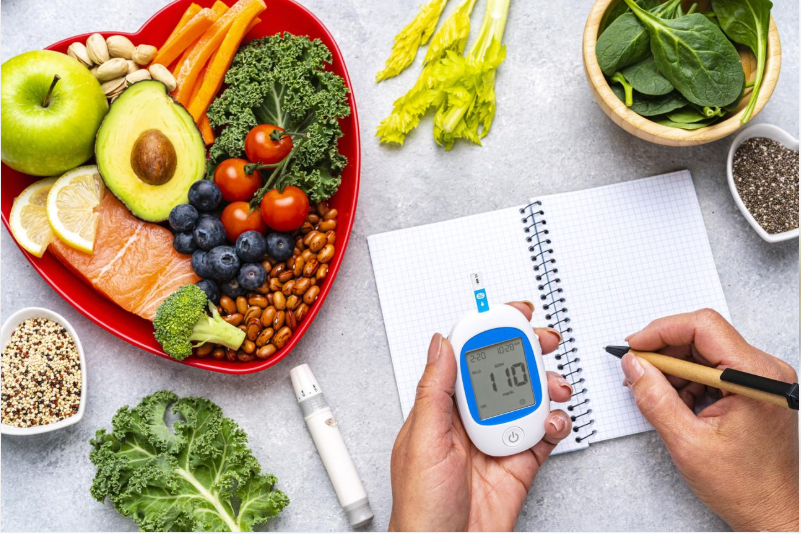
Diabetes management requires consistent attention to blood glucose levels, nutrition, physical activity, medication, and regular healthcare follow-up.
Food choices can significantly influence blood glucose control and overall metabolic health. However, access to nutritious foods is affected by several factors, including household income, food prices, availability, shopping habits, and nutritional awareness.
People living with diabetes and obesity may face additional challenges when trying to maintain healthier dietary patterns.
A pilot randomised clinical trial published on 24 November 2026 in JAMA Network Open examined whether interventions designed to encourage healthier food purchases could improve fruit and vegetable buying behaviour.
The study investigated healthy food subsidies, choice architecture, and salience messaging in an online grocery-shopping environment.
Healthy-food subsidies can reduce the financial cost of purchasing nutritious foods. Choice architecture refers to arranging shopping options in ways that may make healthier choices easier. Salience messaging involves highlighting particular products or nutritional information to influence purchasing decisions.
The research is important because traditional diabetes education may not be sufficient when patients face financial or practical barriers to healthy eating.
Encouraging fruit and vegetable consumption may help improve overall diet quality, increase fibre intake, and support weight management.
However, people with diabetes may need individualised nutritional advice because the appropriate food choices and portions can depend on medications, blood glucose patterns, kidney health, and other medical conditions.
The study is a pilot trial, so its findings should be interpreted as preliminary evidence rather than proof that subsidies or online shopping interventions will produce long-term improvements in diabetes outcomes.
Researchers will need to evaluate whether these interventions lead to sustained dietary changes, improved glucose control, and better health outcomes over time.
The research highlights the potential role of food-access programmes and behavioural interventions alongside standard diabetes care.
✦ Clinical Takeaway
A pilot randomised clinical trial published in JAMA Network Open on 24 November 2026 examined whether healthy-food subsidies, shopping-choice interventions, and nutritional messaging could increase online purchases of fruits and vegetables among people with diabetes and obesity. The research focuses on practical strategies to improve food choices and support chronic disease management.
CancerMedical News
Nov 25, 2026FDA Approves New Drug for Advanced Head and Neck Cancer, Expanding Treatment Options
By System Admin, MD, Healthcare & Clinical Journalism•4 min read

Head and neck cancers include a group of cancers that develop in areas such as the mouth, throat, larynx, nasal cavity, and other related structures.
These cancers can affect essential functions including swallowing, speaking, breathing, and eating. Advanced disease may also affect a patient's appearance, quality of life, and ability to perform everyday activities.
Treatment depends on the location of the cancer, its stage, the patient's general health, and whether the disease has spread.
Common treatment approaches include surgery, radiation therapy, chemotherapy, immunotherapy, and targeted therapies. In many cases, a combination of treatments may be recommended.
A medical news report published on 25 November 2026 highlighted a new FDA approval involving a medicine for advanced head and neck cancer. The approval expands the available treatment options for patients affected by this disease.
The development is important because advanced cancers may become difficult to manage when the disease progresses or when patients do not respond adequately to existing therapies.
Regulatory approval generally follows the evaluation of clinical evidence involving safety, effectiveness, and the medicine's intended use.
The specific benefits of a newly approved medicine may vary depending on the cancer subtype, previous treatment history, and individual patient characteristics.
Patients should not assume that a newly approved medicine is suitable for every type of head and neck cancer. Treatment decisions should be made by oncology specialists after reviewing the diagnosis and relevant medical information.
Head and neck cancer symptoms may include persistent mouth ulcers, difficulty swallowing, unexplained lumps, changes in voice, persistent throat discomfort, and other symptoms that do not resolve.
Early medical assessment can help identify the cause of these symptoms and support timely diagnosis.
The new FDA approval highlights the continuing development of cancer treatments and the importance of improving therapeutic options for patients with advanced malignancies.
✦ Clinical Takeaway
A medical news report published on 25 November 2026 states that the US Food and Drug Administration has approved a new medicine for advanced head and neck cancer. The approval expands treatment options for patients with difficult-to-treat disease and reflects continuing progress in oncology research and targeted cancer treatment.
HeartMedical News
Nov 25, 2026Long-Term Blood Sugar Elevation Linked to Poorer Memory and Cognitive Function in Midlife
By System Admin, MD, Healthcare & Clinical Journalism•4 min read

Blood sugar levels are an important indicator of metabolic health and can influence several organs, including the heart, blood vessels, and brain.
Although diabetes is commonly associated with cardiovascular disease, kidney problems, and nerve damage, emerging research is also examining how long-term changes in glucose levels may influence cognitive health.
A new study published on 25 November 2026 in the Journal of the American Heart Association examined the relationship between changes in fasting blood glucose levels from early adulthood to midlife and later cognitive functioning.
The research followed participants over approximately three decades. Investigators found that young adults who experienced progressively increasing fasting blood sugar levels were more likely to have poorer cognitive functioning by midlife.
Participants who developed Type 2 diabetes during the follow-up period also showed signs of structural changes in the brain.The findings are important because cognitive complications associated with diabetes were previously thought to become more prominent mainly in older adults. However, this research suggests that metabolic changes beginning much earlier may be associated with measurable brain-health differences during middle age.
Cognitive functions include memory, attention, reasoning, decision-making, and the ability to process information.
Researchers suggest that monitoring blood glucose levels during young adulthood could potentially help identify individuals who may benefit from earlier lifestyle or medical interventions.
However, the findings demonstrate an association rather than proving that elevated blood sugar directly causes cognitive decline in every individual.
Maintaining metabolic health through regular physical activity, balanced nutrition, appropriate weight management, and medical monitoring may help reduce the risk of diabetes and its associated complications.
The research highlights the importance of considering brain health as part of long-term cardiovascular and metabolic disease prevention.
✦ Clinical Takeaway
A study published on 25 November 2026 in the Journal of the American Heart Association found that young adults whose fasting blood sugar levels increased over approximately 30 years were more likely to experience poorer cognitive function in midlife. Participants who developed Type 2 diabetes also showed signs of structural brain changes, highlighting the potential importance of early metabolic health monitoring.
General HealthMedical News
Nov 24, 2026ICMR Launches Infectious Disease Surveillance Network Across 70 Laboratories to Strengthen Early Outbreak Detection
By System Admin, MD, Healthcare & Clinical Journalism•4 min read

Infectious diseases continue to present significant challenges to public-health systems worldwide.
Outbreaks can spread rapidly when infections are not identified early, particularly in densely populated communities or areas with limited diagnostic facilities.
Effective disease surveillance helps healthcare authorities identify emerging infections, monitor their spread, and implement appropriate control measures.
The Indian Council of Medical Research has introduced a syndromic surveillance initiative designed to strengthen infectious disease monitoring across India.
According to a report published on 18 November 2026, the initiative will connect 70 Virus Research and Diagnostic Laboratories and Infectious Disease Research and Diagnostic Laboratories.The network aims to use real-time or near-real-time health information to support the early identification and investigation of possible outbreaks.
Instead of monitoring only individual diseases, syndromic surveillance focuses on groups of symptoms that may indicate an infectious condition.
The initial framework covers four major categories:
1. Acute Febrile Illness: Conditions involving fever, including fever accompanied by rashes or swollen lymph nodes.
2. Acute Encephalitis Syndrome: Conditions involving inflammation or dysfunction of the brain, which may be associated with infectious causes.
3. Acute Respiratory Illness: Infections affecting the respiratory system.
4. Acute Diarrhoeal Disease: Conditions involving diarrhoea that may result from infectious organisms.
The ICMR has also developed priority lists of pathogens to guide diagnostic testing and surveillance.
The lists categorise pathogens according to their frequency, outbreak potential, clinical importance, and availability of diagnostic methods.This approach can help doctors and laboratory professionals identify relevant infectious agents more efficiently.
It may also improve understanding of regional disease patterns and support the development of suitable diagnostic tools and public-health interventions.
The surveillance network is particularly important because different infectious diseases can initially produce similar symptoms.
Early identification can help authorities understand the size and spread of an outbreak and plan appropriate responses.
However, surveillance does not replace clinical diagnosis or individual patient care. Suspected infections still require appropriate medical assessment and laboratory investigation.
The initiative represents an important development in India's public-health preparedness and infectious disease monitoring capabilities.
✦ Clinical Takeaway
The Indian Council of Medical Research has introduced a syndromic surveillance initiative across 70 Virus Research and Diagnostic Laboratories and Infectious Disease Research and Diagnostic Laboratories. Reported on 18 November 2026, the initiative aims to strengthen early outbreak warnings through real-time or near-real-time data. It will initially focus on four major infectious disease syndromes, improving India's ability to monitor potential public-health threats.
OrthopedicsMedical News
Nov 24, 2026Orthopedic Experts Call for Early Bone Health Protection at India Health Summit 2026
By System Admin, MD, Healthcare & Clinical Journalism•4 min read

Bone health is essential for maintaining mobility, physical independence, and overall quality of life.
Bones provide structural support, protect internal organs, and help the body move through their interaction with muscles and joints.
However, bone strength can decline with age and certain medical conditions. Osteoporosis is one of the most important conditions affecting skeletal health.
Osteoporosis develops when bone density and structural strength decrease, increasing the likelihood of fractures.
The condition may remain unnoticed for years because early bone loss often produces no obvious symptoms.
At The Week Health Summit 2026, orthopedic specialists highlighted the importance of preventing bone-related problems through early nutritional support, timely diagnosis, and appropriate treatment.
A report published on 22 November 2026 highlighted concerns about osteoporosis and vitamin D deficiency in India.Vitamin D helps the body absorb calcium, an essential mineral for bone development and maintenance.
Inadequate vitamin D levels can contribute to poor bone mineralisation and increase the risk of certain bone-related conditions.
Calcium intake, protein consumption, physical activity, and hormonal health are also important factors influencing bone strength.
Childhood and adolescence are particularly important because a substantial proportion of peak bone mass develops during these years.
Weight-bearing activities, age-appropriate resistance exercise, and balanced nutrition can support healthy bone development.
For older adults, preventing falls is equally important because even a minor fall can result in a serious fracture when bones are weakened.
Medical assessment may involve bone mineral density testing, particularly for people with risk factors such as older age, previous fractures, certain medications, or early menopause.
Treatment depends on individual risk and may include nutritional interventions, exercise, fall-prevention measures, and osteoporosis medicines.
The summit discussion highlights the need to make bone health a lifelong priority rather than treating osteoporosis only after a fracture occurs.
✦ Clinical Takeaway
Orthopedic specialists discussed the importance of lifelong bone health at The Week Health Summit 2026, according to a report published on 22 November. Experts highlighted osteoporosis, vitamin D deficiency, preventive nutrition, and timely diagnosis as major concerns. They emphasised that protecting bone strength should begin during childhood rather than waiting until older adulthood.
NeurologyMedical News
Nov 24, 2026JAMA Highlights Postherpetic Neuralgia, a Long-Term Nerve Pain Complication Following Shingles
By System Admin, MD, Healthcare & Clinical Journalism•4 min read

Postherpetic neuralgia is a neurological complication that can develop after a person experiences shingles.
Shingles occurs when the varicella-zoster virus, which also causes chickenpox, becomes active again after remaining dormant in the body's nerve tissues.
The infection commonly causes a painful skin rash that develops in a particular area of the body. Although the rash generally heals, some individuals continue to experience pain because the infection has affected the nerves.
This persistent pain is known as postherpetic neuralgia.
On 23 November 2026, JAMA published an expert review examining postherpetic neuralgia, including its epidemiology, clinical presentation, and treatment approaches.Patients may describe the pain as burning, stabbing, shooting, or electric-shock-like sensations.
Even light contact from clothing or bedsheets can sometimes produce significant discomfort. This happens because damaged nerves may become unusually sensitive and send abnormal pain signals to the brain.
Older adults are particularly vulnerable to developing this complication after shingles. The risk also increases when shingles produces severe symptoms.
Treatment aims to reduce pain and improve everyday functioning. Depending on the individual, treatment may involve certain nerve-pain medicines, topical preparations, and other pain-management approaches.
Cognitive behavioural therapy may also help patients cope with persistent pain and its effects on sleep, mood, and daily activities.
Vaccination against shingles can reduce the risk of developing the infection and its complications in eligible populations.
Early medical assessment is important when a patient develops a painful shingles rash, particularly when symptoms are severe or affect sensitive areas.
The JAMA publication highlights the importance of recognising nerve-related complications and understanding that pain can continue even after the visible skin infection has healed.
✦ Clinical Takeaway
JAMA published an expert medical review on postherpetic neuralgia on 23 November 2026. The publication examines chronic nerve pain that can develop following shingles, a condition caused by reactivation of the varicella-zoster virus. It discusses the condition's presentation, underlying mechanisms, and treatment approaches, including medication and cognitive behavioural therapy.
AyurvedaMedical News
Nov 24, 2026AYUSH Pavilion Draws Public Attention at India International Trade Fair With Healthcare Consultations and Wellness Activities
By System Admin, MD, Healthcare & Clinical Journalism•4 min read

Ayurveda is a traditional Indian healthcare system that places emphasis on diet, lifestyle, daily routines, and herbal preparations.
Interest in traditional healthcare approaches has encouraged public institutions to organise awareness programmes that introduce people to traditional practices and their potential role in preventive healthcare.
The Ministry of AYUSH is presenting India's traditional healthcare systems at the 45th India International Trade Fair 2026, held at Bharat Mandapam in New Delhi.
A Press Information Bureau announcement published on 23 November 2026 highlighted the activities taking place at the AYUSH Pavilion.The pavilion includes healthcare consultations, yoga sessions, medicinal plant displays, educational presentations, and information about traditional dietary preparations.
The Central Council for Research in Ayurvedic Sciences and associated institutions are providing Ayurveda outpatient services and Prakriti Pariksha.
Prakriti assessment is a traditional Ayurvedic approach used to describe an individual's constitutional characteristics.
Visitors can also learn about commonly used medicinal plants and herbs, including Ashwagandha, Shatavari, Arjuna, Amla, Haridra, and Guduchi.
The National Institute of Ayurveda is showcasing products such as ragi cookies, Triphala jam, aloe vera gel, and herbal lip balm.
Interactive attractions include educational activities based on Ahara, meaning diet, and Vihara, meaning lifestyle. The pavilion also features virtual-reality experiences designed to introduce visitors to different human body systems.While traditional practices can be part of broader wellness discussions, claims about treating or curing specific diseases must be supported by reliable clinical evidence.
Medicinal herbs can have side effects and may interact with prescription medicines. Appropriate professional guidance is therefore important, especially for people with chronic diseases.
The exhibition highlights India's efforts to introduce traditional healthcare knowledge to wider audiences while encouraging preventive health awareness.
✦ Clinical Takeaway
The Ministry of AYUSH is showcasing traditional Indian healthcare systems at the 45th India International Trade Fair 2026, taking place from 13 to 27 November at Bharat Mandapam, New Delhi. A government announcement published on 23 November highlights free healthcare consultations, Ayurveda OPD services, Prakriti Pariksha, medicinal plant displays, and interactive wellness activities.
NutritionMedical News
Nov 24, 2026India's SAMPADA Nutrition Survey Identifies Iron Deficiency as a Major Contributor to Anaemia
By System Admin, MD, Healthcare & Clinical Journalism•4 min read

Nutrition plays an essential role in maintaining healthy blood production, immune function, growth, and normal metabolic activity.
Iron is particularly important because it is required for haemoglobin production. Haemoglobin is the protein in red blood cells that transports oxygen from the lungs to different parts of the body.
Insufficient iron intake or poor iron absorption can contribute to iron-deficiency anaemia. However, not every case of anaemia is caused by iron deficiency.
On 23 November 2026, ICMR released important nutritional findings from the SAMPADA survey, which examined anaemia and micronutrient deficiencies across India.
The survey covered more than two lakh people across 35 States and Union Territories and analysed over 1.7 lakh blood samples for haemoglobin estimation.One of its important findings was that iron deficiency accounts for approximately half of anaemia cases among women, adolescent girls, and children.
This suggests that iron deficiency is a major contributor, but other causes must also be considered when assessing patients.
The report highlights infections, inherited blood disorders, and inflammation associated with chronic diseases as additional possible contributors.
Foods containing iron include lentils, beans, green leafy vegetables, and appropriately selected fortified foods. Certain animal-based foods also provide dietary iron.
Vitamin C-containing foods can improve the absorption of non-haem iron from plant-based sources.
However, people with suspected anaemia should not automatically begin high-dose iron supplements without appropriate assessment.
Blood investigations can help identify haemoglobin levels and determine whether iron deficiency or another condition is responsible.
The SAMPADA findings are relevant to India's nutritional policy because they support age-specific and population-specific interventions.
The survey provides an important foundation for strengthening nutritional programmes and improving the detection and treatment of deficiencies.
✦ Clinical Takeaway
The ICMR SAMPADA survey findings released on 23 November 2026 reveal that iron deficiency accounts for approximately half of anaemia cases among women, adolescent girls, and children. The survey analysed more than 1.7 lakh blood samples and assessed nutritional markers across different population groups. The findings highlight the importance of identifying the underlying causes of anaemia through appropriate testing.
FitnessMedical News
Nov 24, 2026Indian Diabetes Study Highlights the Importance of Daily Walking in Improving Metabolic Health
By System Admin, MD, Healthcare & Clinical Journalism•4 min read

Physical activity is an important component of maintaining cardiovascular fitness, muscle strength, metabolic health, and overall well-being.
A sedentary lifestyle can contribute to several health problems, including obesity, insulin resistance, high blood pressure, and an increased risk of Type 2 diabetes.
An Indian lifestyle intervention study reported on 23 November 2026 provides further insight into the importance of regular physical activity.
The study was conducted by researchers from Chellaram Diabetes Institute in Pune and Dr Kale's Diabetes and Psychiatry Clinic in Chhatrapati Sambhajinagar.
The six-month programme involved adults with early Type 2 diabetes who followed a structured nutritional plan and daily physical activity. Participants were advised to walk for approximately 40 minutes and practise deep breathing for 10 minutes each day.One of the important findings concerned exercise consistency.
Participants who completed their prescribed walking routine on at least 80% of days had 8.24 times higher adjusted odds of achieving remission compared with participants who followed the routine less consistently.
The study also reported improvements in body weight, HbA1c, and lipid profiles.
Walking is an accessible form of physical activity because it does not require expensive gym equipment or specialised facilities. It can be incorporated into everyday routines, including morning walks, evening walks, and short movement breaks during working hours.
However, exercise requirements vary depending on age, physical ability, medical history, and existing health conditions.
People with heart disease, joint problems, or other medical limitations should discuss suitable exercise plans with healthcare professionals.
It is also important to recognise that the study combined exercise with dietary changes. It cannot establish that walking alone produced the reported remission results.
The findings support the importance of consistency, appropriate nutrition, and medically supervised lifestyle changes in managing metabolic health.
✦ Clinical Takeaway
An Indian study reported on 23 November 2026 found that adults with early Type 2 diabetes who consistently followed a daily walking programme had higher odds of achieving remission during a six-month lifestyle intervention. Participants were advised to walk for 40 minutes daily alongside dietary changes. Researchers reported that those who followed the walking routine on at least 80% of days had 8.24 times higher adjusted odds of remission.
Mental HealthMedical News
Nov 24, 2026Global Burden of Anorexia and Bulimia Continues to Rise, JAMA Report Highlights
By System Admin, MD, Healthcare & Clinical Journalism•4 min read
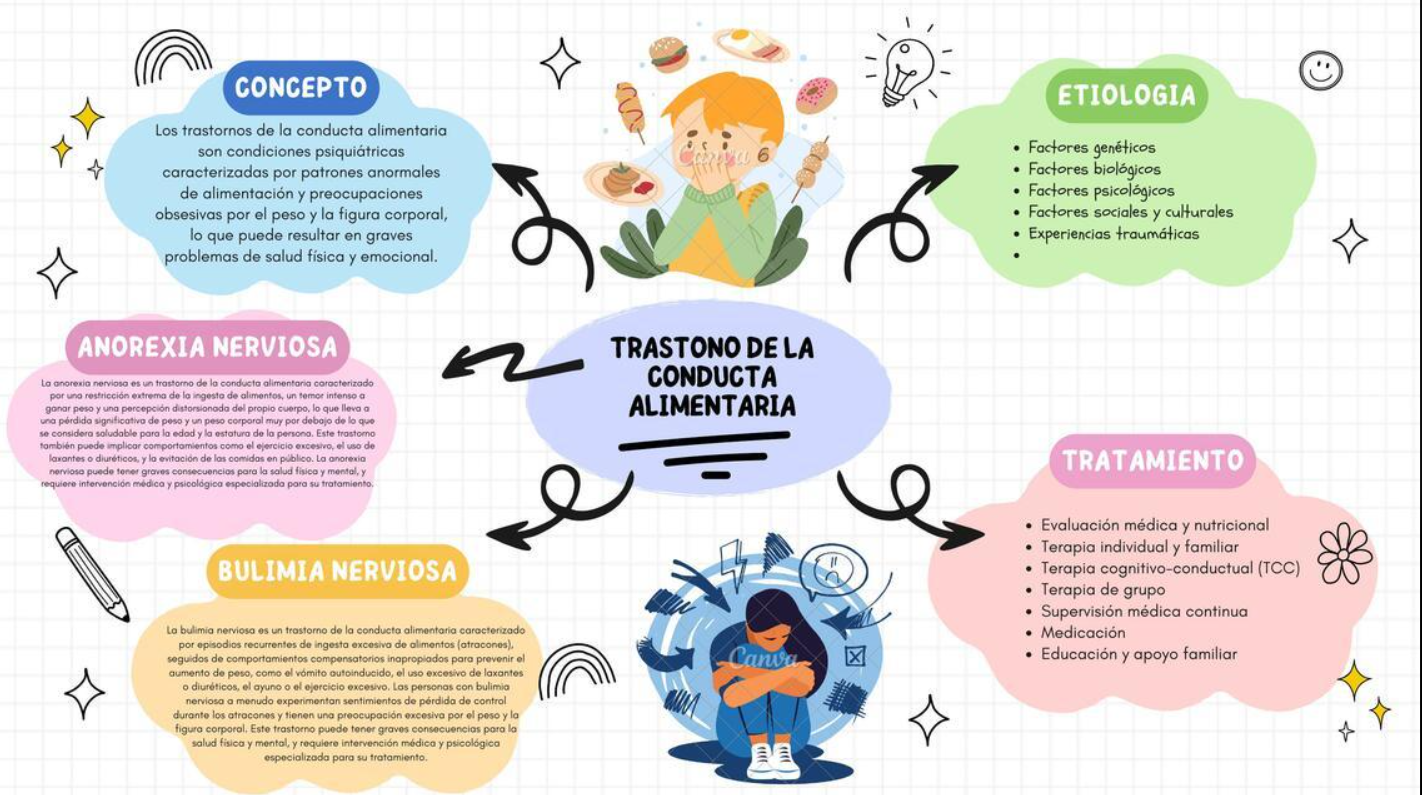
Eating disorders are serious mental-health conditions involving disturbed eating behaviours, unhealthy relationships with food, and difficulties associated with body image.
Anorexia nervosa and bulimia nervosa are two important eating disorders that can have long-term effects on physical and psychological well-being.
Anorexia nervosa involves severe restriction of food intake, intense fear of gaining weight, and disturbances in the perception of body weight or shape.
Bulimia nervosa involves repeated episodes of binge eating followed by compensatory behaviours, such as self-induced vomiting, excessive exercise, or misuse of laxatives.
A JAMA medical news report published on 20 November 2026 highlighted the continuing global burden of these conditions.Eating disorders can affect individuals across different age groups and backgrounds. They are not simply lifestyle choices or temporary concerns about physical appearance.
People with anorexia may experience severe weight loss, nutritional deficiencies, muscle weakness, hormonal disturbances, and weakened bones.
Bulimia can result in dehydration, electrolyte disturbances, digestive problems, and damage to the teeth and oesophagus. Serious electrolyte abnormalities can also affect normal heart rhythm.
Psychological effects may include depression, anxiety, social withdrawal, low self-esteem, and difficulty concentrating.
Early diagnosis is important because symptoms may initially remain hidden. Some affected individuals may maintain an apparently normal body weight despite experiencing significant medical complications.
Treatment generally involves a multidisciplinary team that may include psychiatrists, psychologists, physicians, and registered dietitians.
Depending on the severity of the condition, treatment can involve psychotherapy, nutritional rehabilitation, medical monitoring, and hospital-based care.
Family support can also be valuable, particularly when adolescents experience eating-related difficulties.
The report reinforces the importance of recognising eating disorders as medical conditions requiring appropriate care rather than judging individuals based on appearance.
✦ Clinical Takeaway
JAMA published a medical news report on 20 November 2026 highlighting the continuing global burden of anorexia nervosa and bulimia nervosa. These eating disorders can cause serious physical and psychological complications, including malnutrition, cardiovascular problems, depression, and social difficulties. The report highlights the importance of early identification and access to professional mental-health treatment.
PediatricsMedical News
Nov 24, 2026JAMA Publishes New Clinical Trial on Emergency Treatment for Severe Behavioural Disturbances in Children
By System Admin, MD, Healthcare & Clinical Journalism•4 min read

Children and adolescents may occasionally experience severe behavioural disturbances requiring urgent medical assessment. These episodes can occur in association with psychiatric conditions, neurological disorders, substance exposure, developmental difficulties, or other acute medical problems.
In emergency departments, healthcare professionals must manage such situations carefully while protecting the child, family members, and medical staff.
On 23 November 2026, JAMA published a randomised clinical trial titled Intramuscular Olanzapine or Droperidol for Acute Behavioural Disturbance in Children and Adolescents: The PEAChY-M Randomized Clinical Trial.
The research compares two injectable medicines used in emergency settings: olanzapine and droperidol. Both medicines act on the central nervous system and may be used by clinicians in selected circumstances to manage severe agitation.Acute agitation can involve extreme restlessness, aggressive behaviour, confusion, or an inability to cooperate with necessary medical assessment.
However, agitation should not automatically be classified as a psychiatric problem. Doctors must investigate possible underlying causes, including infections, metabolic disturbances, medication reactions, neurological conditions, and other medical emergencies.
Treatment decisions in children require particular caution because medication effects, appropriate dosages, and potential complications can differ from those in adults.
Clinical monitoring is important when injectable medicines are used. Healthcare teams may need to monitor consciousness, breathing, heart rhythm, and other vital signs depending on the medicine and the patient's condition.
The trial is important because evidence from adult emergency medicine cannot always be directly applied to younger patients.
Further examination of the findings can help clinicians understand the effectiveness and safety of available treatment approaches.
The publication highlights the need for specialised paediatric emergency protocols and appropriate mental-health support for children experiencing behavioural crises.
✦ Clinical Takeaway
JAMA published a randomised clinical trial on 23 November 2026 examining intramuscular olanzapine and droperidol for managing acute behavioural disturbances in children and adolescents attending emergency departments. The PEAChY-M trial investigates treatment approaches for situations requiring urgent medical intervention. The research highlights the importance of evidence-based paediatric emergency care.
Women's HealthMedical News
Nov 24, 2026ICMR SAMPADA Survey Reveals Anaemia Trends Among Indian Women and Children
By System Admin, MD, Healthcare & Clinical Journalism•4 min read

Anaemia is a medical condition in which the blood does not contain enough healthy red blood cells or haemoglobin to carry adequate oxygen to body tissues.
It remains a significant women's health concern because women of reproductive age, pregnant women, and adolescent girls can be particularly vulnerable to nutritional deficiencies.
Iron deficiency is an important contributor to anaemia. However, infections, inherited blood disorders, chronic inflammation, and other nutritional factors may also contribute.
On 23 November 2026, the Indian Council of Medical Research released findings from the Survey for Assessment of Markers of Population Health, Activity, Diet and Anthropometry, commonly known as SAMPADA.
The survey covered more than two lakh individuals from over 81,000 households across 183 districts in 35 States and Union Territories. More than 1.7 lakh blood samples were analysed for haemoglobin estimation.The findings indicated an overall reduction in anaemia prevalence compared with previous national surveys.
However, significant differences were observed between population groups. Anaemia prevalence was reported at 56% among women of reproductive age and 46% among adolescent girls aged 10–19 years.
Among children aged 12–59 months, the reported prevalence was 42%.
The survey also found that severe anaemia affected fewer than 2% of people in most age groups, while mild anaemia represented a substantial proportion of identified cases.
Iron deficiency accounted for approximately half of anaemia cases among women, adolescent girls, and children.
These findings demonstrate why anaemia prevention requires more than simply distributing iron supplements. Healthcare programmes must also identify other causes and provide appropriate treatment based on individual assessment.
Symptoms can include fatigue, weakness, dizziness, headaches, breathlessness, and reduced concentration. Some people may have no obvious symptoms during the early stages.
Women experiencing persistent fatigue or other symptoms should consider medical assessment and appropriate blood testing.
The survey provides valuable national evidence for improving Anaemia Mukt Bharat and developing targeted nutritional programmes.
✦ Clinical Takeaway
The Indian Council of Medical Research released findings from its SAMPADA survey on 23 November 2026, covering more than two lakh people across 183 districts in 35 States and Union Territories. The survey reported anaemia prevalence of 56% among women of reproductive age and 46% among adolescent girls. The findings provide important evidence for strengthening targeted nutritional interventions.
DiabetesMedical News
Nov 24, 2026Diet and Daily Walking Help 60.9% of Adults Achieve Type 2 Diabetes Remission in New Study
By System Admin, MD, Healthcare & Clinical Journalism•4 min read
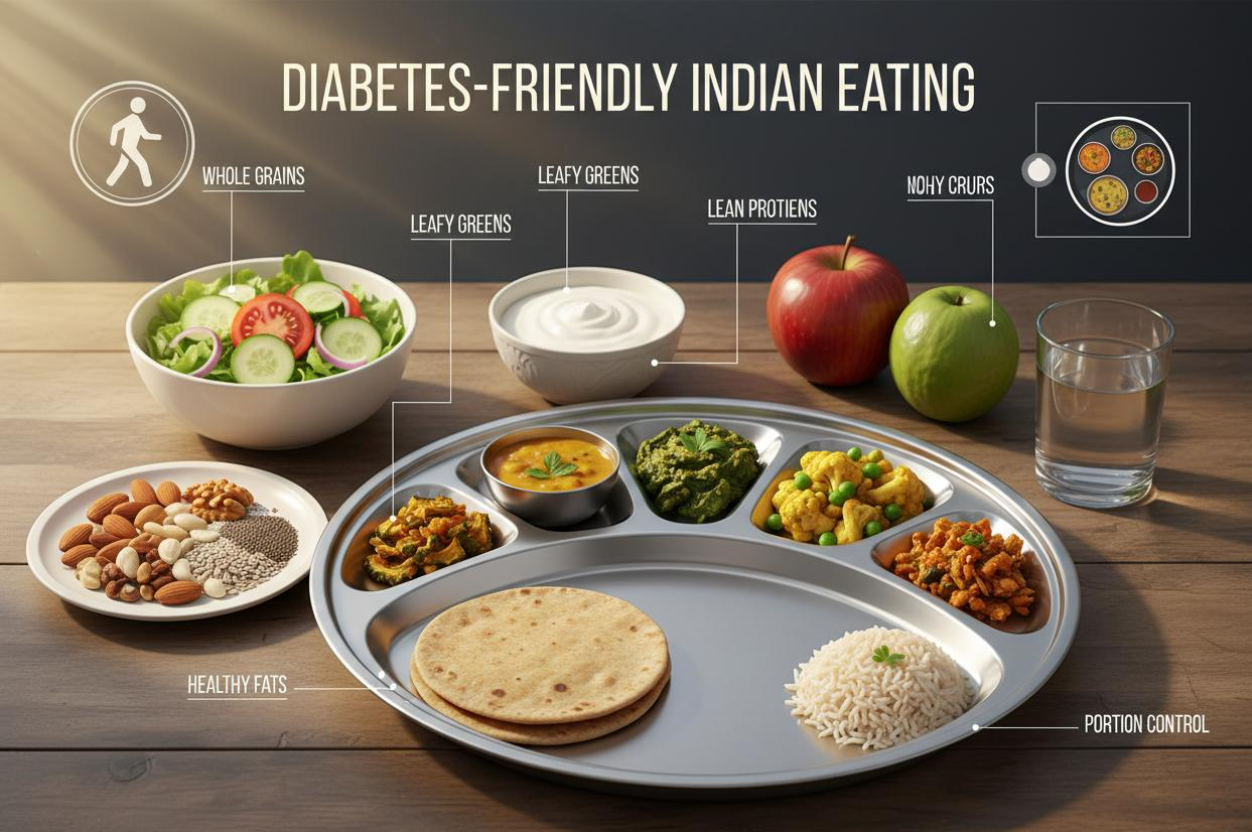
Type 2 diabetes is a chronic metabolic condition in which the body becomes resistant to insulin or does not produce enough insulin to maintain normal blood glucose levels.
The condition is a major public-health concern in India, where changing dietary habits, sedentary lifestyles, obesity, and other metabolic risk factors contribute to increasing diabetes prevalence.
A recent Indian study has highlighted the potential benefits of combining traditional dietary patterns with structured physical activity for people diagnosed with early Type 2 diabetes.
The study was conducted by researchers from Chellaram Diabetes Institute in Pune and Dr Kale's Diabetes and Psychiatry Clinic in Chhatrapati Sambhajinagar.
The research involved 87 adults whose diabetes duration was two years or less. Participants followed a Local Healthy Moderate Carbohydrate diet for six months, alongside a structured exercise programme.The dietary programme included familiar Indian foods such as multigrain chapatis, lentils, sprouts, green leafy vegetables, nuts, and fruits. Food portions and nutritional composition were carefully planned.
Participants were also advised to walk for approximately 40 minutes daily and perform 10 minutes of deep-breathing exercises.
At the end of six months, 53 participants achieved diabetes remission, representing 60.9% of the original group.
The average HbA1c level improved from 7.32% to 6.27%, while participants experienced an average weight reduction of approximately 4.67 kilograms.
The research also identified a relationship between exercise adherence and remission. Participants who followed the prescribed walking programme on at least 80% of days had higher adjusted odds of achieving remission.However, the study was relatively small and did not include a control group. Therefore, the results cannot establish that this particular programme alone caused the improvements.
Diabetes remission also does not mean a permanent cure. Patients still require regular blood glucose monitoring and medical follow-up.
Importantly, participants stopped glucose-lowering medication under close medical supervision as part of the research protocol. Patients should never discontinue prescribed diabetes medicines independently.
The findings suggest that culturally appropriate nutrition and consistent physical activity deserve further investigation as practical approaches to early diabetes management.
✦ Clinical Takeaway
A study conducted by Chellaram Diabetes Institute, Pune, and Dr Kale's Diabetes and Psychiatry Clinic, Chhatrapati Sambhajinagar, reported that 60.9% of adults with early Type 2 diabetes achieved remission following a six-month dietary and exercise intervention. The study involved 87 participants and was published in Diabetes & Metabolic Syndrome: Clinical Research & Reviews. The findings were reported on 23 November 2026.
CancerMedical News
Nov 24, 2026New Drug Combination Shrinks Pancreatic Cancer Tumours in Clinical Trial, Researchers Report
By System Admin, MD, Healthcare & Clinical Journalism•4 min read
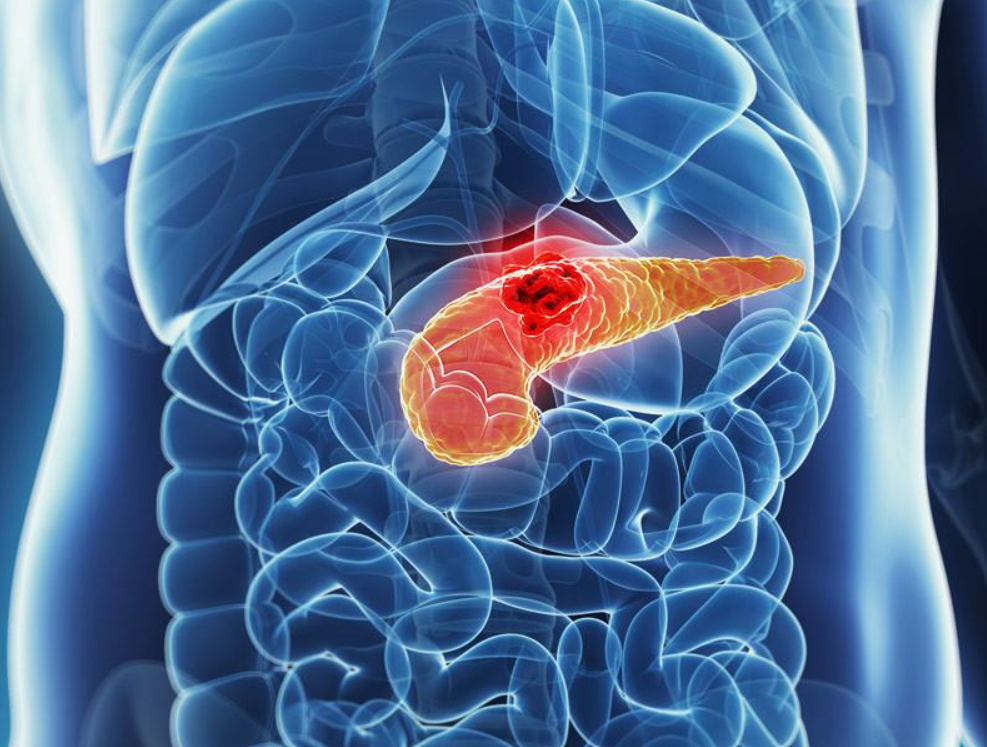
Pancreatic cancer is among the most challenging cancers to treat because it is frequently diagnosed after the disease has spread to other organs.
The pancreas is located behind the stomach and performs important functions in digestion and blood glucose regulation. Cancer develops when abnormal cells grow uncontrollably within pancreatic tissue.
A major challenge in treating advanced pancreatic cancer is the limited effectiveness of conventional treatments for some patients. Researchers are therefore investigating targeted medicines that can interfere with the molecular mechanisms responsible for cancer-cell growth.
A clinical trial reported by ThePrint on 23 November 2026 examined daraxonrasib in combination with two chemotherapy medicines: gemcitabine and nab-paclitaxel.
The Phase I/II trial involved 61 patients with metastatic pancreatic cancer who had not previously received treatment for metastatic disease. The results were presented at the 38th International Symposium on Molecular Targets and Cancer Therapeutics in Barcelona on 20 November.The findings showed that 90.2% of participants experienced disease control. This included patients whose tumours shrank, disappeared on imaging, or stopped growing.
Tumour shrinkage or disappearance was reported in 60.7% of participants. Five patients, representing 8.2%, experienced complete responses, with no detectable tumours on imaging scans.
Daraxonrasib targets RAS proteins, which play an important role in controlling cell growth, division, and survival. Abnormal RAS signalling is involved in several cancers, including pancreatic cancer.
The findings are encouraging, but they must be interpreted carefully. The study involved a relatively small number of patients and does not establish that the combination is a cure.
Further research is required to determine how long responses last, whether survival improves, and which patients benefit most.
The development represents an important area of cancer research and highlights the growing role of targeted therapies in treating difficult cancers.
✦ Clinical Takeaway
A Phase I/II clinical trial presented on 20 November and reported by ThePrint on 23 November 2026 found that a combination of daraxonrasib and chemotherapy controlled disease in 90.2% of 61 patients with metastatic pancreatic cancer. Tumours shrank or disappeared in 60.7% of participants, while five patients experienced complete responses on imaging. Researchers emphasise that larger trials and longer follow-up are necessary.
HeartMedical News
Nov 24, 2026JAMA Publishes New Clinical Review on Hypertrophic Cardiomyopathy and Its Treatment
By System Admin, MD, Healthcare & Clinical Journalism•4 min read
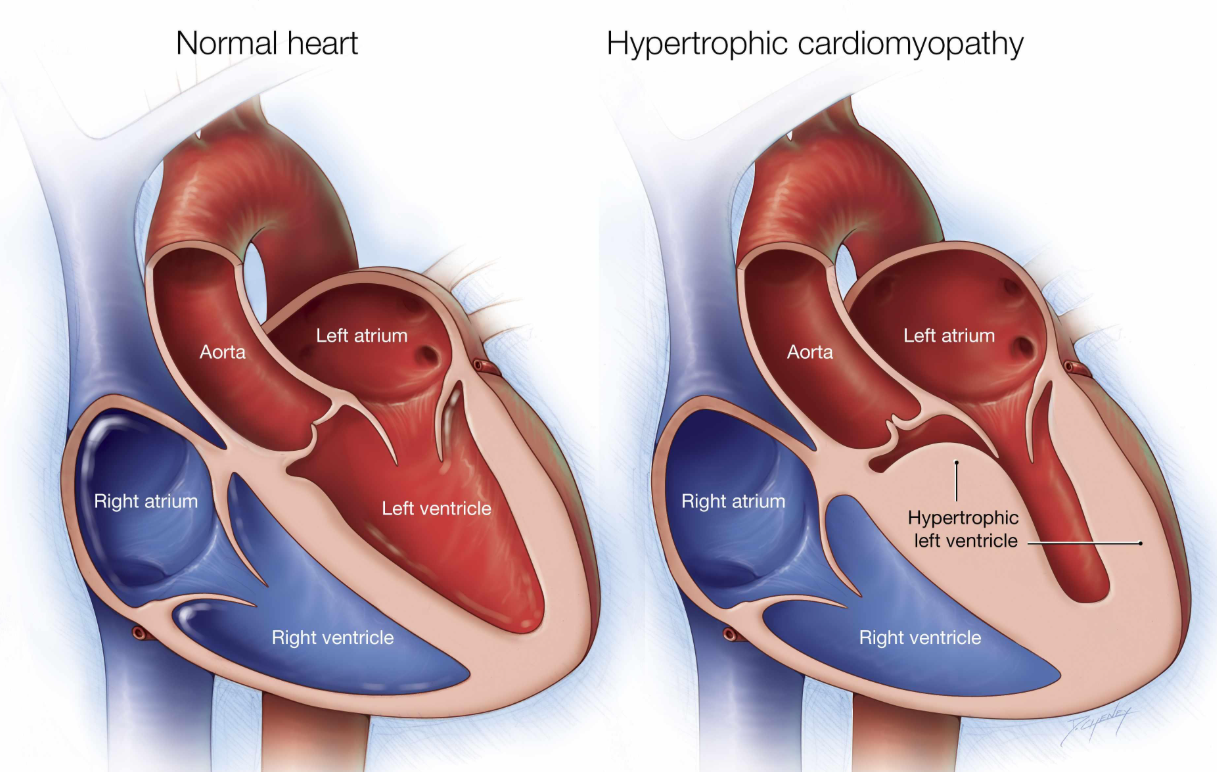
Hypertrophic cardiomyopathy (HCM) is a heart condition in which the heart muscle becomes abnormally thick. This thickening can make it harder for the heart to relax and fill with blood. In some patients, it can also obstruct the flow of blood leaving the heart.
The condition is frequently associated with inherited genetic changes affecting proteins involved in heart muscle contraction. It can affect people of different ages, including individuals who may not initially experience noticeable symptoms.
On 23 November 2026, JAMA published a clinical review examining the epidemiology, underlying mechanisms, clinical presentation, diagnosis, and treatment of hypertrophic cardiomyopathy.Symptoms can include chest discomfort, breathlessness, dizziness, palpitations, and fainting, particularly during physical activity. However, some individuals remain asymptomatic and discover the condition during routine examinations or family screening.
Diagnosis generally involves an electrocardiogram, echocardiography, cardiac MRI, and assessment of family history. Genetic testing may also be considered in selected patients.
Treatment depends on the severity of the condition and the presence of complications. Options may include medication to improve symptoms, specialised procedures to reduce obstruction, and implantable cardioverter-defibrillators for selected patients at increased risk of dangerous heart rhythms.
Family screening is particularly important because HCM can run in families. When a person is diagnosed, close relatives may benefit from appropriate cardiac evaluation.
The publication highlights the importance of distinguishing HCM from other causes of thickened heart muscle, including hypertension and certain metabolic conditions.
Early identification and specialist follow-up can help patients understand their individual risks and receive appropriate treatment.
✦ Clinical Takeaway
JAMA published a comprehensive clinical review of hypertrophic cardiomyopathy on 23 November 2026. The review examines the causes, symptoms, diagnosis, and treatment of this inherited heart condition, which causes abnormal thickening of the heart muscle. The publication highlights the importance of early diagnosis, family assessment, and appropriate specialist management.
General HealthMedical News
Nov 23, 2026FSSAI Suspends Licences of Five Nutraceutical Manufacturers Following Serious Safety Violations
By System Admin, MD, Healthcare & Clinical Journalism•4 min read

Nutraceuticals and health supplements have become increasingly popular among consumers seeking to improve nutrition, support general well-being, and address perceived nutritional deficiencies.
These products include vitamins, minerals, herbal preparations, protein supplements, and other products marketed for specific nutritional or health-related purposes.
However, their growing popularity also makes product safety and manufacturing quality important public-health concerns.
On 23 November 2026, the Food Safety and Standards Authority of India announced the suspension of licences belonging to five nutraceutical and health product manufacturers.
According to the IANS report, the action followed inspections that identified serious food safety, hygiene, and regulatory violations.Manufacturing standards are important because unsafe production conditions can result in contamination, incorrect ingredient concentrations, and inconsistent product quality.
For example, a supplement containing significantly more or less of an ingredient than declared on its label may expose consumers to health risks.
Poor hygiene during production can also introduce microbial contamination. Depending on the product and contaminant, this may cause gastrointestinal illness or other complications.
Another important concern involves misleading marketing claims. Some health supplements are promoted with claims suggesting that they can cure diseases, rapidly improve immunity, or replace prescription medicines.
Consumers should understand that nutritional supplements are not substitutes for medically approved treatment.
People with chronic conditions, pregnant women, older adults, and individuals taking prescription medicines should be especially careful when choosing supplements because ingredients may interact with existing treatments.
The suspension of manufacturers' licences demonstrates the importance of regulatory inspections and enforcement in maintaining public confidence in the health product industry.
Consumers should check product labels, manufacturer details, applicable licences, batch information, and ingredient lists before purchasing supplements.
They should also consult qualified healthcare professionals when they are unsure whether a particular product is appropriate.
The development highlights the need for stronger quality control, transparent manufacturing practices, and responsible marketing throughout India's nutraceutical industry.
✦ Clinical Takeaway
The Food Safety and Standards Authority of India suspended the licences of five nutraceutical and health product manufacturers on 23 November 2026 after identifying serious food safety, hygiene, and regulatory violations during inspections. The action highlights the importance of manufacturing standards, product testing, and regulatory monitoring to protect consumers from potentially unsafe health products.
OrthopedicsMedical News
Nov 23, 2026Long Working Hours and Repetitive Movements May Increase Joint Problems, Orthopedic Experts Warn
By System Admin, MD, Healthcare & Clinical Journalism•4 min read

Musculoskeletal problems are increasingly important occupational health concerns, particularly among people who spend long hours working at desks, standing in one position, or performing repetitive physical tasks.
Joints connect bones and allow the body to move. Healthy joints depend on surrounding muscles, tendons, ligaments, cartilage, and other structures working together.
A report published by The Week on 22 November 2026 discusses how workplace habits such as prolonged sitting, standing, and repetitive movements can place stress on joints.Office employees may experience stiffness in the neck, shoulders, wrists, hips, and lower back. People working in manufacturing, healthcare, retail, and other physically demanding occupations may experience discomfort associated with repeated movements or prolonged standing.
Osteoarthritis is another important condition affecting joint health. It develops when the protective cartilage within a joint gradually deteriorates, leading to pain, stiffness, and reduced movement.
Symptoms may initially appear during physical activity and improve with rest. As the condition progresses, discomfort can interfere with walking, climbing stairs, lifting objects, and other daily activities.
Workplace-related discomfort should not automatically be assumed to be arthritis. Other conditions, including tendon injuries, inflammatory joint diseases, and nerve-related problems, can produce similar symptoms.
Preventive measures include appropriate workstation arrangements, regular movement breaks, maintaining healthy body weight, and strengthening muscles that support joints.
People with persistent swelling, significant pain, restricted movement, or worsening symptoms should seek medical assessment.
Early diagnosis can help identify the underlying condition and guide treatment. Depending on the diagnosis, management may include physiotherapy, exercise modification, medication, or specialist treatment.
The report reinforces the importance of protecting joint health through better workplace habits and early attention to musculoskeletal symptoms.
✦ Clinical Takeaway
A health report published by The Week on 22 November 2026 highlights the effects of workplace habits on joint health. Prolonged sitting, standing, and repetitive movements may contribute to stiffness, swelling, and pain. Experts emphasise the importance of early attention to symptoms, appropriate movement breaks, ergonomic adjustments, and timely medical evaluation.
NeurologyMedical News
Nov 23, 2026Hospital Delirium Linked to Long-Term Cognitive Decline, Medical Research Highlights
By System Admin, MD, Healthcare & Clinical Journalism•4 min read
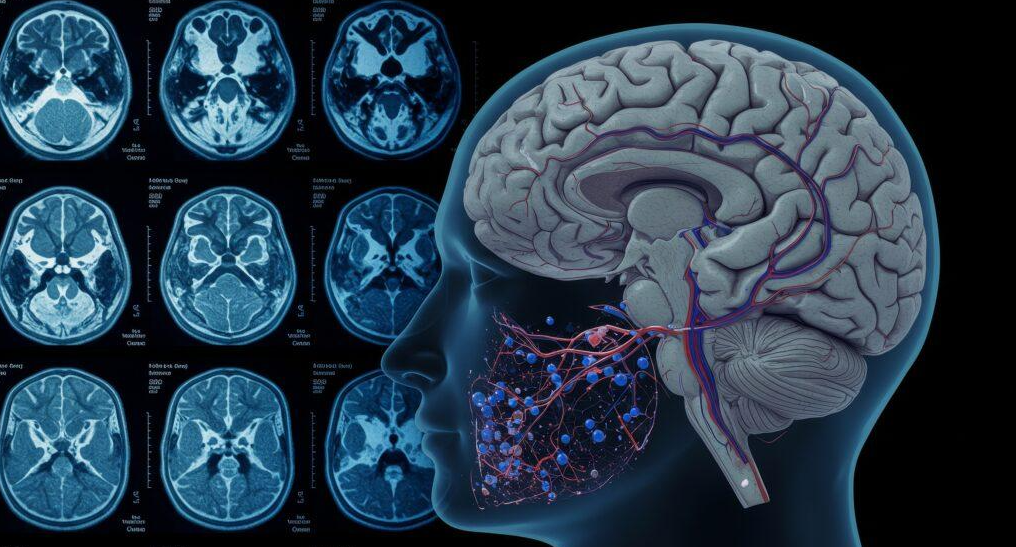
Delirium is a medical condition characterised by a sudden change in attention, awareness, and thinking. It can develop over hours or days and may fluctuate throughout the day.
Unlike slowly progressing neurological conditions, delirium often appears suddenly. A previously alert patient may become confused, disoriented, restless, unusually sleepy, or unable to concentrate.
Older adults are particularly vulnerable, especially when they are admitted to hospitals with infections, dehydration, surgery-related complications, or other serious illnesses.
A JAMA medical news report published on 20 November 2026 highlighted research examining the relationship between delirium during hospitalisation and long-term cognitive decline.Delirium can affect several aspects of brain function, including attention, memory, perception, and the ability to understand surroundings.
Possible contributing factors include infections, medication effects, electrolyte imbalances, lack of sleep, pain, dehydration, and metabolic disturbances.
The relationship between delirium and long-term cognitive decline is an important area of neurological research. However, an association does not automatically prove that delirium directly causes permanent brain damage in every patient.
Some patients recover fully, while others experience persistent cognitive difficulties. Pre-existing dementia, overall health, severity of illness, and the underlying cause of delirium can influence recovery.
Hospital teams can help reduce the risk through early identification of contributing conditions, appropriate medication review, adequate hydration, sleep support, mobility, and orientation measures.
Family members can also help by communicating changes in a patient's normal behaviour and mental state.
Sudden confusion should never be dismissed as a normal part of ageing. It requires prompt medical assessment because some underlying causes are treatable and potentially serious.
✦ Clinical Takeaway
A JAMA medical news report published on 20 November 2026 highlights research into the relationship between delirium during hospitalisation and long-term cognitive decline. Delirium is an acute disturbance in attention and awareness that can develop during serious illness or hospital treatment, particularly among older adults. The findings reinforce the importance of early recognition and appropriate hospital care.
AyurvedaMedical News
Nov 23, 2026India's New Metabolic Research Facility Opens Opportunities for Integrative Nutrition and Preventive Healthcare
By System Admin, MD, Healthcare & Clinical Journalism•4 min read

Preventive healthcare is becoming increasingly important as metabolic disorders such as diabetes and obesity affect growing numbers of people.
Metabolism refers to the processes through which the body converts food into energy and uses nutrients to support essential functions.
Understanding these processes can help researchers investigate why individuals respond differently to food, physical activity, and medical treatments.
On 23 November 2026, Union Health Secretary Punya Salila Srivastava inaugurated India's first dedicated Human Metabolic Chamber Facility at Christian Medical College, Vellore.
The facility was established through a collaboration between Tata Institute of Fundamental Research and CMC Vellore. Its purpose is to strengthen research into human metabolism, nutrition, diabetes, obesity, and other metabolic conditions.Human metabolic chambers allow researchers to study energy expenditure and related metabolic processes under controlled conditions.
Such research may help improve understanding of how the body uses carbohydrates, fats, and proteins and how different lifestyle factors influence metabolic health.
The announcement also highlighted the importance of preventive healthcare and healthier daily habits. According to the Ministry of Health release, more than 7.8 crore yoga sessions had been conducted at Ayushman Arogya Mandirs to promote healthier lifestyles and preventive healthcare.
Press Information Bureau
The development is relevant to Ayurveda because traditional Indian healthcare systems also place emphasis on dietary practices, physical activity, and daily routines.
However, the new facility is a modern metabolic research centre, not an Ayurvedic treatment facility. Its findings should be evaluated through scientific research rather than automatically attributed to traditional medicine.
The collaboration could strengthen India-specific research and help develop better preventive approaches for metabolic disorders.
✦ Clinical Takeaway
India's first dedicated Human Metabolic Chamber Facility was inaugurated at Christian Medical College, Vellore, on 23 November 2026. Established jointly by Tata Institute of Fundamental Research and CMC Vellore, the facility will support research into human metabolism, nutrition, diabetes, and obesity. The announcement also highlighted preventive healthcare and healthier lifestyle practices.
NutritionMedical News
Nov 23, 2026FSSAI Flags Safety Concerns in Bisleri Drinking Water, Initiates Action Over Regulatory Violations
By System Admin, MD, Healthcare & Clinical Journalism•4 min read

Safe drinking water is essential for maintaining human health. Contaminated water can expose people to harmful microorganisms, chemicals, and other substances that may cause short-term illnesses or long-term health complications.
Packaged drinking water is commonly used by households, offices, educational institutions, hospitals, and travellers. Consumers generally expect these products to meet established quality and safety standards.
A report published by The Week on 23 November 2026 highlighted regulatory action involving Bisleri International. According to the report, FSSAI flagged the company's packaged drinking water as unsafe and initiated prosecution over violations.FSSAI is responsible for regulating food safety standards in India. Its responsibilities include monitoring food products, inspecting manufacturing facilities, and taking action when companies fail to comply with applicable regulations.
Drinking-water safety involves several important factors. These include microbiological quality, chemical composition, purification processes, hygienic packaging, and appropriate storage.
Contaminated drinking water can cause illnesses such as diarrhoea, gastroenteritis, and other infections. Depending on the contaminant and level of exposure, chemical contamination can also create serious health concerns.
Consumers should purchase packaged water from reliable sources and check the product's seal, labelling, batch information, and expiry or best-before details where applicable.
However, a regulatory finding concerning a particular product or batch should not automatically be interpreted as proof that every product from the manufacturer is unsafe.
Consumers should follow official advisories and avoid relying on unverified social media claims.
The incident reinforces the importance of independent laboratory testing, regular inspections, transparent product information, and effective enforcement of food safety regulations.
✦ Clinical Takeaway
A report published by The Week on 23 November 2026 states that the Food Safety and Standards Authority of India (FSSAI) flagged Bisleri International's packaged drinking water as unsafe and initiated prosecution over regulatory violations. The development highlights the importance of food safety inspections, product quality monitoring, and compliance with drinking-water standards.
FitnessMedical News
Nov 23, 2026Physiotherapist Warns That Intense Workouts After Long Hours of Sitting May Increase Injury Risk
By System Admin, MD, Healthcare & Clinical Journalism•4 min read

Modern working patterns often involve long hours of sitting in front of computers. Employees may spend most of the day with limited movement and then attempt demanding exercise sessions in the evening or during weekends.
Although physical activity is important for maintaining health, sudden increases in exercise intensity can place unnecessary stress on muscles, tendons, ligaments, and joints.
A report updated on 22 November 2026 discusses a physiotherapist's warning about injury risks when people suddenly perform intense workouts after spending an entire week at a desk.Prolonged sitting can contribute to reduced movement, muscle stiffness, and discomfort, particularly around the neck, shoulders, hips, and lower back.
When an individual moves directly from prolonged inactivity to high-intensity exercise, the body may not be adequately prepared for the physical demands.
Potential problems include muscle strains, tendon irritation, joint pain, and lower-back injuries.
A gradual exercise programme can help reduce these risks. Beginners should start with manageable activities and increase duration and intensity over time.
Warm-up exercises prepare the body for more demanding movements by gradually increasing circulation and muscle activity. Cool-down activities and recovery periods can also help support an appropriate training routine.
People who spend extended periods sitting can benefit from regular movement breaks during the working day. Walking, gentle stretching, and mobility exercises may help reduce prolonged inactivity.
Strength training should also be balanced with adequate recovery. Repeatedly training the same muscle groups without sufficient rest may increase the risk of overuse injuries.
People experiencing persistent pain, swelling, or restricted movement should seek assessment from an appropriate healthcare professional.
The key message is that fitness improvements should be gradual and consistent. Regular movement is more sustainable than occasional extreme workouts.
✦ Clinical Takeaway
A health report published on 22 November 2026 highlights the risks associated with suddenly performing intense exercise after spending extended periods sitting at a desk. Physiotherapists emphasise the importance of gradual conditioning, warm-ups, mobility exercises, and recovery to reduce the likelihood of exercise-related injuries.
Mental HealthMedical News
Nov 23, 2026Global Burden of Eating Disorders Continues to Rise, New Medical Report Highlights
By System Admin, MD, Healthcare & Clinical Journalism•4 min read

Eating disorders are serious mental health conditions that affect a person's relationship with food, body image, eating behaviour, and physical well-being.
Anorexia nervosa and bulimia nervosa are two important eating disorders that can lead to significant medical complications if they remain untreated.
Anorexia nervosa is characterised by restrictive eating, intense fear of weight gain, and disturbances in how individuals perceive their body weight or shape. People experiencing the condition may severely restrict food intake, resulting in malnutrition and dangerous weight loss.
Bulimia nervosa involves recurring episodes of binge eating followed by compensatory behaviours such as self-induced vomiting, misuse of laxatives, or excessive exercise.
These conditions can affect people of different ages, genders, and backgrounds. They are not simply lifestyle choices or temporary concerns about appearance.
The JAMA medical news report published on 20 November 2026 highlights the continuing global burden associated with anorexia and bulimia.
Eating disorders can affect multiple body systems. Malnutrition may cause weakness, low blood pressure, hormonal disturbances, bone-density loss, and cardiovascular complications.
Repeated vomiting can disturb electrolyte balance and damage the digestive system. Severe electrolyte abnormalities may lead to dangerous heart rhythm problems.
Psychological consequences can include depression, anxiety, social withdrawal, and difficulties with concentration.
Treatment generally requires a coordinated approach involving medical professionals, mental health specialists, and registered dietitians. Depending on the condition and severity, treatment may include psychotherapy, nutritional rehabilitation, medical monitoring, and hospital care.
Family involvement can also be valuable, especially when treating adolescents.
The report highlights the importance of recognising eating disorders as genuine medical conditions rather than judging people based on appearance or body weight.
✦ Clinical Takeaway
A medical news report published by JAMA on 20 November 2026 highlighted the continuing global burden of anorexia nervosa and bulimia nervosa. Eating disorders can affect physical health, mental well-being, nutrition, and everyday functioning. The report reinforces the need for early identification and comprehensive treatment involving mental health and medical professionals.
PediatricsMedical News
Nov 23, 2026Bangladesh Measles Outbreak Raises Serious Concerns After More Child Deaths Reported
By System Admin, MD, Healthcare & Clinical Journalism•4 min read

Measles is a highly contagious viral disease that primarily affects children but can also infect adults who do not have adequate immunity.
The infection spreads through respiratory particles when an infected person coughs or sneezes. The virus can remain infectious in the air and on contaminated surfaces for a period of time, making transmission particularly easy in crowded environments.
An IANS report published on 22 November 2026 highlighted the continuing measles situation in Bangladesh. Nine additional deaths associated with measles-like symptoms were reported within 24 hours, taking the combined confirmed and suspected death toll during 2026 to 1,352.
Measles commonly begins with fever, cough, a runny nose, and red or watery eyes. A characteristic rash generally appears after the initial symptoms and spreads across the body.
Although some children recover without major complications, measles can cause serious medical problems. These include pneumonia, severe diarrhoea, dehydration, ear infections, and inflammation of the brain.
Young children, malnourished children, and people with weakened immune systems are particularly vulnerable to severe disease.
Vaccination is the most effective preventive measure. The measles-containing vaccine is included in routine childhood immunisation programmes in many countries.
Maintaining high vaccination coverage helps protect individual children and reduces the likelihood of outbreaks spreading through communities.
Parents should seek medical attention when children develop persistent high fever, breathing difficulties, unusual drowsiness, dehydration, or other concerning symptoms.
The Bangladesh outbreak reinforces the importance of timely childhood immunisation, reliable disease reporting, and accessible medical treatment.
✦ Clinical Takeaway
An outbreak of measles in Bangladesh has raised concerns after nine additional deaths were reported on 22 November 2026. According to an IANS report, the combined confirmed and suspected measles-related death toll in 2026 had reached 1,352. The situation highlights the vulnerability of children to preventable infectious diseases and the importance of vaccination coverage.
Women's HealthMedical News
Nov 23, 2026India Crosses One Crore HPV Vaccine Doses, Strengthening Cervical Cancer Prevention Among Girls
By System Admin, MD, Healthcare & Clinical Journalism•4 min read

Human papillomavirus (HPV) is a group of viruses that can infect the skin and mucous membranes. Some high-risk HPV types can cause cervical cancer and other cancers affecting different parts of the body.
Cervical cancer remains an important women's health concern, particularly in countries where access to screening and preventive healthcare is limited.
India's HPV vaccination achievement is an important development in its efforts to reduce the future burden of cervical cancer.
On 23 November 2026, Prime Minister Narendra Modi praised the administration of more than one crore HPV vaccine doses in India. The report stated that the programme had covered nearly 87% of the annual cohort of eligible girls.
HPV vaccines help the immune system develop protection against specific virus types responsible for a significant proportion of cervical cancer cases.
Vaccination is most effective when administered before exposure to HPV. This is why national immunisation programmes generally focus on adolescent girls.
However, vaccination does not eliminate the need for cervical cancer screening later in life. Screening remains important because currently available vaccines do not protect against every HPV type capable of causing cervical cancer.
Persistent HPV infections can cause abnormal changes in cervical cells. Without appropriate monitoring and treatment, some of these changes may progress to cancer over several years.
Regular screening, vaccination, awareness of symptoms, and timely medical consultation are important components of prevention.
The Indian vaccination milestone highlights the importance of public-health programmes in protecting future generations. Healthcare workers, parents, schools, and communities all have an important role in improving awareness and vaccination coverage.
✦ Clinical Takeaway
Prime Minister Narendra Modi praised India's achievement of administering more than one crore doses of the HPV vaccine on 23 November 2026. According to an IANS report, the programme has covered nearly 87% of the annual cohort of eligible girls. HPV vaccination is an important preventive measure against infections that can cause cervical cancer.
DiabetesMedical News
Nov 23, 2026Should People With Diabetes Avoid Fruits? Endocrinologist Explains How to Eat Them Safely
By System Admin, MD, Healthcare & Clinical Journalism•4 min read

People living with diabetes frequently receive conflicting advice about food choices, particularly regarding fruits. One common misconception is that all fruits should be avoided because they contain natural sugars.
However, fruits also contain fibre, vitamins, minerals, and other beneficial nutrients. Completely eliminating whole fruits without medical or nutritional justification can unnecessarily restrict dietary variety.
A report updated on 23 November 2026 discusses an endocrinologist's explanation of fruit consumption and blood glucose management.
The effect of fruit on blood sugar depends on several factors, including the type of fruit, portion size, ripeness, preparation method, and the individual's response to carbohydrates.
Whole fruits generally contain more fibre than fruit juices. Fibre can slow digestion and influence how quickly glucose enters the bloodstream.
People with diabetes may therefore benefit from choosing whole fruits in appropriate portions rather than regularly consuming large quantities of fruit juice or sweetened fruit drinks.
Examples of commonly available fruits include apples, guava, oranges, berries, and papaya. However, no single fruit is universally suitable in unlimited quantities.
Meal planning should also consider the total carbohydrate content of the diet. Eating a large quantity of fruit alongside other carbohydrate-rich foods may produce a greater glucose response.
People using insulin or glucose-lowering medicines may need individualised nutritional guidance to avoid unexpected blood sugar fluctuations.
Regular blood glucose monitoring can help individuals understand how particular foods affect their glucose levels. Dietitians and endocrinologists can provide advice based on medication, activity levels, kidney health, and other medical conditions.
The main message is that diabetes management is not about eliminating every naturally sweet food. It is about understanding portions, maintaining dietary balance, and choosing foods that support stable blood glucose levels.
✦ Clinical Takeaway
A health report updated on 23 November 2026 highlights an endocrinologist's explanation of fruit consumption for people with diabetes. The report discusses how portion sizes, fruit types, fibre content, and eating patterns can influence blood glucose responses. It reinforces that people with diabetes do not generally need to eliminate all whole fruits from their diets.
CancerMedical News
Nov 23, 2026Yellow Eyes and Unexplained Weight Loss May Signal Pancreatic Cancer, Doctors Warn
By System Admin, MD, Healthcare & Clinical Journalism•4 min read
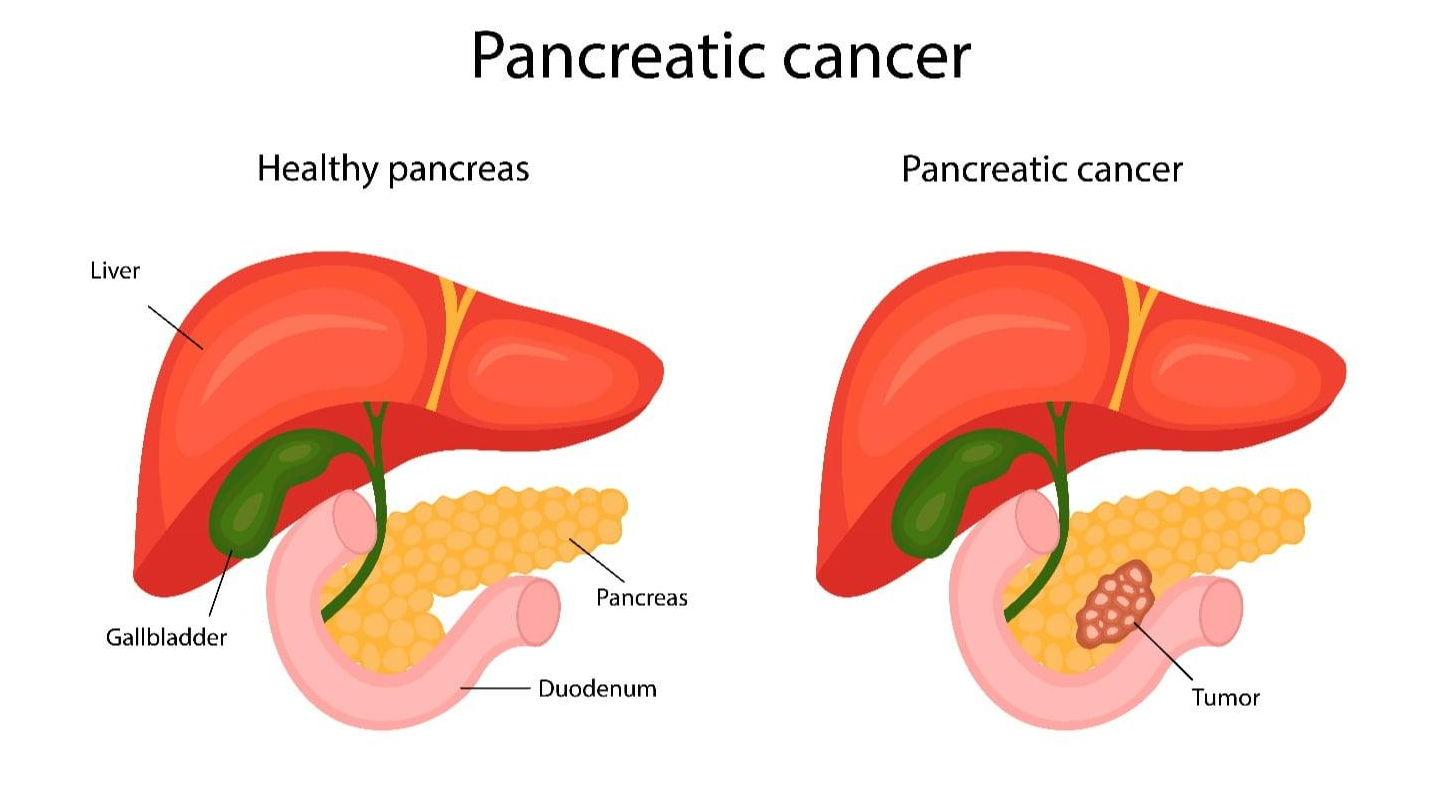
Pancreatic cancer is a serious disease that develops when abnormal cells grow uncontrollably in the pancreas, an organ located behind the stomach. The pancreas plays an important role in digestion and blood glucose regulation.
One of the difficulties associated with pancreatic cancer is that early symptoms may be vague or resemble common digestive problems. Some patients may not experience noticeable symptoms until the disease has progressed.
A report published by Hindustan Times on 23 November 2026 draws attention to warning signs such as jaundice and unexplained weight loss.
Jaundice occurs when bilirubin accumulates in the body. It can cause yellowing of the skin and eyes, dark urine, and pale stools. A tumour in the head of the pancreas may obstruct the bile duct, resulting in these symptoms.
Unexplained weight loss is another concerning sign. Some patients may also experience reduced appetite, abdominal discomfort, back pain, nausea, and digestive difficulties.
Pancreatic cancer can also affect blood glucose regulation. In some individuals, newly developed diabetes or an unexpected worsening of existing diabetes may require further investigation, particularly when accompanied by other concerning symptoms.
Diagnosis may involve blood investigations, imaging examinations such as CT or MRI, and other specialist procedures. Treatment depends on the stage of the disease and may include surgery, chemotherapy, radiation therapy, or combinations of treatments.
It is important to understand that yellow eyes and weight loss do not automatically mean someone has pancreatic cancer. Several other medical conditions can produce similar symptoms.
However, persistent jaundice, unexplained weight loss, or ongoing abdominal symptoms should never be ignored. Early medical assessment is important for identifying the underlying cause and determining appropriate treatment.
✦ Clinical Takeaway
Medical experts highlight symptoms that should not be ignored because pancreatic cancer can remain difficult to identify during its early stages.
HeartMedical News
Nov 23, 2026JIPMER Opens Advanced Cardiac Catheterisation Laboratory Complex in Major Healthcare Infrastructure Expansion
By System Admin, MD, Healthcare & Clinical Journalism•4 min read

Access to specialised cardiac treatment is an important component of India's healthcare infrastructure, particularly for patients who require advanced diagnostic procedures and emergency cardiovascular interventions.
On 23 November 2026, Union Health Minister J. P. Nadda inaugurated new healthcare facilities worth ₹172.27 crore at the Jawaharlal Institute of Postgraduate Medical Education and Research (JIPMER).
One of the major developments was the inauguration of an advanced Cardiac Catheterisation Laboratory Complex, established with corporate social responsibility support from ICICI Foundation at an investment of ₹60 crore.
Cardiac catheterisation is a medical procedure used to examine the heart and its blood vessels. Doctors insert a thin, flexible tube called a catheter into a blood vessel and guide it towards the heart. The procedure can help assess blood circulation, identify blockages, and support certain treatments.
One important application is coronary angiography, which allows doctors to examine the arteries supplying blood to the heart. Depending on the findings, patients may require further procedures such as angioplasty.
Coronary artery disease develops when fatty deposits accumulate inside the arteries, restricting blood supply to the heart muscle. If a coronary artery becomes severely blocked, it can lead to a heart attack.
Advanced catheterisation facilities can support timely diagnosis and treatment, although access to a facility does not guarantee a particular clinical outcome. Patient assessment, specialist availability, equipment quality, and emergency response systems remain essential.
The development at JIPMER is particularly relevant to patients in Puducherry and neighbouring regions who require specialised cardiac services.
The inauguration also highlights the importance of investment in public healthcare infrastructure and collaboration between government institutions and private-sector partners.
✦ Clinical Takeaway
Union Health Minister J. P. Nadda inaugurated new healthcare facilities worth ₹172.27 crore at JIPMER on 23 November 2026. A major component is an advanced Cardiac Catheterisation Laboratory Complex developed with ₹60 crore in CSR support from ICICI Foundation. The facility is expected to strengthen cardiac diagnostic and interventional services for patients requiring specialised heart care.
General HealthMedical News
Nov 21, 2026CDC Introduces New Ebola-Related Air Travel Regulations
By System Admin, MD, Healthcare & Clinical Journalism•4 min read

Ebola virus disease is a severe infectious illness that can cause fever, weakness, vomiting, diarrhoea, internal and external bleeding, and organ complications.
The infection spreads through direct contact with the blood or body fluids of an infected person or through contaminated materials. It does not typically spread through casual contact or ordinary airborne transmission.
Because Ebola can cause severe illness and has the potential to spread across borders through travel, public-health agencies use surveillance and infection-prevention measures to reduce transmission risks.
The US Centers for Disease Control and Prevention introduced new Ebola-related air-travel regulations, which were highlighted in a JAMA report published on 20 November.
Air travel is an important consideration during infectious-disease outbreaks because infected individuals may travel before symptoms are recognised.
Travel-related public-health measures can help authorities identify potential exposure, communicate health instructions and coordinate appropriate follow-up.
The regulatory update reflects the continuing importance of preparedness and international cooperation in responding to serious infectious diseases.
However, the exact requirements and their applicability depend on the official regulatory text and the public-health situation. Travellers should follow current instructions issued by the relevant health and aviation authorities.
The development also highlights why disease surveillance, transparent communication and early reporting of suspected infections remain essential components of outbreak control.
✦ Clinical Takeaway
The US Centers for Disease Control and Prevention introduced new Ebola-related air-travel regulations, according to a JAMA report published on 20 November. The measures are intended to strengthen public-health safeguards involving air travel and the risk of international disease transmission.
NeurologyMedical News
Nov 21, 2026Delirium During Hospitalisation Associated With Higher Long-Term Risk of Cognitive Decline
By System Admin, MD, Healthcare & Clinical Journalism•4 min read

Delirium is an acute disturbance in attention, awareness and thinking that can develop over a short period, particularly during hospitalisation.
Patients experiencing delirium may become confused, disoriented or unusually drowsy. Some may also experience agitation, changes in behaviour or difficulty recognising familiar people and surroundings.
Delirium is common among older adults and people who are seriously ill. It may be triggered by infections, surgery, medication effects, dehydration, metabolic disturbances or other acute medical problems.
Although delirium is often treated as a temporary complication, researchers are increasingly investigating whether it may also indicate a greater risk of long-term cognitive problems.
A cohort study discussed in a JAMA report published on 20 November analysed approximately 3,500 adults who had experienced at least one hospitalisation and had no dementia diagnosis before enrolment.
During a median follow-up period of approximately seven years, 75 participants experienced delirium within 30 days of hospitalisation.
Among those who experienced delirium, 64% later developed mild cognitive impairment and 24% developed dementia.
The corresponding proportions among participants without delirium were approximately 30% and 6%.
After adjusting for factors such as age, sex, education and genetic characteristics, researchers found that delirium was associated with nearly four times the risk of cognitive impairment and five times the risk of dementia.
These findings suggest that delirium may be an important clinical warning sign for future cognitive difficulties.
The study does not prove that delirium directly causes dementia. However, it supports the importance of early recognition, treatment of underlying causes and follow-up assessment after hospital discharge.
Preventive measures may include reviewing medications, maintaining hydration, supporting sleep, encouraging safe mobility and helping patients remain oriented to their surroundings.
✦ Clinical Takeaway
A JAMA report published on 20 November highlighted a cohort study involving approximately 3,500 adults. Hospital delirium was associated with nearly four times the risk of mild cognitive impairment and five times the risk of dementia during follow-up.
NutritionMedical News
Nov 21, 2026Clinical Trial Reports Greater Liver-Fat Reduction With a Ketogenic Diet Than With Two Other Diet Patterns
By System Admin, MD, Healthcare & Clinical Journalism•4 min read

Fatty liver disease is a condition in which excess fat accumulates in liver cells. It is commonly associated with obesity, insulin resistance, type 2 diabetes and other metabolic abnormalities.
Lifestyle changes, including dietary modification and weight management, are important components of managing metabolic dysfunction-associated steatotic liver disease.
A clinical trial reported on 20 November compared three dietary patterns: a ketogenic diet, a Mediterranean diet and a very-low-fat plant-forward diet.
The study involved 55 adults with obesity, prediabetes and fatty liver, with 42 participants completing the analysis.
Participants received controlled meals according to their assigned dietary pattern over approximately four to five months.
All three groups experienced weight loss of around 10% of their starting body weight.
However, the reduction in liver fat differed between the groups. The ketogenic-diet group experienced an estimated 67% reduction in intrahepatic triglyceride levels, compared with approximately 45% in the other dietary groups.
The study also reported improvements in muscle insulin sensitivity across the dietary groups.
These results suggest that dietary composition may influence liver-fat changes beyond the effects of weight loss alone.
However, the findings should not be interpreted as proof that a ketogenic diet is universally superior or appropriate for everyone.
The study was relatively small and lasted only several months. Long-term effects, cardiovascular outcomes and suitability for people with different medical conditions require further investigation.
People considering a restrictive diet, particularly those with diabetes, liver disease or cardiovascular risk factors, should consult a qualified healthcare professional or registered dietitian.
✦ Clinical Takeaway
A clinical trial highlighted by ScienceDaily on 20 November reported that a ketogenic diet produced a greater reduction in liver fat than Mediterranean and low-fat diets among adults with obesity, prediabetes and fatty liver. Participants experienced similar overall weight loss across the diet groups.
FitnessMedical News
Nov 21, 2026Resistance Training May Support Certain Brain Functions in Older Adults With Mild Cognitive Impairment
By System Admin, MD, Healthcare & Clinical Journalism•4 min read

Mild cognitive impairment is a condition in which a person experiences greater difficulty with memory or thinking than is normally expected for their age, while still retaining the ability to manage most daily activities.
Although not everyone with mild cognitive impairment develops dementia, the condition can be an important reason for monitoring cognitive health over time.
Physical activity is widely recommended for maintaining cardiovascular health, muscle strength and mobility. Researchers are also investigating whether different forms of exercise can influence brain function.
A study involving 162 adults aged 65 and older with signs of mild cognitive impairment compared gentle exercise with a 24-week resistance-training programme.
Resistance training involved exercises in which muscles worked against external weights or the body's own weight. The programme gradually increased in difficulty.
During the second half of the programme, some exercises were performed on unstable surfaces, such as foam pads, to introduce additional balance challenges.
At the end of the study, participants in the resistance-training group performed slightly better than those in the gentle-exercise group on two cognitive tasks.
These included immediately repeating a sequence of numbers after hearing it and naming as many words as possible beginning with a particular letter within one minute.
However, the groups performed similarly on a task involving remembering details from a story.
Researchers noted that it remains unclear whether the differences observed in the cognitive tests translate into meaningful improvements in everyday functioning or reduce the likelihood of developing dementia.
The findings support further investigation into resistance exercise as part of healthy ageing programmes. Older adults should choose exercises appropriate to their physical abilities and medical conditions, preferably with professional guidance when needed.
✦ Clinical Takeaway
Research discussed by Medical Xpress on 20 November examined 162 adults aged 65 and older with signs of mild cognitive impairment. Participants undertaking a 24-week resistance-training programme performed slightly better than a gentle-exercise group on two specific cognitive tasks. The study did not establish that strength training prevents dementia.
Mental HealthMedical News
Nov 21, 2026Global Burden of Anorexia and Bulimia Continues to Increase, JAMA Report Finds
By System Admin, MD, Healthcare & Clinical Journalism•4 min read

Eating disorders are serious mental health conditions that can affect a person's physical health, emotional wellbeing and ability to maintain everyday activities.
Anorexia nervosa is characterised by severe restriction of food intake, intense fear of weight gain and disturbances in the perception of body weight or shape.
Bulimia nervosa involves repeated episodes of binge eating followed by compensatory behaviours such as self-induced vomiting, misuse of laxatives or excessive exercise.
Both conditions can lead to serious complications. These may include nutritional deficiencies, electrolyte disturbances, heart rhythm abnormalities, digestive problems and psychological distress.
A global analysis discussed in a JAMA report published on 20 November examined the burden of anorexia and bulimia over several decades.
The analysis estimated that approximately 18 million people worldwide were living with these disorders in 2023.
The estimated number of affected people increased by 71% between 1990 and 2023. Women accounted for approximately 69% of cases, while around 41% of cases occurred among people aged 10 to 24 years.
Bulimia accounted for approximately 14 million cases, compared with nearly 4 million cases of anorexia.
The analysis also identified regional differences. The overall burden was highest in high-income regions, particularly Australia and Western Europe, while the largest increases in prevalence since 1990 were reported across Eastern and Southern Asia.
Researchers projected that the combined number of cases could approach 22 million by 2050.
The estimates did not include binge-eating disorder and some other specified feeding and eating disorders, meaning the total burden of eating disorders may be higher.
The findings highlight the need for early identification, accessible mental-health services, nutritional support and specialist treatment programmes.
✦ Clinical Takeaway
A JAMA report published on 20 November highlighted a global analysis estimating that anorexia nervosa and bulimia nervosa affected approximately 18 million people in 2023. The analysis found that the number of people living with these conditions increased by 71% between 1990 and 2023 and could approach 22 million by 2050.
PediatricsMedical News
Nov 21, 2026FDA Declines Approval of Experimental Duchenne Muscular Dystrophy Cell Therapy
By System Admin, MD, Healthcare & Clinical Journalism•4 min read

Duchenne muscular dystrophy is a rare inherited disorder that causes progressive muscle weakness and degeneration. It primarily affects boys and is associated with mutations in the gene responsible for producing dystrophin, a protein needed to maintain muscle-cell structure.
Without adequate dystrophin, muscle fibres become increasingly vulnerable to damage. As the condition progresses, children may experience difficulty walking, climbing stairs and performing everyday activities.
The disease can also affect the heart and respiratory muscles, leading to serious complications during adolescence and adulthood.
Researchers are investigating different treatment approaches to slow disease progression and preserve muscle function.
Deramiocel is an investigational cell therapy developed by Capricor Therapeutics. The company sought FDA approval for its use in preserving upper-limb function in people with Duchenne muscular dystrophy.
On 20 November, Reuters reported that the FDA declined the application.
The agency cited serious concerns involving data integrity in a key clinical trial. These included unauthorised changes to the analysis plan after the trial had begun, violations of procedures intended to keep treatment assignments blinded and other protocol-related issues.
According to the FDA, these problems affected the reliability and interpretability of the submitted data. The regulator also said the treatment had not met the study's main objectives.
Capricor disagreed with the decision and defended the reliability of its findings.
The decision is a setback for the development programme and means that deramiocel cannot be considered an approved treatment on the basis of this application.
The case also highlights why clinical-trial design, data transparency and independent regulatory review are essential before experimental therapies can be made available to patients.
✦ Clinical Takeaway
The US FDA declined to approve Capricor Therapeutics' experimental cell therapy deramiocel for Duchenne muscular dystrophy. The regulator cited serious data-integrity and clinical-trial protocol concerns, stating that the submitted evidence could not reliably establish the treatment's effectiveness.
Women's HealthMedical News
Nov 21, 2026New Research Examines Changing Trends in Menopause Hormone Therapy Prescribing
By System Admin, MD, Healthcare & Clinical Journalism•4 min read

Menopause is a natural biological transition that marks the end of a woman's reproductive years. It is commonly associated with symptoms such as hot flashes, night sweats, sleep disturbances, vaginal dryness and changes in mood.
For some women, these symptoms can significantly affect daily activities, sleep quality and overall quality of life.
Menopause hormone therapy is an established treatment option for moderate to severe vasomotor symptoms and genitourinary symptoms. It may also help prevent postmenopausal bone loss in appropriate patients.
However, the use of hormone therapy changed significantly after the publication of the Women's Health Initiative findings in 2002. Those findings raised concerns about certain health risks associated with specific hormone regimens in the study population.
Since then, clinical understanding has evolved, with treatment decisions increasingly considering a woman's age, time since menopause, medical history, symptoms and individual risk factors.
A research letter published online in JAMA on 19 November examined US pharmacy dispensing data to assess menopause hormone therapy trends.
The researchers considered prescribing patterns across age groups and different treatment formulations and routes of administration.
This type of analysis can help healthcare professionals understand whether treatment patterns are changing and identify differences in how women access menopause care.
It is important to note that dispensing data show patterns of medication use; they do not independently prove that a particular hormone regimen is safer or more effective.
Women considering hormone therapy should discuss potential benefits, risks and alternatives with a qualified healthcare professional.
✦ Clinical Takeaway
A research letter published in JAMA examined national US pharmacy dispensing data to assess trends in menopause hormone therapy, including differences by age group, formulation and route of administration. The study adds evidence to continuing discussions about how hormone therapy is used to manage menopausal symptoms.
DiabetesMedical News
Nov 21, 2026FDA Approves Once-Weekly Insulin for Children and Adolescents With Type 2 Diabetes
By System Admin, MD, Healthcare & Clinical Journalism•4 min read
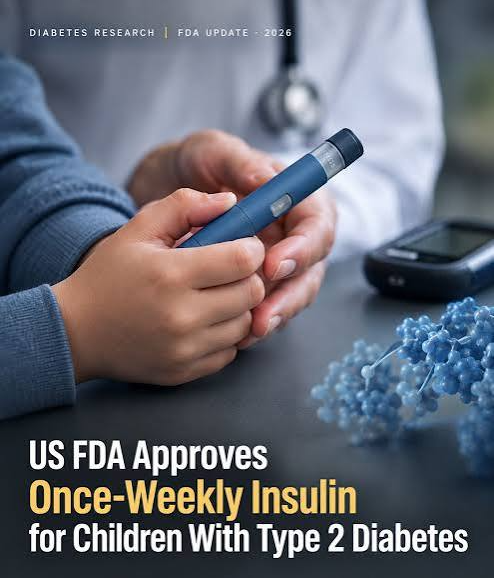
Type 2 diabetes in children and adolescents is a growing healthcare concern. The condition occurs when the body becomes resistant to insulin or cannot produce enough insulin to maintain normal blood glucose levels.
Poorly controlled blood glucose over time can increase the risk of complications involving the kidneys, eyes, nerves and cardiovascular system.
Treatment may involve lifestyle changes, glucose-monitoring programmes and medicines. Some young patients require insulin when other treatments do not provide adequate glucose control.
Traditional basal insulin treatments usually require daily injections. Maintaining regular treatment schedules can be challenging for some children and families.
The US FDA has now approved insulin icodec-abae, marketed as Awiqli, for paediatric patients aged 10 years and older with type 2 diabetes.
Insulin icodec is a long-acting insulin analogue designed to provide glucose-lowering activity over an extended period. Its once-weekly administration reduces the number of basal insulin injections compared with daily regimens.
The paediatric approval was supported by a single-dose study involving 18 patients. The FDA reported that children absorbed the initial dose more quickly than adults, while absorption became similar after repeated dosing.
The agency said the medicine's safety profile appeared consistent with other insulin products.
The approval expands treatment options for children and adolescents who require basal insulin. However, once-weekly dosing does not remove the need for regular glucose monitoring, dose adjustment and medical supervision.
Insulin can cause hypoglycaemia, or dangerously low blood glucose, and treatment plans must be individualised by healthcare professionals.
✦ Clinical Takeaway
The US FDA has approved insulin icodec-abae, marketed as Awiqli, as the first once-weekly insulin treatment for paediatric patients aged 10 years and older with type 2 diabetes. The approval provides an alternative to basal insulin treatments that generally require daily injections.
CancerMedical News
Nov 21, 2026Experimental DNA-Based Immunotherapy Receives FDA RMAT Designation for Advanced Melanoma
By System Admin, MD, Healthcare & Clinical Journalism•4 min read

Melanoma is an aggressive form of skin cancer that develops from melanocytes, the cells responsible for producing skin pigment.
Although early-stage melanoma can often be treated successfully through surgery, advanced melanoma may spread to lymph nodes and distant organs, making treatment more complicated.
Immunotherapy has become an important treatment approach for advanced melanoma. These medicines help the immune system recognise and attack cancer cells.
Researchers are also investigating therapeutic cancer vaccines designed to stimulate targeted immune responses against proteins found in tumour cells.
Inzitagene plasmivec, also known as iSCIB1+, is an investigational DNA-based immunotherapy developed by Scancell Holdings. It is designed to stimulate immune responses against melanoma-associated antigens, including gp100 and TRP-2.
The treatment uses the company's ImmunoBody technology and is administered intramuscularly without a conventional needle.
The FDA granted the therapy Regenerative Medicine Advanced Therapy designation in November 2026. This designation is intended to facilitate communication between the developer and the regulator during clinical development.
It can provide opportunities for closer FDA interaction and rolling review of certain regulatory submissions, but it does not establish that the medicine is safe and effective or guarantee future approval.
The designation was supported by data from the Phase II SCOPE clinical trial, which is evaluating the treatment alongside immune checkpoint inhibitors in patients with advanced melanoma.
The developer reported encouraging survival and progression-free survival findings from the study. However, these results are not a direct comparison with standard treatment in a head-to-head trial.
A global Phase III trial is planned to begin in December 2026.
The development is an important step in the investigation of therapeutic cancer vaccines, but further clinical evidence will be needed to establish whether the treatment improves outcomes for patients.
✦ Clinical Takeaway
The US FDA has granted Regenerative Medicine Advanced Therapy (RMAT) designation to inzitagene plasmivec, also known as iSCIB1+, an investigational DNA-based immunotherapy being developed for advanced melanoma. The designation allows closer regulatory engagement as the developer prepares for a planned Phase III trial. It is not an FDA marketing approval.
HeartMedical News
Nov 21, 2026Major Medical Societies Propose New Life-Stage Framework for Women's Heart Health
By System Admin, MD, Healthcare & Clinical Journalism•4 min read

Cardiovascular disease remains one of the leading causes of death among women. However, the assessment and management of heart disease have historically relied heavily on approaches developed around male cardiovascular patterns.
Medical experts are increasingly recognising that hormonal changes, pregnancy-related complications and other biological factors can influence cardiovascular risk throughout a woman's life.
A new initiative discussed in a JAMA report published on 20 November brings together the American Heart Association, American Academy of Pediatrics, American College of Obstetricians and Gynecologists, and Society for Maternal-Fetal Medicine.
The organisations support a female life-stage framework for cardiovascular care. Instead of relying only on chronological age, the framework considers important biological transitions that may influence heart and blood-vessel health.
These stages include the period before menstruation, reproductive years, pregnancy, the postpartum period, perimenopause and postmenopause.
The guidance also highlights female-specific cardiovascular risk factors, including early menstruation, irregular or heavy menstrual cycles, pregnancy complications and certain hormonal conditions.
Pregnancy-related complications such as preeclampsia and gestational hypertension can provide important information about a woman's future cardiovascular risk. Recognising these conditions may help clinicians identify women who need closer monitoring later in life.
The report also points out that women may experience symptoms accompanying a heart attack differently from men. Although chest pain remains common, women may also experience breathlessness, nausea, back pain or jaw discomfort.
The proposed approach encourages healthcare professionals to integrate cardiovascular assessment into routine women's healthcare, including obstetric and gynaecological visits.
The framework is intended to improve awareness, screening and prevention rather than introduce a single new diagnostic test.
✦ Clinical Takeaway
Four major US medical organisations have joined forces to promote a more comprehensive approach to women's cardiovascular health. The proposed framework considers different biological life stages, from before menstruation through menopause, and highlights female-specific risk factors that may otherwise be overlooked.
General HealthMedical News
Nov 20, 2026Occupational Exposure to Petroleum Products Associated With Increased Multiple Sclerosis Risk
By System Admin, MD, Healthcare & Clinical Journalism•4 min read

Multiple sclerosis is a chronic autoimmune disorder in which the immune system attacks the protective myelin covering nerve fibres in the brain and spinal cord.
Damage to myelin can interrupt communication between the brain and other parts of the body, resulting in symptoms such as weakness, numbness, balance problems, vision disturbances and fatigue.
The exact causes of MS are not fully understood. Researchers believe that genetic susceptibility and environmental exposures may contribute to the development of the condition.
Occupational exposure to petroleum products has attracted research attention because workers in certain industries may come into contact with fuel, oil, solvents and related chemical mixtures.
A report published by HealthDay on 18 November highlighted research investigating the relationship between occupational petroleum exposure and MS risk.
The findings suggested an association between petroleum exposure and increased MS risk. The relationship was reported to be stronger among current smokers and individuals who did not carry the HLA-A*02:01 genetic variant.
These findings raise questions about how workplace chemical exposure may interact with smoking and inherited susceptibility in the development of autoimmune neurological conditions.
However, the results do not establish that petroleum exposure directly causes multiple sclerosis. Occupational exposure patterns, smoking history and genetic characteristics may all influence the observed associations.
The findings support the importance of workplace exposure controls, protective equipment, ventilation and smoking-cessation measures in industries involving petroleum products.
✦ Clinical Takeaway
A HealthDay report published on 18 November described research associating occupational exposure to petroleum products with an increased risk of multiple sclerosis (MS). The association was reported to be stronger among current smokers and people without the HLA-A*02:01 genetic variant.
General HealthMedical News
Nov 20, 2026Lancet Commission Recommends a More Comprehensive Method for Diagnosing Obesity Beyond BMI Alone
By System Admin, MD, Healthcare & Clinical Journalism•4 min read
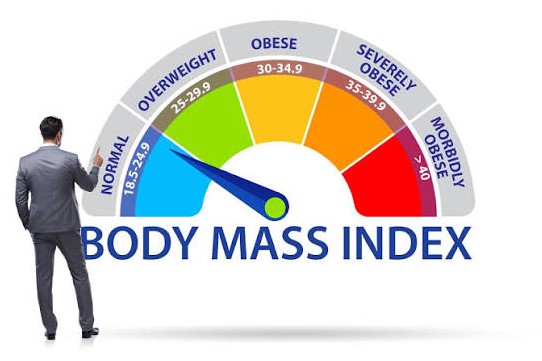
Obesity is a complex chronic health condition associated with an excessive accumulation of body fat that can negatively affect health.
It is linked to several conditions, including type 2 diabetes, cardiovascular disease, fatty liver disease, sleep apnoea and certain cancers.
Body mass index is widely used to classify weight status. It is calculated by dividing a person's weight in kilograms by the square of their height in metres.
Although BMI is useful for population-level screening, it does not directly measure body fat or distinguish between fat mass and muscle mass.
For example, two people with the same BMI may have very different body compositions and metabolic risk profiles.
A diagnostic framework highlighted by HealthDay on 19 November, based on the Lancet Commission's recommendations, supports combining BMI with additional anthropometric measurements.
These may include waist circumference and other measures that help estimate body-fat distribution.
The broader approach aims to distinguish between people who have excess body fat without evident organ dysfunction and those who have clinical obesity, in which excess adiposity is associated with impaired organ function or limitations in everyday activities.
The distinction is important because not every person with an elevated BMI has the same level of health risk or requires identical medical intervention.
A more comprehensive assessment may help clinicians make better decisions about monitoring, lifestyle interventions and treatment.
The framework also reinforces the importance of considering a patient's overall health rather than relying on a single numerical measurement.
✦ Clinical Takeaway
A HealthDay report published on 19 November highlighted the Lancet Commission's diagnostic framework for obesity. The framework recommends complementing body mass index (BMI) with additional anthropometric measurements to improve the identification and assessment of obesity.
NeurologyMedical News
Nov 20, 2026Experimental CAR T-Cell Therapy Shows Promise for Stiff Person Syndrome
By System Admin, MD, Healthcare & Clinical Journalism•4 min read

Stiff person syndrome is a rare neurological and autoimmune disorder that affects the central nervous system. It can cause severe muscle stiffness, painful spasms and difficulty with movement.
The condition may interfere with walking, balance and everyday activities. In some patients, sudden sounds, emotional stress or physical stimulation can trigger painful muscle spasms.
Stiff person syndrome is associated with abnormal immune activity, including antibodies that interfere with proteins involved in normal neurological function.
Existing treatment approaches generally focus on reducing immune-system activity and controlling muscle stiffness and spasms. However, some patients continue to experience significant symptoms despite treatment.
Researchers are investigating whether advanced cellular therapies could provide another treatment approach.
Mivocabtagene autoleucel is an investigational CAR T-cell therapy. CAR T-cell treatment involves collecting immune cells, genetically modifying them to recognise a specific target and administering them back to the patient.
The research highlighted in the 19 November report evaluated a single-dose approach for patients with stiff person syndrome.
The findings were described as showing an encouraging safety profile and signs of effectiveness. However, the report does not establish that the treatment is suitable for routine clinical use.
CAR T-cell therapy can involve serious complications, including immune-related reactions, and requires specialist supervision.
Further clinical trials are needed to establish the treatment's effectiveness, long-term safety and the types of patients most likely to benefit.
✦ Clinical Takeaway
A HealthDay report published on 19 November highlighted clinical research on mivocabtagene autoleucel, an investigational CAR T-cell therapy for stiff person syndrome. The report described a single-dose treatment approach with an encouraging safety profile and signs of effectiveness.
Mental HealthMedical News
Nov 20, 2026Personality Assessments May Help Doctors Understand Functional Decline in Behavioural Variant Frontotemporal Dementia
By System Admin, MD, Healthcare & Clinical Journalism•4 min read

Behavioural variant frontotemporal dementia is a neurological condition that affects areas of the brain responsible for personality, behaviour, decision-making and social interaction.
Unlike some other forms of dementia, bvFTD may initially present through changes in personality and behaviour rather than prominent memory problems.
Patients may develop reduced empathy, impulsive behaviour, poor judgement, changes in eating habits and difficulty managing everyday responsibilities.
Assessing functional ability is an important part of understanding disease progression. Doctors often need to evaluate how well patients manage activities such as handling money, organising daily routines, completing household tasks and interacting with others.
Research highlighted by HealthDay on 19 November examined whether personality characteristics could provide additional information about functional ability in people with bvFTD.
The findings indicated that higher current conscientiousness was independently associated with lower Functional Activities Questionnaire scores. Lower scores on this questionnaire indicate fewer difficulties with everyday activities.
The research suggests that personality assessments may offer useful additional information when clinicians evaluate patients with behavioural changes and progressive cognitive disorders.
However, personality characteristics cannot independently diagnose bvFTD. They should be considered alongside neurological examinations, cognitive testing, medical history and appropriate brain imaging.
Further research is required to determine whether personality assessments can improve monitoring of disease progression or help clinicians plan patient care.
✦ Clinical Takeaway
A HealthDay report published on 19 November highlighted research examining personality characteristics and functional status in people with behavioural variant frontotemporal dementia (bvFTD). Higher current conscientiousness was independently associated with lower Functional Activities Questionnaire scores, indicating better everyday functioning.
PediatricsMedical News
Nov 20, 2026Repeated Medical Imaging Radiation May Increase Brain Tumour Risk in Children
By System Admin, MD, Healthcare & Clinical Journalism•4 min read
Medical imaging is an important part of modern paediatric healthcare. X-rays, computed tomography (CT) scans and positron emission tomography (PET) scans help doctors diagnose injuries, detect diseases and plan treatment.
However, some of these examinations use ionising radiation, which can interact with cells and damage DNA.
Children may be more sensitive to radiation exposure because their bodies are still developing and they have more years ahead during which radiation-related effects could potentially emerge.
A large population-based study led by UC Davis and UC San Francisco researchers examined the relationship between radiation exposure from medical imaging and childhood brain tumour risk.
The study included more than 3.7 million children in the United States and Ontario, Canada. Participants were followed from birth for an average of 12.3 years.
Researchers estimated the cumulative radiation dose received by the brain through different types of medical imaging.
During the follow-up period, 1,536 brain tumours were diagnosed. The analysis found that radiation exposure equivalent to one head CT scan was associated with a 1.8-fold higher relative risk of brain tumours.
In absolute terms, this corresponded to approximately eight additional brain tumours per 10,000 children by age 21, or roughly one excess tumour per 1,266 head CT examinations, according to the researchers' estimates.
The study also found that brain tumour risk increased with higher cumulative radiation exposure.
Researchers emphasised that parents should not refuse medically necessary imaging. CT scans can be lifesaving, particularly when doctors need to identify serious injuries such as internal bleeding following head trauma.
Instead, the findings support careful clinical justification of imaging examinations and the use of the lowest radiation dose that can provide adequate diagnostic information.
✦ Clinical Takeaway
A large study led by researchers from UC Davis and UC San Francisco, published in JAMA on 19 November, found that higher cumulative radiation exposure from medical imaging during childhood was associated with a greater risk of brain tumours. The study included more than 3.7 million children in the United States and Ontario, Canada.
Women's HealthMedical News
Nov 20, 2026Familial High Cholesterol Associated With Increased Preeclampsia Risk During Pregnancy
By System Admin, MD, Healthcare & Clinical Journalism•4 min read

Familial hypercholesterolemia is an inherited condition that causes abnormally high levels of low-density lipoprotein (LDL) cholesterol. People with this condition can develop cardiovascular disease at a younger age if their cholesterol levels are not appropriately managed.
Pregnancy introduces additional cardiovascular and metabolic demands on the body. Conditions that affect blood vessels and circulation may therefore be particularly important when assessing maternal health.
Preeclampsia is a serious pregnancy complication characterised by the development of high blood pressure after 20 weeks of pregnancy, often accompanied by signs of organ involvement, particularly affecting the kidneys or liver.
The condition can increase the risk of premature delivery, placental complications and serious maternal health problems.
Research highlighted in a report published on 19 November examined pregnancy outcomes among women with familial hypercholesterolemia.
The findings indicated that preeclampsia was more prevalent among women with this inherited cholesterol disorder. However, the researchers did not identify significant differences in the prevalence of gestational diabetes or other hypertensive disorders of pregnancy.
The findings suggest that inherited cholesterol conditions may deserve additional attention during pregnancy risk assessment.
Women with familial hypercholesterolemia should discuss pregnancy planning and cholesterol management with their healthcare professionals. Medication decisions during pregnancy require individual assessment because some cholesterol-lowering treatments may not be suitable during this period.
The study demonstrates an association and does not establish that high cholesterol directly causes preeclampsia. Further research is needed to understand the biological mechanisms involved.
✦ Clinical Takeaway
A HealthDay report published on 19 November highlighted research finding a higher prevalence of preeclampsia among pregnant women with familial hypercholesterolemia. The study did not find significant differences in the prevalence of gestational diabetes or other hypertensive disorders of pregnancy.
CancerMedical News
Nov 20, 2026Broad Genomic Testing Associated With Better Survival in First-Line Advanced Lung Cancer Treatment
By System Admin, MD, Healthcare & Clinical Journalism•4 min read

Non-small cell lung cancer (NSCLC) is the most common type of lung cancer. Advanced NSCLC can spread beyond the lungs and may require a combination of targeted therapies, immunotherapy, chemotherapy and other treatment approaches.
One of the major challenges in treating advanced lung cancer is that different tumours can contain different genetic alterations. These molecular changes can influence how cancer cells grow and respond to particular medicines.
Broad genomic sequencing is a diagnostic approach that examines multiple genes in a tumour sample to identify potentially important mutations and other molecular abnormalities.
The research highlighted in the 19 November report examined the relationship between broad genomic testing and patient outcomes in advanced NSCLC.
The findings indicated that patients receiving broad-based genomic sequencing in the first-line treatment setting experienced better progression-free and overall survival outcomes. However, a similar association was not identified when sequencing was used in the second-line setting.
This suggests that identifying relevant genetic alterations before beginning the first course of systemic treatment may help clinicians select more appropriate treatment strategies.
The findings also highlight the importance of timely molecular testing. If testing is delayed until after the first treatment has failed, patients may miss an opportunity to receive a targeted treatment earlier in their disease course.
However, the reported association does not establish that genomic sequencing alone causes improved survival. The results should be interpreted in the context of the underlying study design and patient characteristics.
✦ Clinical Takeaway
A HealthDay report published on 19 November highlighted research associating broad-based genomic sequencing with improved progression-free and overall survival among patients with advanced non-small cell lung cancer when used in the first-line treatment setting. The association was not observed in the second-line setting.
General HealthMedical News
Nov 19, 2026Chemical Used as a Replacement for Harmful Plastic Additives Raises Concerns About Fetal Growth
By System Admin, MD, Healthcare & Clinical Journalism•4 min read

Plastic additives are used in a wide range of consumer and industrial products to modify characteristics such as flexibility, durability, and resistance to environmental conditions.
Some phthalates, a group of chemicals used in certain plastic products, have raised concerns because of potential endocrine-disrupting effects. Researchers have therefore investigated alternative substances intended to perform similar functions while reducing potential health risks.
However, replacing a chemical does not automatically establish that its substitute is safer. Replacement substances must also be evaluated for their effects on human health, including their potential impact on reproduction and fetal development.
Recent medical research coverage highlighted concerns about a replacement chemical used to make plastics more flexible and a possible association with restricted fetal growth.
Fetal growth restriction occurs when a fetus does not grow as expected during pregnancy. It can be associated with several maternal, placental, fetal, and environmental factors.
Depending on its severity and underlying cause, fetal growth restriction can increase the risk of complications such as premature delivery, fetal distress, low birth weight, and difficulties during the newborn period. Some affected children may also face increased risks of developmental or health problems later in life.
However, the available news report does not establish that exposure to the replacement chemical directly causes fetal growth restriction in humans. The significance of the finding depends on the study design, the exposure levels examined, the methods used to assess fetal growth, and whether other risk factors were adequately considered.
Chemical exposure can occur through multiple routes, depending on the substance and the products in which it is used. Researchers must therefore distinguish between evidence of exposure, an association with a health outcome, and proof of causation.
Public health assessment requires careful evaluation of both the potential risks of a chemical and the quality of the available evidence. Further research may be needed to determine whether the observed association is consistent across different populations and exposure levels.
Pregnant individuals should follow established medical guidance and avoid unnecessary exposure to chemicals where practical, but they should not become alarmed by a single preliminary research report. General precautions should be proportionate to the evidence and should not replace advice from healthcare professionals.
Medical significance: The findings illustrate the importance of long-term chemical safety monitoring, particularly for substances that may affect reproductive health and fetal development. Stronger evidence is needed before the reported association can be translated into specific individual risk estimates.
✦ Clinical Takeaway
Medical research coverage published on 13 October 2026 highlighted findings concerning a chemical introduced as a replacement for certain phthalates used to make plastics more flexible. The research raised concerns that the replacement substance may be associated with restricted fetal growth. The findings underscore the importance of evaluating the safety of replacement chemicals rather than assuming that a substitute is harmless simply because it replaces a previously concerning substance.
OrthopedicsMedical News
Nov 19, 2026Abdominal Obesity and Metabolic Health Highlight the Need for Broader Musculoskeletal Risk Assessment
By System Admin, MD, Healthcare & Clinical Journalism•4 min read

Musculoskeletal health depends on the combined function of bones, joints, muscles, tendons, ligaments, and the nervous system. These structures allow people to walk, maintain balance, perform daily activities, and remain physically independent.
Body weight alone cannot provide a complete picture of musculoskeletal health. Two people with the same BMI may differ substantially in muscle mass, strength, physical fitness, and the distribution of body fat.
Muscle mass and strength are particularly important for maintaining joint stability and physical function. Weakness can make daily activities more difficult and may contribute to reduced balance and mobility, particularly among older adults.
Excess body weight can also increase mechanical loading on weight-bearing joints, including the knees and hips. In people with osteoarthritis, excessive joint loading may contribute to pain and functional limitations. However, osteoarthritis is a complex condition influenced by multiple factors, including age, previous injuries, genetics, joint alignment, and biological changes in joint tissues.
Muscle weakness and reduced physical activity can contribute to a cycle in which joint pain leads to less movement, which may further reduce strength and functional capacity.
Appropriate physical activity can help maintain muscle strength, joint mobility, balance, and cardiovascular fitness. Depending on an individual's condition, suitable activities may include walking, swimming, cycling, and supervised resistance exercises.
People with persistent joint pain, swelling, reduced movement, or difficulty bearing weight may require medical assessment. Sudden severe joint pain accompanied by fever or marked swelling can indicate a potentially urgent condition and should be assessed promptly.
The 14 October report on BMI and body composition does not directly investigate osteoarthritis, fractures, or other orthopedic outcomes. Its relevance to this domain is therefore indirect rather than evidence of a newly established orthopedic finding.
Medical significance: Assessing physical function, muscle strength, joint symptoms, and relevant medical conditions provides a more complete picture of musculoskeletal health than BMI alone. Individualized exercise and weight-management strategies can support mobility while accounting for existing joint problems.
✦ Clinical Takeaway
A health report published on 14 October 2026 highlighted differences in body composition among people with the same BMI. Although the report focuses primarily on metabolic disease, its findings also reinforce the importance of considering muscle mass and physical function when evaluating overall health. These factors are relevant to maintaining mobility, strength, and independence as people age. The report does not establish a new causal relationship between body shape and specific orthopedic diseases.
NeurologyMedical News
Nov 19, 2026New Alzheimer’s Biomarker Research Highlights the Potential Role of Blood Tests in Clinical Assessment
By System Admin, MD, Healthcare & Clinical Journalism•4 min read

Alzheimer's disease is a progressive neurological disorder that affects memory, thinking, language, and other cognitive abilities. It is a leading cause of dementia and can gradually interfere with a person's ability to perform everyday activities independently.
The biological changes associated with Alzheimer's disease can begin years before substantial symptoms develop. These changes include the accumulation of amyloid-beta plaques and abnormal tau protein, alongside inflammation, neuronal dysfunction, and progressive loss of brain cells.
Because early symptoms may overlap with other conditions, diagnosing Alzheimer's disease can be challenging. Memory problems may also arise from sleep disorders, depression, medication effects, thyroid dysfunction, vitamin deficiencies, vascular disease, and other neurological conditions.
Biomarker research seeks to identify measurable biological changes that can help distinguish Alzheimer's disease from other causes of cognitive impairment.
Depending on the test and clinical setting, biomarkers may be measured in blood or cerebrospinal fluid, or assessed using specialized brain imaging. Some blood-based tests examine proteins associated with amyloid or tau pathology.
Such tests may eventually make aspects of diagnostic assessment more accessible, although their usefulness depends on the specific test, the population being assessed, and how accurately the results identify the relevant disease process.
A biomarker result is not necessarily equivalent to a complete clinical diagnosis. An abnormal result may need further assessment, while a normal result may not exclude every cause of memory problems.
Clinical evaluation generally considers the person's symptoms, the pattern and progression of cognitive changes, medical history, medication use, neurological examination, and appropriate laboratory or imaging investigations.
Early and accurate diagnosis can help patients and families plan care, address safety concerns, evaluate treatment options, and manage other conditions that may worsen cognitive function.
Medical significance: Biomarker testing represents an evolving area of Alzheimer's research. People experiencing progressive memory loss, confusion, or difficulties with everyday tasks should seek clinical evaluation rather than relying on commercial tests or self-diagnosis.
✦ Clinical Takeaway
Medical news coverage on 13 October 2026 highlighted research on using early Alzheimer's biomarker test results to guide clinical care. Biomarkers may help clinicians assess biological processes associated with Alzheimer's disease, potentially supporting diagnostic evaluation and treatment planning. However, test results must be interpreted in the context of a person's symptoms, medical history, and other investigations.
AyurvedaMedical News
Nov 19, 2026India Issues Standard Treatment Guidelines for Dermatological Disorders Across AYUSH Systems
By System Admin, MD, Healthcare & Clinical Journalism•4 min read

Skin disorders range from relatively mild conditions, such as certain forms of dermatitis, to chronic inflammatory diseases, infections, autoimmune conditions, and skin cancers. Correct diagnosis is important because different conditions can produce similar symptoms while requiring very different treatments.
India's Ministry of AYUSH has issued standard treatment guidelines for dermatological disorders covering Ayurveda, Siddha, Unani, and Homoeopathy, with the inclusion of Yoga. According to the announcement, the document was prepared through the AYUSH Vertical of the Directorate General of Health Services and the Ministry of Health and Family Welfare.
The stated objective is to promote uniformity, quality assurance, and evidence-informed clinical practice across the participating systems.
Standardized guidelines can help establish consistent approaches to assessment, documentation, treatment selection, and patient management. They may also support professional training and provide a framework for evaluating whether clinical care follows recommended procedures.
In dermatology, accurate diagnosis is particularly important when patients experience persistent itching, skin discoloration, ulcers, spreading rashes, recurrent infections, or unexplained changes in moles and other skin lesions.
Some skin conditions require laboratory testing, skin biopsies, prescription medication, or urgent specialist assessment. Delayed treatment of serious infections, autoimmune disease, or skin cancer can lead to complications.
Traditional systems of medicine also vary in their theoretical foundations, diagnostic approaches, and available clinical evidence. The existence of a standardized guideline should not be interpreted as proof that every treatment included in a traditional medical system is effective or safe for every condition.
Herbal products may cause allergic reactions, interact with prescribed medicines, or vary in composition. Certain products may also contain contaminants or undeclared ingredients. Patients should disclose all medicines and supplements they use to their healthcare professionals.
Medical significance: The announcement is relevant to the regulation and standardization of traditional healthcare practice in India. The clinical value of individual treatments should still be assessed according to the quality of supporting evidence, safety data, and the patient's medical needs.
✦ Clinical Takeaway
India's Ministry of AYUSH announced standard treatment guidelines for managing dermatological disorders across Ayurveda, Siddha, Unani, and Homoeopathy, with Yoga also included. The announcement was reported by Akashvani News on 13 October 2026. The initiative aims to improve consistency in clinical practice and strengthen quality assurance across the participating systems. The publication of guidelines does not, by itself, establish the effectiveness of every traditional treatment for every skin condition.
NutritionMedical News
Nov 19, 2026People With the Same BMI Can Have Different Risks of Diabetes, Heart Disease, and Fatty Liver
By System Admin, MD, Healthcare & Clinical Journalism•4 min read

Body mass index is widely used to classify weight categories and estimate population-level health risks. However, BMI is a screening measurement rather than a direct assessment of body fat, muscle mass, or metabolic function.
Two individuals with the same BMI can have substantially different body compositions. One may have a greater proportion of muscle, while the other may have more body fat, particularly around the abdomen.
Abdominal fat is clinically important because excess visceral fat, which accumulates around internal organs, is associated with insulin resistance, inflammation, abnormal blood lipids, and elevated cardiovascular risk.
Insulin resistance occurs when the body's cells respond less effectively to insulin. The pancreas may initially compensate by producing more insulin, but blood glucose can rise when the body's ability to compensate becomes inadequate. Over time, this can contribute to prediabetes and type 2 diabetes.
Excess abdominal fat is also associated with metabolic dysfunction-associated steatotic liver disease, commonly referred to as fatty liver disease. In some individuals, liver fat accumulation can progress to liver inflammation, fibrosis, cirrhosis, and an increased risk of liver-related complications.
Muscle mass also matters because skeletal muscle contributes to glucose uptake and overall metabolic function. Reduced muscle mass may affect physical capacity and can complicate the interpretation of weight-based measurements.
For these reasons, clinicians may consider additional factors when assessing metabolic health, including waist circumference, blood pressure, blood glucose, HbA1c, cholesterol levels, liver tests when appropriate, physical activity, and family history.
The importance of these measures varies according to an individual's age, health conditions, and clinical circumstances. No single body measurement can accurately predict every person's risk of diabetes, cardiovascular disease, or liver disease.
Nutrition can support metabolic health through an overall balanced dietary pattern that emphasizes vegetables, fruit, whole grains, appropriate protein sources, and unsaturated fats while limiting excessive energy intake and heavily processed foods high in salt, sugar, or unhealthy fats.
Medical significance: A normal or relatively low BMI does not automatically rule out metabolic disease. People with risk factors or concerning symptoms should seek appropriate medical assessment rather than relying solely on their weight.
✦ Clinical Takeaway
A health report published by The Indian Express on 14 October 2026 explains why two people with the same body mass index may have different risks of metabolic disease. Differences in abdominal fat, muscle mass, and body composition can influence insulin sensitivity and cardiovascular health. The report highlights the importance of evaluating overall metabolic health rather than relying exclusively on body weight or BMI.
FitnessMedical News
Nov 19, 2026Structured Exercise Combined With Weight Management Shows Benefits for Adults With Early-Onset Diabetes
By System Admin, MD, Healthcare & Clinical Journalism•4 min read

Weight management programs often focus primarily on reducing body weight. However, weight loss can involve reductions in both fat and lean tissue, including skeletal muscle. Maintaining muscle is important for strength, mobility, glucose regulation, and long-term physical function.
The RESET for Remission study evaluated a combined lifestyle intervention for adults aged 18–45 with early-onset type 2 diabetes and obesity.
Participants in the intervention group followed a low-energy diet for 12 weeks alongside structured exercise sessions that included aerobic and resistance training. They subsequently transitioned to a weight-maintenance diet and continued exercising for another 12 weeks.
The researchers reported meaningful weight loss, improvements in physical fitness, and preservation of much of the participants' muscle mass. The intervention group also demonstrated improvements in metabolic health compared with usual care.
Aerobic exercise, such as brisk walking or cycling, can improve cardiorespiratory fitness and support cardiovascular health. Resistance exercise, including appropriately prescribed strength training, helps maintain or build muscle and can improve physical function.
Muscle tissue also plays an important role in glucose metabolism. Skeletal muscle takes up glucose from the bloodstream, particularly during and after physical activity. Improving muscle function and insulin sensitivity may therefore contribute to better blood glucose regulation.
These results are particularly relevant to younger adults with type 2 diabetes, who may face a prolonged period of exposure to elevated blood glucose and a higher lifetime risk of cardiovascular and kidney complications.
Nevertheless, the trial was relatively small and involved a selected group of participants. Its findings cannot automatically be generalized to older adults, people with type 1 diabetes, those receiving insulin, or individuals with significant medical complications.
The intensive diet used in the study should not be attempted without professional supervision. Exercise intensity and type may also need adjustment for people with cardiovascular disease, diabetic neuropathy, joint problems, or other health conditions.
Medical significance: The findings reinforce the value of individualized exercise programs that consider aerobic fitness, muscle strength, and metabolic health together. Further research will help determine whether these benefits translate into fewer long-term complications.
✦ Clinical Takeaway
The RESET for Remission trial investigated a structured exercise program alongside an intensive low-energy diet in adults with early-onset type 2 diabetes and obesity. Researchers reported improvements in fitness and metabolic health, with muscle mass largely maintained despite substantial weight loss. The findings highlight why exercise programs designed around both aerobic capacity and muscle strength may be important for people managing metabolic disease.
Mental HealthMedical News
Nov 19, 2026Exercise Associated With Better Cognitive Performance in People With Bipolar Disorder
By System Admin, MD, Healthcare & Clinical Journalism•4 min read

Bipolar disorder is a mental health condition characterized by episodes of depression and periods of mania or hypomania. The condition can affect mood, energy, sleep, concentration, decision-making, and everyday functioning.
Although mood symptoms are central to the diagnosis, some people also experience cognitive difficulties. These may involve attention, working memory, processing speed, and executive function, including the ability to plan tasks and organize daily activities.
Cognitive difficulties can persist even when mood symptoms improve. For some patients, these problems can interfere with education, employment, relationships, and independent living.
Medical news coverage on 13 October highlighted research linking exercise with better cognitive performance in people with bipolar disorder. This is consistent with broader scientific interest in the relationship between physical activity, brain function, sleep, and psychological well-being.
Exercise can influence several physiological processes relevant to mental health, including cardiovascular fitness, sleep regulation, stress responses, and metabolic health. Regular physical activity may also help reduce the risk of conditions such as obesity and cardiovascular disease, which can complicate long-term health in people living with serious mental illness.
However, an association between exercise and cognition does not establish that exercise alone caused the improvement. People who exercise regularly may differ from those who are less active in other ways, including general health, medication adherence, sleep quality, and access to care.
The available report does not provide sufficient detail to establish a specific exercise prescription, the magnitude of cognitive improvement, or whether the benefits persisted over time.
Exercise should therefore be viewed as a possible component of comprehensive care rather than a replacement for psychiatric treatment. People with bipolar disorder may need individualized guidance because sleep disruption, excessive activity, or changes in routine can affect mood stability in some circumstances.
Medical significance: The findings support continued research into physical activity as an adjunct to mental healthcare. Patients should discuss suitable exercise plans with their clinicians, especially if they are experiencing mood instability or significant sleep changes.
✦ Clinical Takeaway
Medical news coverage published on 13 October 2026 highlighted research examining the association between exercise and cognition in people with bipolar disorder. The findings add to continuing interest in how physical activity may support cognitive health alongside established psychiatric treatment. Because the available report provides limited methodological detail, the size and clinical significance of the association should be interpreted cautiously.
PediatricsMedical News
Nov 19, 2026Maternal Opioid Prescriptions During Pregnancy Associated With Increased Childhood Hospital Admissions
By System Admin, MD, Healthcare & Clinical Journalism•4 min read

Prescription opioids are medicines used to treat certain types of moderate to severe pain. Although these medications can have an important role in medical treatment, their use during pregnancy requires careful assessment because both the medication and the underlying maternal condition may influence pregnancy and child health.
A nationwide observational study in South Korea examined health records for approximately 2.93 million children born between 2010 and 2017. Researchers followed the children for as long as 14 years to investigate whether opioid prescriptions during pregnancy were associated with later childhood hospital admissions.
Prenatal exposure was identified when mothers received at least two opioid prescriptions during pregnancy.
The study found that exposed children had an adjusted hospital-admission rate approximately 28% higher than that of children without documented prenatal exposure. When researchers compared siblings within the same family, the association became considerably smaller, although it remained statistically significant.
The higher admission rates involved several categories of illness, including infections and respiratory, gastrointestinal, and genitourinary conditions. The association was strongest during the first five years of life.
The researchers also reported that higher opioid doses were associated with higher admission rates. However, the study was observational and cannot establish that the medications themselves caused the later health problems.
Important limitations include the possibility that prescription records do not accurately represent actual medication use. Maternal health conditions, family circumstances, other medications, and other unmeasured factors may also influence children's health.
Prenatal opioid exposure can raise concerns about newborn withdrawal symptoms and other effects, depending on the medication, dose, timing, and pattern of exposure. However, the childhood hospitalization study should not be interpreted as proof that every child exposed to prescribed opioids will develop complications.
Medical significance: Pregnant patients should discuss pain management options with their healthcare professionals rather than independently stopping or changing prescribed medication. Children with relevant prenatal exposure may benefit from individualized developmental and medical follow-up based on their clinical circumstances.
✦ Clinical Takeaway
Research published on 13 October 2026 found that children whose mothers received at least two opioid prescriptions during pregnancy had a higher rate of hospital admission during childhood than children without documented prenatal exposure. The study examined nearly 2.93 million children and found associations with several causes of hospitalization, including respiratory illness and infections. The findings highlight the importance of appropriate medication use during pregnancy and careful follow-up for potentially exposed children.
Women's HealthMedical News
Nov 19, 2026Extended Postpartum Health Coverage Linked to Greater Follow-Up Care for Women With Pregnancy Complications
By System Admin, MD, Healthcare & Clinical Journalism•4 min read

Pregnancy places substantial demands on the cardiovascular, metabolic, and hormonal systems. Some pregnancy-related conditions improve after delivery, while others may persist or indicate an increased risk of future disease.
Gestational diabetes develops when blood glucose levels become elevated during pregnancy. Although glucose levels may return to normal after childbirth, women with a history of gestational diabetes have an increased risk of developing type 2 diabetes later in life.
Hypertensive disorders of pregnancy, including gestational hypertension and pre-eclampsia, can also have lasting implications. A history of these conditions is associated with a higher risk of developing chronic hypertension and cardiovascular disease in subsequent years.
A study examining extended Medicaid coverage found that maintaining healthcare coverage for 12 months after childbirth increased postpartum healthcare utilization among women who had experienced pregnancy complications, including diabetes and hypertension.
Continued coverage can make it easier for women to attend follow-up appointments, undergo blood pressure and glucose testing, obtain prescribed medication, and receive referrals to specialists when necessary.
The postpartum period is particularly important because some complications may not produce obvious symptoms. Persistently elevated blood pressure, for example, can remain undetected without measurement. Similarly, diabetes may develop gradually after pregnancy and may initially cause few noticeable symptoms.
Postpartum care can also address recovery from childbirth, mental health, breastfeeding concerns, medication management, and contraception. For women with pregnancy-related hypertension or diabetes, follow-up care may provide an opportunity to develop a long-term prevention plan.
The study's findings concern healthcare utilization rather than proving that extended insurance coverage directly prevents future disease or death. Further research is needed to determine how changes in coverage influence long-term health outcomes.
Medical significance: Women with a history of gestational diabetes or hypertensive pregnancy disorders should discuss appropriate postpartum testing and long-term monitoring with their healthcare providers. Sustained access to healthcare may help identify complications before they progress.
✦ Clinical Takeaway
A study reported on 13 October 2026 found that extending Medicaid coverage to 12 months after childbirth increased postpartum healthcare utilization among women who had experienced high-risk pregnancy complications, including diabetes and hypertension. The findings emphasize that medical care after delivery can be important for identifying persistent health problems and managing conditions that may increase long-term cardiovascular and metabolic risks.
DiabetesMedical News
Nov 19, 2026Diet and Structured Exercise Help More Than Half of Participants With Early-Onset Type 2 Diabetes Achieve Remission
By System Admin, MD, Healthcare & Clinical Journalism•4 min read

Type 2 diabetes is a chronic metabolic condition in which the body becomes less responsive to insulin or cannot produce enough insulin to maintain normal blood glucose levels.
When glucose remains elevated over extended periods, it can damage blood vessels, nerves, and multiple organs. Potential complications include coronary artery disease, stroke, chronic kidney disease, diabetic retinopathy, peripheral neuropathy, and foot ulcers.
Early-onset type 2 diabetes, diagnosed before the age of 45, is a growing clinical concern because affected individuals may live with the condition for longer and develop complications at a younger age.
The RESET for Remission trial investigated whether combining a low-energy diet with structured exercise could improve outcomes in adults with early-onset type 2 diabetes and obesity.
The study included 96 adults aged 18–45 who were not receiving insulin therapy. Participants were randomly assigned to either usual care or an intensive lifestyle intervention.
The intervention involved a diet providing approximately 800–900 calories per day during the initial phase, together with structured aerobic and resistance exercise. Participants subsequently moved to a weight-maintenance diet and continued exercising.
After 24 weeks, 27 of the 50 participants in the intervention group achieved remission, compared with 2 of the 46 participants receiving usual care. The researchers also reported improvements in weight, physical fitness, and metabolic health, with muscle mass largely preserved.
Diabetes remission generally means that blood glucose levels remain below the diagnostic threshold for diabetes for a specified period without glucose-lowering medication. It does not necessarily mean that the underlying susceptibility to diabetes has disappeared permanently.
Blood glucose can rise again if weight is regained or metabolic health deteriorates. Even after remission, people may require ongoing monitoring for diabetes recurrence and complications.
The intervention's low-calorie prescription was intensive and should not be treated as a general diet recommendation. Such programs require appropriate clinical supervision, particularly because diabetes and blood pressure medications may need adjustment during substantial dietary changes.
Medical significance: The findings support further investigation of structured lifestyle programs for younger adults with type 2 diabetes. They do not establish that every patient can achieve remission, and patients should not stop prescribed medication without medical supervision.
✦ Clinical Takeaway
Research from the RESET for Remission trial found that 27 of 50 participants receiving a low-energy diet and structured exercise achieved type 2 diabetes remission after 24 weeks, compared with 2 of 46 participants receiving usual care. The intervention combined a supervised low-calorie diet with aerobic and resistance exercise. The findings suggest that carefully supervised lifestyle interventions may help selected younger adults with type 2 diabetes improve metabolic health and reduce their reliance on glucose-lowering medication.
CancerMedical News
Nov 19, 2026BioNTech's Experimental mRNA Cancer Immunotherapy Fails to Meet Primary Trial Goal
By System Admin, MD, Healthcare & Clinical Journalism•4 min read

Messenger RNA technology gained international recognition through COVID-19 vaccines. Researchers have also been investigating whether the same general technology can help the immune system recognize and attack cancer cells.
BioNTech has invested in mRNA-based cancer immunotherapies intended to stimulate immune responses against tumor-associated targets. Unlike conventional treatments that primarily act through direct effects on cancer cells, immunotherapies attempt to harness or modify the body's immune response to fight the disease.
The company reported that its experimental mRNA cancer immunotherapy failed to achieve the primary endpoint in a mid-to-late-stage trial involving patients with head and neck cancer.
A primary endpoint is the principal outcome a clinical trial is designed to evaluate. Depending on the study, it may measure how long patients live without disease progression, overall survival, tumor response, or another predefined clinical outcome.
Failure to meet a primary endpoint does not necessarily establish that a treatment has no biological activity or that every patient receives no benefit. However, it means the trial did not demonstrate the intended result according to its main predefined measure. Further interpretation requires the complete study data, including secondary endpoints, safety results, subgroup findings, and the treatment's comparison with the control group.
Head and neck cancers can involve the mouth, throat, voice box, and other nearby structures. Depending on the location and stage, these cancers can affect swallowing, speech, breathing, nutrition, and quality of life. Advanced disease may require combinations of surgery, radiotherapy, chemotherapy, targeted therapies, or immunotherapy.
The development of new treatments is particularly important for patients whose cancers recur or become resistant to existing therapies. Nevertheless, experimental treatments must demonstrate meaningful benefits and acceptable safety in appropriately designed clinical trials before they can become established treatment options.
Medical significance: This development illustrates the uncertainty involved in cancer drug development. Patients should not interpret an experimental treatment's failure as evidence that all mRNA cancer therapies are ineffective. Treatment decisions should continue to be based on established clinical evidence and individualized oncology assessment.
✦ Clinical Takeaway
BioNTech announced on 13 October 2026 that its experimental mRNA-based cancer immunotherapy did not meet the primary endpoint of a mid-to-late-stage clinical trial involving patients with head and neck cancer. The result represents a setback for the company's efforts to expand mRNA technology beyond infectious diseases and into cancer treatment. It also highlights why promising early-stage results must be confirmed in larger clinical trials.
HeartMedical News
Nov 19, 2026Higher Body Roundness Index Associated With Increased Heart Attack Risk, Large UK Study Finds
By System Admin, MD, Healthcare & Clinical Journalism•4 min read
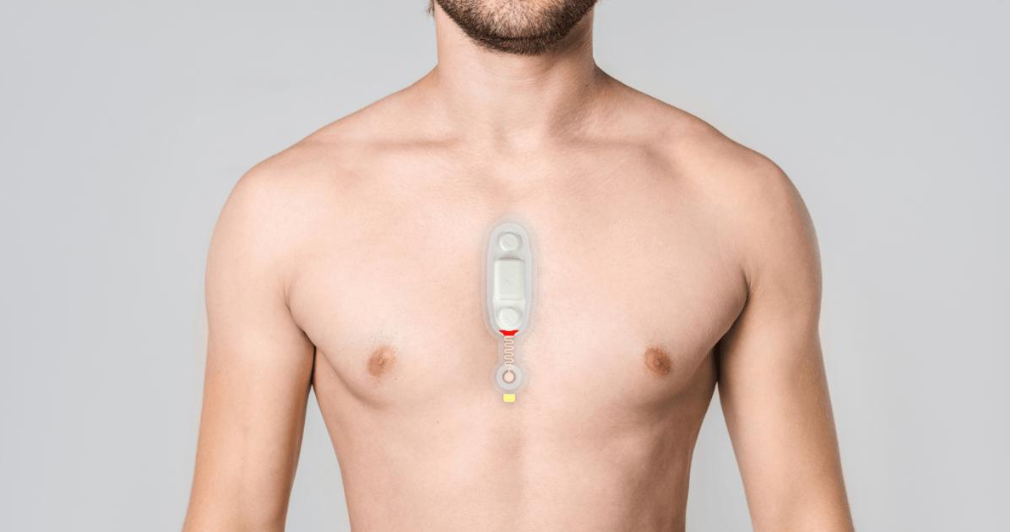
Cardiovascular disease remains a major cause of premature illness and death worldwide. Identifying people at elevated risk before a heart attack occurs is an important objective of preventive cardiology.
A study involving 395,831 adults from the UK Biobank investigated the relationship between different body measurements and the risk of myocardial infarction. Researchers compared the Body Roundness Index with body mass index and four other anthropometric measurements.
The study found that people with higher BRI measurements had an increased risk of experiencing a heart attack during a median follow-up period of 13.3 years. BRI showed slightly better predictive performance than BMI and the other measurements evaluated, although the improvement was modest.
BMI estimates body weight relative to height but does not directly distinguish between muscle mass and body fat. It also provides limited information about where fat is distributed. BRI is designed to reflect body shape and abdominal fat distribution, which may help identify metabolic risks that are not fully captured by BMI.
Excess abdominal fat is associated with insulin resistance, abnormal cholesterol levels, elevated blood pressure, and chronic inflammation. These factors can contribute to the development of atherosclerosis, a condition in which fatty deposits accumulate inside arteries. When a coronary artery becomes critically narrowed or blocked, the blood supply to part of the heart muscle can be interrupted, resulting in a heart attack.
However, the findings do not establish that a higher BRI directly causes heart attacks. The study also does not mean that BRI should replace established cardiovascular risk assessments.
Medical significance: The findings reinforce the importance of assessing abdominal obesity alongside blood pressure, cholesterol, blood glucose, smoking history, family history, and other cardiovascular risk factors. Further independent studies are needed to determine whether BRI meaningfully improves clinical prediction and changes patient outcomes.
✦ Clinical Takeaway
A large UK Biobank study involving 395,831 adults found that a higher Body Roundness Index (BRI) was associated with an increased risk of myocardial infarction, commonly known as a heart attack. The findings suggest that measurements reflecting abdominal fat distribution may provide additional information when assessing cardiovascular risk. However, the researchers' findings require further validation before BRI can be routinely used to guide clinical decisions.
General HealthMedical News
Nov 18, 2026E-Scooter Riders Face Higher Risk of Serious Head and Neck Injuries Than Bicycle Riders
By System Admin, MD, Healthcare & Clinical Journalism•4 min read

Electric scooters have become increasingly popular for short-distance travel in cities. Their convenience and accessibility have also raised concerns about road safety and injury prevention.
Researchers analysed data from 47,102 adults injured while riding bicycles, electric bicycles or electric scooters who received treatment at participating US trauma centres during 2023 and 2024.
The study included 32,100 bicycle riders, 8,744 electric-bike riders and 6,258 electric-scooter riders.
Compared with injured bicycle riders, e-scooter riders had a 10% higher adjusted risk of serious head or neck injuries.
However, the study also found that e-scooter riders had a 7% lower adjusted risk of severe or critical injury overall. This demonstrates that different types of micromobility crashes can produce different patterns of injury.
Helmet use was documented in only 13% of injured e-scooter riders, compared with 33% of bicycle riders and 32% of electric-bike riders.
Among e-scooter riders, documented helmet use was associated with a 49% lower adjusted risk of craniofacial fractures.
Head and neck injuries can result in fractures, brain injuries, spinal damage and long-term disability.
The researchers noted that the study included only people treated at participating trauma centres. It could not calculate injury risk per journey or establish which type of vehicle was safest overall.
The findings reinforce the importance of helmet use, safe riding behaviour, avoiding alcohol while riding and following traffic regulations.
✦ Clinical Takeaway
A study involving 47,102 injured adults found that electric-scooter riders had a 10% higher adjusted risk of serious head or neck injuries than bicycle riders. Helmet use was documented in only 13% of injured e-scooter riders.
NeurologyMedical News
Nov 18, 2026Newly Diagnosed MOGAD Patients Show High Recovery Rates in Population-Based Study
By System Admin, MD, Healthcare & Clinical Journalism•4 min read

Myelin oligodendrocyte glycoprotein antibody-associated disease, commonly called MOGAD, is a rare inflammatory disorder affecting the central nervous system.
The condition can involve the brain, spinal cord and optic nerves. Patients may experience symptoms such as vision problems, muscle weakness, sensory disturbances and difficulties with movement.
MOGAD has only recently been recognised as a distinct neurological disease. Earlier research conducted in specialised referral centres often reported relapse rates of approximately 40% to 50%.
A Kaiser Permanente Southern California study investigated the outcomes of patients diagnosed at their first recognised MOGAD attack.
The researchers followed 69 children and adults for a median period of approximately 32 months.
The findings showed that 57 of the 69 patients, representing more than 80%, recovered fully. Eight patients experienced another attack, while three developed moderate-to-severe lasting neurological problems.
The observed relapse rate was just under 12%, providing a more reassuring picture of the disease's course following an initial attack.
Researchers suggested that earlier studies may have overestimated relapse risk because specialist referral centres can receive a greater proportion of patients with recurrent or severe disease.
However, the study does not mean that MOGAD is harmless or that every patient will recover completely.
Larger studies are still required to identify which patients are at greater risk of relapse and determine the most appropriate duration of treatment.
✦ Clinical Takeaway
Kaiser Permanente reported findings from a study of 69 children and adults diagnosed with myelin oligodendrocyte glycoprotein antibody-associated disease (MOGAD). More than 80% recovered fully, while just under 12% experienced another attack during a median follow-up of approximately 32 months.
NutritionMedical News
Nov 18, 2026Plant-Based Burgers Are Not Always Healthier Than Beef, Nutrition Review Warns
By System Admin, MD, Healthcare & Clinical Journalism•4 min read

Plant-based diets are increasingly popular because they can provide dietary fibre, vitamins, minerals and beneficial plant compounds. However, not every product marketed as plant-based automatically offers the same nutritional benefits.
Researchers examined the nutritional differences between plant-based burgers, conventional beef patties and minimally processed plant foods.
Foods such as lentils, chickpeas, beans and vegetables generally provide useful amounts of dietary fibre and other essential nutrients. Tofu and tempeh are also valuable protein sources, although they undergo processing during preparation.
Commercial plant-based burgers may contain protein isolates, refined oils, stabilisers, flavour enhancers and other ingredients to recreate the taste and texture of meat.
The report highlighted that nutritional composition varies considerably between products. Some meat alternatives contain more sodium and less protein than beef.
One comparison cited in the report found a median protein content of approximately 12.6 grams per three-ounce serving of plant-based ground meat, compared with approximately 21–22 grams for beef.
The report also discussed an eight-week randomised controlled trial published in 2024 that found no widespread improvements in cardiometabolic health among people consuming plant-based meat alternatives compared with those consuming corresponding animal-based foods.
The findings suggest that replacing red meat with a plant-based burger does not automatically guarantee better nutritional outcomes.
Consumers should examine food labels and compare protein, fibre, sodium, saturated fat and added ingredients.
A diet built around minimally processed foods such as vegetables, beans, lentils, nuts and whole grains remains a useful foundation for healthy eating.
✦ Clinical Takeaway
A Medindia report published on 18 November reviewed research comparing plant-based meat alternatives with beef. It highlighted that some commercial meat substitutes contain high levels of sodium and additives and may provide less protein than conventional beef.
FitnessMedical News
Nov 18, 2026Physical Activity May Have a Stronger Association With Longevity Than Diet Quality, Review Finds
By System Admin, MD, Healthcare & Clinical Journalism•4 min read

Regular physical activity is important for maintaining cardiovascular health, controlling body weight, improving muscle strength and supporting metabolic function.
Researchers reviewed decades of evidence comparing the relationships between diet quality, physical activity, cardiorespiratory fitness and the risk of death from all causes.
The review was co-authored by Robert E. Sallis, a family medicine and sports medicine physician at Kaiser Permanente, and Glenn A. Gaesser of Arizona State University.
The researchers examined peer-reviewed studies, prioritising meta-analyses and large prospective investigations.
Their findings indicated that poor diet quality was associated with a 3% to 20% higher risk of all-cause mortality. In comparison, the most sedentary individuals had a 46% to 163% higher risk.
Among people following healthier behaviours, healthy dietary patterns were associated with a 4% to 23% lower mortality risk. Higher physical activity levels were associated with reductions of up to 67%, while higher cardiorespiratory fitness was associated with a 41% to 53% lower risk.
The review also highlighted that small increases in daily movement may offer meaningful benefits. Adding approximately 2,000 steps per day was associated with a 23% to 49% lower risk of all-cause mortality across the reviewed studies.
The authors stressed that exercise should complement, not replace, healthy eating. Much of the evidence was observational, meaning that the findings demonstrate associations rather than proving cause and effect.
✦ Clinical Takeaway
A research review highlighted by Kaiser Permanente found that physical activity and cardiorespiratory fitness were more strongly associated with lower all-cause mortality than diet quality alone. The review reported associations of up to 67% lower mortality risk with higher physical activity levels.
Mental HealthMedical News
Nov 18, 2026Reduced Social Media Use Associated With Improvement in Anxiety and Depression Symptoms Among Young Adults
By System Admin, MD, Healthcare & Clinical Journalism•4 min read

Social media has become a major part of everyday communication and entertainment. However, frequent use may affect psychological wellbeing in some individuals, particularly those already experiencing anxiety, depression or emotional distress.
Researchers investigated whether reducing social media use was associated with changes in internalising symptoms among young adults.
The study included 2,358 US young adults aged 18–24 years, with 3,788 person-interval observations.
Researchers examined changes in social media use and subsequent mental-health symptoms, including depression, anxiety, psychological distress and sleep difficulties.
Approximately 14% of participants transitioned from frequent social media use to non-frequent use.
The researchers found that reduced social media use was associated with a greater likelihood of having nonelevated internalising symptoms during the subsequent assessment.
The proportion with nonelevated symptoms was approximately 57% among those who reduced their social media use, compared with 49% among those who continued frequent use.
The findings suggest that reducing excessive social media use may be a useful target for prevention and early intervention among young adults experiencing psychological difficulties.
However, the study was observational. It cannot establish that reduced social media use directly caused the improvements, and further intervention trials are needed.
Reducing screen time, maintaining offline relationships, participating in physical activities and seeking professional help when necessary may support better psychological wellbeing.
✦ Clinical Takeaway
A cohort study published in JAMA Pediatrics found that reduced social media use was associated with subsequent improvement in internalising symptoms among young adults who initially had elevated symptoms and frequent social media use.
PediatricsMedical News
Nov 18, 2026Semaglutide Reduces BMI in Children Aged 6–11 With Obesity in Phase III Trial
By System Admin, MD, Healthcare & Clinical Journalism•4 min read

Childhood obesity is a chronic health condition associated with an increased risk of type 2 diabetes, high blood pressure, fatty liver disease and other metabolic complications.
Managing obesity in younger children can be challenging because treatment must support healthy growth and development while addressing excess body weight.
The STEP Young Phase III trial investigated the safety and effectiveness of once-weekly semaglutide in children aged 6 to under 12 years with obesity.
The randomised, double-blind trial included 167 children. A total of 112 participants received semaglutide, while 55 received placebo. Both groups also received counselling on lifestyle modification, including a reduced-calorie diet and increased physical activity.
At week 68, the mean percentage change in BMI was a reduction of 13.5% in the semaglutide group, compared with an increase of 2.7% in the placebo group.
The researchers also reported that approximately 79% of children receiving semaglutide experienced an improvement in their BMI category, compared with approximately 23% in the placebo group.
Gastrointestinal problems were the most commonly reported adverse events and occurred more frequently in children receiving semaglutide.
The results are important because effective medical treatment options for younger children with obesity have been limited. However, the medicine requires careful medical supervision, and the trial findings should not be interpreted as a recommendation for unsupervised weight-loss medication in children.
✦ Clinical Takeaway
A Phase III randomised clinical trial published in The New England Journal of Medicine found that once-weekly semaglutide significantly reduced BMI in children aged 6 to under 12 years with obesity. The study included 167 children and compared semaglutide with placebo, with both groups receiving lifestyle counselling.
Women's HealthMedical News
Nov 18, 2026Delayed Antenatal Care Associated With Higher Stillbirth and Infant Mortality Risks in Large Australian Study
By System Admin, MD, Healthcare & Clinical Journalism•4 min read

Antenatal care is essential for monitoring the health of pregnant women and their developing babies. Early pregnancy visits allow healthcare professionals to identify medical risks, monitor foetal development and manage complications such as high blood pressure and gestational diabetes.
A population-based cohort study published on 17 November 2026 examined the relationship between the timing of antenatal care and pregnancy outcomes among migrant and Australia-born mothers.
The researchers analysed approximately 1.72 million births in New South Wales between 2002 and 2020. Mothers were classified into three groups: Australia-born mothers, migrants from English-speaking countries and migrants from non-English-speaking countries.
The study found that delayed antenatal care was more common among mothers from non-English-speaking countries. Approximately 40.3% of this group began antenatal care after 12 weeks of pregnancy, compared with 29.6% of Australia-born mothers.
Among Australia-born mothers, later initiation of antenatal care was associated with progressively higher risks of stillbirth and infant mortality.
Among migrant mothers from non-English-speaking countries, elevated risks were observed regardless of when antenatal care began. This suggests that differences in healthcare access alone may not explain the outcome disparities.
One important finding was that mothers who received no antenatal care had the poorest outcomes across all groups.
The researchers concluded that improving access to early pregnancy care is important, but healthcare systems must also address broader differences in the quality and effectiveness of maternity services.
The study was observational and does not prove that migration status itself causes adverse pregnancy outcomes.
✦ Clinical Takeaway
A study published in JAMA Network Open examined 1.72 million births in New South Wales, Australia. It found that no antenatal care was associated with the poorest outcomes across maternal groups, while differences in stillbirth and infant mortality risks were also observed according to migration background.
DiabetesMedical News
Nov 18, 2026High-Fibre Diet Shows Improved Blood-Sugar Control in Small Type 2 Diabetes Study
By System Admin, MD, Healthcare & Clinical Journalism•4 min read
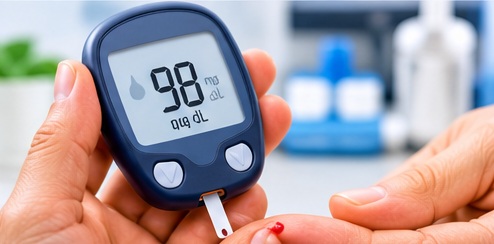
Dietary fibre plays an important role in blood-glucose regulation. It can slow digestion, reduce the speed at which glucose enters the bloodstream and improve feelings of fullness after meals.
Researchers investigated the effects of a high-fibre dietary programme in adults with recently diagnosed type 2 diabetes and obesity.
The 84-day study included 46 participants in China. One group followed a high-fibre dietary programme, consuming approximately 150–175 grams of fibre daily, while the comparison group received metformin and consumed approximately 10–15 grams of fibre daily.
At the end of the study, the high-fibre group recorded an average HbA1c of 6.32%, compared with 6.74% in the metformin group. The high-fibre group also experienced a reduction in body mass index.
Researchers observed changes in gut bacteria during the intervention. Levels of beneficial bacteria, including Bifidobacterium and Lactobacillus, increased by day 28.
These bacteria are involved in gut health and may influence metabolic processes, including insulin sensitivity.
However, the study has important limitations. It involved a small number of participants, and the high-fibre group also received dietary guidance that reduced overall energy and macronutrient intake. Therefore, the results cannot be attributed to fibre alone.
The findings do not mean that people with diabetes should stop taking metformin. Medication changes must always be discussed with the treating doctor.
✦ Clinical Takeaway
A study involving 46 adults in China with recently diagnosed type 2 diabetes and obesity found that participants following a high-fibre diet had a lower average HbA1c than participants receiving metformin alone. The study was small and its design does not establish that dietary fibre can replace diabetes medication.
CancerMedical News
Nov 18, 2026FDA Approves New Oral Breast Cancer Treatment for Patients With ESR1 Mutations
By System Admin, MD, Healthcare & Clinical Journalism•4 min read

Hormone receptor-positive breast cancer is a common form of breast cancer in which tumour cells grow in response to oestrogen. Endocrine therapy is commonly used to block the effects of this hormone and slow cancer growth.
However, some patients develop mutations in the ESR1 gene. These mutations can change the behaviour of the oestrogen receptor and make cancer cells less responsive to certain hormone treatments.
On 16 November 2026, the US FDA approved giredestrant in combination with everolimus for a specific group of adults with advanced ER-positive, HER2-negative breast cancer carrying ESR1 mutations.
Giredestrant is an oral selective oestrogen receptor degrader (SERD). It works by targeting and degrading the oestrogen receptor, while everolimus acts on a separate pathway involved in tumour growth.
The approval was supported by the Phase III evERA Breast Cancer trial, which included 373 adults, including 207 patients with ESR1-mutated tumours.
In the ESR1-mutated subgroup, the combination reduced the risk of disease progression or death by 62% compared with standard endocrine therapy combined with everolimus. Median progression-free survival was approximately 10 months compared with 5.5 months.
This approval provides an additional treatment option for patients whose disease has progressed after previous endocrine-based treatment. It is specifically intended for the approved patient group and is not a treatment for every type of breast cancer.
✦ Clinical Takeaway
The US Food and Drug Administration approved giredestrant, marketed as Wilserdly, in combination with everolimus for adults with ER-positive, HER2-negative, ESR1-mutated locally advanced or metastatic breast cancer whose disease has progressed following endocrine-based treatment.
General HealthMedical News
Nov 17, 2026Telangana Ranks Second Lowest Among States in Public Healthcare Spending Relative to GSDP
By System Admin, MD, Healthcare & Clinical Journalism•4 min read

Public healthcare spending plays an important role in ensuring that people can access affordable medical services, diagnostic facilities, medicines and hospital treatment.
According to the National Health Accounts figures discussed in the report, Telangana spent 0.8% of its Gross State Domestic Product on healthcare during 2023–24. Karnataka recorded a lower share of 0.6%, placing Telangana second lowest among states.
The report also noted that several other states increased their healthcare spending relative to their economies during the same period. Telangana's share remained unchanged from 2022–23 and was lower than its 1.0% share in 2021–22.
The report highlighted the financial pressure faced by households. Out-of-pocket healthcare expenditure per person in Telangana increased from ₹2,697 in 2022–23 to ₹2,917 in 2023–24.
Households spent a total of ₹11,086 crore directly on healthcare, representing 37.9% of the state's total health expenditure.
Public-health experts warned that inadequate investment could affect government hospital infrastructure, staffing and service quality. They also highlighted that patients may continue paying for medicines, diagnostic tests and other medical consumables even when they have access to insurance schemes.
The findings underline the importance of stronger primary healthcare facilities, adequate government hospital funding, improved staffing and affordable diagnostic services.
✦ Clinical Takeaway
A Times of India report published on 17 November, citing the National Health Accounts report, stated that Telangana spent 0.8% of its Gross State Domestic Product on healthcare in 2023–24, making it the second-lowest state after Karnataka. Experts warned that low public investment could increase dependence on private hospitals and household healthcare costs.
Mental HealthMedical News
Nov 17, 2026Five Calming Drinks That May Help Support Relaxation and Reduce Everyday Stress
By System Admin, MD, Healthcare & Clinical Journalism•4 min read

Anxiety and everyday stress can affect sleep, concentration, mood and general wellbeing. Alongside established psychological and medical treatments, some people use food and beverages as part of their relaxation routines.
A report published on 17 November examined five commonly consumed drinks that may support relaxation: chamomile tea, green tea, cocoa, tart cherry juice and warm milk.
Chamomile contains plant compounds called flavonoids. A clinical trial involving adults with generalised anxiety disorder found improvements in anxiety symptoms following chamomile-extract supplementation. However, the concentrated extract used in the study is not equivalent to an ordinary cup of chamomile tea.
Green tea contains L-theanine, an amino acid investigated for its potential effects on relaxation and attention. Its caffeine content should also be considered, as excessive caffeine can increase nervousness and interfere with sleep.
Cocoa contains polyphenols that have been studied for possible effects on mood and feelings of calmness. Tart cherry juice has been investigated for its melatonin content and possible influence on sleep duration.
Warm milk may help some people relax through its association with bedtime routines, although scientific evidence for a direct sleep-promoting effect remains mixed.
These drinks may form part of a healthy daily routine, but they do not cure anxiety disorders. Persistent anxiety, panic attacks or sleep disturbances require appropriate medical assessment.
✦ Clinical Takeaway
A new Medindia health report reviews five drinks that may support relaxation and sleep. Chamomile and green tea have some research support for anxiety-related symptoms, while cocoa and tart cherry juice have been studied for mood and sleep-related effects. These drinks are not substitutes for professional anxiety treatment.
CancerMedical News
Nov 16, 2026FDA Rejects Ivonescimab Application for Advanced Lung Cancer Treatment
By System Admin, MD, Healthcare & Clinical Journalism•4 min read

Ivonescimab is an investigational cancer medicine being developed for the treatment of certain forms of lung cancer. It is designed to target both PD-1, an immune checkpoint protein, and VEGF, a protein involved in the formation of blood vessels that support tumour growth.
Summit Therapeutics sought US approval for ivonescimab in combination with platinum-based chemotherapy for patients with locally advanced or metastatic non-squamous non-small cell lung cancer carrying an EGFR mutation. These patients had experienced disease progression after treatment with a third-generation EGFR tyrosine kinase inhibitor.
The FDA issued a complete response letter, meaning the application could not be approved in its current form.
The HARMONi Phase III trial included 438 patients across 114 centres. The study showed that progression-free survival was longer in the ivonescimab group, at 6.8 months compared with 4.4 months in the control group.
However, overall survival was 16.8 months compared with 14.0 months, and the difference did not reach statistical significance. The regulator considered this evidence insufficient to establish the required benefit-risk profile for the proposed use.
The decision does not mean that the medicine has been permanently rejected or that it has no anti-cancer activity. It means further evidence is needed before the proposed treatment can receive US approval.
✦ Clinical Takeaway
The US Food and Drug Administration declined to approve Summit Therapeutics' application for ivonescimab combined with chemotherapy for a specific group of patients with advanced EGFR-mutated non-small cell lung cancer. The main concern was the lack of statistically significant improvement in overall survival
HeartMedical News
Nov 16, 2026Long-Term Melatonin Use Linked to Higher Heart Failure Diagnoses in Adults With Insomnia
By System Admin, MD, Healthcare & Clinical Journalism•4 min read

Melatonin is a hormone naturally produced by the brain that helps regulate the sleep-wake cycle. Synthetic melatonin supplements are used for certain sleep-timing problems, including jet lag and difficulties adjusting to different sleep schedules.
A preliminary study involving more than 130,000 adults with insomnia examined the relationship between long-term melatonin use and cardiovascular outcomes.
The report found that heart failure was diagnosed in 4.6% of people in the melatonin group, compared with 2.7% in the comparison group. The researchers' findings have raised questions about the safety of prolonged supplement use.
However, these results should be interpreted cautiously. An observational association cannot establish that melatonin directly causes heart failure. Other factors, including the severity of insomnia, existing medical conditions and differences in overall health, may influence the results.
Melatonin is not a conventional sleeping pill and does not treat every cause of insomnia. Its use should be based on individual medical needs rather than assumptions that a supplement is automatically safe for long-term consumption.
People experiencing persistent sleep problems or taking melatonin regularly should discuss the benefits and potential risks with a qualified healthcare professional.
✦ Clinical Takeaway
A preliminary study involving more than 130,000 adults with insomnia found that people whose records indicated long-term melatonin use had a higher rate of heart failure diagnoses than those in the comparison group. The findings do not establish that melatonin causes heart disease.
General HealthMedical News
Nov 14, 2026New Research Evaluates Strategies to Improve HPV Vaccination Rates Among Children
By System Admin, MD, Healthcare & Clinical Journalism•4 min read
Preventive vaccination is an important part of public-health programmes because it can reduce the risk of infectious diseases and certain cancers.
Human papillomavirus is a common infection that can cause cervical cancer and several other cancers. HPV vaccination before exposure to the virus offers an important opportunity to reduce the risk of HPV-associated disease later in life.
Despite the availability of effective vaccines, vaccination rates can be affected by lack of awareness, concerns about vaccine safety, missed appointments and inconsistent recommendations from healthcare providers.
A randomised clinical trial published on 13 November examined two approaches to improve vaccination: training clinicians to communicate more effectively with parents and sending text-message outreach to families.
The study focused on children aged 10–12 in Florida. It evaluated whether these communication strategies could increase HPV vaccination rates.
The research is important because improving vaccination coverage requires more than making vaccines available. Healthcare systems also need effective communication, convenient access and consistent follow-up.
The trial examines implementation strategies rather than introducing a new vaccine. Its findings may help public-health organisations strengthen routine childhood immunisation programmes.
✦ Clinical Takeaway
A randomised clinical trial published in JAMA Network Open evaluated clinician training and parent text-message outreach to improve HPV vaccination among children aged 10–12 in Florida.
NeurologyMedical News
Nov 14, 2026Researchers Investigate How Early-Life Neighbourhood Conditions May Influence Biological Ageing in Children
By System Admin, MD, Healthcare & Clinical Journalism•4 min read

Epigenetic ageing refers to biological changes in the way genes are regulated over time. Researchers can study these changes through DNA methylation, which influences how genetic information is used by cells.
Biological age does not always correspond exactly to chronological age. Environmental exposures, nutrition, stress and other influences may be associated with differences in biological ageing.
The newly published cohort study examined the relationship between neighbourhood conditions around birth and epigenetic age-acceleration patterns during childhood.
Researchers assessed children at three developmental stages: approximately 3, 8 and 13 years of age. The study investigated whether the environmental conditions surrounding a child's early life were associated with differences in biological ageing trajectories.
The research is relevant to understanding how early environmental experiences may influence long-term health and development. It also highlights the importance of considering housing, neighbourhood conditions and other social and environmental factors in childhood health research.
Epigenetic age acceleration is a research measurement, not a diagnosis of neurological disease. The study does not establish that a particular neighbourhood exposure causes brain damage or cognitive decline.
Further research is needed to understand the mechanisms involved and whether the observed biological patterns predict later health outcomes.
✦ Clinical Takeaway
A cohort study published in JAMA Network Open examined whether neighbourhood environmental conditions around birth were associated with epigenetic age-acceleration patterns in children assessed at ages 3, 8 and 13.
AyurvedaMedical News
Nov 14, 2026Ayurveda Institute Uses Children's Day to Promote Traditional Nutrition Awareness
By System Admin, MD, Healthcare & Clinical Journalism•4 min read

Kaumarbhritya is a branch of Ayurveda concerned with child health and paediatric care. It traditionally addresses areas such as childhood nutrition, growth, development and preventive health practices.
The National Institute of Ayurveda in Panchkula has organised a Children's Day programme to encourage children and parents to pay greater attention to healthy eating habits.
The programme includes guidance on balanced diets, health screening, interactive educational activities and distribution of a nutritious flour mix. The organisers aim to make health education accessible to families and encourage children to develop healthy habits from an early age.
The initiative also highlights the importance of considering children's individual nutritional requirements rather than applying identical dietary advice to every child.
Although the event uses an Ayurveda-based educational framework, the programme announcement does not provide clinical evidence that a specific traditional preparation prevents or treats disease.
Parents should ensure that children's diets meet established nutritional requirements and consult qualified healthcare professionals about growth concerns, deficiencies or medical conditions.
✦ Clinical Takeaway
The National Institute of Ayurveda in Panchkula is conducting a Children's Day awareness programme through its Department of Kaumarbhritya. The initiative introduces children and parents to nutrition, healthy lifestyle choices and traditional dietary concepts.
NutritionMedical News
Nov 14, 2026National Institute of Ayurveda Organises Children's Day Nutrition Awareness Programme
By System Admin, MD, Healthcare & Clinical Journalism•4 min read

Healthy eating habits developed during childhood can influence growth, development and long-term health. A balanced diet provides the energy, protein, vitamins and minerals children need for physical development, learning and immune function.
However, frequent consumption of highly processed snacks, sugary drinks and foods with low nutritional value can displace healthier choices in children's diets.
The National Institute of Ayurveda in Panchkula announced a Children's Day programme on 14 November to promote nutrition awareness among children and parents.
The initiative is being organised through its Department of Kaumarbhritya under the Ministry of AYUSH. Activities include nutrition education, health screening, quiz and drawing competitions, and the distribution of a nutritious flour mix.
The programme also aims to encourage families to consider children's age, physical requirements and individual dietary needs when planning meals.
The initiative is an educational awareness programme, not a clinical trial demonstrating that a particular Ayurvedic diet or flour preparation treats a medical condition.
Parents should focus on varied, age-appropriate meals and seek professional advice when children have nutritional deficiencies, food allergies or growth concerns.
✦ Clinical Takeaway
The National Institute of Ayurveda, Panchkula, announced a Children's Day nutrition-awareness programme involving children and parents. The event includes health screening, healthy-eating education and activities promoting balanced diets.
FitnessMedical News
Nov 14, 2026Genetic Research Review Finds Mixed Evidence Linking Physical Activity to Better Brain Health
By System Admin, MD, Healthcare & Clinical Journalism•4 min read

Physical activity is widely recommended for maintaining cardiovascular fitness, muscle strength, mobility and overall health. Researchers have also investigated whether exercise directly influences brain function and psychological wellbeing.
A systematic review published on 10 November examined studies using Mendelian randomisation, a research method that uses genetic information to investigate potential causal relationships between exposures and health outcomes.
The researchers identified 61 eligible studies from a larger search. They found promising evidence in some areas, including a possible protective effect of aerobic exercise against depression and associations between physical fitness and cognitive outcomes.
However, many studies reported no clear effect or results that differed in direction. The researchers also highlighted limitations in the quality and measurement of physical activity and brain-health outcomes.
The review therefore concludes that the causal evidence remains limited and mixed. It does not suggest that exercise is ineffective; rather, it shows that the precise relationship between activity and different brain outcomes is complex.
Regular physical activity remains beneficial for general health. The research highlights the need for stronger studies to understand which types and levels of exercise may offer particular cognitive or mental-health benefits.
✦ Clinical Takeaway
A systematic review in npj Exercise Medicine and Health assessed 61 Mendelian-randomisation studies investigating physical activity, fitness, sedentary behaviour and brain health. Evidence was promising for some outcomes, including depression risk and cognitive function, but overall causal evidence remained mixed.
Mental HealthMedical News
Nov 14, 2026Study Examines Workplace Violence and Working Conditions Among Emergency Department Nurses
By System Admin, MD, Healthcare & Clinical Journalism•4 min read

Emergency department nurses work in high-pressure environments where they regularly manage critically ill patients, distressed families and unpredictable emergencies. These conditions can expose healthcare workers to verbal abuse, threats and physical violence.
Workplace violence can have consequences beyond immediate physical injury. Repeated exposure may contribute to anxiety, emotional exhaustion, sleep disturbances, reduced job satisfaction and burnout.
A study published on 13 November examined workplace violence among emergency department nurses, with particular attention to work hours and the context in which nurses provide care.
Understanding the relationship between staffing conditions, working hours and violence is important for hospitals seeking to improve staff safety and psychological wellbeing.
Possible workplace protections include appropriate staffing, clear procedures for managing aggressive behaviour, staff training, rapid security support and access to psychological services after serious incidents.
The study is cross-sectional, so it can identify associations but cannot establish that particular working conditions directly caused violence or mental-health problems.
The findings highlight the need to treat healthcare-worker safety as an essential part of the quality of patient care.
✦ Clinical Takeaway
A cross-sectional study in JAMA Network Open examined workplace violence against emergency department nurses and the relationship with work hours and department-level conditions.
PediatricsMedical News
Nov 14, 2026Clinician Training and Parent Text Messages Tested to Improve HPV Vaccination in Children
By System Admin, MD, Healthcare & Clinical Journalism•4 min read

Human papillomavirus (HPV) is a common virus that can cause several cancers later in life, including cervical, anal and some head-and-neck cancers. HPV vaccination is an important preventive measure because it protects against HPV types responsible for a substantial proportion of these cancers.
Although vaccination is recommended during childhood and early adolescence, uptake can be affected by parental concerns, limited awareness, missed appointments and inconsistent recommendations from healthcare professionals.
The new randomised clinical trial examined whether clinician communication training and text-message outreach to parents could improve HPV vaccination among children aged 10–12.
The research is important because it evaluates practical approaches that healthcare systems can use to address missed vaccination opportunities. Clinician recommendations and clear communication with parents may help families understand the purpose and timing of vaccination.
The study focuses on vaccination strategies rather than testing a new vaccine. Its findings may help improve routine preventive healthcare for children.
Parents should discuss the recommended HPV vaccination schedule with their child's healthcare professional and follow the applicable national immunisation guidance.
✦ Clinical Takeaway
A randomised clinical trial published in JAMA Network Open evaluated clinician training and parent text-message outreach to improve HPV vaccination rates among children aged 10–12 in Florida.
Women's HealthMedical News
Nov 14, 2026ACOG Issues Guidance on GLP-1 Medicines During Pregnancy and Breastfeeding
By System Admin, MD, Healthcare & Clinical Journalism•4 min read

GLP-1 receptor agonists are medicines used in the management of type 2 diabetes and, in certain formulations, obesity. They influence appetite, digestion and blood-glucose regulation.
As these medicines become more widely used, questions about their safety during pregnancy and breastfeeding have become increasingly important.
The American College of Obstetricians and Gynecologists published new guidance on 13 November addressing GLP-1 medicine use during pregnancy and lactation.
Medication decisions during pregnancy require careful consideration because a medicine that is suitable for a non-pregnant adult may not have established safety for a developing baby. Women planning pregnancy may also need to discuss the timing of medication changes with their healthcare professionals.
The guidance is relevant to obstetricians, gynaecologists, primary-care doctors and women using GLP-1 medicines for diabetes or weight management.
Women should not independently start, stop or change prescribed medication based on general news reports. Anyone who is pregnant, breastfeeding or planning pregnancy should discuss their treatment with the prescribing clinician and maternity-care team.
✦ Clinical Takeaway
The American College of Obstetricians and Gynecologists released guidance addressing GLP-1 receptor agonist use during pregnancy and lactation. The update focuses on medication safety and the need for individualised medical advice for women using these medicines.
DiabetesMedical News
Nov 14, 2026Clinical Trial Evaluates a New Technique to Improve Diabetic Foot Ulcer Healing
By System Admin, MD, Healthcare & Clinical Journalism•4 min read
Diabetic foot ulcers are a serious complication of diabetes. Persistently elevated blood glucose can damage nerves and blood vessels, reducing sensation and impairing circulation in the feet.
Because patients may not notice minor injuries, small wounds can develop into deeper ulcers. Poor blood supply and impaired tissue repair can make these wounds difficult to heal and increase the risk of infection, hospitalisation and amputation.
The Inforatio technique is being evaluated as a possible addition to standard diabetic wound care. It involves creating controlled small incisions in the wound bed using biopsy-punch tools.
The randomised clinical trial compared this approach combined with standard care against standard care alone. Its primary outcome was the proportion of diabetic foot ulcers achieving closure within 20 weeks.
The study is important because persistent ulcers can substantially affect mobility and quality of life. However, the trial listing alone does not establish that the technique is superior or suitable for routine treatment.
Prevention remains essential. People with diabetes should inspect their feet regularly, use appropriate footwear, manage blood glucose and seek prompt medical attention for wounds, swelling or signs of infection.
✦ Clinical Takeaway
A randomised clinical trial listed in JAMA Network Open evaluated the Inforatio technique, which uses biopsy-punch tools to create incisions in diabetic foot-ulcer wound beds alongside standard care. The trial examined whether the approach increased the proportion of ulcers that closed within 20 weeks.
CancerMedical News
Nov 14, 2026Native American and Hispanic Women Diagnosed With Endometrial Cancer at Younger Ages, Study Finds
By System Admin, MD, Healthcare & Clinical Journalism•4 min read

Endometrial cancer develops in the lining of the uterus. It is one of the most common gynaecological cancers, and abnormal uterine bleeding is an important symptom that requires medical assessment.
Researchers at the University of Arizona Cancer Center reviewed medical records from 261 women who underwent gynaecological surgery between 2016 and 2021. Among them, 168 were confirmed to have endometrial cancer.
The study reported an average diagnosis age of 49.8 years among Native American patients, compared with 62 years among White patients. Hispanic patients were diagnosed at an average age of 53.7 years, compared with 61.6 years among non-Hispanic patients.
The researchers also examined metabolic and social factors. Diabetes and obesity were identified as important health considerations, while housing and transportation difficulties were more common among patients with cancer in the study group.
The findings challenge the assumption that endometrial cancer is primarily a disease affecting older, postmenopausal women. Younger women with persistent or unusual uterine bleeding should not automatically dismiss the symptom as a routine menstrual change.
The study was retrospective and involved a relatively small patient group. Larger studies are needed to confirm the differences and understand the biological and social factors contributing to them.
✦ Clinical Takeaway
A study from the University of Arizona Cancer Center found that Native American and Hispanic women in its patient group were diagnosed with endometrial cancer at younger average ages than White and non-Hispanic women. The researchers emphasised the need for better awareness and accessible diagnostic testing.
HeartMedical News
Nov 14, 2026Major Heart Studies Highlight New Approaches to Stroke Prevention and Heart Rhythm Treatment
By System Admin, MD, Healthcare & Clinical Journalism•4 min read

Several cardiovascular research studies presented at the American Heart Association conference may influence how doctors manage patients with complex heart and blood-vessel conditions.
The American College of Cardiology's 13 November research recap highlighted seven studies covering different areas of cardiovascular medicine.
One major topic was the OPTIMAL-STROKE trial, which examined whether intensive blood-pressure control targeting a systolic pressure of 120 mm Hg or less could reduce major cardiovascular events in people with elevated blood pressure and a previous ischaemic stroke or transient ischaemic attack.
Other studies examined ziltivekimab, an anti-inflammatory treatment being investigated in people with atherosclerotic cardiovascular disease, chronic kidney disease and systemic inflammation, and pelacarsen, a treatment targeting lipoprotein(a), an inherited cardiovascular risk factor.
The recap also discussed updated evidence on statin therapy, yoga-based cardiac rehabilitation in people with diabetes, left bundle-branch pacing and treatment approaches following atrial-fibrillation ablation.
These studies address different patient groups and should not be interpreted as one new treatment recommendation. Their results require careful consideration of trial design, safety and clinical applicability before changing individual treatment plans.
✦ Clinical Takeaway
The American College of Cardiology reviewed seven studies presented at the recent American Heart Association conference. Topics included intensive blood-pressure control after stroke, therapies targeting inflammation and lipoprotein(a), statin treatment, atrial-fibrillation ablation and newer cardiac pacing approaches.
General HealthMedical News
Nov 13, 2026India's Tuberculosis Burden Missing From WHO's 2026 Global Report Pending Revised Estimates
By System Admin, MD, Healthcare & Clinical Journalism•4 min read

Tuberculosis is an infectious disease caused by Mycobacterium tuberculosis. It most commonly affects the lungs but can also involve other parts of the body.
India carries a substantial share of the global tuberculosis burden. Accurate estimates of new cases, deaths and treatment outcomes are important for planning public-health programmes, allocating resources and evaluating progress towards disease-control targets.
A report published on 13 November highlighted that India's tuberculosis incidence figures were missing from the WHO's 2026 global report. The country's revised estimates remain under review while authorities analyse findings from a district-level survey.
The revised estimates are expected in early 2027. These figures are important because improved national data can help identify geographical differences in disease burden and strengthen the planning of screening, diagnosis and treatment services.
Tuberculosis symptoms may include a persistent cough, fever, night sweats, weight loss and tiredness. Anyone experiencing persistent symptoms should seek medical assessment rather than delay testing.
India's tuberculosis-control efforts rely on early diagnosis, appropriate treatment, contact screening and support to help patients complete their prescribed treatment course.
The report highlights the importance of reliable disease surveillance data in the global fight against tuberculosis.
✦ Clinical Takeaway
A report published on 13 November stated that India's tuberculosis incidence was missing from the WHO's 2026 global report because the country's revised disease-burden estimates were still under review. Updated estimates are expected in early 2027.
OrthopedicsMedical News
Nov 13, 2026Maharashtra Tightens Quality Checks on Dental Laboratories After Reports of Substandard Crowns
By System Admin, MD, Healthcare & Clinical Journalism•4 min read

Dental crowns are artificial coverings placed over damaged or weakened teeth. They are commonly used after extensive tooth decay, fractures, root-canal treatment or other procedures that require additional protection.
The quality of a dental crown depends on several factors, including the material used, accurate measurements, laboratory manufacturing standards and proper fitting by a qualified dental professional.
A report published on 13 November highlighted more than 350 complaints in Maharashtra involving concerns about dental laboratory practices. The complaints included allegations of unqualified technicians and substandard materials.
In response, the state is increasing regulatory oversight of dental laboratories. The reported measures include inspections, licensing norms and mandatory quality checks.
Poorly manufactured or fitted crowns may cause discomfort, bite problems, gum irritation and other complications. Appropriate quality standards are therefore important for patient safety.
The development highlights the need for proper regulation of dental laboratory services and clear accountability across dental treatment and manufacturing.
✦ Clinical Takeaway
Maharashtra has increased scrutiny of dental laboratories following more than 350 complaints involving concerns such as unqualified technicians and substandard materials used to make dental crowns. The measures include inspections, licensing requirements and quality checks.
NeurologyMedical News
Nov 13, 2026Better Sleep Quality May Support Brain Function in People With Stroke, Diabetes and Heart Disease
By System Admin, MD, Healthcare & Clinical Journalism•4 min read

Sleep plays an important role in memory consolidation, attention, learning and the maintenance of normal brain function.
People living with chronic conditions such as diabetes, heart disease and stroke may experience sleep disturbances due to pain, medication effects, breathing problems, anxiety or changes in neurological function.
Poor sleep can affect concentration, memory and the ability to perform everyday activities. It may also complicate the management of existing health conditions.
Research reported on 12 November examined the relationship between sleep quality and cognitive performance in people with type 2 diabetes, cardiovascular disease or a history of stroke.
The findings suggest that better sleep quality may be associated with improved cognitive function in these patient groups. The research adds to growing evidence that sleep should be considered an important component of long-term neurological and general healthcare.
However, an association does not prove that improving sleep alone will reverse cognitive impairment or prevent dementia. More research is required to determine which sleep interventions provide measurable benefits for different patient groups.
Patients with persistent insomnia, loud snoring, suspected sleep apnoea or excessive daytime sleepiness should discuss these symptoms with a healthcare professional.
✦ Clinical Takeaway
Medical News Today reported research suggesting that better sleep quality may be associated with improved cognitive function among people living with type 2 diabetes, cardiovascular disease or stroke.
AyurvedaMedical News
Nov 13, 2026Scientific Validation Remains Essential for the Safe Use of Ayurvedic Medicinal Plants
By System Admin, MD, Healthcare & Clinical Journalism•4 min read

Ayurveda uses a wide range of medicinal plants and herbal preparations as part of its traditional healthcare system. Their safe and consistent use depends on correct plant identification, appropriate preparation, quality control and an understanding of possible side effects.
Different plants can have similar regional names, while the same plant may be known by several names in different languages. This can create difficulties in sourcing, documentation and scientific research.
Standardisation helps researchers and manufacturers establish the correct botanical identity, chemical composition and quality of herbal ingredients.
Scientific assessment is also important because natural products can interact with prescription medicines, vary in strength and sometimes contain contaminants or undeclared ingredients.
Clinical research is necessary to determine whether a particular Ayurvedic preparation is effective and safe for a specific condition. Traditional use alone is not sufficient evidence of clinical benefit.
Patients should inform their doctors about herbal medicines they use, particularly if they are pregnant, have chronic health conditions or take regular prescription medication.
✦ Clinical Takeaway
Ayurveda uses a wide range of medicinal plants and herbal preparations as part of its traditional healthcare system. Their safe and consistent use depends on correct plant identification, appropriate preparation, quality control and an understanding of possible side effects.
NutritionMedical News
Nov 13, 2026Reading Nutrition Labels Frequently Linked to Lower Added-Sugar Intake
By System Admin, MD, Healthcare & Clinical Journalism•4 min read

Excessive added-sugar consumption is associated with several health concerns, including weight gain, dental problems and increased risk of metabolic disorders.
Packaged foods can contain added sugar even when they are not perceived as sweet. It may appear in sauces, breakfast cereals, flavoured dairy products, beverages and processed snacks.
Nutrition labels provide information about the quantity of added sugar and other nutrients in a product. Checking these details can help consumers compare products and make informed decisions.
Researchers analysed dietary and survey data from 9,416 participants in the United States. They found that adults who frequently read nutrition labels consumed 42.8 grams less added sugar per day than those who read labels infrequently. The difference among children was 14.5 grams.
The study suggests that label awareness may be a useful tool for improving dietary habits. However, the results are observational and do not prove that reading labels alone causes lower sugar consumption.
Nutrition education, affordable access to healthier food and clear product labelling may work together to help people make better dietary choices.
✦ Clinical Takeaway
Analysis of 9,416 US adults and children found that people who frequently read food labels consumed less added sugar than those who rarely checked nutritional information. The difference was 42.8 grams per day among adults and 14.5 grams among children.
FitnessMedical News
Nov 13, 2026Midlife Telomere Length May Reflect Stress and Chronic Disease More Than Physical Fitness
By System Admin, MD, Healthcare & Clinical Journalism•4 min read

Telomeres are protective structures at the ends of chromosomes. They help protect genetic material during cell division and generally become shorter as cells divide over time.
Telomere length is often investigated as one possible marker of biological ageing. Researchers have also explored whether chronic stress, physical activity, sleep and disease may influence telomere measurements.
In the newly reported study, researchers in Lithuania measured telomere length in blood samples from 84 adults. Most participants were middle-aged, with an average age of approximately 51 years.
The researchers examined relationships between telomere length, perceived stress, chronic disease, lifestyle characteristics and physical function.
They reported associations between telomere length and perceived stress and chronic disease, but did not find similar associations with physical fitness or lifestyle measures in this small sample.
The findings suggest that cellular ageing is complex and may not be adequately represented by physical fitness alone. However, the study's small sample size and cross-sectional design mean that it cannot establish cause and effect.
Regular exercise remains important for cardiovascular health, muscle strength, mobility, metabolic health and psychological wellbeing, even if this particular study did not find a relationship with telomere length.
✦ Clinical Takeaway
Lithuanian researchers studied telomere length in blood samples from 84 adults, most of them middle-aged. They found associations with perceived stress and chronic disease, but not with lifestyle or physical-function measurements.
Mental HealthMedical News
Nov 13, 2026Reports of Sexual Harassment Increased Between 2018 and 2024, US Study Finds
By System Admin, MD, Healthcare & Clinical Journalism•4 min read

Sexual harassment can have long-lasting effects on emotional and psychological wellbeing. People who experience harassment may develop anxiety, depression, sleep difficulties, reduced confidence and symptoms associated with trauma.
Researchers compared findings from the 2018 and 2024 #MeToo National Surveys to examine changes in reported experiences of sexual harassment among adults in the United States.
The proportion of adults reporting past-year sexual harassment increased from 10.7% in 2018 to 24.3% in 2024. Among women, reported experiences increased from 14.3% to 31.8%. Among men, the figure increased from 6.7% to 15.2%.
The researchers cautioned that the increase does not necessarily demonstrate that the actual number of incidents rose by the same amount. Greater public awareness, changes in how people understand harassment and increased willingness to disclose experiences may have influenced the results.
The findings highlight the importance of safe reporting systems, access to psychological support and workplace policies that prevent harassment and protect affected individuals.
The study is relevant to mental health because harassment can affect emotional safety, relationships, workplace participation and long-term psychological wellbeing.
✦ Clinical Takeaway
A study in the American Journal of Public Health comparing the 2018 and 2024 #MeToo National Surveys found that reports of past-year sexual harassment among US adults increased from 10.7% to 24.3%. Researchers noted that greater awareness and willingness to disclose experiences may partly explain the increase.
PediatricsMedical News
Nov 13, 2026Unusual Everyday Products Trigger Severe Allergic Reactions in Children and Teenagers
By System Admin, MD, Healthcare & Clinical Journalism•4 min read

Anaphylaxis is a severe allergic reaction that can develop rapidly and become life-threatening. It may affect breathing, blood pressure, skin and the digestive system. Immediate treatment with epinephrine is essential when anaphylaxis is suspected.
Allergy specialists reported three unusual cases involving children and teenagers. The reported triggers included a fish-collagen ingredient in an energy drink, castor oil applied to the skin and a children's sensory toy.
These cases demonstrate that allergic reactions may sometimes be caused by ingredients or materials that families do not immediately recognise as potential allergens.
The symptoms of anaphylaxis can include swelling of the lips or tongue, difficulty breathing, widespread hives, vomiting, dizziness and sudden weakness. Symptoms can progress quickly, so parents and caregivers need to recognise warning signs.
Children with known severe allergies should follow an individualised allergy-management plan and carry prescribed emergency medication where advised by their clinician.
The cases also highlight the importance of checking product ingredients and informing healthcare professionals about unusual exposures when investigating unexplained allergic reactions.
These are individual clinical cases, not evidence that the products mentioned commonly cause anaphylaxis in children.
✦ Clinical Takeaway
Three cases presented at the 2026 American College of Allergy, Asthma and Immunology annual scientific meeting described anaphylaxis in children and teenagers linked to unexpected allergens. All three patients required epinephrine treatment.
Women's HealthMedical News
Nov 13, 2026Burnout Among Maternity Trainee Doctors Raises Concerns About Patient Safety
By System Admin, MD, Healthcare & Clinical Journalism•4 min read

Maternity services require continuous medical supervision because complications can develop rapidly during pregnancy, labour and delivery. Obstetric and gynaecology doctors often work long shifts and manage emergencies involving both mothers and newborn babies.
The General Medical Council's 2026 national training survey identified significant concerns about the wellbeing of doctors in this specialty.
According to the reported findings, 70% of obstetrics and gynaecology trainees were at moderate to high risk of burnout, compared with 61% across all medical specialties. Around one in three trainees also reported regular sleep deprivation.
The regulator warned that excessive workload, fatigue and hesitation to raise concerns could affect the quality and safety of maternity care.
Burnout can affect concentration, decision-making, communication and emotional wellbeing. In a high-pressure clinical environment, these factors may increase the risk of mistakes or delays in responding to complications.
The findings highlight the importance of safe staffing levels, appropriate working hours, supportive supervision and an environment where doctors can raise concerns without fear.
The report does not establish that individual cases of poor maternity outcomes were caused by trainee burnout. It identifies workforce wellbeing as an important part of patient-safety planning.
✦ Clinical Takeaway
The UK's General Medical Council warned that high burnout and sleep deprivation among maternity trainee doctors could affect patient care. Its 2026 national training survey found that 70% of obstetrics and gynaecology trainees were at moderate to high risk of burnout, compared with 61% across all specialties.
DiabetesMedical News
Nov 13, 2026Adults Who Frequently Read Food Labels Consume Less Added Sugar, Study Finds
By System Admin, MD, Healthcare & Clinical Journalism•4 min read

Added sugar is commonly found in packaged foods, sweetened beverages, desserts and processed snacks. Regularly consuming excessive amounts can contribute to weight gain, insulin resistance and an increased risk of type 2 diabetes.
Nutrition labels provide information about sugar, calories, carbohydrates and other ingredients. Reading these labels can help consumers compare products and make more informed food choices.
Researchers analysed data from 9,416 children and adults participating in the US National Health and Nutrition Examination Survey. They examined the relationship between how frequently participants read nutrition labels and their reported added-sugar consumption.
Adults who frequently read food labels consumed 42.8 grams less added sugar per day than those who read labels infrequently. Among children, the difference was 14.5 grams.
The findings suggest that nutrition-label awareness may support healthier dietary decisions. However, the study is observational and cannot prove that reading labels alone caused the differences in sugar intake.
For people at risk of diabetes, checking added-sugar content, choosing less-sweetened foods and maintaining a balanced diet can support better long-term metabolic health.
✦ Clinical Takeaway
Researchers analysing US nutrition data found that adults who frequently read food labels consumed 42.8 grams less added sugar per day than adults who rarely read them. The study also found a smaller difference among children.
CancerMedical News
Nov 13, 2026Scientists Identify a Metabolic Pathway Linked to Lung Cancer Spread to Lymph Nodes
By System Admin, MD, Healthcare & Clinical Journalism•4 min read

Lung cancer can spread beyond the lungs through the lymphatic system and bloodstream. Lymph-node involvement is an important factor in determining cancer stage, treatment planning and prognosis.
Researchers are investigating how cancer cells alter their metabolism to survive, move through surrounding tissue and establish secondary tumours.
The newly reported study examined MOCCI, a protein associated with mitochondrial complex IV. Mitochondria are cellular structures responsible for producing much of the energy required by cells.
The researchers found that MOCCI was associated with changes in oxidative phosphorylation, a process involved in cellular energy production. In laboratory experiments, reducing MOCCI expression decreased cancer-cell migration and invasion by more than 50%, while increasing its expression enhanced several processes associated with tumour spread.
The work provides insight into how mitochondrial metabolism may contribute to lung cancer progression. It could help identify possible molecular targets for future treatment research.
However, the findings come from laboratory and animal experiments. They do not establish an effective treatment for people with lung cancer, and further research is required before clinical applications can be considered.
✦ Clinical Takeaway
Researchers from Fudan University Shanghai Cancer Center and collaborators identified a role for the mitochondrial protein MOCCI in a metabolic pathway associated with lung cancer lymph-node metastasis. Experiments in cell lines and mouse models suggested that changing MOCCI expression affected cancer-cell migration and invasion.
HeartMedical News
Nov 13, 2026Scientists Develop First Human Tissue Model of Inherited Cardiomyopathy
By System Admin, MD, Healthcare & Clinical Journalism•4 min read

Inherited cardiomyopathies are disorders in which genetic changes affect the structure or function of the heart muscle. Some forms can cause abnormal heart enlargement, weakened pumping ability, irregular heart rhythms and, in severe cases, heart failure.
One inherited condition is desmin-related cardiomyopathy associated with changes in the CRYAB gene. This gene produces a protein involved in protecting other proteins from damage and maintaining normal cellular function.
Researchers at Washington University have developed a human tissue model to study this condition. The model uses induced pluripotent stem cells and micro-engineered heart tissue to reproduce aspects of the disease in a laboratory setting.
The researchers reported that the model expresses mutant CRYAB at levels closer to those observed in human disease, addressing limitations of some earlier animal models. Their work also examined problems involving cellular protein quality control.
The model could help researchers investigate how the mutation affects heart-muscle cells and test possible treatment strategies. It is an experimental research tool, not a treatment currently available to patients.
✦ Clinical Takeaway
Researchers at Washington University developed a human tissue model of CRYAB-linked desmin-related cardiomyopathy using engineered heart tissue and induced pluripotent stem cells. The model could help scientists investigate disease mechanisms and evaluate potential treatments.
General HealthMedical News
Nov 12, 2026World Pneumonia Day 2026 Highlights the Need for Better Prevention and Early Treatment
By System Admin, MD, Healthcare & Clinical Journalism•4 min read

Pneumonia is an infection that causes inflammation in the lungs. It can be caused by bacteria, viruses or fungi and may lead to fluid accumulation in the air sacs, making breathing difficult.
The condition can affect people of all ages, but young children, adults over 65 and people with chronic conditions such as diabetes, heart disease or weakened immunity are at greater risk of serious complications.
World Pneumonia Day is observed annually on 12 November to raise awareness about prevention, diagnosis and treatment. This year's health coverage highlights the importance of recognising symptoms early and improving access to appropriate medical services.
Common symptoms include persistent fever, cough, chest pain, breathlessness, rapid breathing and severe tiredness. Older adults may also experience confusion, unusual sleepiness or sudden weakness.
Doctors have emphasised that vaccination can reduce the risk of severe illness from certain pneumonia-causing infections. Appropriate pneumococcal vaccination and influenza vaccination are important considerations for eligible people, particularly older adults and those with underlying health conditions.
Early assessment may involve oxygen-level measurement, blood tests, respiratory cultures and imaging when required. Antibiotics are appropriate for bacterial pneumonia but do not treat viral infections. Unnecessary antibiotic use can contribute to antimicrobial resistance.
The public-health message is clear: early recognition, appropriate vaccination, timely treatment and responsible antibiotic use can help reduce preventable pneumonia complications.
✦ Clinical Takeaway
World Pneumonia Day on 12 November draws attention to pneumonia prevention, early diagnosis and access to effective treatment. Recent guidance from doctors in Hyderabad highlights the importance of vaccination and timely medical care, particularly for children, older adults and people with chronic illnesses.
OrthopedicsMedical News
Nov 12, 2026New Analysis Compares Bone-Strengthening Medicines After Low-Trauma Fractures
By System Admin, MD, Healthcare & Clinical Journalism•4 min read
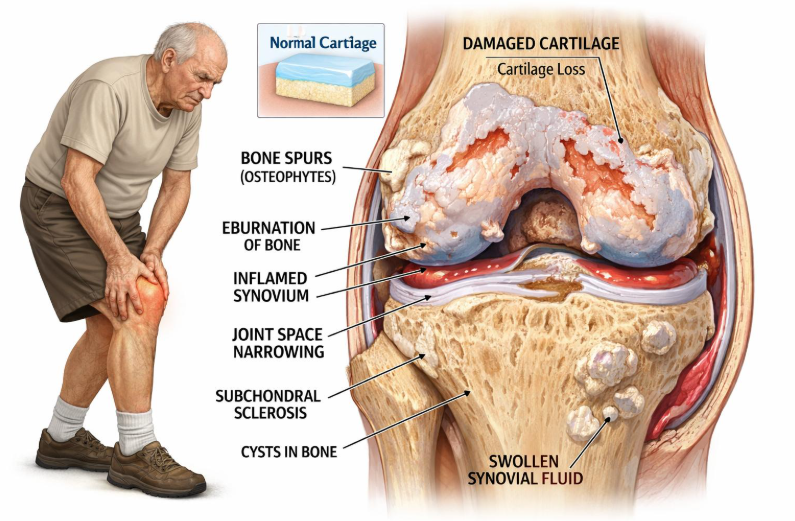
Low-trauma fractures occur when bones break after a relatively minor fall or injury. They are often associated with osteoporosis, a condition that weakens bones and increases fracture risk.
After a fracture, patients may be prescribed antiresorptive medicines to reduce further bone loss. Two commonly used treatment approaches include nitrogen-containing bisphosphonates and denosumab.
Researchers in Australia compared outcomes among 15,099 adults aged 50 years or older who began osteoporosis treatment after a low-trauma fracture. The study used linked health records and a target-trial emulation approach to compare the two treatment groups.
The researchers found that starting nitrogen-containing bisphosphonates was associated with a higher risk of another fracture compared with denosumab in both men and women. However, there was no clear difference in all-cause mortality between the treatment groups.
These findings may help clinicians consider treatment selection and follow-up after fractures. However, the study is observational, and the results do not prove that one medicine is universally better for every patient.
Treatment decisions should consider fracture history, kidney function, other medical conditions, medication suitability, cost and the patient's overall risk profile. Patients should not change osteoporosis medication without consulting their treating doctor.
✦ Clinical Takeaway
A study published in JAMA Network Open compared nitrogen-containing bisphosphonates with denosumab among 15,099 adults treated after low-trauma fractures. Bisphosphonate initiation was associated with a higher risk of refracture, while the study found no clear difference in all-cause mortality.
NeurologyMedical News
Nov 12, 2026Early-Onset Alzheimer's Disease May Progress More Aggressively Than Later-Onset Disease
By System Admin, MD, Healthcare & Clinical Journalism•4 min read

Alzheimer's disease is a progressive neurological condition that affects memory, thinking, language and everyday functioning. It is the most common cause of dementia, particularly among older adults.
Early-onset Alzheimer's refers to disease that develops before the age of 65. It is less common than later-onset Alzheimer's, but its effects can be especially disruptive because affected people may still be working, raising families or managing major financial responsibilities.
Early symptoms can include difficulty remembering recent information, problems organising tasks, changes in language and impaired decision-making. These symptoms may initially be attributed to stress, sleep difficulties or mental-health conditions, potentially delaying specialist assessment.
The medical-news coverage highlights evidence that early-onset disease may progress more aggressively in some patients. However, the course varies considerably between individuals and depends on factors such as disease subtype, genetic background and overall health.
Diagnosis may involve cognitive assessments, neurological examinations, brain imaging and, where appropriate, specialised biomarker testing.
The report reinforces the importance of investigating persistent cognitive changes in younger adults rather than assuming that memory difficulties are simply caused by stress or ageing.
✦ Clinical Takeaway
A medical-news report highlighted research into early-onset Alzheimer's disease, which develops before age 65. The condition may involve a different clinical course and can create particular challenges because symptoms are sometimes initially mistaken for stress, depression or other conditions.
AyurvedaMedical News
Nov 12, 2026CCRAS Continues Scientific Documentation of Traditional Medicinal Plants
By System Admin, MD, Healthcare & Clinical Journalism•4 min read

Medicinal plants have an important place in traditional Indian healthcare systems. However, the same plant may be known by different regional names, while similar local names may sometimes refer to different botanical species.
Accurate identification is essential for the safe documentation, research and use of medicinal plants. Incorrect identification can create problems in raw-material sourcing, product quality and the interpretation of research findings.
The Central Council for Research in Ayurvedic Sciences reported an expert committee meeting held at its Bhubaneswar centre on 8 October 2026. The meeting formed part of a project focused on documenting vernacular plant names used in Indian-system medicine formularies and identifying highly traded medicinal plants.
Experts in botany, Dravyaguna and related disciplines reviewed Odia plant names, regional variations, synonyms and botanical identities.
The recommendations are intended to strengthen scientific documentation and help establish more consistent references for medicinal plants used in traditional medicine.
This is a research-documentation development rather than evidence that a particular Ayurvedic treatment has been clinically proven. Further laboratory and clinical evaluation is necessary before making therapeutic claims about individual plants or formulations.
✦ Clinical Takeaway
The Central Council for Research in Ayurvedic Sciences reported an expert committee meeting at its Bhubaneswar centre to review regional names, synonyms and botanical identities of medicinal plants. The work supports the scientific documentation and standardisation of traditional plant knowledge.
NutritionMedical News
Nov 12, 2026Frequent Coffee Consumption Linked to Greater Gut Microbial Diversity in Small Study
By System Admin, MD, Healthcare & Clinical Journalism•4 min read

The gut microbiome consists of trillions of microorganisms living in the digestive tract. These microorganisms help break down food, interact with the immune system and contribute to several aspects of digestive and metabolic health.
Diet is one of the factors that can influence the composition of the gut microbiome. Coffee contains caffeine and other bioactive compounds that may affect digestion and intestinal activity.
A small Danish study examined differences in gut microbial diversity and intestinal measurements among people with different coffee-drinking habits. Researchers reported that frequent coffee consumption was associated with greater microbial diversity, more colon contractions and a lower pH in the small intestine.
However, the findings should be interpreted cautiously. The study does not establish that coffee directly caused the observed differences, and the health implications of the pH change remain unclear.
Coffee tolerance also varies between individuals. Some people experience reflux, anxiety, sleep disturbance or bowel discomfort after consuming caffeine.
The research adds to the growing scientific interest in how everyday dietary habits interact with the gut microbiome, but it does not justify recommending increased coffee consumption as a treatment for digestive problems.
✦ Clinical Takeaway
A small Danish study reported associations between frequent coffee consumption, greater diversity of gut microbes, increased colon contractions and lower small-intestine pH. Researchers cautioned that the findings do not prove coffee caused these changes or establish their long-term health significance.
FitnessMedical News
Nov 12, 2026New Research Suggests BMI Alone May Not Accurately Identify Everyone With Obesity-Related Ill Health
By System Admin, MD, Healthcare & Clinical Journalism•4 min read
Body mass index, or BMI, is widely used to classify people according to their weight in relation to height. Although it is useful for population-level screening, it does not directly measure body fat distribution or determine whether excess body fat is causing health problems.
Researchers examined a proposed framework that separates obesity into preclinical and clinical categories. Preclinical obesity refers to excess body fat that may increase future health risks without clear evidence of current organ dysfunction. Clinical obesity refers to excess body fat associated with demonstrable health problems.
The study analysed data from nearly 850,000 adults across four countries. Under the proposed framework, researchers estimated that only around 27% of people classified as obese using conventional BMI-based criteria had clinical obesity.
The proposed approach also considers measurements such as waist circumference and evidence of related conditions affecting organs, including the heart and liver.
The findings could influence how healthcare professionals assess obesity risk and decide when medical intervention is needed. However, the framework does not mean that people without current organ dysfunction have no health risks.
Physical activity, strength training, balanced nutrition and individualised weight-management support remain important components of long-term health.
✦ Clinical Takeaway
A study published in Nature analysed data from nearly 850,000 adults in China, Britain, the United States and Spain. It examined a proposed approach that distinguishes preclinical obesity from clinical obesity using body-fat measurements and evidence of obesity-related organ dysfunction, rather than relying on BMI alone.
Mental HealthMedical News
Nov 12, 2026Nearly Half of Recorded Deaths Among Adults With Intellectual Disabilities Were Potentially Avoidable
By System Admin, MD, Healthcare & Clinical Journalism•4 min read

People with intellectual disabilities may face additional health challenges because of communication barriers, difficulties accessing medical services and delayed recognition of symptoms. These barriers can affect the prevention and treatment of both physical and mental-health conditions.
Researchers analysed mortality data from England covering 2016 to 2023. The study included 3,381 adults with Down syndrome, 15,347 adults with other intellectual disabilities and more than four million people from the general population.
The researchers found that 47% of deaths among adults with Down syndrome and 44.9% among adults with other intellectual disabilities were classified as avoidable. The corresponding proportion in the general population was 22%.
Epilepsy and pneumonia were among the leading treatable causes of death in the intellectual-disability groups. The researchers also identified socioeconomic deprivation, certain health conditions and unequal access to preventive care as factors associated with avoidable mortality.
The findings underline the importance of accessible healthcare, regular health reviews, timely epilepsy assessment, vaccination and early treatment of respiratory infections.
Although the research focuses on avoidable mortality rather than psychiatric illness alone, it has important implications for mental-health and disability-support services.
✦ Clinical Takeaway
A population-based study published in JAMA Network Open found that 47% of recorded deaths among adults with Down syndrome and 44.9% among adults with other intellectual disabilities in England were classified as avoidable. Epilepsy and pneumonia were among the leading treatable causes.
PediatricsMedical News
Nov 12, 2026Community Home Visits Tested to Prevent Accidental Injuries Among Children in Rural China
By System Admin, MD, Healthcare & Clinical Journalism•4 min read

Unintentional injuries are an important cause of preventable illness and death among children. Falls, burns, poisoning, drowning and road-related accidents can cause serious injuries, particularly in households where safety measures and supervision are limited.
Children in rural and resource-limited communities may face additional risks because of differences in housing conditions, access to safety equipment, parental awareness and availability of emergency medical services.
The newly published clinical trial examined a home-visit intervention delivered by a civil-society organisation. The programme was designed to reach families in their own homes and address everyday injury risks through education and practical prevention support.
Home visits can help health workers identify hazards that may not be obvious during clinic appointments. These can include unsafe storage of medicines and chemicals, unprotected water sources, fall risks and inadequate supervision around cooking areas.
The research is important because it evaluates a community-based approach that may be more accessible than relying entirely on hospital-based injury-prevention education.
The published study investigates whether the intervention reduces childhood injuries; the effectiveness should be judged from the trial's reported results rather than assumed from the programme design.
✦ Clinical Takeaway
A cluster-randomised clinical trial published in JAMA Network Open investigated whether home visits organised by a civil-society organisation could reduce unintentional injuries among children in rural areas of China.
Women's HealthMedical News
Nov 12, 2026Menopause May Trigger Widespread Changes Across Multiple Body Systems, Large-Scale Study Finds
By System Admin, MD, Healthcare & Clinical Journalism•4 min read

Menopause is the natural stage in a woman's life when menstrual periods permanently stop because ovarian reproductive activity declines. The transition is associated with changes in oestrogen and other hormones, but its effects extend beyond the reproductive system.
Researchers developed a computational method to examine biological changes in relation to the timing of the final menstrual period rather than relying only on chronological age.
The study analysed more than 300 million laboratory measurements from over one million women across two independent datasets. The researchers identified a pronounced physiological transition around the final menstrual period.
Changes were observed in several body systems, including hormone regulation, bone-related measurements, liver function, kidney-related indicators and lipid profiles. The study also found that some changes began more than a decade before the final menstrual period.
The researchers reported that the observed physiological shifts appeared less pronounced among women using menopausal hormone therapy. However, this does not mean that hormone therapy is appropriate for every woman or that the study establishes a universal treatment recommendation.
The findings support a broader understanding of menopause as a whole-body biological transition. They may help guide future research into monitoring long-term health during midlife and after menopause.
✦ Clinical Takeaway
A study published in Nature Medicine analysed more than 300 million laboratory test results from over one million women. Researchers identified substantial changes in endocrine, skeletal, liver, kidney and lipid-related measurements around the final menstrual period.
DiabetesMedical News
Nov 12, 2026Nearly 38.6 Million Adults in India May Have Undiagnosed Diabetes
By System Admin, MD, Healthcare & Clinical Journalism•4 min read

Diabetes is a chronic metabolic condition in which the body cannot produce enough insulin or use insulin effectively. When blood glucose remains elevated over time, it can damage blood vessels and organs, increasing the risk of heart disease, kidney disease, nerve damage and vision problems.
One of the major challenges in diabetes management is that many people do not experience noticeable symptoms during the early stages. Others may mistake increased thirst, frequent urination, tiredness or unexplained weight changes for ordinary health problems.
The report highlights an estimated 38.6 million adults in India who may have diabetes without knowing it. Undiagnosed diabetes can delay treatment and allow high blood glucose to affect the body for years before the condition is identified.
Screening through fasting blood glucose, HbA1c or an oral glucose tolerance test can help healthcare professionals identify people who need further evaluation.
Early diagnosis allows patients to receive appropriate treatment and guidance on nutrition, physical activity, weight management and regular monitoring. People with risk factors such as obesity, family history, high blood pressure or previous gestational diabetes may benefit from discussing screening with their doctors.
✦ Clinical Takeaway
A report published ahead of World Diabetes Day highlights an estimated 38.6 million adults in India who are living with diabetes without knowing their condition. The issue draws attention to delayed diagnosis and the importance of accessible blood-glucose testing.
CancerMedical News
Nov 12, 2026New Blood Test Detects Early Molecular Warning Signs of Ovarian Cancer
By System Admin, MD, Healthcare & Clinical Journalism•4 min read

Ovarian cancer is often diagnosed at an advanced stage because early symptoms can be vague or easily mistaken for common digestive or urinary problems. Some aggressive ovarian cancers are believed to originate in the fallopian tubes before developing into invasive disease.
Serous tubal intraepithelial carcinoma, commonly called STIC, is a microscopic abnormality in the fallopian-tube lining that can act as a precursor to high-grade serous ovarian cancer.
The newly reported research investigated a blood-based approach that measures an RNA molecule called Tu-Stroma. Researchers examined whether this molecular signal could identify women with STIC before invasive cancer becomes apparent.
The reported test detected 92.3% of women with STIC and correctly identified 98.2% of healthy women in the study. The findings may be particularly relevant to women with inherited risk factors who face difficult decisions about preventive surgery.
However, the test is not yet established as a routine ovarian-cancer screening method. Larger studies will be required to validate its performance, assess false-positive results and determine whether its use improves patient outcomes.
The research represents a promising direction in early cancer detection, but it should not be interpreted as a clinically available replacement for established risk assessment and specialist care.
✦ Clinical Takeaway
Researchers reported a blood test measuring the RNA molecule Tu-Stroma that detected serous tubal intraepithelial carcinoma (STIC), a microscopic precursor associated with high-grade serous ovarian cancer. In the reported study, the test detected 92.3% of women with STIC and correctly identified 98.2% of healthy women.
HeartMedical News
Nov 12, 2026Angina May Signal Higher Risk of Heart Attack Even Without Severe Coronary Artery Blockages
By System Admin, MD, Healthcare & Clinical Journalism•4 min read
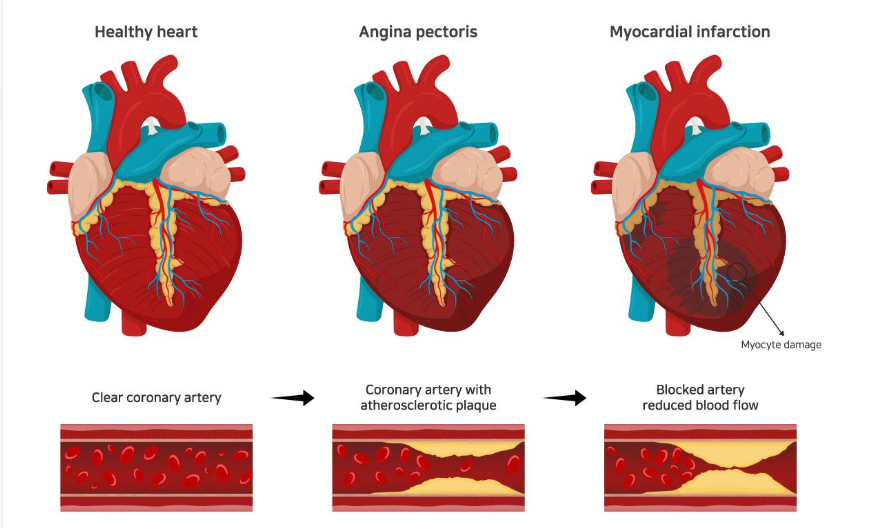
Angina is chest discomfort or pain that occurs when the heart muscle does not receive enough oxygen-rich blood. It is commonly associated with coronary artery disease, in which fatty deposits narrow the arteries supplying the heart.
Doctors often assess angina alongside coronary imaging to determine whether a patient has significant arterial narrowing. However, the new Swedish study suggests that the presence of angina itself may provide important information about future cardiovascular risk.
Researchers examined 24,176 participants who underwent coronary CT angiography and completed a standardised questionnaire. Participants were followed for a median of 7.7 years.
During follow-up, people reporting angina experienced a higher rate of heart attack or coronary death than those without angina. The association remained significant after researchers adjusted for other cardiovascular risk factors and considered the severity of coronary artery disease.
The findings indicate that chest-pain symptoms should not be dismissed simply because imaging does not show severe coronary narrowing. A complete assessment should consider symptoms, medical history, imaging results and other risk factors.
The study is observational and does not prove that angina directly causes heart attacks. Anyone experiencing new, severe or persistent chest pain should seek urgent medical evaluation.
✦ Clinical Takeaway
A population-based study of 24,176 middle-aged adults published in JAMA Network Open found that angina was associated with an increased risk of heart attack or coronary death across different levels of coronary artery disease severity.
General HealthMedical News
Nov 11, 2026Doctors Warn of Pneumonia Risks as World Pneumonia Day Approaches
By System Admin, MD, Healthcare & Clinical Journalism•4 min read

Pneumonia is an infection that causes inflammation in the lungs. It may be caused by bacteria, viruses or fungi and can range from a mild illness to a life-threatening condition.
Children below five years, adults above 65 and people with chronic conditions such as diabetes, heart disease and weakened immunity are particularly vulnerable to severe complications.
Doctors in Hyderabad have highlighted how seasonal weather changes, air pollution, construction dust and vehicle emissions can increase respiratory health concerns. Pollution can irritate the respiratory tract and affect the lungs' natural defence mechanisms.
Common symptoms of pneumonia include persistent fever, cough, chest pain, shortness of breath, rapid breathing and severe tiredness. Older adults may sometimes develop confusion, unusual sleepiness or sudden weakness rather than typical respiratory symptoms.
Doctors emphasise that early medical assessment is important. Diagnostic methods may include oxygen-level monitoring, blood tests, respiratory cultures and imaging when clinically required.
Vaccination can reduce the risk of severe disease from certain pneumonia-causing infections. Experts also warn against unnecessary antibiotic use because antibiotics do not treat viral infections and inappropriate use contributes to antimicrobial resistance.
The message is particularly relevant ahead of World Pneumonia Day on 12 November, which aims to increase awareness of prevention, diagnosis and treatment.
✦ Clinical Takeaway
Doctors in Hyderabad have highlighted pneumonia risks associated with seasonal changes, air pollution, construction dust and traffic emissions ahead of World Pneumonia Day on 12 November. Experts recommend early diagnosis, appropriate vaccination and responsible antibiotic use.
OrthopedicsMedical News
Nov 11, 2026Apollo Hospital in Aragonda Completes 1,000 Total Knee Replacement Surgeries
By System Admin, MD, Healthcare & Clinical Journalism•4 min read
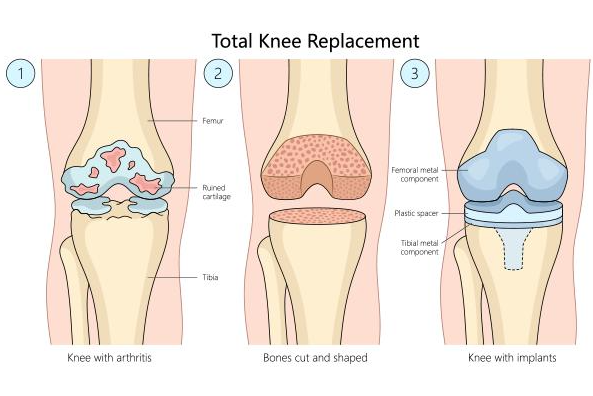
Knee osteoarthritis is a common cause of chronic pain and reduced mobility, particularly among older adults. The condition develops when the protective cartilage within the knee joint gradually wears down, causing pain, stiffness and difficulty walking.
When medication, physiotherapy, lifestyle changes and other conservative treatments no longer provide sufficient relief, some patients may be considered for total knee replacement surgery.
During this procedure, damaged joint surfaces are replaced with artificial components designed to restore joint function and reduce pain.
Apollo Hospitals Aragonda in Andhra Pradesh announced that it had completed 1,000 total knee replacement procedures. The hospital reported that its programme reached 100 surgeries in 2019, 500 in 2022 and 1,000 in 2026.
The hospital also highlighted its broader surgical activity and the role of its orthopaedic team in delivering specialised services in a rural healthcare setting.
The milestone reflects service expansion rather than a new clinical trial demonstrating superior surgical outcomes. Patients considering knee replacement should receive an individual assessment of symptoms, mobility, overall health and expected benefits and risks.
✦ Clinical Takeaway
Apollo Hospitals Aragonda announced that it had completed 1,000 total knee replacement surgeries. The hospital said the programme has expanded from its first 100 procedures in 2019 to 500 in 2022 and 1,000 in 2026.
NeurologyMedical News
Nov 11, 2026Apollo Hospitals Chennai Opens Multidisciplinary Centre for Memory Care and Healthy Ageing
By System Admin, MD, Healthcare & Clinical Journalism•4 min read

Memory problems can occur for several reasons, including normal ageing, medication effects, sleep disorders, depression and neurological conditions. Persistent changes in memory, language, judgement or everyday functioning may require medical assessment.
Dementia is a group of conditions that progressively affect memory and other cognitive abilities. Early evaluation can help identify potentially treatable causes of cognitive difficulties and support people living with progressive neurological conditions.
Apollo Hospitals Chennai has announced the opening of a multidisciplinary Centre for Memory Care and Healthy Ageing at its Greams Road hospital.
The centre brings together specialists in neurology, neuropsychiatry and geriatric medicine. Its services include detailed clinical assessments, cognitive and behavioural evaluations, dementia-risk assessment and personalised treatment planning.
Caregiver education and support are also part of the centre's approach because family members often play an important role in helping people with cognitive difficulties maintain safety and independence.
The initiative is a healthcare-service development rather than a new clinical research discovery. Its significance lies in improving access to coordinated memory assessment and age-related neurological care in Chennai.
✦ Clinical Takeaway
Apollo Hospitals Chennai inaugurated a Centre for Memory Care and Healthy Ageing at its Greams Road facility. The centre will provide cognitive and behavioural assessments, dementia-risk evaluation, personalised care planning and caregiver support.
AyurvedaMedical News
Nov 11, 2026CCRAS Expands Research on Ayurveda-Based Interventions for Anaemia and Occupational Health
By System Admin, MD, Healthcare & Clinical Journalism•4 min read

Anaemia during pregnancy is a significant public-health concern because inadequate haemoglobin levels can affect maternal wellbeing and pregnancy outcomes. Occupational health problems among tea-garden workers are also important because physically demanding work can contribute to musculoskeletal discomfort and other health difficulties.
The Central Council for Research in Ayurvedic Sciences has listed two research projects under its 2026–27 public-health research programme.
One project will examine an Ayurvedic intervention as an addition to conventional treatment for anaemia and other common health conditions during pregnancy. It is designed as a pragmatic cluster-randomised trial.
Another project will investigate a multimodal Ayurvedic treatment approach for occupational disorders among tea-garden workers, using patient-reported outcomes.
These projects are important because they aim to evaluate traditional interventions through structured research rather than relying solely on historical use or anecdotal reports.
The projects are listed as ongoing. Their effectiveness and safety cannot be assumed before results are published and assessed. Pregnant women with anaemia should continue receiving appropriate clinical evaluation and established treatment.
✦ Clinical Takeaway
The Central Council for Research in Ayurvedic Sciences lists new 2026–27 public-health research projects examining Ayurveda-based interventions for anaemia during pregnancy and occupational health problems among tea-garden workers.
NutritionMedical News
Nov 11, 2026Reducing Indoor Air Pollution During Sleep May Help Stabilise Blood Sugar in People With Prediabetes
By System Admin, MD, Healthcare & Clinical Journalism•4 min read

Prediabetes is associated with an increased risk of developing type 2 diabetes. Lifestyle factors such as diet, physical activity, sleep and environmental exposures may all influence metabolic health.
Air pollution contains fine particles and other substances that can enter the respiratory system. Researchers have investigated whether exposure to particulate matter can contribute to inflammation and changes in insulin sensitivity.
The reported research examined whether portable air filters used during sleep could reduce exposure to indoor airborne particles and influence overnight blood-glucose patterns in people with prediabetes.
The findings suggest that cleaner indoor air may help stabilise some glucose fluctuations. However, this is an emerging research area, and the results do not establish that air filters prevent diabetes or replace established approaches to blood-glucose management.
People with prediabetes should continue to prioritise balanced nutrition, regular exercise, weight management when appropriate and routine medical monitoring. Improving indoor ventilation and reducing pollution sources may also support general respiratory health.
✦ Clinical Takeaway
Research reported by News-Medical suggests that using portable air filters during sleep may reduce some of the large blood-sugar fluctuations experienced by people with prediabetes. The findings highlight a possible relationship between air pollution exposure and metabolic health.
FitnessMedical News
Nov 11, 2026Researchers Receive $2.3 Million Grant to Study Intermittent Fasting and Bone Fracture Healing
By System Admin, MD, Healthcare & Clinical Journalism•4 min read

Bone healing is a complex biological process involving inflammation, new tissue formation, blood-vessel development and gradual remodelling of the injured bone. Nutrition plays an important role because the body needs sufficient energy, protein, vitamins and minerals to support tissue repair.
Intermittent fasting involves alternating periods of eating and fasting. Researchers are increasingly investigating how eating patterns influence metabolism, inflammation and other biological processes.
The University of Colorado Anschutz announcement describes a research project supported by a $2.3 million grant. The project will examine whether intermittent fasting affects the biological mechanisms involved in fracture healing.
The research may help scientists understand whether nutritional timing has an influence on bone repair and whether it could eventually inform recovery strategies.
However, the grant announcement does not mean that intermittent fasting has already been proven to accelerate fracture healing. Patients recovering from fractures should maintain adequate nutrition and follow their orthopaedic team's recommendations rather than beginning fasting regimens without medical advice.
✦ Clinical Takeaway
An orthopedics researcher at the University of Colorado Anschutz received a $2.3 million grant to study the relationship between intermittent fasting and bone fracture healing. The project will investigate whether changes in nutrition timing influence the body's repair processes.
Mental HealthMedical News
Nov 11, 2026Brain Scans Reveal Changes After a 45-Day Yoga Programme, Study Reports
By System Admin, MD, Healthcare & Clinical Journalism•4 min read

Mental wellbeing is influenced by several factors, including stress, sleep, physical activity and social environment. Researchers continue to investigate whether structured mind-body practices can support emotional health and cognitive functioning.
The reported trial involved 139 healthy adults who participated in a 45-day standardised yoga programme or a comparison condition. Researchers assessed mood, sleep quality and selected memory measures. Brain imaging was also conducted in a subgroup of 43 participants.
The yoga group showed improvements in mood and self-reported sleep quality, along with changes in selected short-term memory measures. Brain scans identified differences in functional connectivity across networks involved in movement, attention, language and cognitive processing.
Functional connectivity refers to patterns of coordinated activity between different brain regions. Changes in these patterns may help researchers understand how behavioural interventions influence brain function.
However, the long-term significance of the observed brain changes remains uncertain. The study does not establish yoga as a treatment for psychiatric disorders, and its results in healthy adults should not be generalised to people with severe mental-health conditions without further research.
✦ Clinical Takeaway
A randomised controlled trial involving 139 healthy adults found that 45 days of structured yoga improved mood and self-reported sleep quality. Brain scans from a smaller group also showed changes in functional connectivity across networks involved in attention, movement and cognitive processing.
PediatricsMedical News
Nov 11, 2026Doctors Investigate Rising E-Bike and E-Scooter Injuries Among Children
By System Admin, MD, Healthcare & Clinical Journalism•4 min read

Electric bicycles and scooters are increasingly used by children and teenagers for travel and recreation. Although these devices provide convenient mobility, they can also expose young riders to high-speed falls and collisions.
Children may be particularly vulnerable because their judgement, road awareness and ability to respond to unexpected traffic situations are still developing. Injuries can involve the head, face, arms, legs and other parts of the body.
Researchers at the University of Colorado Anschutz are examining the growing problem of e-bike and e-scooter injuries among children. Understanding the patterns of these injuries can help healthcare professionals, families and policymakers develop better prevention strategies.
Protective measures include wearing an appropriately fitted helmet, following local age and speed restrictions, avoiding passenger overloading and using designated cycling areas where available. Children should also receive guidance on traffic awareness and safe riding practices.
The research update highlights an important paediatric injury-prevention issue. It does not provide a confirmed new national injury-rate estimate or establish that all electric scooters carry the same level of risk.
✦ Clinical Takeaway
Surgery researchers at the University of Colorado Anschutz are studying the growing problem of e-bike and e-scooter injuries in children. The work highlights concerns about injuries associated with falls, collisions and the use of electric transport devices by young people.
Women's HealthMedical News
Nov 11, 2026Placenta Accreta Spectrum: Specialists Highlight Risks of a Serious Pregnancy Complication
By System Admin, MD, Healthcare & Clinical Journalism•4 min read

Placenta accreta spectrum refers to a group of pregnancy conditions in which the placenta attaches abnormally deeply to the wall of the uterus. In a typical pregnancy, the placenta separates from the uterine wall after the baby is delivered. With placenta accreta spectrum, this separation may be difficult or impossible because placental tissue has attached too deeply.
The condition can cause severe bleeding during childbirth and may require complex surgical management. The risk is higher among women with certain uterine scars, particularly those who have undergone previous caesarean deliveries, especially when placenta previa is also present.
Early identification is important because it allows the maternity team to plan delivery at a suitably equipped hospital. Care may involve obstetricians, anaesthetists, blood-bank specialists, surgeons and neonatal teams.
The University of Colorado Anschutz update explains the condition, its risk factors and treatment considerations. It is an educational clinical update, not a new clinical trial or evidence that the incidence of the condition has suddenly increased.
✦ Clinical Takeaway
The University of Colorado Anschutz published an educational update on placenta accreta spectrum, a serious pregnancy condition in which the placenta attaches too deeply to the uterine wall. The condition can cause severe bleeding during delivery and may require specialist care.
DiabetesMedical News
Nov 11, 2026US FDA Requires New Eye-Risk Warnings for Popular Diabetes and Weight-Loss Medicines
By System Admin, MD, Healthcare & Clinical Journalism•4 min read
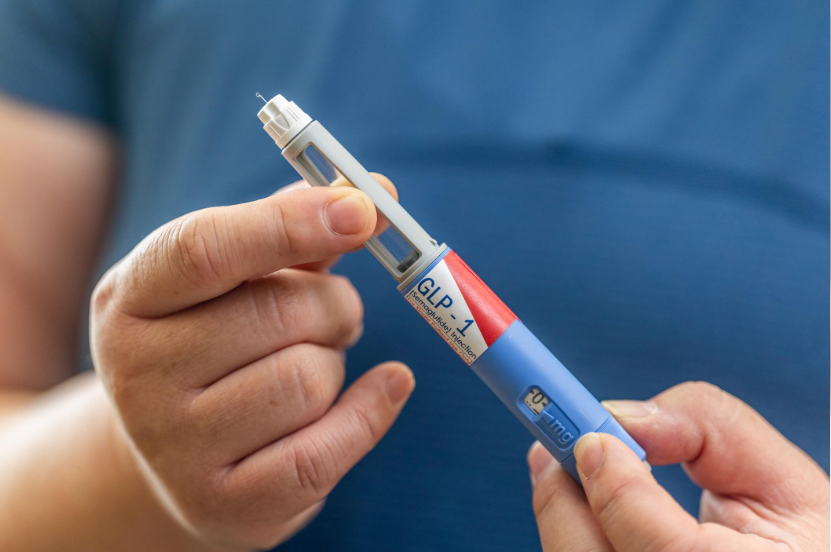
GLP-1 medicines are used to manage type 2 diabetes and, in certain formulations, obesity. These medicines can improve blood-glucose control, support weight reduction and reduce some health risks in eligible patients.
The US FDA has now required updated eye-risk warnings for medicines including Ozempic, Wegovy, Mounjaro and Zepbound. The warning concerns non-arteritic anterior ischaemic optic neuropathy, or NAION, a condition involving reduced blood supply to the optic nerve.
NAION can cause sudden, painless vision loss and may result in permanent visual impairment. The FDA's review considered clinical trials, animal research, post-marketing safety reports and observational studies.
The European Medicines Agency had previously identified NAION as a very rare potential adverse effect associated with semaglutide. However, the available evidence does not mean that every person taking a GLP-1 medicine will experience this complication.
Patients should not stop prescribed diabetes or weight-management medication on their own. Anyone experiencing sudden changes in vision should seek urgent medical assessment and inform the treating clinician about their medication.
✦ Clinical Takeaway
The US Food and Drug Administration is requiring updated prescribing information for semaglutide and other GLP-1 medicines to include warnings about non-arteritic anterior ischaemic optic neuropathy (NAION), a rare condition that can cause sudden vision loss.
CancerMedical News
Nov 11, 2026AI-Designed Viruses Show Potential for Fighting Drug-Resistant Bacteria
By System Admin, MD, Healthcare & Clinical Journalism•4 min read

Antimicrobial resistance is a growing global health concern. Some bacterial infections are becoming increasingly difficult to treat because bacteria develop resistance to commonly used antibiotics.
One alternative being investigated is bacteriophage therapy. Bacteriophages are viruses that infect specific bacteria and can destroy them. Unlike conventional antibiotics, certain bacteriophages can target particular bacterial species.
The reported Stanford research explored whether artificial intelligence could help design bacteriophages with the ability to attack E. coli. Researchers tested nearly 300 AI-designed candidates and identified 16 functional viruses that demonstrated activity in laboratory experiments.
The research is relevant to the wider development of precision antimicrobial treatments. In the future, carefully selected bacteriophages could potentially help treat bacterial infections that are resistant to existing medicines.
However, laboratory activity does not establish that these viruses are safe or effective in humans. Further research is required to assess their behaviour in living organisms, possible immune reactions, manufacturing quality and clinical effectiveness.
The research is an early-stage development in antimicrobial science, not an approved cancer treatment or a routine therapy for patients.
✦ Clinical Takeaway
Stanford researchers reportedly tested nearly 300 AI-designed bacteriophages and identified 16 functional viruses capable of attacking E. coli in laboratory experiments. The findings could contribute to future phage-based treatments for infections that do not respond to conventional antibiotics.
HeartMedical News
Nov 11, 2026New Research Examines How Maternal Factors Influence Type 1 Diabetes Risk in Children
By System Admin, MD, Healthcare & Clinical Journalism•4 min read

Type 1 diabetes is an autoimmune condition in which the immune system attacks the insulin-producing beta cells in the pancreas. It often develops during childhood, although it can occur at any age.
Researchers have long investigated why some children develop type 1 diabetes while others do not. Genetic susceptibility is important, but it does not fully explain the development of the condition.
A research team at the University of Colorado Anschutz examined whether maternal influences could contribute to childhood type 1 diabetes risk. The study specifically investigated whether genetic factors could explain the maternal effect.
The researchers reported that genetic risk did not account for the observed association. This suggests that other factors may warrant investigation, potentially including pregnancy-related biological influences and environmental exposures.
The findings do not establish a specific cause of type 1 diabetes or demonstrate that a particular maternal exposure leads to the condition. Further research will be needed to identify the mechanisms involved.
The study adds to the understanding that childhood autoimmune disease may involve several interacting factors rather than genetic susceptibility alone.
✦ Clinical Takeaway
Researchers at the University of Colorado Anschutz reported a study examining the maternal influence on childhood type 1 diabetes. The study found that genetic risk alone did not explain the observed maternal effect, highlighting the need to investigate additional biological and environmental factors.
General HealthMedical News
Nov 10, 2026Researchers Explore How Artificial Intelligence Can Improve Patient Wellbeing in Healthcare Systems
By System Admin, MD, Healthcare & Clinical Journalism•4 min read

Artificial intelligence is increasingly being used in healthcare to analyse medical records, support clinical decisions, predict patient risks and improve hospital operations.
Many healthcare systems measure performance through indicators such as waiting times, treatment outcomes, hospital admissions and financial costs. Although these measurements are important, they may not fully reflect the patient's experience of care.
Researchers at Flinders University have highlighted the need to consider less easily measured aspects of healthcare, including whether patients feel listened to, understood and supported by healthcare professionals.
AI-based analysis may help healthcare organisations identify patterns in patient feedback, communication and service delivery. Such information could potentially help hospitals understand where patients experience difficulties and improve the quality of care.
However, AI systems must be designed with appropriate privacy safeguards, transparency and clinical oversight. Automated analysis should not replace direct communication between patients and healthcare professionals.
The research highlights a broader direction for digital healthcare: using technology not only to improve efficiency, but also to support more patient-centred healthcare services.
✦ Clinical Takeaway
Flinders University researchers highlighted the importance of using artificial intelligence to evaluate more than hospital waiting times, costs and treatment outcomes. Their work discusses how healthcare systems could better measure patient experience, communication and the feeling of being genuinely cared for.
OrthopedicsMedical News
Nov 10, 2026New Risk-Assessment Scorecard Aims to Identify Indian Women at Higher Risk of Bone Fractures
By System Admin, MD, Healthcare & Clinical Journalism•4 min read

Osteoporosis is a condition in which bones become weaker and more vulnerable to fractures. It is particularly important in women after menopause because declining oestrogen levels can accelerate bone loss.
Many people with osteoporosis do not experience symptoms until a fracture occurs. Fractures involving the hip, spine and wrist can cause pain, disability, reduced mobility and loss of independence.
The reported scorecard initiative aims to help identify Indian women who may have a higher risk of bone fractures. Risk assessment can consider factors such as age, menopausal status, previous fractures, body weight, family history and other medical conditions.
Identifying higher-risk individuals may help healthcare professionals recommend further evaluation, including bone mineral density testing using dual-energy X-ray absorptiometry, commonly known as DXA.
Early identification can support appropriate interventions such as resistance exercise, adequate calcium and vitamin D intake, fall prevention and medication when clinically indicated.
A risk scorecard is a screening aid rather than a definitive osteoporosis diagnosis. Women with concerning risk factors should discuss appropriate testing with their healthcare providers.
✦ Clinical Takeaway
A report on a proposed screening scorecard highlights efforts to identify Indian women at increased risk of bone fractures. It discusses the importance of recognising osteoporosis risk before fractures occur and identifying women who may need further bone-density testing.
NeurologyMedical News
Nov 10, 2026Advanced Brain Imaging May Help Selected Stroke Patients Benefit From Clot Removal Up to 72 Hours Later
By System Admin, MD, Healthcare & Clinical Journalism•4 min read
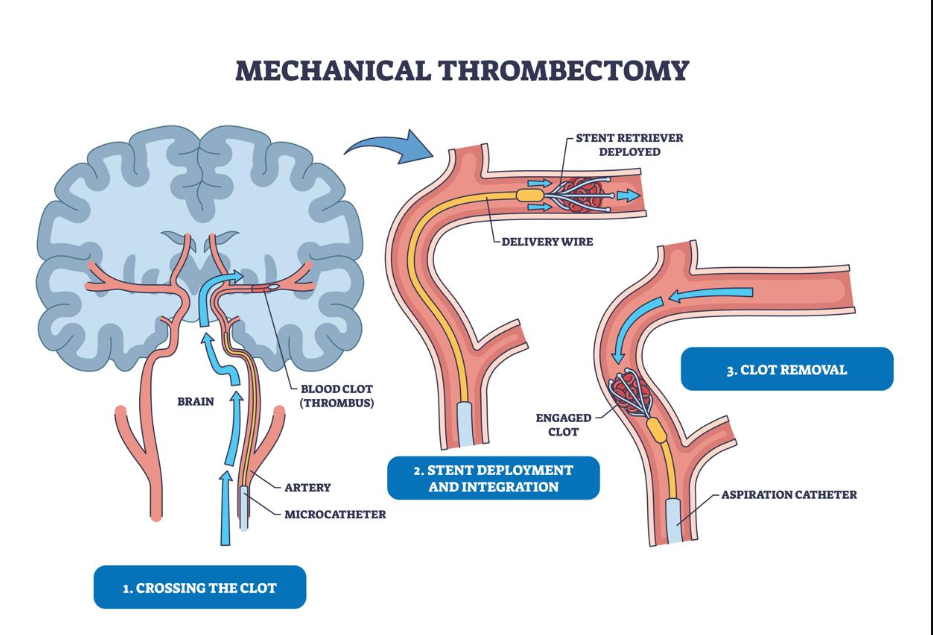
An ischaemic stroke occurs when a blood clot blocks an artery supplying the brain. The resulting interruption in blood flow deprives brain cells of oxygen and nutrients, potentially causing permanent damage.
Mechanical thrombectomy is a specialised procedure in which doctors guide a catheter through a blood vessel to the blocked artery and remove the clot. It is an established treatment for selected patients, but the benefits of performing it more than 24 hours after stroke onset have been less certain.
The clinical trial included 336 patients with blockage in a major artery supplying the front part of the brain. Researchers used advanced brain imaging to identify patients who still had potentially recoverable brain tissue.
Patients receiving clot removal generally had better functional outcomes after 90 days than those receiving standard medical care alone. However, symptomatic brain bleeding occurred in 4.8% of the treatment group, compared with none in the control group. Death rates were also higher in the intervention group.
The findings suggest that selected patients may benefit from specialist assessment even after a delayed hospital arrival. They do not mean that patients should wait before seeking emergency treatment. Every minute remains important during a stroke.
✦ Clinical Takeaway
A study published in The New England Journal of Medicine found that selected patients with large-vessel ischaemic stroke may experience better functional recovery when treated with mechanical thrombectomy 24–72 hours after symptom onset. However, the procedure also increased certain serious complications.
AyurvedaMedical News
Nov 10, 2026India Announces Expansion Plans for Ayurveda and Integrative Healthcare Infrastructure
By System Admin, MD, Healthcare & Clinical Journalism•4 min read

Ayurveda is one of India's traditional systems of medicine and is increasingly being discussed in the context of education, research and integrative healthcare.
The reported government proposals include establishing three additional All India Institutes of Ayurveda. The proposed institutions are intended to support the expansion of Ayurveda education, research facilities and clinical services.
The announcement also includes plans for five regional medical hubs aimed at strengthening medical value tourism and healthcare infrastructure. These developments could create additional opportunities for training, research collaboration and healthcare services involving traditional and modern medical systems.
Expanding research infrastructure is important for evaluating the safety, effectiveness and quality of traditional medicines. Scientific assessment, clinical research and consistent manufacturing standards are necessary to ensure that traditional healthcare practices are used responsibly.
The proposals represent planned infrastructure developments, not confirmation that all the institutions are already operational. Their eventual impact will depend on implementation, funding, staffing and research capacity.
✦ Clinical Takeaway
A government news report on the Union Budget 2026–27 highlighted proposals for three additional All India Institutes of Ayurveda and five regional medical hubs. The announcements aim to expand traditional medicine education, healthcare infrastructure and medical tourism.
NutritionMedical News
Nov 10, 2026Olive Oil Before Meals: Can It Really Reduce Blood Sugar Spikes?
By System Admin, MD, Healthcare & Clinical Journalism•4 min read

Blood glucose naturally rises after eating, particularly following meals containing carbohydrates. The size and timing of this increase depend on the type of food consumed, portion size, digestion, physical activity and individual metabolic health.
Extra-virgin olive oil contains predominantly monounsaturated fats and several bioactive compounds. Dietary fat can slow gastric emptying, potentially influencing how quickly carbohydrates are absorbed and how rapidly blood glucose rises after a meal.
This has led to online claims that consuming a spoonful of olive oil before eating can prevent blood sugar spikes. However, a possible short-term effect on post-meal glucose does not mean olive oil can prevent diabetes or replace established treatment.
The broader nutritional value of olive oil is best understood as part of a balanced eating pattern. Replacing some saturated fats with unsaturated fats can support healthier dietary choices.
People with diabetes should focus on overall carbohydrate intake, portion control, fibre-rich foods, regular activity and appropriate medication. Adding extra oil without considering total calorie intake may also contribute to excess energy consumption.
The report highlights the importance of separating nutrition evidence from exaggerated social-media health claims.
✦ Clinical Takeaway
A health report examined claims that consuming olive oil before meals can prevent sharp increases in blood glucose. It discusses the possible effects of dietary fat on digestion and post-meal glucose responses, while highlighting the limitations of treating olive oil as a diabetes-prevention remedy.
FitnessMedical News
Nov 10, 2026One in Four Adolescents Worldwide Still Fails to Meet Daily Physical Activity Recommendations
By System Admin, MD, Healthcare & Clinical Journalism•4 min read

Regular physical activity during adolescence is important for healthy growth, bone development, cardiovascular fitness, muscle strength and mental wellbeing. It can also help reduce the long-term risk of obesity, diabetes and other non-communicable diseases.
International health recommendations encourage children and adolescents to average at least 60 minutes of moderate-to-vigorous physical activity daily across the week.
However, global research continues to identify a substantial gap between these recommendations and actual activity levels. Approximately one in four adolescents worldwide does not meet the daily activity target, with girls generally less active than boys.
Several factors may contribute to this pattern, including limited access to sports facilities, academic pressure, safety concerns, increased screen time and fewer opportunities for girls to participate in organised sports.
Schools can play an important role by providing regular physical education, accessible sports facilities and inclusive recreational programmes. Families and communities can also encourage walking, cycling, outdoor games and other enjoyable activities.
The findings underline the importance of making physical activity accessible and appealing to adolescents rather than treating exercise only as a competitive sporting activity.
✦ Clinical Takeaway
A Lancet-related global study reported that approximately one in four adolescents worldwide does not achieve the recommended daily level of physical activity. Girls continue to be less active than boys, highlighting the need for stronger school and community fitness programmes.
Mental HealthMedical News
Nov 10, 2026Study Highlights Long Waiting Periods for Children Seeking Mental Health Treatment
By System Admin, MD, Healthcare & Clinical Journalism•4 min read

Mental-health conditions during childhood and adolescence can affect emotional development, education, social relationships and everyday functioning. Conditions such as anxiety, depression, behavioural disorders and trauma-related difficulties may require timely professional assessment.
However, children and families can experience long waiting periods before receiving specialist support. Delays may arise from limited availability of trained professionals, high demand for services, financial barriers, geographical access problems and difficulties navigating referral systems.
The newly reported Israeli research examines delays in accessing child mental-health services, including a reported waiting period of approximately 25 months. Such delays can leave children and families managing symptoms without the appropriate level of professional support.
Late intervention may allow difficulties to persist and can affect school participation, family relationships and social development. Early identification through schools, primary-care services and community programmes may help children reach appropriate care sooner.
The findings highlight the need for improved access to child psychologists, psychiatrists and evidence-based interventions. The reported delay should not be assumed to represent waiting times in every country or healthcare system.
✦ Clinical Takeaway
A newly reported Israeli study highlights substantial delays in accessing mental-health services for children. The report describes a 25-month delay in care and examines barriers that may prevent children from receiving timely psychological support.
PediatricsMedical News
Nov 10, 2026Consistent Bedtime Routines Linked to Better Sleep Quality in Infants
By System Admin, MD, Healthcare & Clinical Journalism•4 min read

Sleep is essential for infant growth, brain development, emotional regulation and physical health. During the first years of life, babies gradually develop more predictable sleep patterns, although nighttime waking remains common.
Parents often experience difficulties establishing consistent sleep routines because infants have changing feeding requirements, developmental milestones and individual sleep needs.
The newly reported Armenian study examined whether regular bedtime practices were associated with better infant sleep quality. Researchers considered factors such as the consistency of bedtime, conditions under which infants fall asleep and nighttime breastfeeding.
The findings highlight the importance of understanding how everyday sleep routines may influence infant rest. Regular sleep schedules can provide predictable cues that help children develop more stable sleep patterns.
However, the reported study is observational, so it cannot prove that consistent bedtime alone causes better sleep. Infant sleep also depends on age, health, feeding requirements and developmental stage.
Parents should follow safe-sleep recommendations, including placing babies on their backs on a firm, flat sleep surface without loose bedding. Individual feeding and sleep needs should be discussed with a paediatrician when concerns arise.
✦ Clinical Takeaway
A newly reported study from Armenia examined the relationship between bedtime regularity and infant sleep quality. Researchers investigated how consistent bedtimes, sleep-onset conditions and nighttime feeding practices relate to sleep patterns in young children.
Women's HealthMedical News
Nov 10, 2026Researchers Evaluate a Non-Invasive Questionnaire to Improve Early Identification of Endometriosis
By System Admin, MD, Healthcare & Clinical Journalism•4 min read

Endometriosis is a chronic condition in which tissue similar to the lining of the uterus grows outside the uterus. It can cause severe menstrual pain, chronic pelvic discomfort, painful intercourse and fertility difficulties.
Diagnosis can be delayed because symptoms vary considerably between individuals and may overlap with other gynaecological conditions. Some women experience significant pain for years before receiving an accurate diagnosis.
The newly published study examines the diagnostic accuracy of an Indonesian-adapted Chapron questionnaire. This type of questionnaire uses information about symptoms and medical history to help identify women who may have a higher likelihood of endometriosis.
A non-invasive screening approach could potentially help healthcare professionals recognise concerning symptom patterns earlier and determine which patients require further assessment.
However, a questionnaire cannot independently confirm endometriosis. Clinical evaluation, imaging and, in selected circumstances, additional investigations may still be necessary.
The study contributes to research into more accessible approaches to identifying endometriosis, particularly in healthcare settings where specialist diagnostic services may be difficult to access.
✦ Clinical Takeaway
The International Journal of Women's Health published a diagnostic accuracy study examining an Indonesian-adapted version of the Chapron questionnaire as a non-invasive screening tool for endometriosis.
DiabetesMedical News
Nov 10, 2026Continuous Glucose Monitoring Research Expands Beyond Diabetes to Adults With Prediabetes
By System Admin, MD, Healthcare & Clinical Journalism•4 min read

Prediabetes is a metabolic condition in which blood glucose levels are higher than normal but do not yet meet the diagnostic criteria for type 2 diabetes. People with prediabetes have an increased risk of developing diabetes, making early identification and lifestyle intervention important.
Traditional monitoring often relies on fasting blood glucose, HbA1c and oral glucose tolerance testing. These measurements provide useful information, but they do not show every glucose fluctuation that occurs throughout the day.
Continuous glucose monitoring devices use a small sensor placed under the skin to measure glucose levels in the fluid surrounding cells. The technology can provide information about glucose changes after meals, during sleep and during physical activity.
The newly reported review maps research into the use of continuous glucose monitoring among adults with prediabetes. It examines measures such as glucose variability and time in range, which may help researchers understand metabolic patterns that are not always visible through occasional blood tests.
However, continuous glucose monitoring is not yet established as a routine screening requirement for every person with prediabetes. Further studies are needed to determine whether using these devices improves long-term diabetes prevention.
✦ Clinical Takeaway
A newly reported scoping review examines research on continuous glucose monitoring in adults with prediabetes. It maps how wearable sensors can measure glucose patterns, fluctuations and time spent within different glucose ranges, while highlighting the need for stronger evidence before routine use in this population.
CancerMedical News
Nov 10, 2026Circulating Tumour DNA Testing Gains Attention for Monitoring Colorectal Cancer After Surgery
By System Admin, MD, Healthcare & Clinical Journalism•4 min read
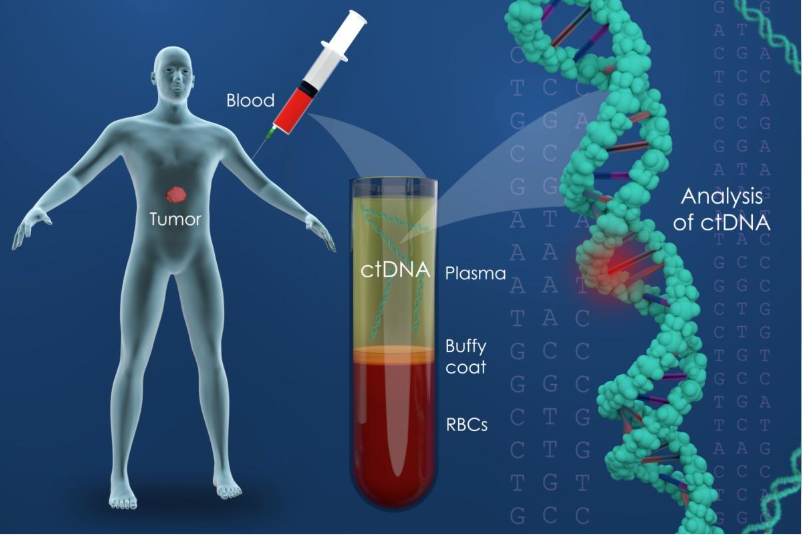
Colorectal cancer develops in the colon or rectum and remains an important cause of cancer-related illness worldwide. Surgery can remove the visible tumour in many patients, but some may still have microscopic cancer cells remaining in the body.
Conventional follow-up commonly involves clinical examinations, blood tests, imaging and colonoscopy. However, these methods may not always identify molecular evidence of residual disease at an early stage.
Circulating tumour DNA, or ctDNA, refers to small fragments of genetic material released into the bloodstream by cancer cells. Specialised laboratory tests can detect tumour-related genetic changes in blood samples.
The newly published review examines how ctDNA-guided surveillance could help clinicians identify patients who may have residual disease after surgery. It also considers how molecular results might support personalised follow-up strategies and decisions about additional treatment.
The approach is promising, but a positive ctDNA result does not automatically establish where cancer is located or prove that a particular treatment will improve survival. Testing methods, timing and clinical interpretation remain important.
The research highlights the growing role of precision oncology in monitoring patients after colorectal cancer surgery.
✦ Clinical Takeaway
A review published in the Journal of Clinical Oncology discusses circulating tumour DNA-guided surveillance after curative surgery for stage I–III colorectal cancer. It examines the potential of molecular blood testing to identify residual disease and support decisions about subsequent monitoring and treatment.
HeartMedical News
Nov 10, 2026Yoga Improves Quality of Life and Physical Endurance in Heart Failure Patients, Indian Study Finds
By System Admin, MD, Healthcare & Clinical Journalism•4 min read

Heart failure is a chronic condition in which the heart cannot pump blood efficiently enough to meet the body's requirements. Patients may experience breathlessness, fatigue, swelling, reduced exercise tolerance and difficulty performing everyday activities.
The multicentre Indian study evaluated whether a structured yoga-based rehabilitation programme could improve outcomes among people living with heart failure. Nearly 3,500 patients receiving treatment at 16 centres participated. Half received a structured yoga intervention, while the comparison group received enhanced standard care.
The yoga programme included guided sessions, lifestyle education and behaviour-change support. Patients were encouraged to practise yoga at home for approximately 50–55 minutes daily.
After three months, the yoga group showed improvements in quality-of-life scores and physical functioning. During a six-minute walking assessment, participants in the yoga group walked an average of 25.5 metres farther than those in the comparison group.
However, the intervention did not significantly reduce the combined risk of death, hospitalisation or stroke. Researchers believe yoga could provide an affordable supportive rehabilitation option, particularly in areas where specialised cardiac rehabilitation facilities are limited.
The findings do not suggest that yoga replaces heart failure medication or specialist treatment. Patients should practise under appropriate medical guidance.
✦ Clinical Takeaway
An Indian study involving nearly 3,500 heart failure patients across 16 centres found that a structured yoga programme improved quality of life and physical endurance. However, it did not significantly reduce deaths, hospitalisations or strokes.
General HealthMedical News
Nov 5, 2026India's NAMASTE Programme Strengthens Occupational Health and Safety for Sanitation Workers
By System Admin, MD, Healthcare & Clinical Journalism•4 min read

Sanitation workers perform essential public-health activities, including cleaning sewer systems, maintaining sanitation infrastructure and managing waste. However, workers involved in hazardous sanitation activities can face serious occupational risks.
Exposure to toxic gases, infectious materials, contaminated water and unsafe working environments can result in respiratory problems, skin diseases, infections and other health complications. Accidents during manual sewer cleaning can also cause severe injuries or death.
The National Action for Mechanised Sanitation Ecosystem programme aims to improve the safety, dignity and working conditions of sanitation workers. The initiative supports mechanisation of sanitation activities and provides workers with personal protective equipment and occupational safety training.
The programme also links eligible workers to Ayushman Bharat Health Cards, helping improve access to healthcare services. Training is intended to reduce exposure to dangerous working conditions and encourage safer sanitation practices.
The initiative highlights the importance of treating occupational safety as a public-health priority. Proper equipment, mechanised systems, regular health assessments and enforcement of safety procedures are essential to protecting sanitation workers.
✦ Clinical Takeaway
The Ministry of Social Justice and Empowerment reported progress under the National Action for Mechanised Sanitation Ecosystem (NAMASTE) programme. The initiative provides sanitation workers with personal protective equipment, Ayushman Bharat Health Cards and occupational safety training to improve their health and working conditions.
OrthopedicsMedical News
Nov 5, 2026Scientists Discover Tiny Structural Features That Help Spinal Discs Withstand Everyday Stress
By System Admin, MD, Healthcare & Clinical Journalism•4 min read
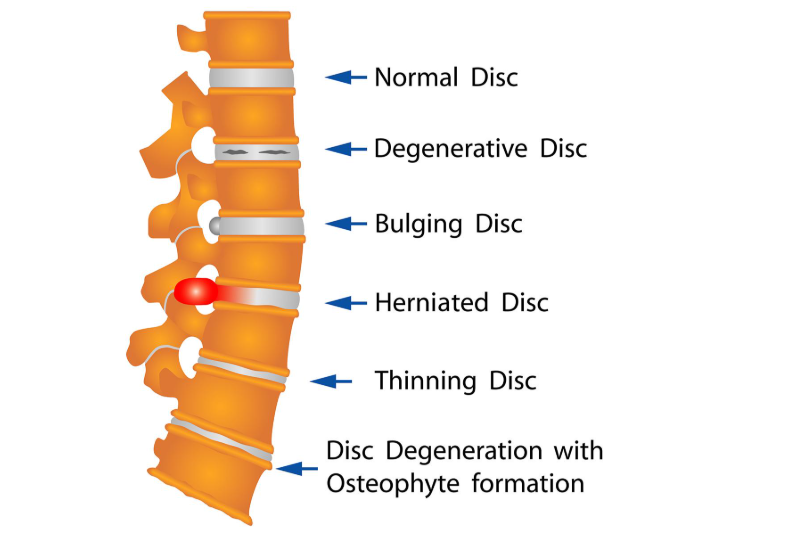
Intervertebral discs are flexible structures positioned between the bones of the spine. They act as shock absorbers, distribute mechanical forces and allow the spine to bend and move during everyday activities.
These discs contain specialised layers of collagen fibres and other biological materials that help them withstand repeated mechanical loading. Ageing, injury and biological changes can gradually weaken their structure, contributing to disc degeneration and back pain.
The new research investigated the tiny structural features within spinal discs and how they respond to forces generated by bending, lifting and movement.
Researchers used advanced imaging and structural analysis techniques to examine the organisation of the disc's internal components. Their findings help explain how microscopic architecture contributes to the mechanical strength of the spine.
Understanding these structures could provide useful information for future research into disc degeneration, spinal injuries and regenerative treatments.
However, the research does not introduce an approved treatment for back pain or demonstrate that spinal disc degeneration can currently be reversed. Its importance lies in improving scientific understanding of spinal structure and function.
✦ Clinical Takeaway
An international research team involving the University of Manchester, Queen Mary University of London and University College London investigated the microscopic structures of intervertebral discs. The study, published in Nature, provides new insights into how spinal discs withstand bending and mechanical pressure.
NeurologyMedical News
Nov 5, 2026Brain Activity Patterns May Predict Alzheimer's Disease Years Before Memory Loss
By System Admin, MD, Healthcare & Clinical Journalism•4 min read

Alzheimer's disease is a progressive neurological condition that affects memory, thinking and the ability to perform everyday activities. Changes in the brain can begin many years before a person develops noticeable symptoms.
The Stanford Medicine research investigated whether patterns of brain activity could provide early information about a person's vulnerability to cognitive decline.
Researchers first examined resting brain activity in adults aged 75 and above, including people diagnosed with Alzheimer's disease and individuals known as super-agers, whose memory performance remained unusually strong for their age.
Using these patterns, the team developed a scoring system that was subsequently applied to adults aged 55–70 who did not show obvious cognitive impairment.
The researchers found that more Alzheimer's-like brain activity patterns were associated with a greater likelihood of future cognitive decline, amyloid-beta plaque development and Alzheimer's diagnosis over the following 12 years. Patterns associated with super-agers were linked to greater resilience.
The research suggests that brain activity could potentially become an early biomarker for identifying people at risk of cognitive decline. However, the approach still requires further validation before it can be used as a routine clinical screening test.
✦ Clinical Takeaway
Stanford Medicine researchers reported that patterns of resting brain activity may help predict Alzheimer's disease and cognitive decline years before noticeable memory problems develop. The findings were published in Science Advances.
AyurvedaMedical News
Nov 5, 2026India Expands Opportunities for Student-Led Scientific Research in Ayurveda
By System Admin, MD, Healthcare & Clinical Journalism•4 min read

Scientific research is important for evaluating traditional medical practices, understanding their possible health applications and establishing appropriate standards for safety and quality.
The Central Council for Research in Ayurvedic Sciences introduced SPARK 5.0 for the 2026–27 academic year to encourage undergraduate Ayurveda students to develop research skills. The programme is intended to provide students with opportunities to conduct short-term independent research projects and learn research methodology.
A total of 300 studentships are being offered, with financial support of ₹50,000 for each selected student. Eligible applicants include students in the third or fourth professional year of BAMS programmes at recognised institutions.
The council also introduced Ayurshodh 2026 to recognise contributions in research communication, scholarly publications and innovation. The initiative aims to encourage stronger academic participation and improve the research ecosystem in Ayurveda.
Such programmes may help develop future researchers and promote more systematic evaluation of traditional medicine. However, the announcement is a research-development initiative, not evidence that a particular Ayurvedic treatment has been clinically proven effective.
✦ Clinical Takeaway
The Central Council for Research in Ayurvedic Sciences launched CCRAS SPARK 5.0 and CCRAS Ayurshodh 2026 to strengthen research and innovation in Ayurveda. The SPARK programme offers 300 studentships, each worth ₹50,000, to eligible undergraduate Ayurveda students.
NutritionMedical News
Nov 5, 2026Plant-Based Dairy Alternatives May Increase Risk of Micronutrient Deficiencies Without Fortification
By System Admin, MD, Healthcare & Clinical Journalism•4 min read

Plant-based milk and dairy alternatives have become increasingly popular among people following vegan diets, those with lactose intolerance and consumers seeking alternatives to conventional dairy products.
However, dairy products provide important nutrients, including iodine, calcium, vitamin B12 and riboflavin. Some plant-based alternatives are fortified with these nutrients, while others contain considerably lower amounts.
The researchers examined 289 plant-based products available in the UK. They reported that 61% contained added calcium, 46% contained vitamin B12, only 19% were fortified with riboflavin and just 12% contained added iodine.
The researchers also modelled the potential nutritional effects of replacing dairy products with plant-based alternatives. Their findings suggested that iodine intake could decrease substantially, particularly among teenage girls and women of childbearing age.
Iodine is essential for thyroid hormone production and normal brain development. Insufficient intake can therefore be particularly concerning during pregnancy and childhood.
The study does not mean that plant-based diets are automatically unhealthy. Instead, it highlights the importance of choosing appropriately fortified products and maintaining a balanced diet that supplies essential nutrients.
✦ Clinical Takeaway
A study published in The Lancet Planetary Health examined 289 plant-based milk, cheese and yoghurt alternatives available in the UK. Researchers found that many products did not contain added amounts of important micronutrients, raising concerns about nutritional deficiencies when dairy products are replaced without suitable alternatives.
FitnessMedical News
Nov 5, 2026Simple Wall-Sit Exercise May Help Lower Blood Pressure in Inactive Adults
By System Admin, MD, Healthcare & Clinical Journalism•4 min read

High blood pressure is a major risk factor for heart disease, stroke and kidney complications. Regular physical activity is one of the important lifestyle approaches recommended to help manage blood pressure.
The reported research examined isometric exercise, a form of exercise in which muscles contract without producing significant joint movement. Wall sits are a simple example: a person leans against a wall and maintains a seated position while keeping the muscles of the legs engaged.
The study included 100 inactive adults, many of whom had high-normal blood pressure. Participants performed four two-minute wall sits, with two-minute rest intervals, three times per week.
Researchers reported that blood pressure decreased after one month. Participants who reduced their exercise frequency to once or twice weekly retained much of the improvement, while those who stopped exercising lost most of the benefit.
The findings suggest that relatively simple exercises may help people begin a regular physical-activity routine. However, the study was short-term, and wall sits should not replace prescribed blood-pressure medication or other recommended exercise programmes. People with existing cardiovascular or joint conditions should seek medical advice before starting.
✦ Clinical Takeaway
A study published in BMJ Open Sport and Exercise Medicine found that wall-sit exercises performed three times per week reduced blood pressure among inactive adults. The programme involved four two-minute wall sits separated by two-minute rest periods.
Mental HealthMedical News
Nov 5, 2026Living With OCD: The Hidden Psychological and Daily-Life Burden of Obsessive Compulsive Disorder
By System Admin, MD, Healthcare & Clinical Journalism•4 min read

Obsessive-compulsive disorder is a mental health condition involving recurring unwanted thoughts, images or urges known as obsessions, along with repetitive actions or mental rituals known as compulsions. These behaviours are often performed to reduce distress or prevent a feared event.
People living with OCD may spend significant amounts of time checking, cleaning, counting, arranging objects or seeking reassurance. Although these actions may temporarily reduce anxiety, the relief often does not last, and the cycle can become difficult to control.
OCD can affect education, employment, relationships and sleep. Some people hide their symptoms because they fear being misunderstood or judged, which can delay diagnosis and treatment.
Evidence-based treatments include cognitive behavioural therapy, particularly exposure and response prevention, and medication when clinically appropriate. The condition is treatable, and people experiencing persistent symptoms should seek help from a qualified mental health professional.
The report brings attention to the lived experience of OCD rather than presenting a new clinical trial.
✦ Clinical Takeaway
The Indian Express featured a report on the hidden burden of living with obsessive-compulsive disorder (OCD), highlighting how intrusive thoughts, compulsive behaviours and the need for reassurance can affect daily routines and emotional wellbeing.
PediatricsMedical News
Nov 5, 2026Indian Medical Journal Highlights Improved Approaches to Prevent Brain Injury From High Bilirubin in Premature Babies
By System Admin, MD, Healthcare & Clinical Journalism•4 min read

Bilirubin is a yellow pigment produced when red blood cells break down. Newborn babies often have elevated bilirubin levels because their bodies are still developing the ability to process and remove it.
In most cases, newborn jaundice is temporary and can be managed with appropriate monitoring and treatment. However, very high bilirubin levels can enter the brain and cause bilirubin-induced neurological dysfunction. Premature babies are particularly vulnerable because their organs and protective systems are not fully developed.
The editorial in the November 2026 issue of the Indian Journal of Medical Research examines prevention strategies informed by the Kobe approach. It highlights the importance of recognising risk factors, monitoring bilirubin levels and responding promptly when levels become concerning.
Appropriate treatment may include phototherapy and, in selected severe cases, more intensive interventions. Early identification and careful follow-up are essential to reduce the risk of long-term neurological complications.
The editorial is a clinical discussion rather than a newly reported clinical trial.
✦ Clinical Takeaway
The November 2026 issue of the Indian Journal of Medical Research includes an editorial titled “Prevention of bilirubin neurotoxicity in preterm neonates: Learning from the ‘Kobe’ approach.” It discusses the importance of preventing bilirubin-related brain injury in premature newborns.
Women's HealthMedical News
Nov 5, 2026Excessive Weight Gain During Pregnancy Linked to Severe Maternal Health Complications
By System Admin, MD, Healthcare & Clinical Journalism•4 min read

Weight gain during pregnancy is expected because the body undergoes several changes to support the developing baby. However, weight gain that substantially exceeds recommended ranges may be associated with additional health risks for the mother.
Severe maternal morbidity refers to serious complications during pregnancy, childbirth or the period immediately after delivery. These complications can include severe cardiovascular problems, haemorrhage, blood clots and other conditions requiring urgent medical care.
The report highlights an association between excessive gestational weight gain and severe maternal complications. This reinforces the importance of regular antenatal appointments, nutritional guidance and monitoring of maternal health throughout pregnancy.
Pregnancy weight recommendations vary according to factors such as pre-pregnancy body mass index, existing medical conditions and whether the pregnancy involves one baby or multiples. Women should not attempt restrictive diets or rapid weight loss during pregnancy without medical supervision.
The research highlights an association and should not be interpreted as proof that excessive weight gain alone causes every severe maternal complication.
✦ Clinical Takeaway
A HealthDay report published on 4 November describes research linking excessive gestational weight gain with severe maternal morbidity. The findings highlight the importance of monitoring pregnancy-related weight changes and assessing individual risk factors.
DiabetesMedical News
Nov 5, 2026Earlier Bedtimes May Support Weight Loss in People With Prediabetes
By System Admin, MD, Healthcare & Clinical Journalism•4 min read
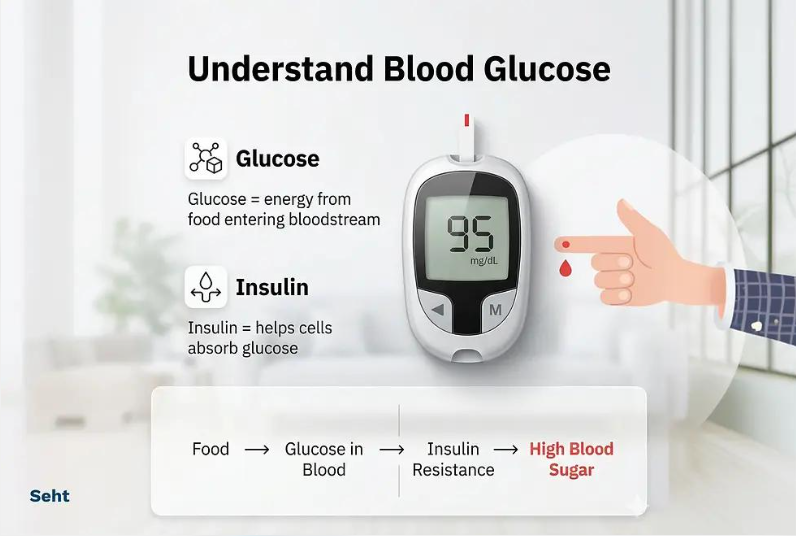
Prediabetes is a condition in which blood glucose levels are above the normal range but have not yet reached the diagnostic threshold for type 2 diabetes. People with prediabetes have an increased risk of developing diabetes, particularly when other risk factors such as excess body weight and physical inactivity are present.
Sleep is important for metabolic regulation, appetite control and hormonal balance. Disrupted sleep patterns can influence hunger, food choices and the body's ability to regulate glucose.
The report describes an eight-week study in which participants who went to bed earlier experienced better weight-loss outcomes. This suggests that sleep timing may be worth considering alongside established diabetes-prevention measures.
However, the accessible report does not provide enough information about the number of participants, exact sleep schedules or the size of the weight-loss difference. The finding should therefore be treated as an emerging research update rather than proof that earlier bedtimes alone prevent diabetes.
Healthy eating, regular physical activity, adequate sleep and recommended medical monitoring remain important for people with prediabetes.
✦ Clinical Takeaway
A report published by NDTV Health on 4 November highlights research suggesting that participants with prediabetes who went to sleep earlier experienced better weight-loss outcomes over an eight-week period. The findings raise interest in sleep timing as one possible component of diabetes prevention.
CancerMedical News
Nov 5, 2026UK Launches Major Blood-Test Trial to Detect Multiple Cancers Earlier
By System Admin, MD, Healthcare & Clinical Journalism•4 min read

Detecting cancer at an early stage can improve treatment opportunities and outcomes. However, several abdominal cancers can initially produce vague symptoms, such as persistent bloating, abdominal discomfort or changes in digestion. These symptoms can also occur in people without cancer, making early identification difficult.
The STRIDE-RCT trial aims to evaluate whether blood tests can help general practitioners identify patients who may need further cancer investigations. More than 20,000 NHS patients aged 45 and above who attend participating practices with abdominal symptoms will be offered the opportunity to take part.
The tests will examine markers in blood samples and use technologies that include protein measurements and artificial intelligence. They are intended to identify possible signs of several cancers in a single sample and help indicate where further investigation may be needed.
A positive result will not confirm cancer. Instead, it will help clinicians decide whether urgent referral and additional diagnostic testing are appropriate. Researchers will assess how accurately the tests work alongside clinical judgement before any decision about wider NHS use.
✦ Clinical Takeaway
The UK government and University of Birmingham announced the STRIDE-RCT trial, involving more than 20,000 NHS patients across at least 200 general practices. It will evaluate blood tests designed to detect signs of multiple cancers, including bowel, pancreatic, ovarian, stomach and liver cancers.
HeartMedical News
Nov 5, 2026Long-Term Study Finds Modern Hormone Replacement Therapy Not Linked to Higher Heart Disease Risk
By System Admin, MD, Healthcare & Clinical Journalism•4 min read
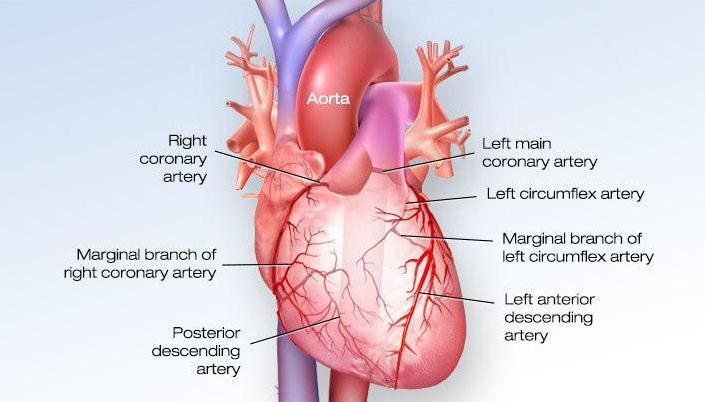
Menopause is associated with changes in hormone levels that can affect cholesterol, blood-vessel function and cardiovascular risk. Hormone replacement therapy is used to manage certain menopausal symptoms, but its potential cardiovascular effects have remained an important subject of medical research.
The newly reported research examined health outcomes among 52,330 women aged 45–59. Researchers compared women who used modern hormone therapy with those who did not and followed them for approximately 12 years.
The reported findings showed similar rates of cardiovascular events, death and blood clots between the groups. The results add to evidence suggesting that the cardiovascular effects of modern hormone therapy may depend on factors such as the woman's age, timing of treatment and existing health conditions.
However, the study is observational and cannot prove that hormone therapy is risk-free. Women considering hormone treatment should discuss their symptoms, medical history and individual risk factors with a qualified clinician.
✦ Clinical Takeaway
Research presented ahead of the American Heart Association Scientific Sessions 2026 found similar rates of cardiovascular events, death and blood clots among women who used modern hormone replacement therapy and those who did not. The study followed 52,330 women aged 45–59 for an average of 12 years.
General HealthMedical News
Nov 4, 2026Public-Health Experts Call for Better Diagnosis to Address India's Persistent Anaemia Burden
By System Admin, MD, Healthcare & Clinical Journalism•4 min read

Anaemia remains a major health challenge in India, particularly among children, adolescent girls and women of reproductive age. Although iron deficiency is a common cause, it is important to identify the specific reason for low haemoglobin before deciding on treatment.
In a report published on 4 November, public-health specialists questioned whether expanding iron fortification alone would be sufficient to address India's anaemia burden. They highlighted the importance of screening for conditions such as sickle cell disease, thalassaemia, vitamin B12 deficiency and infections.
The discussion also raises questions about how anaemia is measured in national surveys and whether different testing methods can influence estimates of its prevalence. Accurate diagnosis is important because the appropriate treatment depends on the underlying cause.
The experts emphasised that a comprehensive public-health response should combine screening, laboratory testing, access to nutritious foods, targeted supplementation and treatment of underlying medical conditions.
✦ Clinical Takeaway
Public-health experts have called for a stronger diagnostic approach to anaemia in India, arguing that the condition can be caused by iron deficiency, inherited blood disorders, infections, vitamin deficiencies and chronic diseases. The debate follows proposals to expand double-fortified salt use.
OrthopedicsMedical News
Nov 4, 2026New Research Examines Early Treatment Strategies for Rheumatoid Arthritis
By System Admin, MD, Healthcare & Clinical Journalism•4 min read

Rheumatoid arthritis is a chronic autoimmune disease in which the immune system attacks the lining of the joints. It can cause pain, swelling, stiffness and progressive joint damage. If inflammation remains uncontrolled, the disease may affect mobility and everyday activities.
Early recognition is important because joint damage can develop before symptoms become severe. Treatment commonly involves disease-modifying antirheumatic drugs, which aim to reduce inflammation and prevent long-term structural damage.
The recent report highlighted the potential value of early treatment in delaying disease progression. This reinforces the importance of evaluating persistent joint swelling, morning stiffness and unexplained pain rather than assuming that symptoms are caused by ordinary ageing or overuse.
The available news listing does not provide the full study design or detailed treatment comparisons. Therefore, it should not be interpreted as evidence that one particular medicine is suitable for every patient. Treatment should be individualised by a rheumatologist.
✦ Clinical Takeaway
Medscape's orthopedics news section highlighted a report on early treatment and its potential to delay rheumatoid arthritis progression. The update adds to the clinical discussion about recognising inflammatory joint disease and beginning appropriate treatment promptly.
NeurologyMedical News
Nov 4, 2026New Study Investigates Brain-Derived Neurotrophic Factor in Children With Acute Encephalitis Syndrome
By System Admin, MD, Healthcare & Clinical Journalism•4 min read
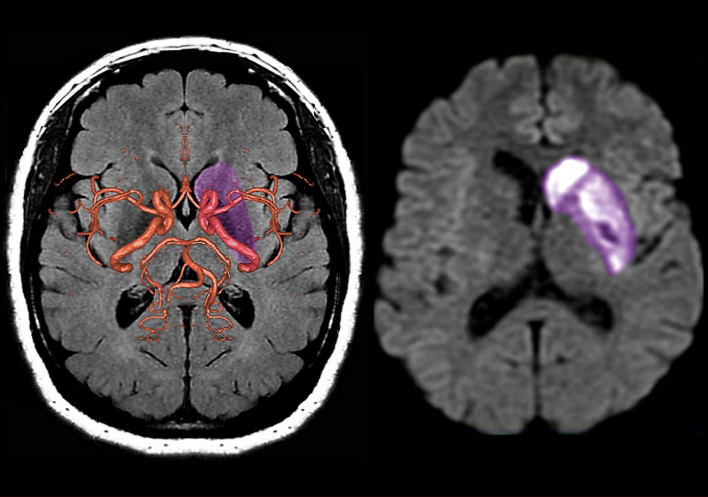
Acute encephalitis syndrome is a serious condition involving sudden fever and neurological symptoms such as altered consciousness or seizures. It can affect children and may lead to serious complications, including long-term neurological impairment or death.
Brain-derived neurotrophic factor is a protein involved in the survival, development and functioning of nerve cells. Researchers have been studying whether BDNF levels in cerebrospinal fluid could provide information about brain injury and the body's response to inflammation.
The study included 80 children treated at medical institutions in Uttar Pradesh. Researchers measured BDNF levels in cerebrospinal fluid and compared the findings across different suspected causes of encephalitis and clinical outcomes.
The study did not identify significant differences in BDNF levels between the groups. Although the protein remains of scientific interest, the findings do not establish it as a reliable diagnostic or prognostic marker for acute encephalitis syndrome. Larger studies are needed to investigate its potential role.
✦ Clinical Takeaway
A prospective observational study published in the Journal of Clinical and Diagnostic Research examined cerebrospinal fluid levels of brain-derived neurotrophic factor (BDNF) in 80 children with acute encephalitis syndrome. The researchers found no significant differences in BDNF levels across the different causes or clinical outcomes examined.
AyurvedaMedical News
Nov 4, 2026AIIMS Research Publications Highlight Growing Scientific Evaluation of Yoga-Based Health Interventions
By System Admin, MD, Healthcare & Clinical Journalism•4 min read

Yoga and traditional Indian health practices are increasingly being examined through modern clinical research. Researchers are investigating whether structured yoga interventions can support conventional treatment in areas such as tobacco cessation, sleep disturbances and selected neurological conditions.
The AIIMS Centre for Integrative Medicine and Research lists 2026 research publications on these subjects. One study examines yoga as an intervention for tobacco cessation, while other publications investigate Yoga Nidra and its possible role in sleep-related conditions.
These research areas are relevant because tobacco dependence, poor sleep and stress can affect long-term physical and mental health. However, the presence of a publication in a research list does not establish that every yoga-based intervention is effective for every patient.
Clinical findings must be interpreted according to the study design, sample size, comparison group and measured outcomes. Yoga should be considered an adjunct where appropriate and should not replace established medical treatment for serious health conditions.
✦ Clinical Takeaway
The AIIMS Centre for Integrative Medicine and Research lists several 2026 publications examining yoga-based interventions, including a randomised trial on yoga for tobacco cessation and research into Yoga Nidra for sleep disturbances. These publications demonstrate ongoing scientific evaluation of traditional practices
NutritionMedical News
Nov 4, 2026Experts Question India's Proposed Double-Fortified Salt Strategy to Address Anaemia
By System Admin, MD, Healthcare & Clinical Journalism•4 min read

Anaemia is a major public-health concern in India, particularly among women and children. It occurs when the blood does not have enough healthy red blood cells or haemoglobin to carry adequate oxygen to body tissues. Iron deficiency is one important cause, but it is not the only one.
Double-fortified salt combines iodine and iron in a commonly used food product. The approach is intended to improve micronutrient intake at population level. However, public-health specialists have raised concerns about whether expanding this intervention without identifying the underlying causes of anaemia will adequately address the problem.
The experts point out that vitamin B12 deficiency, infections, chronic diseases, sickle cell disease and thalassaemia can also contribute to anaemia. Iron fortification alone cannot correct these conditions. They also emphasise that people with certain inherited blood disorders may require specific medical assessment before receiving additional iron.
The debate highlights the importance of combining nutritional interventions with screening, accurate diagnosis, treatment and access to nutrient-rich foods. The report does not establish that double-fortified salt is ineffective; rather, it raises questions about using fortification as a broad solution without addressing other causes.
✦ Clinical Takeaway
Public-health experts have questioned a proposal to expand the use of double-fortified salt containing iodine and iron as a strategy to reduce anaemia in India. They argue that anaemia can result from several causes, including nutritional deficiencies, infections, inherited blood disorders and chronic diseases.
FitnessMedical News
Nov 4, 2026Bengaluru Marathon Runner's Severe Artery Blockage Highlights Limits of Fitness as a Heart-Health Indicator
By System Admin, MD, Healthcare & Clinical Journalism•4 min read

Regular exercise is associated with improved cardiovascular fitness, better metabolic health and a lower risk of several chronic diseases. However, being physically active does not guarantee that a person is free from coronary artery disease.
The report describes a Bengaluru marathon runner who was found to have severe coronary artery blockage despite maintaining an active lifestyle. Coronary artery disease can develop silently over time, and some individuals may not experience obvious symptoms until blood flow to the heart becomes significantly restricted.
The case highlights the importance of considering other risk factors, including family history, cholesterol levels, blood pressure, diabetes and smoking. People who experience chest discomfort, unusual breathlessness, fainting or unexplained exercise intolerance should seek medical assessment.
The key message is that exercise remains important for health, but it should not replace appropriate cardiovascular risk assessment or medical evaluation when symptoms or risk factors are present.
✦ Clinical Takeaway
An Indian Express health report describes a 48-year-old Bengaluru marathon runner who was found to have approximately 90% blockage in his coronary arteries. The case highlights that physical fitness and cardiovascular health are not always the same.
Mental HealthMedical News
Nov 4, 2026Research Examines Mental Health Patterns Among High School Students During the COVID-19 Pandemic
By System Admin, MD, Healthcare & Clinical Journalism•4 min read

Adolescence is an important period for emotional development, social interaction and the formation of relationships. Changes in school routines, peer contact and family environments can influence psychological wellbeing during this stage.
The study examined repeated psychological distress questionnaire responses from 84 high school students aged 16–18 in Tokyo. Researchers observed that the likelihood of being in a depressive psychological state decreased during the pandemic period in this particular group.
The authors discussed several possible explanations, including reduced academic pressure, changes in school-related stress and differences in family environments. However, the study involved a relatively small group of adolescents from one city, and the findings cannot be generalised to all young people.
The results demonstrate that the effects of major social changes on adolescent mental health can be complex. Continued research involving more diverse populations is necessary.
✦ Clinical Takeaway
A research update from Japan reports that some high school students experienced lower psychological distress during the COVID-19 pandemic. Researchers examined responses from 84 adolescents in Tokyo and found that changes in school and social environments may have influenced their mental health experiences.
PediatricsMedical News
Nov 4, 2026Indian Children With Cancer Face Long Journeys to Reach Specialist Treatment Centres
By System Admin, MD, Healthcare & Clinical Journalism•4 min read

Children diagnosed with cancer often require specialised care involving paediatric oncologists, diagnostic facilities, chemotherapy services, surgery and supportive treatment. These services are not equally available in every district, which can force families to travel to larger cities or regional hospitals.
The study highlighted the geographical barriers faced by Indian families seeking paediatric cancer treatment. Some children need to travel for more than two hours to reach a specialist centre. Such journeys can create financial pressure, disrupt education and increase the burden on caregivers.
Long travel distances may also make it harder for families to attend repeated appointments and complete treatment schedules. The findings underline the importance of strengthening regional cancer services, referral networks, accommodation support and transport assistance.
Improving access to specialist treatment closer to where children live could help reduce the practical and financial difficulties associated with childhood cancer care.
✦ Clinical Takeaway
A study published in the Journal of Cancer Policy found that many children with cancer in India must travel long distances to reach specialised paediatric cancer centres. The report highlights how travel time can delay access to diagnosis, treatment and follow-up care.
Women's HealthMedical News
Nov 4, 2026Menopause Symptoms May Affect Women's Confidence and Career Experiences at Work
By System Admin, MD, Healthcare & Clinical Journalism•4 min read

Menopause is a natural stage of life associated with hormonal changes that can affect physical, emotional and cognitive wellbeing. Symptoms vary widely and may include hot flashes, sleep disturbances, mood changes, fatigue and difficulty concentrating.
The report discusses research based on 130 online posts that examined women's experiences of menopause in the workplace. The accounts highlight how symptoms such as brain fog, anxiety and tiredness can influence confidence, communication and the ability to manage professional responsibilities.
The findings draw attention to the importance of recognising menopause as a workplace health issue rather than treating it as a private concern that employees must manage without support. Flexible working arrangements, access to healthcare advice and understanding from managers may help women continue working comfortably.
Because the study examined online posts, its findings should be understood as an analysis of reported experiences, not a population-wide estimate of how all women experience menopause.
✦ Clinical Takeaway
An NDTV Health report discusses a study analysing 130 online posts about menopause and workplace experiences. It highlights how symptoms such as fatigue, anxiety and brain fog may affect women's confidence and work-related interactions.
DiabetesMedical News
Nov 4, 2026Organic Environmental Pollutants May Be Associated With Higher Type 2 Diabetes Risk
By System Admin, MD, Healthcare & Clinical Journalism•4 min read
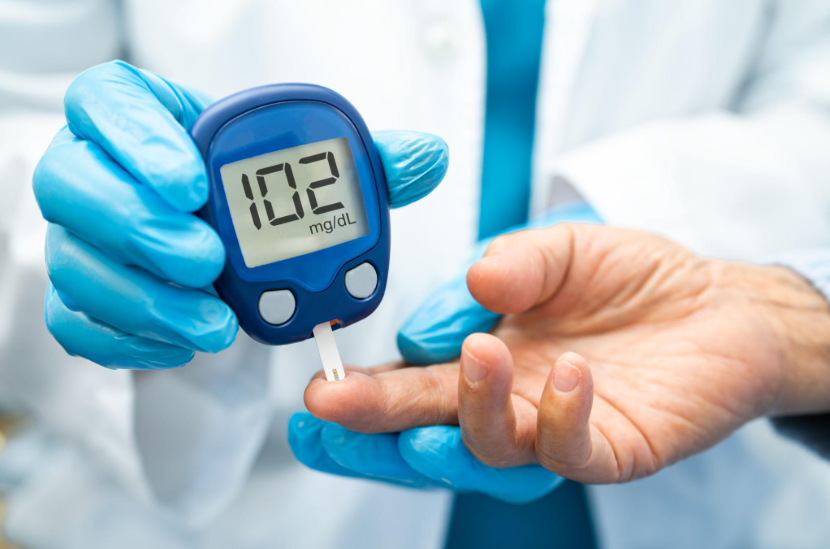
Type 2 diabetes develops when the body becomes less responsive to insulin or cannot produce enough insulin to maintain normal blood glucose levels. Genetics, body weight, diet, physical activity and other environmental factors can contribute to the development of the condition.
The reported meta-analysis examined associations between selected organic pollutants and type 2 diabetes. Compounds such as dioxins and furans can persist in the environment and may enter the human body through contaminated food, water or other exposure pathways.
Researchers are investigating whether long-term exposure to these chemicals may interfere with metabolic processes, insulin signalling or other biological pathways involved in glucose regulation.
The findings are important for environmental health research, but an association does not prove that exposure directly causes diabetes. The amount of exposure, individual health characteristics and differences between the studies included in the analysis must be considered.
✦ Clinical Takeaway
A medical research update reports that certain organic pollutants, including furans, dioxins and related chemical compounds, may be associated with an increased risk of type 2 diabetes. The finding highlights the potential role of environmental exposures in metabolic health.
CancerMedical News
Nov 4, 2026India Caps Trade Margins on 137 Anti-Cancer Medicines to Improve Affordability
By System Admin, MD, Healthcare & Clinical Journalism•4 min read

Cancer treatment can involve substantial financial pressure on patients and families, particularly when treatment requires repeated cycles of medicines or long-term therapy. The cost of medicines is one of the factors that can affect access to cancer care and treatment continuity.
The National Pharmaceutical Pricing Authority's decision to cap trade margins at 30% for 137 non-scheduled anti-cancer medicines is intended to limit excessive mark-ups in the distribution chain. The revised maximum retail prices are scheduled to come into effect on 9 November 2026.
The measure may improve affordability for patients who depend on the medicines covered by the order. However, the actual reduction will vary depending on the medicine, its existing price and the distribution structure. Patients should check the revised price of their specific prescription after the new rates take effect.
The policy addresses medicine pricing; it does not change the clinical effectiveness of the drugs or replace the need for specialist oncology advice.
✦ Clinical Takeaway
India's National Pharmaceutical Pricing Authority has capped trade margins at 30% of the maximum retail price for 137 non-scheduled anti-cancer medicines. The revised prices are due to take effect on 9 November, potentially reducing the cost of selected cancer treatments for patients.
HeartMedical News
Nov 4, 2026Radiofrequency Renal Denervation Shows Blood Pressure Reduction in Resistant Hypertension Study
By System Admin, MD, Healthcare & Clinical Journalism•4 min read
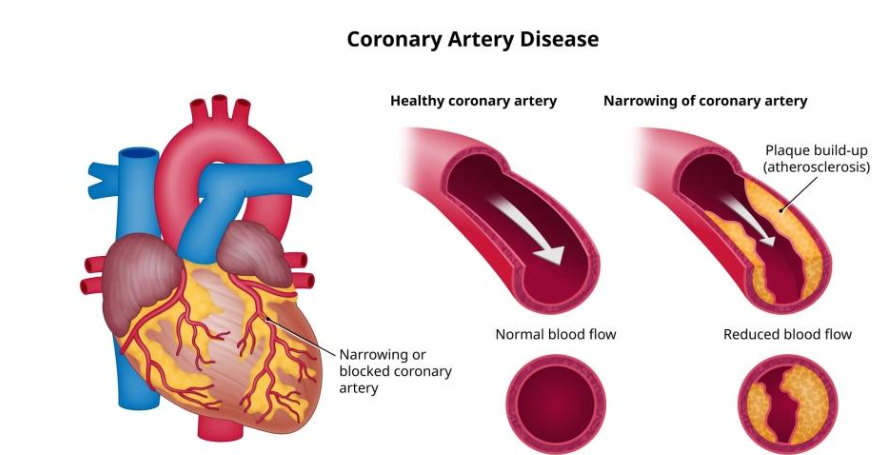
Renal denervation is a catheter-based procedure designed to reduce overactive nerve signals between the kidneys and the brain that can contribute to high blood pressure. It is being investigated as an additional treatment option for selected patients whose blood pressure remains uncontrolled despite medication.
In the SPYRAL AFFIRM study, researchers evaluated a radiofrequency renal denervation system in 594 patients. At six months, average systolic blood pressure had fallen by 18.2 mmHg in clinic measurements, 9.4 mmHg in home measurements and 9.7 mmHg in 24-hour ambulatory monitoring.
The researchers reported that 86.1% of evaluable patients experienced a defined clinical benefit. Serious adverse events were uncommon during the reported follow-up period.
However, the study was observational and did not include a sham-control group. It also did not test medication adherence. Therefore, the results are encouraging but do not establish that renal denervation should replace standard hypertension medicines.
✦ Clinical Takeaway
A study presented at the Transcatheter Cardiovascular Therapeutics 2026 meeting found that radiofrequency renal denervation was associated with reduced systolic blood pressure in patients with uncontrolled hypertension. The study included 594 patients across 73 US clinical sites.
General HealthMedical News
Nov 3, 2026Delhi's Very Poor Air Quality Raises Health Concerns for People With Respiratory Conditions
By System Admin, MD, Healthcare & Clinical Journalism•4 min read

Air pollution contains a mixture of particulate matter and gases that can irritate the respiratory tract and affect cardiovascular and respiratory health. Fine particulate matter, particularly PM2.5, can penetrate deep into the lungs and may enter the bloodstream.
When air quality deteriorates, people may experience coughing, throat irritation, eye discomfort, breathlessness or worsening of existing asthma and chronic lung disease. Long-term exposure is also associated with increased risks of cardiovascular and respiratory illness.
The 2 November report highlights concerns in Delhi as air quality entered the very poor category. Doctors caution that healthy people are not completely protected from the effects of polluted air, although people with asthma, chronic obstructive pulmonary disease, heart disease, children and older adults may be especially vulnerable.
Public-health measures include monitoring local air-quality alerts, reducing strenuous outdoor activity during severe pollution episodes, using suitable respiratory protection where advised and following prescribed medication plans. Severe breathlessness or chest pain requires urgent medical attention.
✦ Clinical Takeaway
A report published on 2 November describes Delhi's air quality slipping into the very poor category and highlights concerns about the health effects of polluted air. Doctors explain that exposure can affect even people who do not have a diagnosed lung condition.
OrthopedicsMedical News
Nov 3, 2026New Metabolomics Research Explores Biological Subtypes of Central Obesity and Musculoskeletal Disorders
By System Admin, MD, Healthcare & Clinical Journalism•4 min read

Musculoskeletal disorders affect the bones, joints, muscles, ligaments and supporting structures that enable movement. Central obesity can place additional mechanical stress on the body and is also associated with metabolic changes that may influence musculoskeletal health.
The newly published research uses metabolomics-based analysis to investigate subtypes of central obesity in the context of musculoskeletal disorders. By examining metabolic molecules, researchers can explore biological differences that may not be visible through body weight or waist measurements alone.
This type of research may eventually help clinicians better understand why people with similar body measurements experience different musculoskeletal problems. However, the publication listing does not establish a new treatment, a validated diagnostic test or a proven method for preventing joint disease. Further clinical validation is necessary before the findings can guide routine orthopedic practice.
✦ Clinical Takeaway
A research paper published on 2 November in Scientific Reports examines metabolomics-based central obesity and its relationship to musculoskeletal disorder management. The research explores whether metabolic profiles can help identify different biological patterns associated with these conditions.
NeurologyMedical News
Nov 3, 2026IVIG Treatment Reported to Ease Pain in Sjögren Disease-Related Sensory Neuropathy
By System Admin, MD, Healthcare & Clinical Journalism•4 min read

Sjögren disease is an autoimmune condition that commonly affects moisture-producing glands but can also involve other organs and systems. Some patients develop peripheral neuropathy, in which the nerves outside the brain and spinal cord become damaged or dysfunctional.
Sensory neuropathy may cause burning pain, tingling, numbness or abnormal sensitivity. These symptoms can interfere with sleep, mobility and daily activities. Treatment depends on the type of nerve involvement and the patient's overall condition.
Intravenous immunoglobulin is a treatment made from pooled antibodies and is used in selected immune-related disorders. The 2 November Medscape report highlights its use in pain associated with Sjögren disease-related sensory neuropathy. The accessible listing does not provide enough detail to confirm the number of patients, degree of benefit or long-term outcomes. IVIG is not a universal treatment for neuropathy and requires specialist assessment.
✦ Clinical Takeaway
Medscape listed a report on 2 November describing the use of intravenous immunoglobulin (IVIG) for pain associated with sensory neuropathy in Sjögren disease. The report suggests potential symptom relief, but detailed study information should be checked before drawing wider conclusions.
AyurvedaMedical News
Nov 3, 2026Ayurveda-Based Community Programme Reports Improvements in Elderly People's Health
By System Admin, MD, Healthcare & Clinical Journalism•4 min read

The All India Institute of Ayurveda conducted a community-based programme in Faridabad district, Haryana, focusing on the physical and mental health of older adults. The initiative screened 5,594 people aged 60–80 over three months and included a separate component involving 200 people screened for dementia-related concerns.
The official report described improvements in quality-of-life scores following a 60-day intervention. It also reported changes in assessments of cognitive function and selected biomarkers, including serotonin, acetylcholine, DHEA and vitamin D. Improvements in bone mineral density were also reported in the programme.
These results may provide a starting point for further investigation into community-based traditional medicine programmes for older adults. However, the official update also states that more extensive scientific evaluation and continued safety monitoring are needed. The findings should not be treated as proof that Ayurveda interventions prevent dementia or can replace established medical treatment.
✦ Clinical Takeaway
An official Ministry of AYUSH update published on 27 October reported that a community-based Ayurveda programme in Faridabad recorded improvements in quality-of-life measures, selected cognitive assessments and bone mineral density among older participants. This is the latest relevant official update I could verify, but it is not a 2 November announcement.
NutritionMedical News
Nov 3, 2026Medically Tailored Meals Improve Blood Pressure, Blood Sugar and Diet Quality in Adults
By System Admin, MD, Healthcare & Clinical Journalism•4 min read

Access to nutritious food can be difficult for people managing multiple long-term health conditions, particularly when financial or practical barriers limit their ability to prepare balanced meals. Medically tailored meal programmes aim to address this problem by providing food designed around participants' health needs.
The reported study followed more than 100 adults over an eight-month programme. One group received ten medically tailored meals each week throughout the programme. Another group received the same initial level of support, followed by a gradual reduction in meals alongside education on heart-healthy eating, cooking demonstrations, nutrition counselling and recipes.
Researchers reported improvements in diet quality, access to healthy food, HbA1c and blood pressure. They also reported that gradually reducing meal provision did not remove the programme's health benefits when combined with nutrition education.
The findings support further investigation into food-based interventions for people with chronic conditions. The results are from a conference research abstract and are preliminary, not yet a full peer-reviewed journal publication.
✦ Clinical Takeaway
Preliminary research presented in connection with the American Heart Association Scientific Sessions 2026 found that medically tailored meals improved diet quality, nutrition scores, HbA1c and blood pressure among adults with type 2 diabetes and hypertension.
FitnessMedical News
Nov 3, 2026Physical Activity and Healthy Ageing: New Research Highlights the Importance of Maintaining Mobility
By System Admin, MD, Healthcare & Clinical Journalism•4 min read

Central obesity refers to excess fat accumulation around the abdomen. It is associated with metabolic changes that can affect overall health and may coexist with musculoskeletal problems, including conditions that affect movement and physical function.
The newly listed Scientific Reports paper examines metabolomics-based approaches to identifying subtypes of central obesity in relation to musculoskeletal disorders. Metabolomics involves studying small molecules produced during the body's metabolic processes. Researchers use these patterns to investigate biological differences between individuals and identify possible markers linked to disease.
The research may contribute to more personalised approaches to understanding musculoskeletal conditions. However, it should not be interpreted as evidence that a particular exercise programme or weight-loss intervention has been proven effective by this paper. Regular physical activity, strength training suited to individual ability and appropriate clinical advice remain important components of maintaining mobility.
✦ Clinical Takeaway
A research paper published on 2 November in Scientific Reports examines metabolomics-based central obesity and its relationship with musculoskeletal disorder management. It explores how metabolic characteristics associated with central obesity may help distinguish musculoskeletal health patterns.
Mental HealthMedical News
Nov 3, 2026Online Misogyny and Manosphere Content Raise Concerns About Young People's Mental Wellbeing
By System Admin, MD, Healthcare & Clinical Journalism•4 min read

The term manosphere refers to a broad collection of online communities and content that discuss masculinity, gender relations and men's issues. Some spaces offer discussion and peer support, while others promote hostility towards women, rigid gender stereotypes or harassment.
Repeated exposure to hostile content may influence how young people understand relationships, identity and social behaviour. It can also contribute to online conflict, distress and unhealthy attitudes towards others. However, the effects are complex and should not be assumed to be the same for every person who encounters such content.
Parents, educators and mental health professionals can support young people by encouraging critical media literacy, respectful online communication and open conversations about harmful content. The report raises a public-health concern; it should not be interpreted as proof that all online communities focused on masculinity are harmful.
✦ Clinical Takeaway
A 2 November health-news roundup highlights growing concern about online misogyny and manosphere content and their potential effects on young people's wellbeing and society.
PediatricsMedical News
Nov 3, 2026Childhood Migraine: Sleep, Stress and School Environment Identified as Important Triggers
By System Admin, MD, Healthcare & Clinical Journalism•4 min read

Migraine in children can affect school attendance, concentration, sleep and everyday activities. Unlike ordinary headaches, migraine episodes may involve moderate to severe head pain, nausea, sensitivity to light or sound and a need to rest.
The 2 November report highlights several factors associated with childhood migraine episodes. These include disrupted sleep, stress related to schoolwork, loud environments, bright lights and insufficient hydration. Triggers can differ from one child to another, so identifying individual patterns may help families and clinicians plan appropriate management.
Parents can support children by maintaining regular sleep routines, encouraging adequate fluid intake, providing balanced meals and discussing recurring headaches with a healthcare professional. Frequent, severe or changing headaches require medical assessment, particularly when accompanied by neurological symptoms, fever or repeated vomiting. The reported triggers should not be treated as a substitute for diagnosis or an individual treatment plan.
✦ Clinical Takeaway
A 2 November medical-news roundup reports that childhood migraine studies identify sleep problems, academic stress, noise, bright light and inadequate fluid intake as commonly reported triggers.
Women's HealthMedical News
Nov 3, 2026Menstrual Hygiene Use Among Young Indian Women Rises to 79.2%, NFHS-6 Data Shows
By System Admin, MD, Healthcare & Clinical Journalism•4 min read
Menstrual hygiene is an important part of women's health, dignity and wellbeing. Access to clean menstrual products, safe sanitation facilities and accurate health information can help reduce discomfort, prevent avoidable hygiene-related problems and support school and workplace participation.
According to the NFHS-6 figures highlighted in the 2 November report, the proportion of young Indian women aged 15–24 using hygienic menstrual protection has increased to 79.2%, up from 57.6% in the 2015–16 survey period.
The improvement suggests that awareness campaigns, better product availability and affordability may be helping more young women manage menstruation safely. However, national averages can conceal differences between rural and urban areas, income groups and states. Continued attention to affordable products, school facilities, menstrual education and access to healthcare remains important.
✦ Clinical Takeaway
A report published on 2 November highlights NFHS-6 data showing that 79.2% of Indian women aged 15–24 use hygienic menstrual protection, compared with 57.6% in 2015–16. The increase points to progress in access, affordability and awareness, although gaps remain.
DiabetesMedical News
Nov 3, 2026GLP-1 Medicines Linked to Lower Diabetes Progression and Cardiovascular Risks in People With Prediabetes
By System Admin, MD, Healthcare & Clinical Journalism•4 min read

Prediabetes occurs when blood glucose levels are higher than normal but do not yet meet the criteria for type 2 diabetes. People with prediabetes, particularly those also living with obesity, have an increased risk of developing diabetes and cardiovascular complications.
Researchers compared outcomes among more than 250,000 adults with prediabetes and obesity who were taking GLP-1 receptor agonist medicines or metformin. The study reported that the GLP-1 group was approximately 1.5 times more likely to return to normal blood glucose levels. It also reported lower risks of progression to type 2 diabetes, death from any cause, heart attack, stroke and heart failure over the study period.
These results are potentially important because diabetes prevention can also reduce long-term cardiovascular risks. However, the research is a conference abstract and has not yet undergone full peer-reviewed journal publication. The reported associations do not prove that GLP-1 medicines alone caused the differences. Treatment decisions must account for medical history, side effects, cost and clinician guidance.
✦ Clinical Takeaway
Preliminary research involving more than 250,000 adults with prediabetes and obesity found that people taking GLP-1 medicines were more likely to return to normal blood glucose levels and had lower reported risks of progressing to type 2 diabetes than those taking metformin. The findings are being presented at the American Heart Association Scientific Sessions 2026.
CancerMedical News
Nov 3, 2026Phase 2 Study Examines Treatment Sequencing for HER2-Positive Breast Cancer
By System Admin, MD, Healthcare & Clinical Journalism•4 min read

HER2-positive breast cancer is characterised by increased expression of the HER2 protein, which can encourage cancer cells to grow. HER2-targeted medicines have become an important part of treatment for this subtype, often used alongside chemotherapy.
The METIS phase 2 study examines whether chemotherapy and HER2-targeted medicines should be administered concurrently or sequentially before surgery. This treatment period is known as neoadjuvant therapy. It is used to reduce tumour size, assess how the cancer responds and help clinicians plan subsequent treatment.
The sequencing of medicines matters because treatment effectiveness, toxicity and the ability to complete therapy can differ between approaches. The publication adds to research on how to optimise pre-surgical treatment for HER2-positive disease. Its findings should be interpreted from the full paper, including its patient numbers, response outcomes and adverse-event data. A phase 2 study does not by itself establish a new universal standard of care.
✦ Clinical Takeaway
A new research paper published on 2 November in Signal Transduction and Targeted Therapy reports a randomised phase 2 study, METIS, examining neoadjuvant treatment strategies for HER2-positive breast cancer. It evaluates how anthracycline-containing chemotherapy is sequenced with HER2-targeted agents.
HeartMedical News
Nov 3, 2026Combined Heart-Procedure Techniques Improve Stent Expansion in Severely Calcified Arteries
By System Admin, MD, Healthcare & Clinical Journalism•4 min read
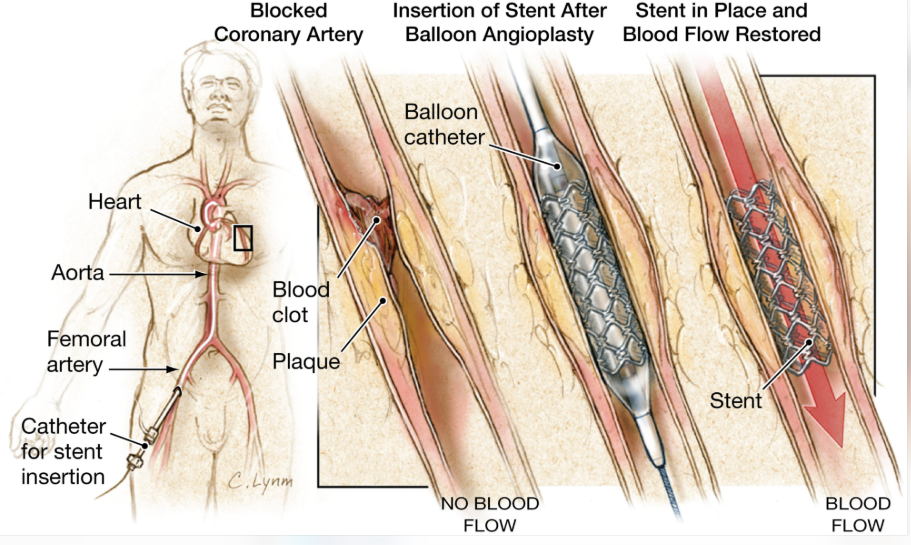
Severe calcium deposits in coronary arteries can make it difficult to expand a stent properly during angioplasty. Inadequate stent expansion can affect the result of the procedure and may increase the risk of complications.
Researchers at Mount Sinai Hospital evaluated whether combining two calcium-modification techniques could improve stent expansion. Rotational atherectomy uses a specialised device to modify hard calcium deposits, while intravascular lithotripsy uses acoustic pressure waves to fracture calcium within the artery.
The NODULE-SHOCK trial enrolled 120 patients with severely calcified coronary arteries. In the subgroup of 66 patients with calcified nodules, 33 received rotational atherectomy followed by intravascular lithotripsy, while 33 received intravascular lithotripsy alone. Optical coherence tomography was used to assess the calcium and measure the final stent expansion.
The researchers reported better stent expansion with the combined approach. The findings may help clinicians evaluate treatment strategies for complex coronary lesions. However, the study results should be considered alongside clinical outcomes, procedural risks and longer-term follow-up before changing routine practice.
✦ Clinical Takeaway
A randomised clinical trial at Mount Sinai Hospital found that combining rotational atherectomy with intravascular lithotripsy allowed coronary stents to expand more fully than intravascular lithotripsy alone in patients with severely calcified coronary nodules. The study enrolled 120 patients.