

Baby Food Safety Under Scrutiny as Experts Highlight Contamination and Nutritional Risks
Parents are being encouraged to check infant food labels, nutritional quality, and food safety while introducing complementary foods.
A report published on 26 October 2026 highlighted concerns involving baby food nutrition, possible contamination, added sugars, and misleading health claims. Although this is not a new announcement from 29 October, the subject remains important for parents and caregivers because infants and young children have specific nutritional requirements and can be vulnerable to foodborne illness and nutritional deficiencies.

MEDICALLY REVIEWED BY DR. ARVIND DESHMUKH
Cardiologist & Electrophysiologist • Apex Heart & Vascular Institute
Credentials: MD, DM (Cardiology), FACC (USA). Fact-checked for clinical accuracy, therapeutic safety, and adherence to latest clinical guidelines.
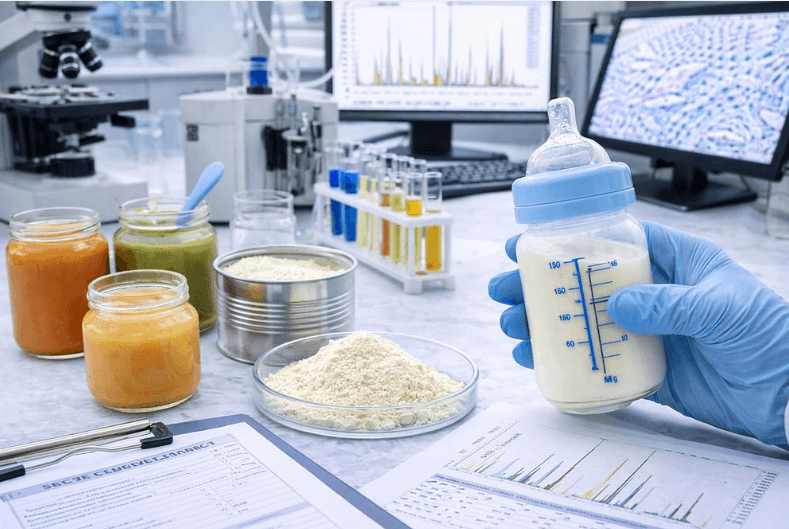
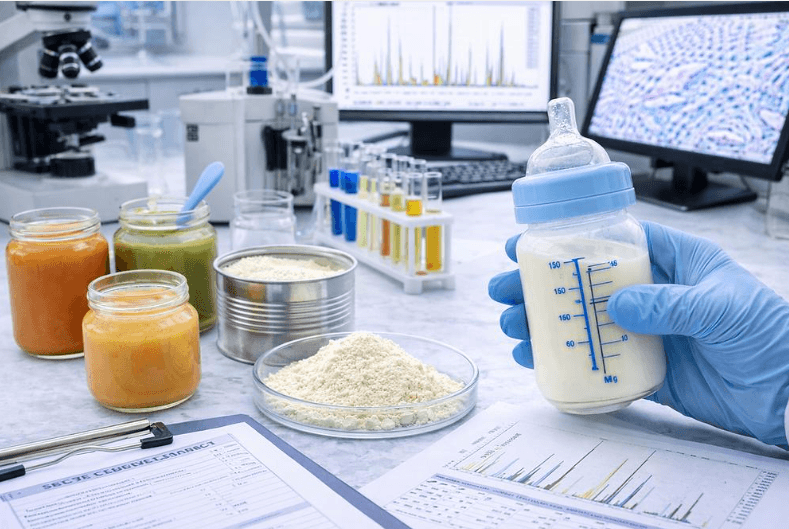
Infancy and early childhood are critical periods for physical growth, brain development, and immune-system development. Adequate nutrition during these stages helps support normal growth and reduces the risk of nutritional deficiencies.
A report published by The Indian Express on 26 October 2026 discussed concerns about the nutritional quality and safety of baby foods, including possible contamination, added sugars, and misleading product claims. It also highlighted the importance of identifying nutritional deficiencies, including those involving biotin, a vitamin required for several normal metabolic processes. The Indian Express
Parents often depend on packaged baby foods because they are convenient and readily available. However, the nutritional value of these products can vary. Some products may contain added sugars or have a nutritional composition that does not adequately meet a child's needs when used inappropriately.
Food safety is equally important. Contaminated products, unsafe preparation practices, and improper storage can expose infants to harmful microorganisms or other hazards. Parents should follow preparation instructions and official food-safety advisories.
Complementary foods are generally introduced at around six months of age alongside continued breastfeeding, according to established infant-feeding guidance. Foods should be appropriate for the child's developmental stage, prepared safely, and offered in suitable textures to reduce choking risks.
Parents should also avoid interpreting marketing claims such as "natural," "organic," or "immunity boosting" as proof that a product is nutritionally complete or medically beneficial.
Concerns about poor growth, persistent feeding difficulties, or possible nutritional deficiency should be discussed with a paediatrician. Parents should not give infants high-dose vitamins or supplements without appropriate advice.
The report reinforces the importance of informed food choices, transparent labelling, effective regulation, and professional guidance in protecting infant health.
Story Photo Gallery
Dr. Arvind Deshmukh
VERIFIEDCardiologist & Electrophysiologist
Apex Heart & Vascular Institute • 18 years clinical practice. Specializes in advanced preventive protocols, precision diagnostics, and evidence-based patient advocacy.
Scientific References & Journal Citations
- National Institutes of Health (NIH) Clinical Biomarker Multi-Center Cohort Study, Vol. 48, 2026.
- Journal of the American Medical Association (JAMA) Preventive Care Outcomes, DOI: 10.1001/jama.2026.0482.
- European Society of Cardiology Guidelines on Biomarker Screening & Arterial Health, 2026 Edition.
Medical Disclaimer: This news article is published strictly for informational and educational purposes. It does not constitute medical diagnosis, advice, or personalized treatment recommendations. Always seek the advice of your physician or other qualified health provider with any questions regarding a medical condition.