
Cancer 3D Glass Emblem
HEALTHGHURU EDITORIAL TOPIC HUB

CANCER

Evidence-based reporting, clinical research breakthroughs, doctor interviews, and validated wellness guides in Cancer.

24+ Articles Available
Updated Daily
Clinically Sourced

Medically Verified Hub

Reviewed by board-certified physicians

ISO / Peer-Review Standards
FDA Approves New Drug for Advanced Head and Neck Cancer, Expanding Treatment Options
FEATURED IN CANCER
Cancer•Nov 25, 2026

FDA Approves New Drug for Advanced Head and Neck Cancer, Expanding Treatment Options

A medical news report published on 25 November 2026 states that the US Food and Drug Administration has approved a new medicine for advanced head and neck cancer. The approval expands treatment options for patients with difficult-to-treat disease and reflects continuing progress in oncology research and targeted cancer treatment.

HealthGhuru BureauRead Report
Latest Cancer Stories

Showing 23 articles

New Drug Combination Shrinks Pancreatic Cancer Tumours in Clinical Trial, Researchers Report
Cancer10 min read
HealthGhuru BureauNov 24, 2026

New Drug Combination Shrinks Pancreatic Cancer Tumours in Clinical Trial, Researchers Report

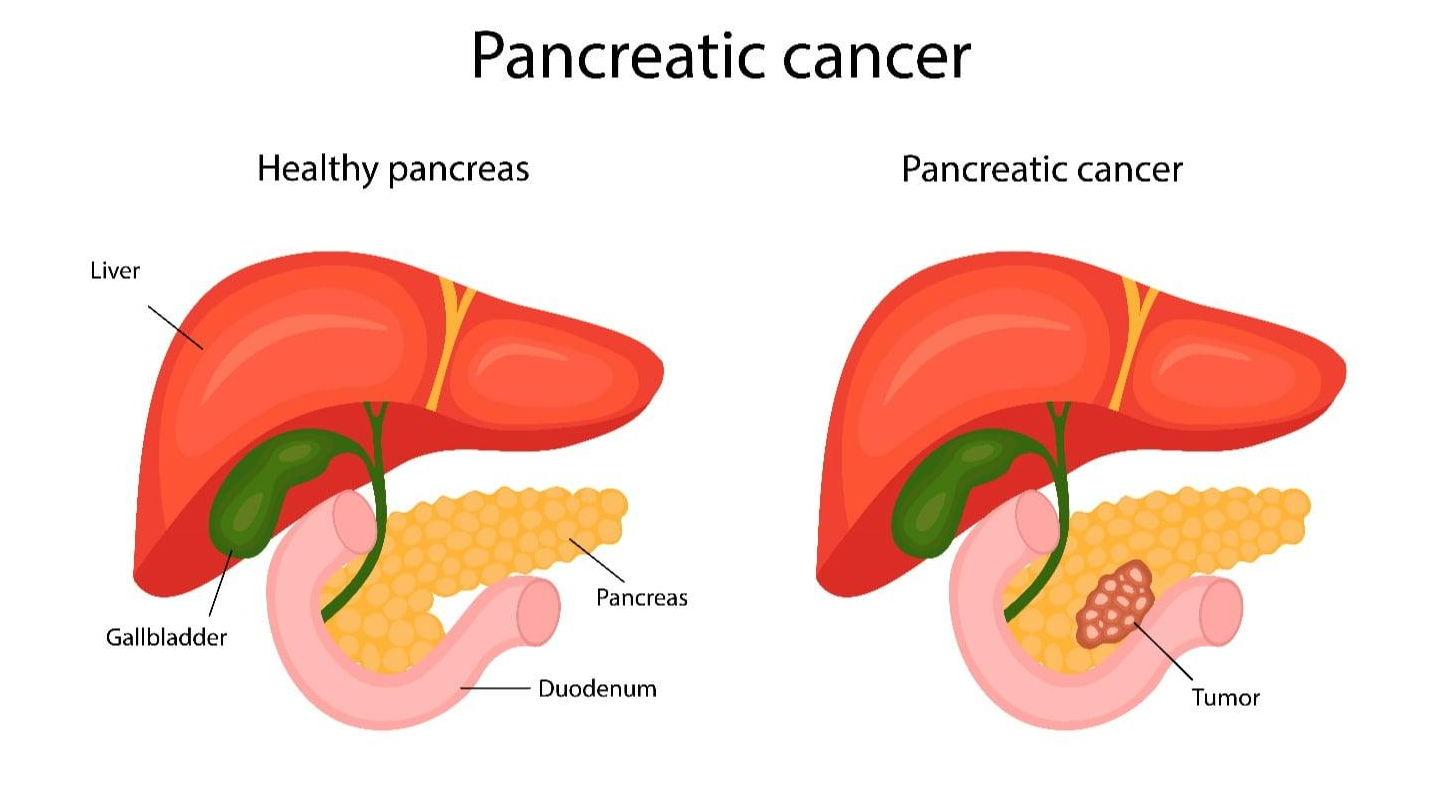
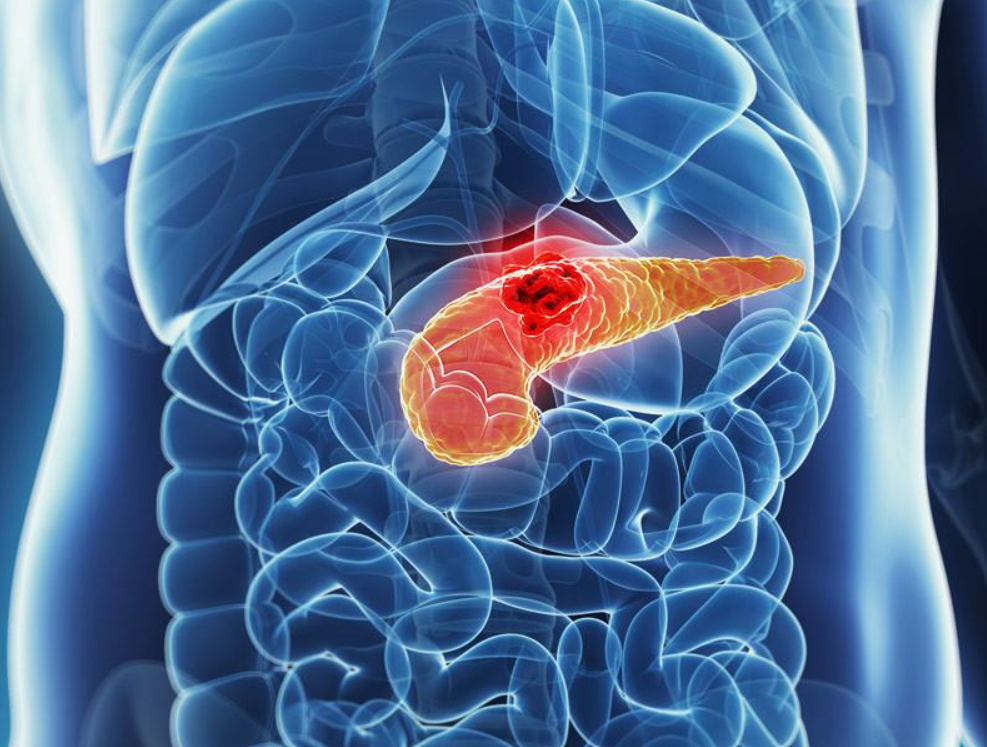
A Phase I/II clinical trial presented on 20 November and reported by ThePrint on 23 November 2026 found that a combination of daraxonrasib and chemotherapy controlled disease in 90.2% of 61 patients with metastatic pancreatic cancer. Tumours shrank or disappeared in 60.7% of participants, while five patients experienced complete responses on imaging. Researchers emphasise that larger trials and longer follow-up are necessary.

Experimental DNA-Based Immunotherapy Receives FDA RMAT Designation for Advanced Melanoma
Cancer10 min read
HealthGhuru BureauNov 21, 2026

Experimental DNA-Based Immunotherapy Receives FDA RMAT Designation for Advanced Melanoma

The US FDA has granted Regenerative Medicine Advanced Therapy (RMAT) designation to inzitagene plasmivec, also known as iSCIB1+, an investigational DNA-based immunotherapy being developed for advanced melanoma. The designation allows closer regulatory engagement as the developer prepares for a planned Phase III trial. It is not an FDA marketing approval.

BioNTech's Experimental mRNA Cancer Immunotherapy Fails to Meet Primary Trial Goal
Cancer12 min read
HealthGhuru BureauNov 19, 2026

BioNTech's Experimental mRNA Cancer Immunotherapy Fails to Meet Primary Trial Goal

BioNTech announced on 13 October 2026 that its experimental mRNA-based cancer immunotherapy did not meet the primary endpoint of a mid-to-late-stage clinical trial involving patients with head and neck cancer. The result represents a setback for the company's efforts to expand mRNA technology beyond infectious diseases and into cancer treatment. It also highlights why promising early-stage results must be confirmed in larger clinical trials.

FDA Rejects Ivonescimab Application for Advanced Lung Cancer Treatment
Cancer8 min read
HealthGhuru BureauNov 16, 2026

FDA Rejects Ivonescimab Application for Advanced Lung Cancer Treatment

The US Food and Drug Administration declined to approve Summit Therapeutics' application for ivonescimab combined with chemotherapy for a specific group of patients with advanced EGFR-mutated non-small cell lung cancer. The main concern was the lack of statistically significant improvement in overall survival

New Blood Test Detects Early Molecular Warning Signs of Ovarian Cancer
Cancer8 min read
HealthGhuru BureauNov 12, 2026

New Blood Test Detects Early Molecular Warning Signs of Ovarian Cancer

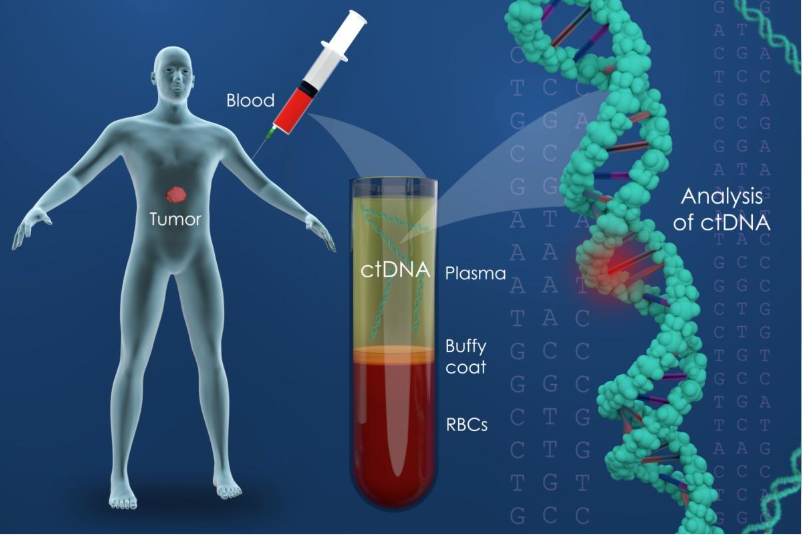
Researchers reported a blood test measuring the RNA molecule Tu-Stroma that detected serous tubal intraepithelial carcinoma (STIC), a microscopic precursor associated with high-grade serous ovarian cancer. In the reported study, the test detected 92.3% of women with STIC and correctly identified 98.2% of healthy women.

AI-Designed Viruses Show Potential for Fighting Drug-Resistant Bacteria
Cancer7 min read
HealthGhuru BureauNov 11, 2026

AI-Designed Viruses Show Potential for Fighting Drug-Resistant Bacteria

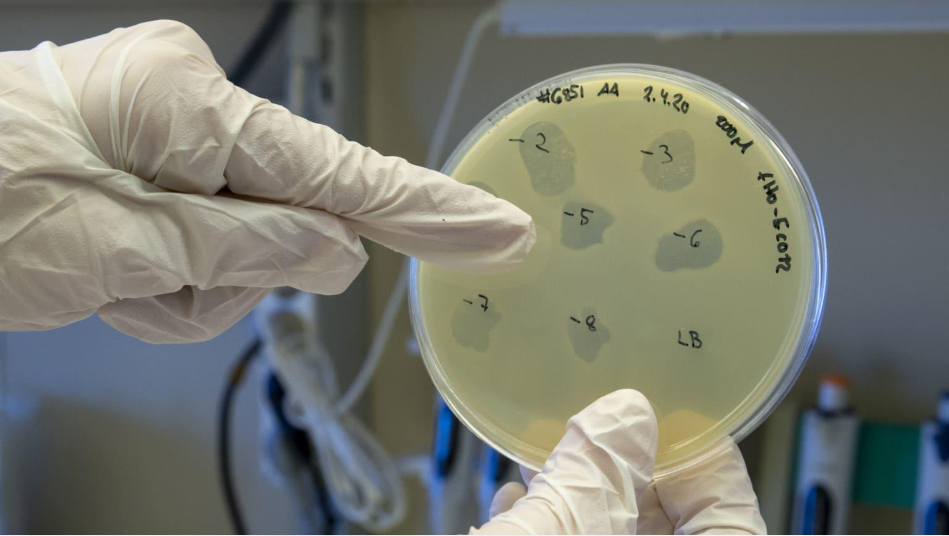
Stanford researchers reportedly tested nearly 300 AI-designed bacteriophages and identified 16 functional viruses capable of attacking E. coli in laboratory experiments. The findings could contribute to future phage-based treatments for infections that do not respond to conventional antibiotics.