

Home-Based Brain Stimulation for Depression Found Feasible in an International Trial
Researchers report that patients could use a remote non-invasive stimulation system, but treatment effectiveness still needs clarification.
Medical Xpress reported on 19 October that an international clinical trial published in JAMA Network Open found that people with major depression could use a non-invasive brain-stimulation system at home. The study focused on feasibility and safety, while noting that further work is needed to understand what drives symptom improvement.

MEDICALLY REVIEWED BY DR. ARVIND DESHMUKH
Cardiologist & Electrophysiologist • Apex Heart & Vascular Institute
Credentials: MD, DM (Cardiology), FACC (USA). Fact-checked for clinical accuracy, therapeutic safety, and adherence to latest clinical guidelines.
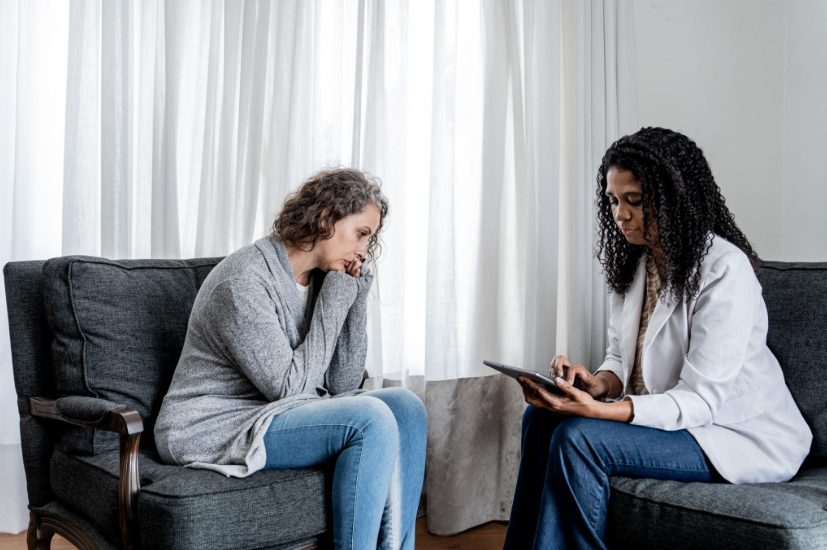
Major depression can affect mood, sleep, motivation, concentration and everyday functioning. Although psychotherapy and medication help many people, some patients do not respond adequately to available treatments. Researchers are exploring additional approaches that may improve access to care, including technologies that can be used outside a specialist clinic.
The reported trial assessed whether participants with major depression could follow a home-based protocol involving non-invasive brain stimulation and a digital gaming component. Such systems aim to make treatment delivery more accessible, but they still require careful assessment, supervision arrangements and clear instructions.
A finding that a treatment can be used safely and reliably at home is not the same as proving that it is more effective than established treatments. Researchers need to establish the size and durability of symptom improvement, which patients may benefit most and how to monitor adverse effects.
People with depression should consult a qualified mental-health professional before trying brain-stimulation devices. A home-use system should not replace prescribed treatment unless a clinician recommends a change. Urgent support is necessary if someone is at immediate risk of self-harm.
Story Photo Gallery
Dr. Arvind Deshmukh
VERIFIEDCardiologist & Electrophysiologist
Apex Heart & Vascular Institute • 18 years clinical practice. Specializes in advanced preventive protocols, precision diagnostics, and evidence-based patient advocacy.
Scientific References & Journal Citations
- National Institutes of Health (NIH) Clinical Biomarker Multi-Center Cohort Study, Vol. 48, 2026.
- Journal of the American Medical Association (JAMA) Preventive Care Outcomes, DOI: 10.1001/jama.2026.0482.
- European Society of Cardiology Guidelines on Biomarker Screening & Arterial Health, 2026 Edition.
Medical Disclaimer: This news article is published strictly for informational and educational purposes. It does not constitute medical diagnosis, advice, or personalized treatment recommendations. Always seek the advice of your physician or other qualified health provider with any questions regarding a medical condition.