Nutrition 3D Glass Emblem
HEALTHGHURU EDITORIAL TOPIC HUB

NUTRITION

Evidence-based reporting, clinical research breakthroughs, doctor interviews, and validated wellness guides in Nutrition.

24+ Articles Available
Updated Daily
Clinically Sourced

Medically Verified Hub

Reviewed by board-certified physicians

ISO / Peer-Review Standards
Late-Night Eating Linked to Higher Liver-Disease Risk in a Large Study
FEATURED IN NUTRITION
Nutrition•Oct 18, 2026

Late-Night Eating Linked to Higher Liver-Disease Risk in a Large Study

ScienceDaily reported on 15 October on research led by Oregon Health & Science University examining late-night eating and liver-disease risk in nearly 200,000 people. The reported relationship is an association and does not prove that late eating directly causes liver disease.

HealthGhuru BureauRead Report

Latest Nutrition Stories

Showing 23 articles

Topic:
High Ultra-Processed Food Intake Linked to Possible Signs of Silent Brain Injury
Nutrition11 min read
HealthGhuru BureauOct 16, 2026

High Ultra-Processed Food Intake Linked to Possible Signs of Silent Brain Injury

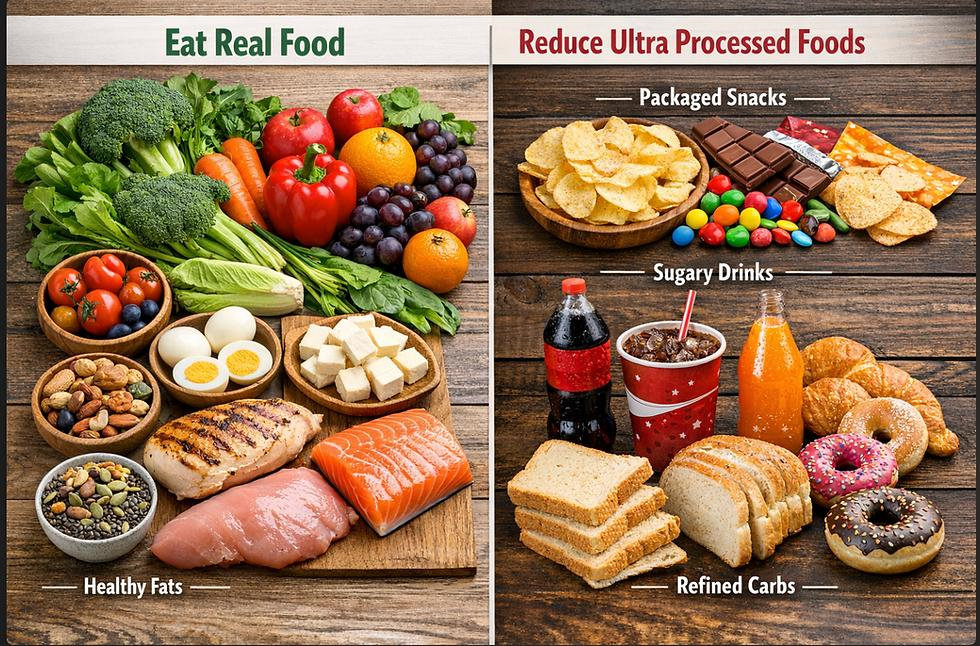
Research reported on 16 October 2026 found that healthy adults who consumed higher amounts of ultra-processed foods showed a greater prevalence of imaging signs associated with silent strokes. These changes can occur without obvious neurological symptoms but may be relevant to long-term brain health. The findings suggest a possible association between dietary patterns and small-vessel brain injury, although they do not prove that ultra-processed foods directly cause strokes.

Protein and Dietary Fiber May Influence Hunger Through Different Digestive Hormones
Nutrition11 min read
HealthGhuru BureauOct 15, 2026

Protein and Dietary Fiber May Influence Hunger Through Different Digestive Hormones

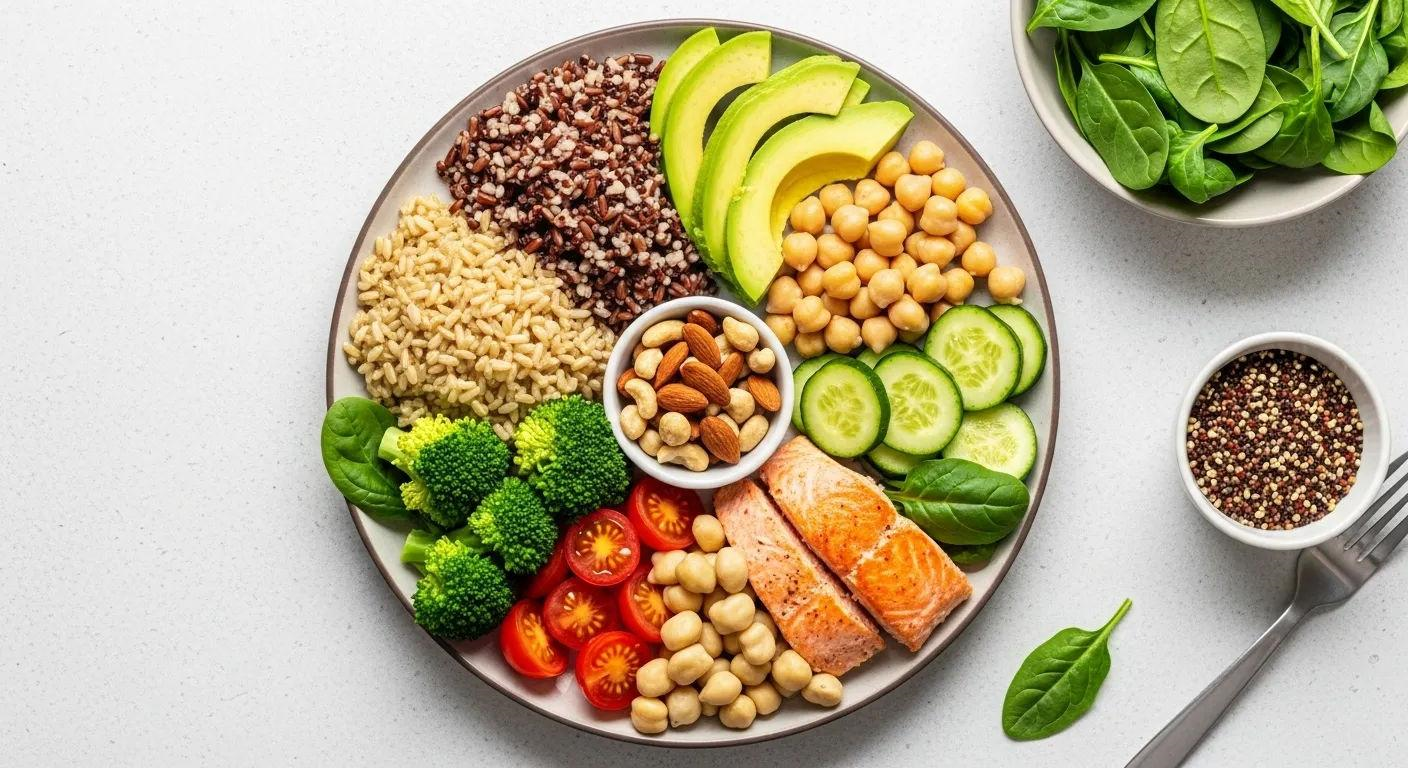
Recent health reporting examined why protein-rich foods may help people feel full for longer and how digestive hormones influence appetite. Protein and fiber can affect satiety through different mechanisms, including changes in digestion and signaling involving hormones such as GLP-1, PYY, and ghrelin. These effects may help support weight management, although the impact depends on the whole dietary pattern, individual health, and total energy intake.

People With the Same BMI Can Have Different Risks of Diabetes, Heart Disease, and Fatty Liver
Nutrition12 min read
HealthGhuru BureauOct 14, 2026

People With the Same BMI Can Have Different Risks of Diabetes, Heart Disease, and Fatty Liver

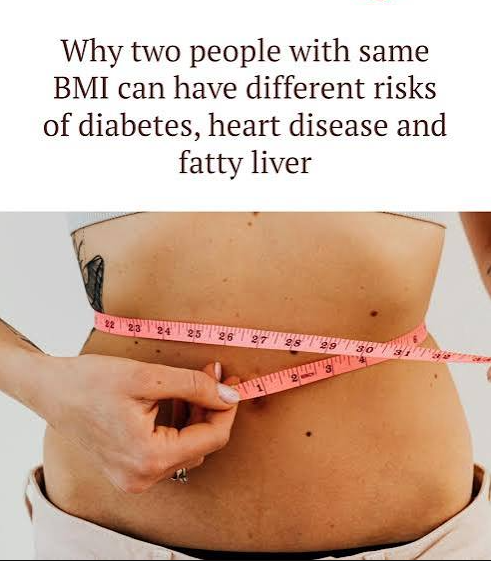
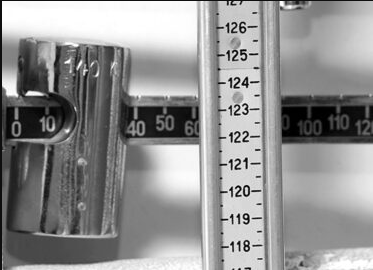
A health report published by The Indian Express on 14 October 2026 explains why two people with the same body mass index may have different risks of metabolic disease. Differences in abdominal fat, muscle mass, and body composition can influence insulin sensitivity and cardiovascular health. The report highlights the importance of evaluating overall metabolic health rather than relying exclusively on body weight or BMI.