

Growing Interest in Raw Organ-Based Diets Raises Questions About Food Safety and Nutritional Risks
The emerging “dark nutrition” trend highlights the need to distinguish nutritional value from the potential hazards of consuming raw animal products.
A health report published on 26 October 2026 examined the growing interest in raw animal organs, concentrated supplements, and other practices associated with the so-called dark nutrition trend. Although organ meats can provide important nutrients, consuming them raw can expose people to harmful microorganisms. Excessive intake of certain organs and supplements can also create nutritional imbalances or other health risks.

MEDICALLY REVIEWED BY DR. ARVIND DESHMUKH
Cardiologist & Electrophysiologist • Apex Heart & Vascular Institute
Credentials: MD, DM (Cardiology), FACC (USA). Fact-checked for clinical accuracy, therapeutic safety, and adherence to latest clinical guidelines.
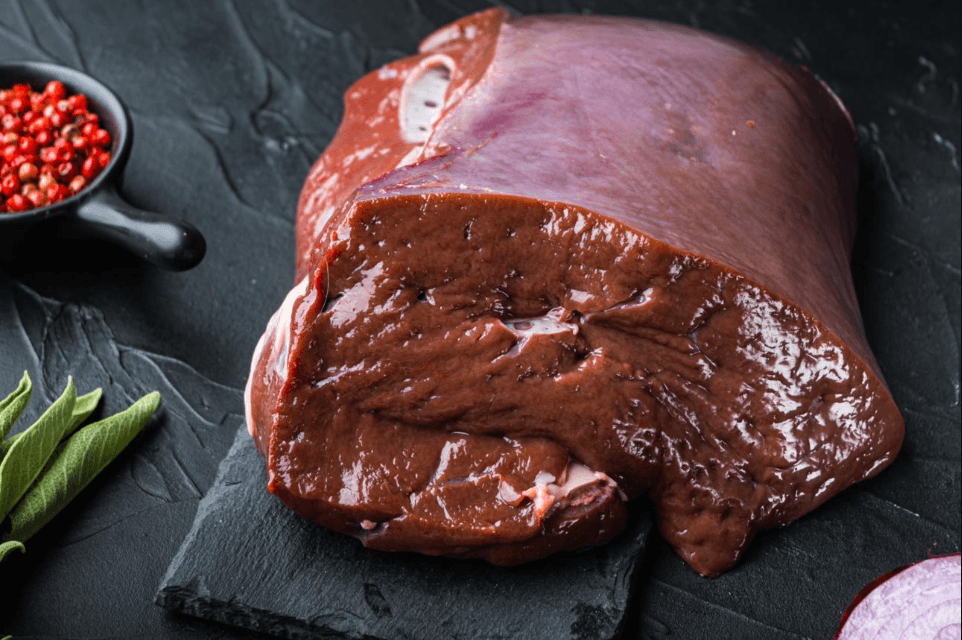
Social media trends increasingly influence how people choose foods, supplements, and dietary practices. One emerging trend, described as dark nutrition, involves the promotion of raw animal organs, concentrated supplements, and unconventional approaches to obtaining nutrients.
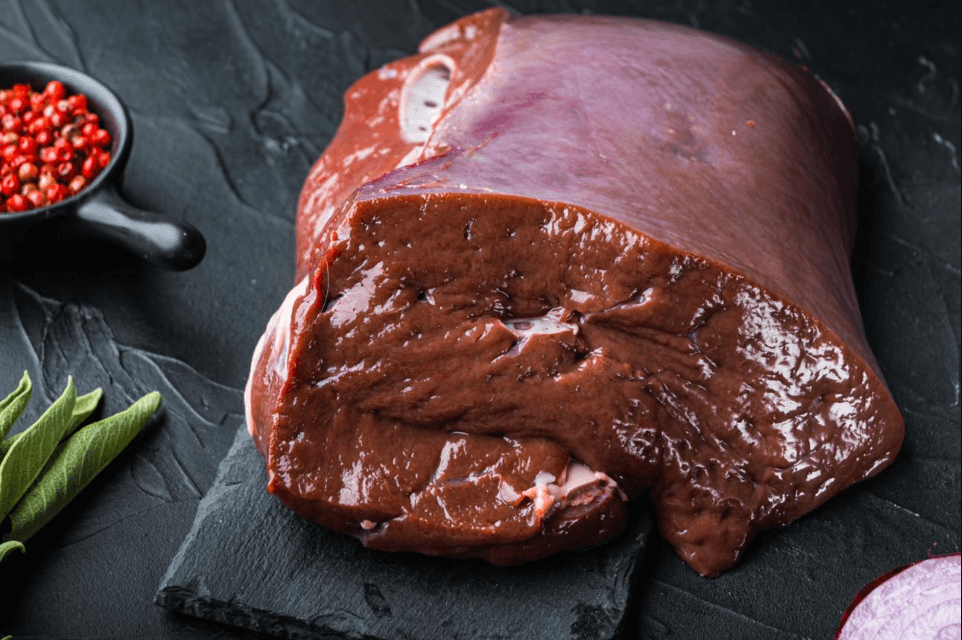
Some organ meats, including liver and heart, contain protein and essential micronutrients. Liver, for example, can provide iron, vitamin B12, and vitamin A. However, the nutritional value of a food does not automatically make every preparation method safe.
Raw or inadequately cooked animal organs can contain harmful bacteria and parasites. Infection may cause diarrhoea, vomiting, abdominal pain, fever, and, in vulnerable individuals, more serious complications.
Pregnant women, young children, older adults, and people with weakened immune systems may face a greater risk of severe foodborne illness. Safe handling, refrigeration, prevention of cross-contamination, and thorough cooking are therefore important.
Excessive consumption of particular foods can also create problems. Liver contains high concentrations of preformed vitamin A, and consuming too much can be harmful. This is especially important during pregnancy, when excessive preformed vitamin A can pose risks to fetal development.
Supplements present additional concerns when they contain very high doses of vitamins or minerals, interact with medicines, or make unsupported claims about improving health.
The report highlights the importance of evaluating dietary trends through established nutritional science rather than relying on social media testimonials. Individual nutritional requirements vary according to age, health status, dietary patterns, and other factors.
A balanced diet that includes a variety of appropriately prepared foods is generally a safer foundation for meeting nutritional needs than extreme or restrictive dietary practices.
People considering major dietary changes or high-dose supplements should seek qualified advice, particularly if they have an existing medical condition or take prescription medicines.
Story Photo Gallery
Dr. Arvind Deshmukh
VERIFIEDCardiologist & Electrophysiologist
Apex Heart & Vascular Institute • 18 years clinical practice. Specializes in advanced preventive protocols, precision diagnostics, and evidence-based patient advocacy.
Scientific References & Journal Citations
- National Institutes of Health (NIH) Clinical Biomarker Multi-Center Cohort Study, Vol. 48, 2026.
- Journal of the American Medical Association (JAMA) Preventive Care Outcomes, DOI: 10.1001/jama.2026.0482.
- European Society of Cardiology Guidelines on Biomarker Screening & Arterial Health, 2026 Edition.
Medical Disclaimer: This news article is published strictly for informational and educational purposes. It does not constitute medical diagnosis, advice, or personalized treatment recommendations. Always seek the advice of your physician or other qualified health provider with any questions regarding a medical condition.