

India's NAMASTE Programme Strengthens Occupational Health and Safety for Sanitation Workers
Government initiative provides protective equipment, health coverage and safety training to reduce workplace hazards.
The Ministry of Social Justice and Empowerment reported progress under the National Action for Mechanised Sanitation Ecosystem (NAMASTE) programme. The initiative provides sanitation workers with personal protective equipment, Ayushman Bharat Health Cards and occupational safety training to improve their health and working conditions.

MEDICALLY REVIEWED BY DR. ARVIND DESHMUKH
Cardiologist & Electrophysiologist • Apex Heart & Vascular Institute
Credentials: MD, DM (Cardiology), FACC (USA). Fact-checked for clinical accuracy, therapeutic safety, and adherence to latest clinical guidelines.
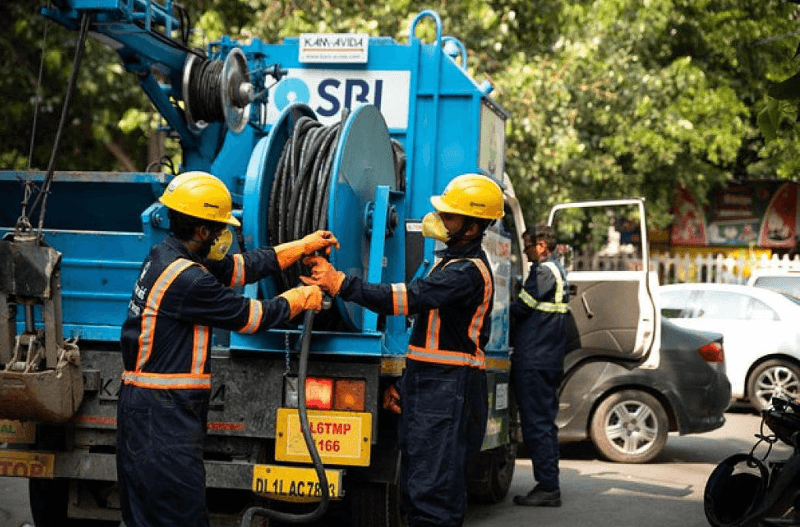
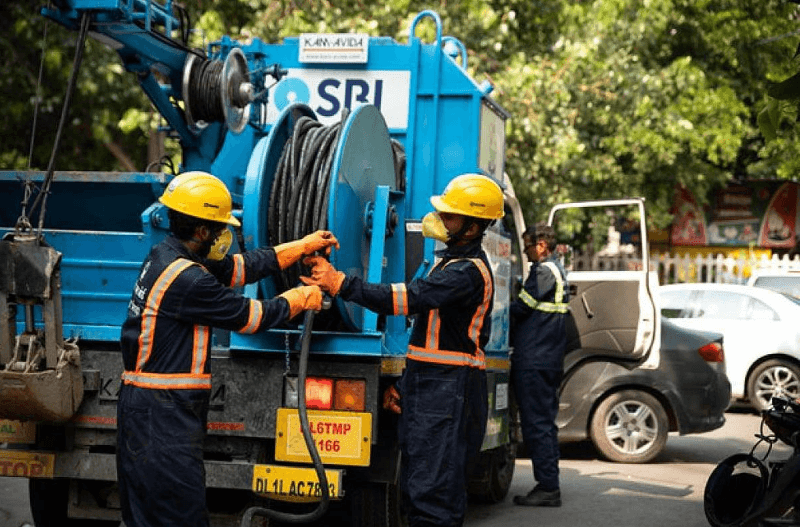
Sanitation workers perform essential public-health activities, including cleaning sewer systems, maintaining sanitation infrastructure and managing waste. However, workers involved in hazardous sanitation activities can face serious occupational risks. Exposure to toxic gases, infectious materials, contaminated water and unsafe working environments can result in respiratory problems, skin diseases, infections and other health complications. Accidents during manual sewer cleaning can also cause severe injuries or death. The National Action for Mechanised Sanitation Ecosystem programme aims to improve the safety, dignity and working conditions of sanitation workers. The initiative supports mechanisation of sanitation activities and provides workers with personal protective equipment and occupational safety training. The programme also links eligible workers to Ayushman Bharat Health Cards, helping improve access to healthcare services. Training is intended to reduce exposure to dangerous working conditions and encourage safer sanitation practices. The initiative highlights the importance of treating occupational safety as a public-health priority. Proper equipment, mechanised systems, regular health assessments and enforcement of safety procedures are essential to protecting sanitation workers.
Story Photo Gallery
Dr. Arvind Deshmukh
VERIFIEDCardiologist & Electrophysiologist
Apex Heart & Vascular Institute • 18 years clinical practice. Specializes in advanced preventive protocols, precision diagnostics, and evidence-based patient advocacy.
Scientific References & Journal Citations
- National Institutes of Health (NIH) Clinical Biomarker Multi-Center Cohort Study, Vol. 48, 2026.
- Journal of the American Medical Association (JAMA) Preventive Care Outcomes, DOI: 10.1001/jama.2026.0482.
- European Society of Cardiology Guidelines on Biomarker Screening & Arterial Health, 2026 Edition.
Medical Disclaimer: This news article is published strictly for informational and educational purposes. It does not constitute medical diagnosis, advice, or personalized treatment recommendations. Always seek the advice of your physician or other qualified health provider with any questions regarding a medical condition.