

Public-Health Experts Call for Better Diagnosis to Address India's Persistent Anaemia Burden
Specialists stress that anaemia prevention requires identifying underlying causes instead of relying on a single nutritional intervention.
Public-health experts have called for a stronger diagnostic approach to anaemia in India, arguing that the condition can be caused by iron deficiency, inherited blood disorders, infections, vitamin deficiencies and chronic diseases. The debate follows proposals to expand double-fortified salt use.

MEDICALLY REVIEWED BY DR. ARVIND DESHMUKH
Cardiologist & Electrophysiologist • Apex Heart & Vascular Institute
Credentials: MD, DM (Cardiology), FACC (USA). Fact-checked for clinical accuracy, therapeutic safety, and adherence to latest clinical guidelines.
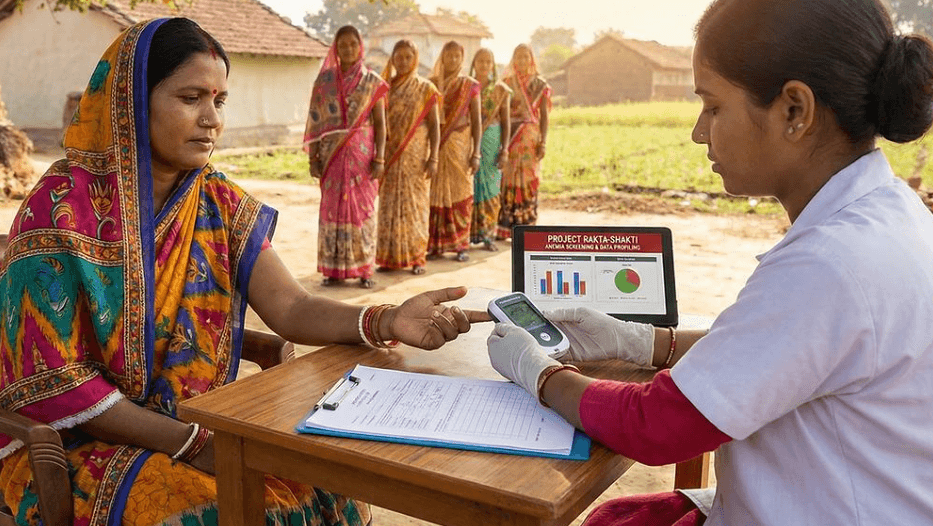
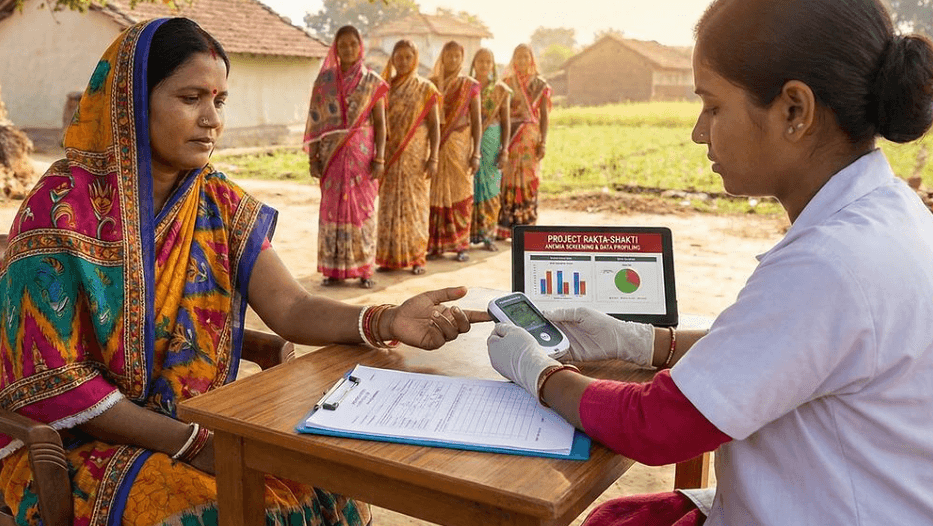
Anaemia remains a major health challenge in India, particularly among children, adolescent girls and women of reproductive age. Although iron deficiency is a common cause, it is important to identify the specific reason for low haemoglobin before deciding on treatment.
In a report published on 4 November, public-health specialists questioned whether expanding iron fortification alone would be sufficient to address India's anaemia burden. They highlighted the importance of screening for conditions such as sickle cell disease, thalassaemia, vitamin B12 deficiency and infections.
The discussion also raises questions about how anaemia is measured in national surveys and whether different testing methods can influence estimates of its prevalence. Accurate diagnosis is important because the appropriate treatment depends on the underlying cause.
The experts emphasised that a comprehensive public-health response should combine screening, laboratory testing, access to nutritious foods, targeted supplementation and treatment of underlying medical conditions.
Story Photo Gallery
Dr. Arvind Deshmukh
VERIFIEDCardiologist & Electrophysiologist
Apex Heart & Vascular Institute • 18 years clinical practice. Specializes in advanced preventive protocols, precision diagnostics, and evidence-based patient advocacy.
Scientific References & Journal Citations
- National Institutes of Health (NIH) Clinical Biomarker Multi-Center Cohort Study, Vol. 48, 2026.
- Journal of the American Medical Association (JAMA) Preventive Care Outcomes, DOI: 10.1001/jama.2026.0482.
- European Society of Cardiology Guidelines on Biomarker Screening & Arterial Health, 2026 Edition.
Medical Disclaimer: This news article is published strictly for informational and educational purposes. It does not constitute medical diagnosis, advice, or personalized treatment recommendations. Always seek the advice of your physician or other qualified health provider with any questions regarding a medical condition.