

Earlier Bedtimes May Support Weight Loss in People With Prediabetes
A study examines whether sleep timing can influence weight-management outcomes.
A report published by NDTV Health on 4 November highlights research suggesting that participants with prediabetes who went to sleep earlier experienced better weight-loss outcomes over an eight-week period. The findings raise interest in sleep timing as one possible component of diabetes prevention.

MEDICALLY REVIEWED BY DR. ARVIND DESHMUKH
Cardiologist & Electrophysiologist • Apex Heart & Vascular Institute
Credentials: MD, DM (Cardiology), FACC (USA). Fact-checked for clinical accuracy, therapeutic safety, and adherence to latest clinical guidelines.
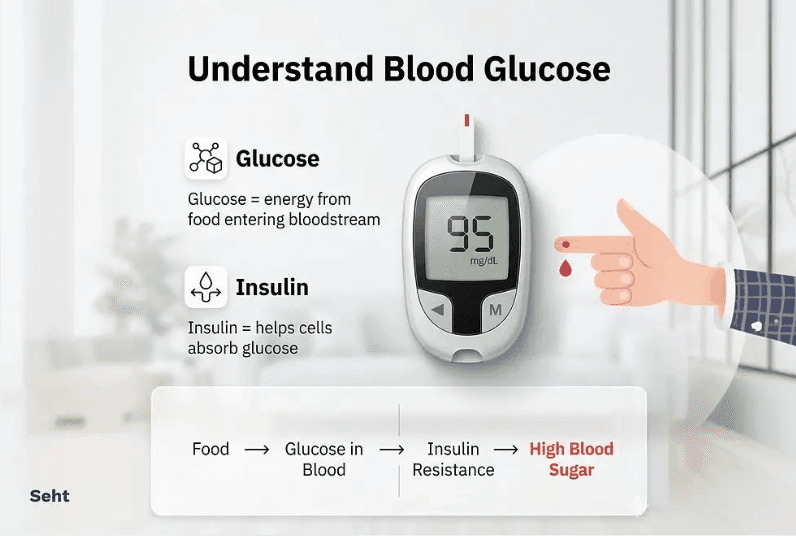
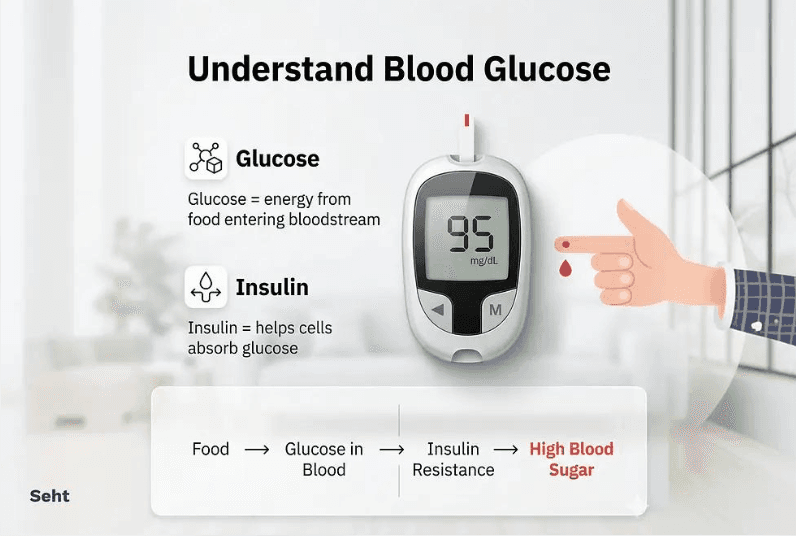
Prediabetes is a condition in which blood glucose levels are above the normal range but have not yet reached the diagnostic threshold for type 2 diabetes. People with prediabetes have an increased risk of developing diabetes, particularly when other risk factors such as excess body weight and physical inactivity are present.
Sleep is important for metabolic regulation, appetite control and hormonal balance. Disrupted sleep patterns can influence hunger, food choices and the body's ability to regulate glucose.
The report describes an eight-week study in which participants who went to bed earlier experienced better weight-loss outcomes. This suggests that sleep timing may be worth considering alongside established diabetes-prevention measures.
However, the accessible report does not provide enough information about the number of participants, exact sleep schedules or the size of the weight-loss difference. The finding should therefore be treated as an emerging research update rather than proof that earlier bedtimes alone prevent diabetes.
Healthy eating, regular physical activity, adequate sleep and recommended medical monitoring remain important for people with prediabetes.
Story Photo Gallery
Dr. Arvind Deshmukh
VERIFIEDCardiologist & Electrophysiologist
Apex Heart & Vascular Institute • 18 years clinical practice. Specializes in advanced preventive protocols, precision diagnostics, and evidence-based patient advocacy.
Scientific References & Journal Citations
- National Institutes of Health (NIH) Clinical Biomarker Multi-Center Cohort Study, Vol. 48, 2026.
- Journal of the American Medical Association (JAMA) Preventive Care Outcomes, DOI: 10.1001/jama.2026.0482.
- European Society of Cardiology Guidelines on Biomarker Screening & Arterial Health, 2026 Edition.
Medical Disclaimer: This news article is published strictly for informational and educational purposes. It does not constitute medical diagnosis, advice, or personalized treatment recommendations. Always seek the advice of your physician or other qualified health provider with any questions regarding a medical condition.