

Organic Environmental Pollutants May Be Associated With Higher Type 2 Diabetes Risk
A meta-analysis examines possible links between chemical pollutants and metabolic disease.
A medical research update reports that certain organic pollutants, including furans, dioxins and related chemical compounds, may be associated with an increased risk of type 2 diabetes. The finding highlights the potential role of environmental exposures in metabolic health.

MEDICALLY REVIEWED BY DR. ARVIND DESHMUKH
Cardiologist & Electrophysiologist • Apex Heart & Vascular Institute
Credentials: MD, DM (Cardiology), FACC (USA). Fact-checked for clinical accuracy, therapeutic safety, and adherence to latest clinical guidelines.
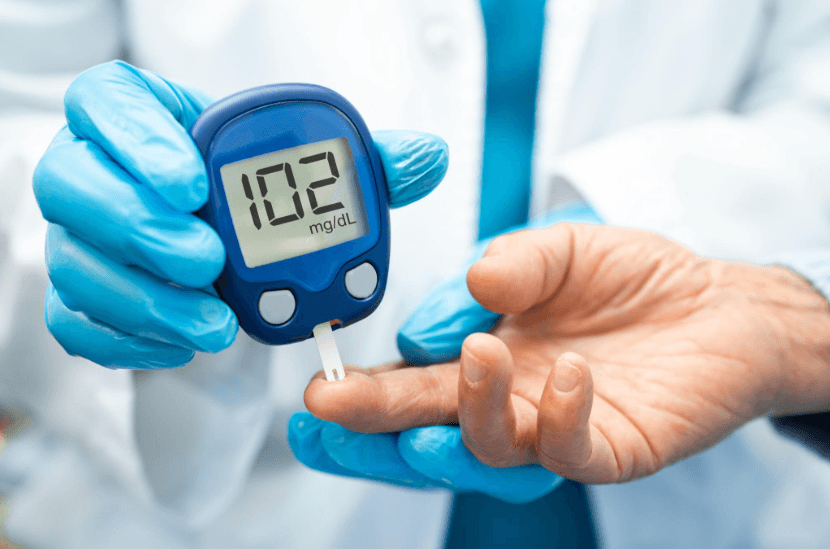
Type 2 diabetes develops when the body becomes less responsive to insulin or cannot produce enough insulin to maintain normal blood glucose levels. Genetics, body weight, diet, physical activity and other environmental factors can contribute to the development of the condition.
The reported meta-analysis examined associations between selected organic pollutants and type 2 diabetes. Compounds such as dioxins and furans can persist in the environment and may enter the human body through contaminated food, water or other exposure pathways.
Researchers are investigating whether long-term exposure to these chemicals may interfere with metabolic processes, insulin signalling or other biological pathways involved in glucose regulation.
The findings are important for environmental health research, but an association does not prove that exposure directly causes diabetes. The amount of exposure, individual health characteristics and differences between the studies included in the analysis must be considered.
Story Photo Gallery
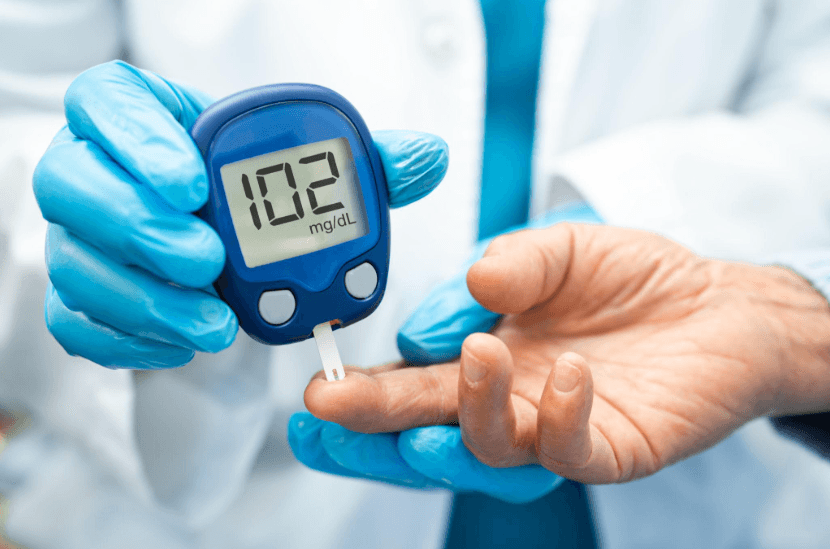
Dr. Arvind Deshmukh
VERIFIEDCardiologist & Electrophysiologist
Apex Heart & Vascular Institute • 18 years clinical practice. Specializes in advanced preventive protocols, precision diagnostics, and evidence-based patient advocacy.
Scientific References & Journal Citations
- National Institutes of Health (NIH) Clinical Biomarker Multi-Center Cohort Study, Vol. 48, 2026.
- Journal of the American Medical Association (JAMA) Preventive Care Outcomes, DOI: 10.1001/jama.2026.0482.
- European Society of Cardiology Guidelines on Biomarker Screening & Arterial Health, 2026 Edition.
Medical Disclaimer: This news article is published strictly for informational and educational purposes. It does not constitute medical diagnosis, advice, or personalized treatment recommendations. Always seek the advice of your physician or other qualified health provider with any questions regarding a medical condition.