

New Review Examines Benefits and Safety Risks of Popular GLP-1 Medicines
Researchers highlight the importance of evaluating individual patient risks as medicines used for diabetes and weight management become increasingly common.
A review of GLP-1 receptor agonists published in the medical news cycle on 26 October 2026 has drawn attention to the benefits and potential risks of this class of medicines. These treatments can support blood sugar control and weight management in appropriate patients, but concerns involving pancreatitis and other adverse effects underline the need for individual medical assessment and monitoring.

MEDICALLY REVIEWED BY DR. ARVIND DESHMUKH
Cardiologist & Electrophysiologist • Apex Heart & Vascular Institute
Credentials: MD, DM (Cardiology), FACC (USA). Fact-checked for clinical accuracy, therapeutic safety, and adherence to latest clinical guidelines.
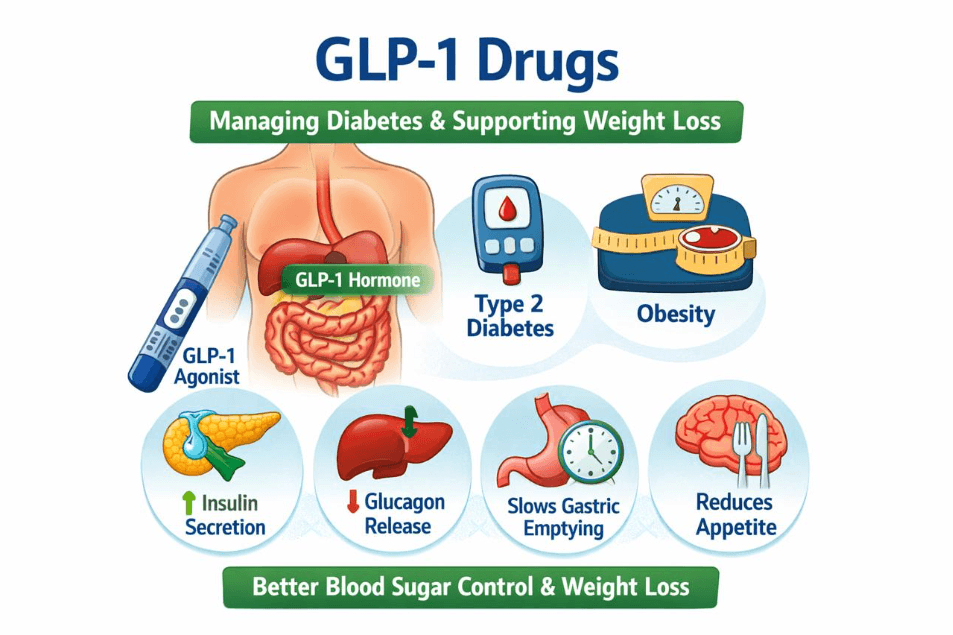
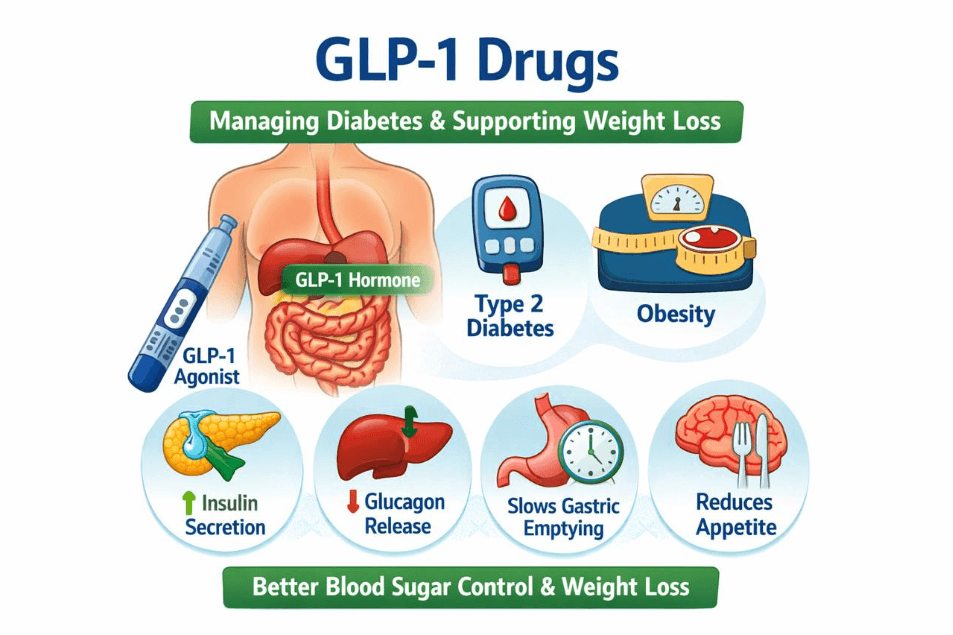
GLP-1 receptor agonists are medicines used in the management of type 2 diabetes and, for certain products and patients, obesity. Their growing use has made their benefits, limitations, and safety profiles important subjects of continuing medical research.
These medicines act on pathways involved in blood glucose regulation, appetite, and digestion. Depending on the specific medicine and the patient's circumstances, treatment can improve blood sugar control and help with weight reduction. Some medicines in this class have also demonstrated cardiovascular benefits in selected patient populations.
However, the medicines are not risk-free. Gastrointestinal side effects, including nausea, vomiting, diarrhoea, and constipation, can occur. More serious concerns, including pancreatitis, require appropriate clinical attention. The risks and precautions vary by medicine and patient.
A person's medical history is particularly important when deciding whether treatment is appropriate. Existing digestive conditions, other medications, diabetes complications, and personal risk factors may affect the decision.
Patients should also understand that these medicines do not permanently cure diabetes. Blood sugar levels can rise again if treatment is stopped or the underlying condition progresses. Long-term diabetes management may still require dietary changes, physical activity, regular testing, and other medications.
The latest review reinforces the need to distinguish between evidence from clinical trials and conclusions that can be applied to an individual patient. A potential adverse association does not necessarily prove that a medicine directly causes a condition in every patient.
Anyone using a GLP-1 medicine should follow the prescribing clinician's instructions and report severe or persistent abdominal pain, repeated vomiting, or other concerning symptoms promptly. Patients should not stop or change prescribed treatment without discussing it with their healthcare professional.
Story Photo Gallery
Dr. Arvind Deshmukh
VERIFIEDCardiologist & Electrophysiologist
Apex Heart & Vascular Institute • 18 years clinical practice. Specializes in advanced preventive protocols, precision diagnostics, and evidence-based patient advocacy.
Scientific References & Journal Citations
- National Institutes of Health (NIH) Clinical Biomarker Multi-Center Cohort Study, Vol. 48, 2026.
- Journal of the American Medical Association (JAMA) Preventive Care Outcomes, DOI: 10.1001/jama.2026.0482.
- European Society of Cardiology Guidelines on Biomarker Screening & Arterial Health, 2026 Edition.
Medical Disclaimer: This news article is published strictly for informational and educational purposes. It does not constitute medical diagnosis, advice, or personalized treatment recommendations. Always seek the advice of your physician or other qualified health provider with any questions regarding a medical condition.