

People With the Same BMI Can Have Different Risks of Diabetes, Heart Disease, and Fatty Liver
Health experts emphasize that body fat distribution and muscle mass provide important context beyond body mass index alone.
A health report published by The Indian Express on 14 October 2026 explains why two people with the same body mass index may have different risks of metabolic disease. Differences in abdominal fat, muscle mass, and body composition can influence insulin sensitivity and cardiovascular health. The report highlights the importance of evaluating overall metabolic health rather than relying exclusively on body weight or BMI.

MEDICALLY REVIEWED BY DR. ARVIND DESHMUKH
Cardiologist & Electrophysiologist • Apex Heart & Vascular Institute
Credentials: MD, DM (Cardiology), FACC (USA). Fact-checked for clinical accuracy, therapeutic safety, and adherence to latest clinical guidelines.
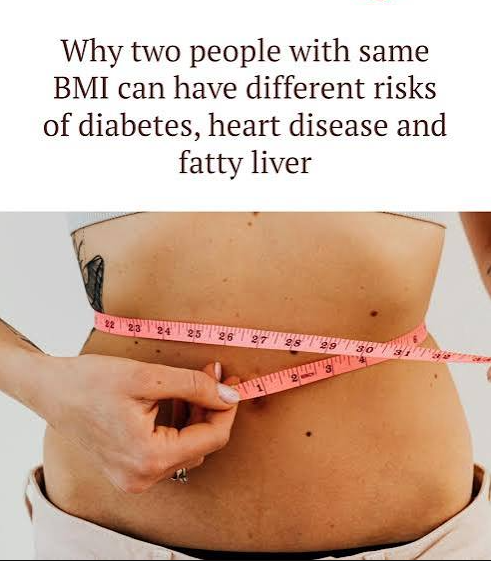
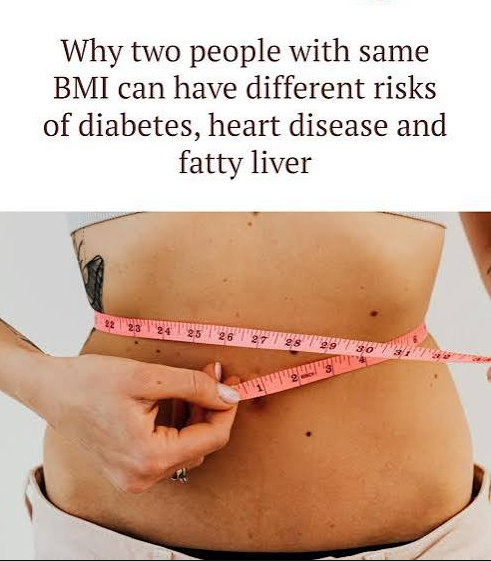
Body mass index is widely used to classify weight categories and estimate population-level health risks. However, BMI is a screening measurement rather than a direct assessment of body fat, muscle mass, or metabolic function. Two individuals with the same BMI can have substantially different body compositions. One may have a greater proportion of muscle, while the other may have more body fat, particularly around the abdomen. Abdominal fat is clinically important because excess visceral fat, which accumulates around internal organs, is associated with insulin resistance, inflammation, abnormal blood lipids, and elevated cardiovascular risk. Insulin resistance occurs when the body's cells respond less effectively to insulin. The pancreas may initially compensate by producing more insulin, but blood glucose can rise when the body's ability to compensate becomes inadequate. Over time, this can contribute to prediabetes and type 2 diabetes. Excess abdominal fat is also associated with metabolic dysfunction-associated steatotic liver disease, commonly referred to as fatty liver disease. In some individuals, liver fat accumulation can progress to liver inflammation, fibrosis, cirrhosis, and an increased risk of liver-related complications. Muscle mass also matters because skeletal muscle contributes to glucose uptake and overall metabolic function. Reduced muscle mass may affect physical capacity and can complicate the interpretation of weight-based measurements. For these reasons, clinicians may consider additional factors when assessing metabolic health, including waist circumference, blood pressure, blood glucose, HbA1c, cholesterol levels, liver tests when appropriate, physical activity, and family history. The importance of these measures varies according to an individual's age, health conditions, and clinical circumstances. No single body measurement can accurately predict every person's risk of diabetes, cardiovascular disease, or liver disease. Nutrition can support metabolic health through an overall balanced dietary pattern that emphasizes vegetables, fruit, whole grains, appropriate protein sources, and unsaturated fats while limiting excessive energy intake and heavily processed foods high in salt, sugar, or unhealthy fats. Medical significance: A normal or relatively low BMI does not automatically rule out metabolic disease. People with risk factors or concerning symptoms should seek appropriate medical assessment rather than relying solely on their weight.
Story Photo Gallery
Dr. Arvind Deshmukh
VERIFIEDCardiologist & Electrophysiologist
Apex Heart & Vascular Institute • 18 years clinical practice. Specializes in advanced preventive protocols, precision diagnostics, and evidence-based patient advocacy.
Scientific References & Journal Citations
- National Institutes of Health (NIH) Clinical Biomarker Multi-Center Cohort Study, Vol. 48, 2026.
- Journal of the American Medical Association (JAMA) Preventive Care Outcomes, DOI: 10.1001/jama.2026.0482.
- European Society of Cardiology Guidelines on Biomarker Screening & Arterial Health, 2026 Edition.
Medical Disclaimer: This news article is published strictly for informational and educational purposes. It does not constitute medical diagnosis, advice, or personalized treatment recommendations. Always seek the advice of your physician or other qualified health provider with any questions regarding a medical condition.