

High Ultra-Processed Food Intake Linked to Possible Signs of Silent Brain Injury
New research investigates whether dietary patterns are associated with brain changes that may increase future stroke risk.
Research reported on 16 October 2026 found that healthy adults who consumed higher amounts of ultra-processed foods showed a greater prevalence of imaging signs associated with silent strokes. These changes can occur without obvious neurological symptoms but may be relevant to long-term brain health. The findings suggest a possible association between dietary patterns and small-vessel brain injury, although they do not prove that ultra-processed foods directly cause strokes.

MEDICALLY REVIEWED BY DR. ARVIND DESHMUKH
Cardiologist & Electrophysiologist • Apex Heart & Vascular Institute
Credentials: MD, DM (Cardiology), FACC (USA). Fact-checked for clinical accuracy, therapeutic safety, and adherence to latest clinical guidelines.
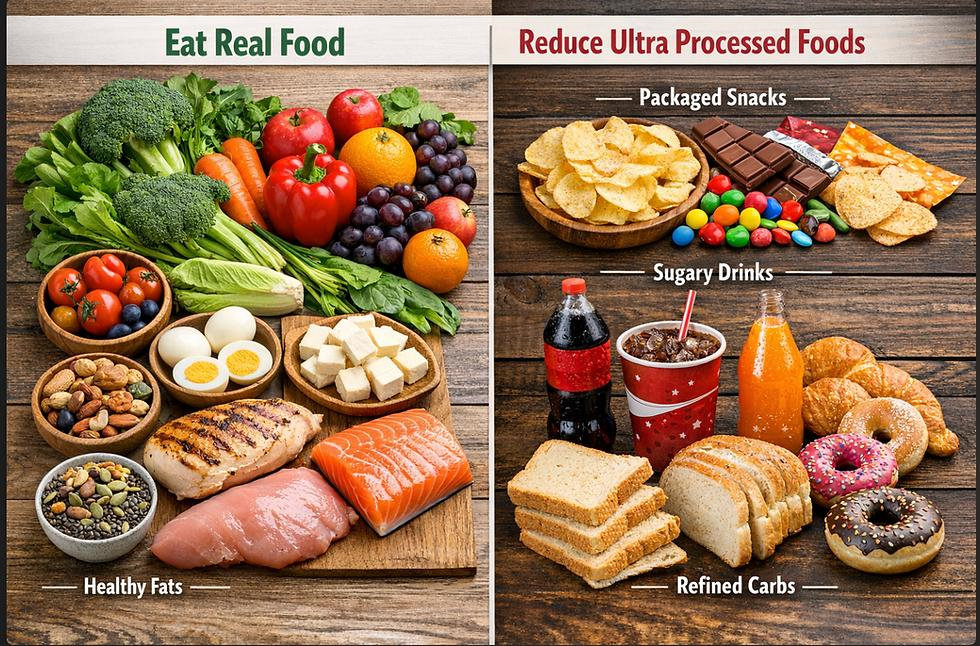
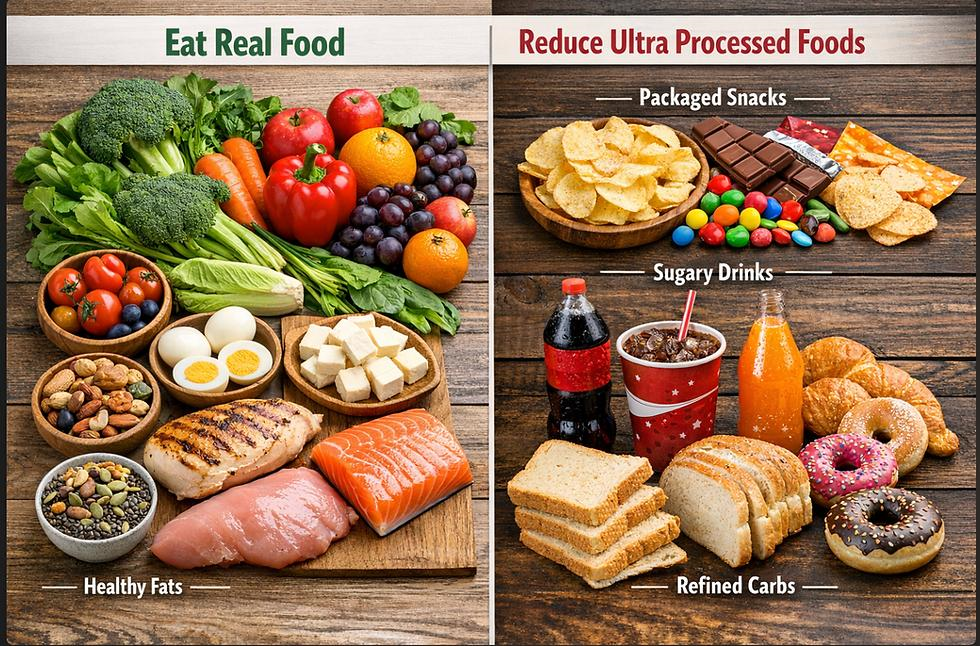
Ultra-processed foods include many packaged snacks, sugary drinks, processed ready-to-eat meals, and other products manufactured with ingredients and processing methods designed to improve convenience, shelf life, or palatability. Some of these foods contain high levels of sodium, added sugars, refined carbohydrates, or unhealthy fats. Diets high in such products can make it harder to maintain an appropriate energy intake and may contribute to obesity, high blood pressure, and type 2 diabetes. Silent brain infarcts are areas of brain tissue injury that occur without the obvious symptoms commonly associated with a major stroke. They may be detected through brain imaging and can be associated with cerebral small-vessel disease. Although a silent infarct may not cause an immediately noticeable disability, a greater burden of these lesions can be associated with an increased risk of future stroke, cognitive impairment, and problems with balance or mobility. Research reported on 16 October 2026 investigated the relationship between ultra-processed food intake and imaging signs of silent brain injury among adults without obvious neurological symptoms. The reported association raises questions about whether dietary patterns may contribute to long-term cerebrovascular risk. Potential pathways include elevated blood pressure, metabolic dysfunction, inflammation, and changes in vascular health. However, the observed association does not establish causation. People who consume more ultra-processed foods may also differ in physical activity, smoking, sleep, socioeconomic circumstances, and other health-related behaviours. Dietary changes cannot reverse every form of brain injury, and the presence of an imaging abnormality requires interpretation in the context of clinical findings. Medical significance: A balanced dietary pattern emphasizing vegetables, fruit, legumes, whole grains, and appropriate protein sources can support cardiovascular and metabolic health. The findings reinforce the importance of managing blood pressure, blood glucose, and cholesterol rather than treating diet as the sole determinant of stroke risk.
Story Photo Gallery
Dr. Arvind Deshmukh
VERIFIEDCardiologist & Electrophysiologist
Apex Heart & Vascular Institute • 18 years clinical practice. Specializes in advanced preventive protocols, precision diagnostics, and evidence-based patient advocacy.
Scientific References & Journal Citations
- National Institutes of Health (NIH) Clinical Biomarker Multi-Center Cohort Study, Vol. 48, 2026.
- Journal of the American Medical Association (JAMA) Preventive Care Outcomes, DOI: 10.1001/jama.2026.0482.
- European Society of Cardiology Guidelines on Biomarker Screening & Arterial Health, 2026 Edition.
Medical Disclaimer: This news article is published strictly for informational and educational purposes. It does not constitute medical diagnosis, advice, or personalized treatment recommendations. Always seek the advice of your physician or other qualified health provider with any questions regarding a medical condition.