

Experimental DNA-Based Immunotherapy Receives FDA RMAT Designation for Advanced Melanoma
Inzitagene plasmivec receives a regulatory development designation ahead of a planned global Phase III clinical trial.
The US FDA has granted Regenerative Medicine Advanced Therapy (RMAT) designation to inzitagene plasmivec, also known as iSCIB1+, an investigational DNA-based immunotherapy being developed for advanced melanoma. The designation allows closer regulatory engagement as the developer prepares for a planned Phase III trial. It is not an FDA marketing approval.

MEDICALLY REVIEWED BY DR. ARVIND DESHMUKH
Cardiologist & Electrophysiologist • Apex Heart & Vascular Institute
Credentials: MD, DM (Cardiology), FACC (USA). Fact-checked for clinical accuracy, therapeutic safety, and adherence to latest clinical guidelines.
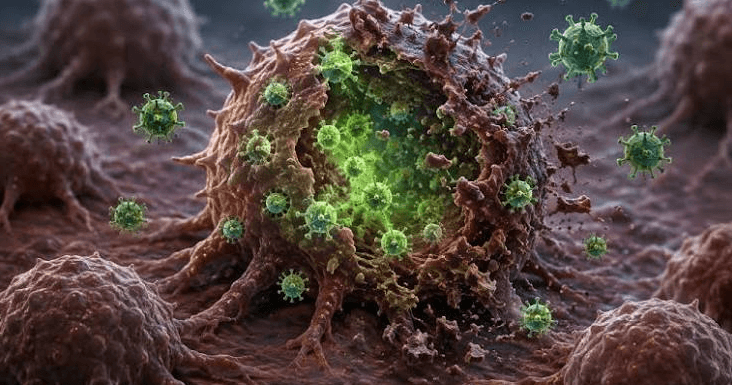
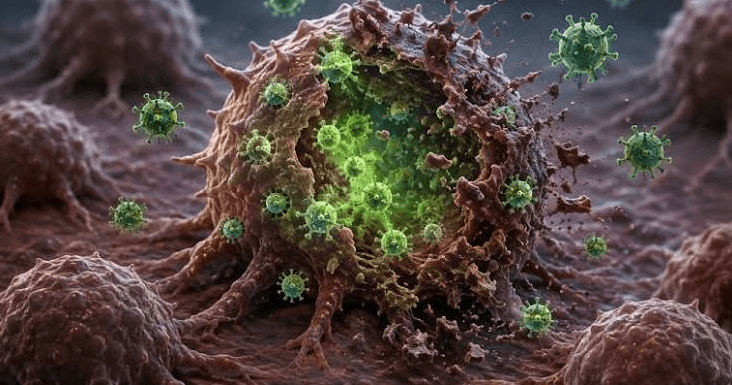
Melanoma is an aggressive form of skin cancer that develops from melanocytes, the cells responsible for producing skin pigment.
Although early-stage melanoma can often be treated successfully through surgery, advanced melanoma may spread to lymph nodes and distant organs, making treatment more complicated.
Immunotherapy has become an important treatment approach for advanced melanoma. These medicines help the immune system recognise and attack cancer cells.
Researchers are also investigating therapeutic cancer vaccines designed to stimulate targeted immune responses against proteins found in tumour cells.
Inzitagene plasmivec, also known as iSCIB1+, is an investigational DNA-based immunotherapy developed by Scancell Holdings. It is designed to stimulate immune responses against melanoma-associated antigens, including gp100 and TRP-2.
The treatment uses the company's ImmunoBody technology and is administered intramuscularly without a conventional needle.
The FDA granted the therapy Regenerative Medicine Advanced Therapy designation in November 2026. This designation is intended to facilitate communication between the developer and the regulator during clinical development.
It can provide opportunities for closer FDA interaction and rolling review of certain regulatory submissions, but it does not establish that the medicine is safe and effective or guarantee future approval.
The designation was supported by data from the Phase II SCOPE clinical trial, which is evaluating the treatment alongside immune checkpoint inhibitors in patients with advanced melanoma.
The developer reported encouraging survival and progression-free survival findings from the study. However, these results are not a direct comparison with standard treatment in a head-to-head trial.
A global Phase III trial is planned to begin in December 2026.
The development is an important step in the investigation of therapeutic cancer vaccines, but further clinical evidence will be needed to establish whether the treatment improves outcomes for patients.
Story Photo Gallery
Dr. Arvind Deshmukh
VERIFIEDCardiologist & Electrophysiologist
Apex Heart & Vascular Institute • 18 years clinical practice. Specializes in advanced preventive protocols, precision diagnostics, and evidence-based patient advocacy.
Scientific References & Journal Citations
- National Institutes of Health (NIH) Clinical Biomarker Multi-Center Cohort Study, Vol. 48, 2026.
- Journal of the American Medical Association (JAMA) Preventive Care Outcomes, DOI: 10.1001/jama.2026.0482.
- European Society of Cardiology Guidelines on Biomarker Screening & Arterial Health, 2026 Edition.
Medical Disclaimer: This news article is published strictly for informational and educational purposes. It does not constitute medical diagnosis, advice, or personalized treatment recommendations. Always seek the advice of your physician or other qualified health provider with any questions regarding a medical condition.