

New Drug Combination Shrinks Pancreatic Cancer Tumours in Clinical Trial, Researchers Report
Daraxonrasib combined with chemotherapy showed promising disease-control results in patients with advanced pancreatic cancer.
A Phase I/II clinical trial presented on 20 November and reported by ThePrint on 23 November 2026 found that a combination of daraxonrasib and chemotherapy controlled disease in 90.2% of 61 patients with metastatic pancreatic cancer. Tumours shrank or disappeared in 60.7% of participants, while five patients experienced complete responses on imaging. Researchers emphasise that larger trials and longer follow-up are necessary.

MEDICALLY REVIEWED BY DR. ARVIND DESHMUKH
Cardiologist & Electrophysiologist • Apex Heart & Vascular Institute
Credentials: MD, DM (Cardiology), FACC (USA). Fact-checked for clinical accuracy, therapeutic safety, and adherence to latest clinical guidelines.
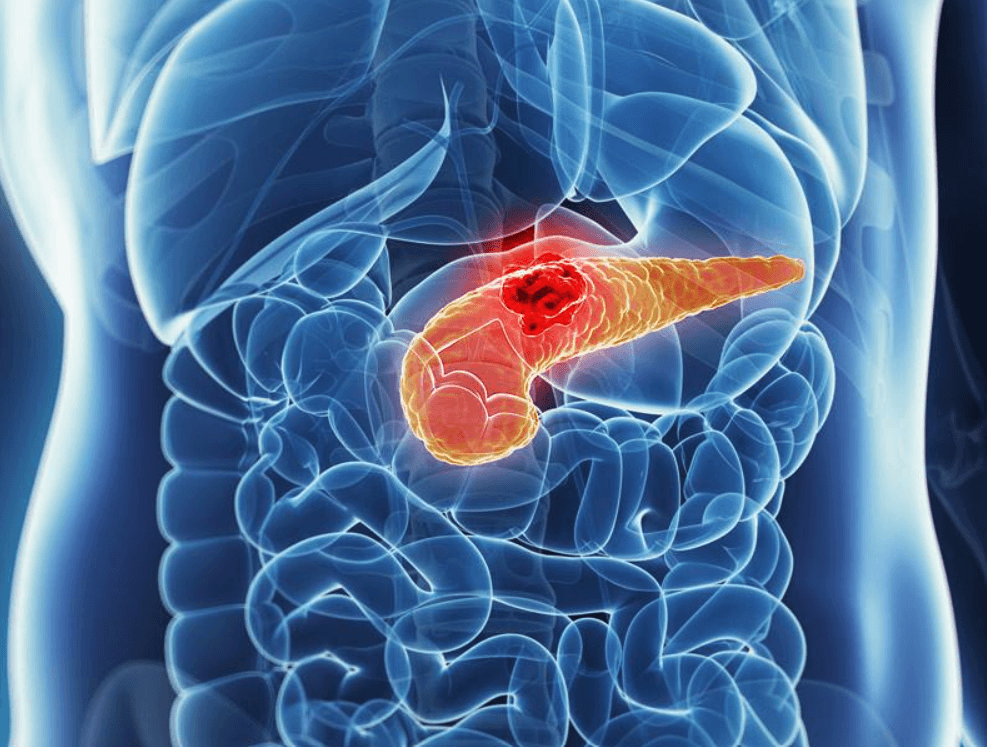
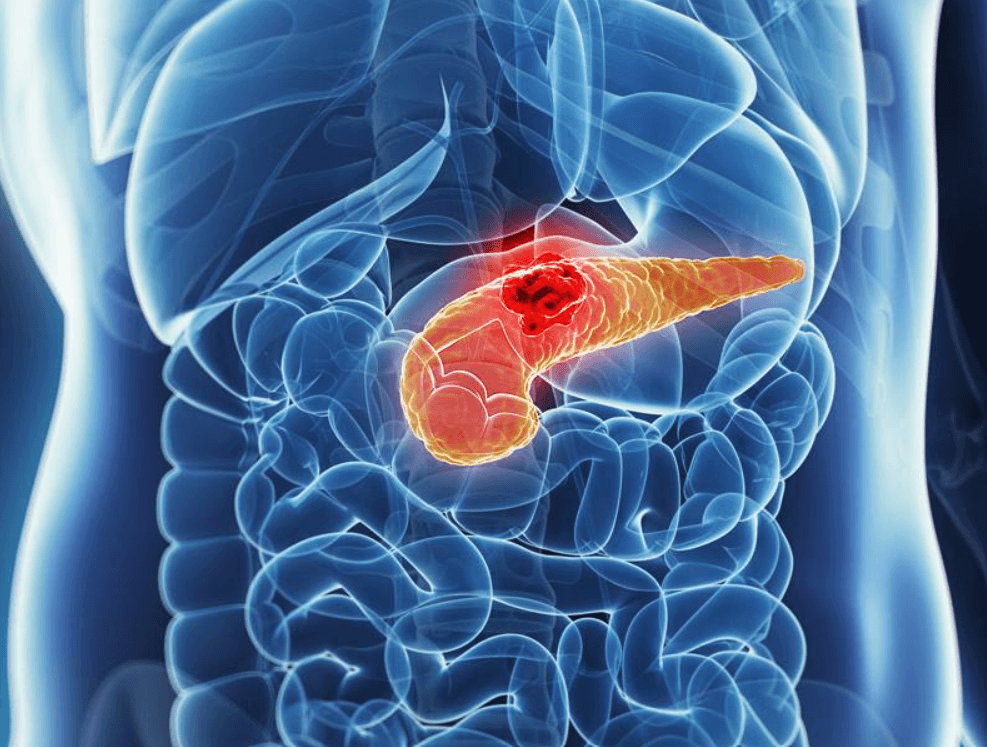
Pancreatic cancer is among the most challenging cancers to treat because it is frequently diagnosed after the disease has spread to other organs.
The pancreas is located behind the stomach and performs important functions in digestion and blood glucose regulation. Cancer develops when abnormal cells grow uncontrollably within pancreatic tissue.
A major challenge in treating advanced pancreatic cancer is the limited effectiveness of conventional treatments for some patients. Researchers are therefore investigating targeted medicines that can interfere with the molecular mechanisms responsible for cancer-cell growth.
A clinical trial reported by ThePrint on 23 November 2026 examined daraxonrasib in combination with two chemotherapy medicines: gemcitabine and nab-paclitaxel.
The Phase I/II trial involved 61 patients with metastatic pancreatic cancer who had not previously received treatment for metastatic disease. The results were presented at the 38th International Symposium on Molecular Targets and Cancer Therapeutics in Barcelona on 20 November.The findings showed that 90.2% of participants experienced disease control. This included patients whose tumours shrank, disappeared on imaging, or stopped growing.
Tumour shrinkage or disappearance was reported in 60.7% of participants. Five patients, representing 8.2%, experienced complete responses, with no detectable tumours on imaging scans.
Daraxonrasib targets RAS proteins, which play an important role in controlling cell growth, division, and survival. Abnormal RAS signalling is involved in several cancers, including pancreatic cancer.
The findings are encouraging, but they must be interpreted carefully. The study involved a relatively small number of patients and does not establish that the combination is a cure.
Further research is required to determine how long responses last, whether survival improves, and which patients benefit most.
The development represents an important area of cancer research and highlights the growing role of targeted therapies in treating difficult cancers.
Story Photo Gallery
Dr. Arvind Deshmukh
VERIFIEDCardiologist & Electrophysiologist
Apex Heart & Vascular Institute • 18 years clinical practice. Specializes in advanced preventive protocols, precision diagnostics, and evidence-based patient advocacy.
Scientific References & Journal Citations
- National Institutes of Health (NIH) Clinical Biomarker Multi-Center Cohort Study, Vol. 48, 2026.
- Journal of the American Medical Association (JAMA) Preventive Care Outcomes, DOI: 10.1001/jama.2026.0482.
- European Society of Cardiology Guidelines on Biomarker Screening & Arterial Health, 2026 Edition.
Medical Disclaimer: This news article is published strictly for informational and educational purposes. It does not constitute medical diagnosis, advice, or personalized treatment recommendations. Always seek the advice of your physician or other qualified health provider with any questions regarding a medical condition.