

Scientists Identify a Metabolic Pathway Linked to Lung Cancer Spread to Lymph Nodes
New laboratory research examines how mitochondrial activity may influence cancer-cell movement and invasion.
Researchers from Fudan University Shanghai Cancer Center and collaborators identified a role for the mitochondrial protein MOCCI in a metabolic pathway associated with lung cancer lymph-node metastasis. Experiments in cell lines and mouse models suggested that changing MOCCI expression affected cancer-cell migration and invasion.

MEDICALLY REVIEWED BY DR. ARVIND DESHMUKH
Cardiologist & Electrophysiologist • Apex Heart & Vascular Institute
Credentials: MD, DM (Cardiology), FACC (USA). Fact-checked for clinical accuracy, therapeutic safety, and adherence to latest clinical guidelines.
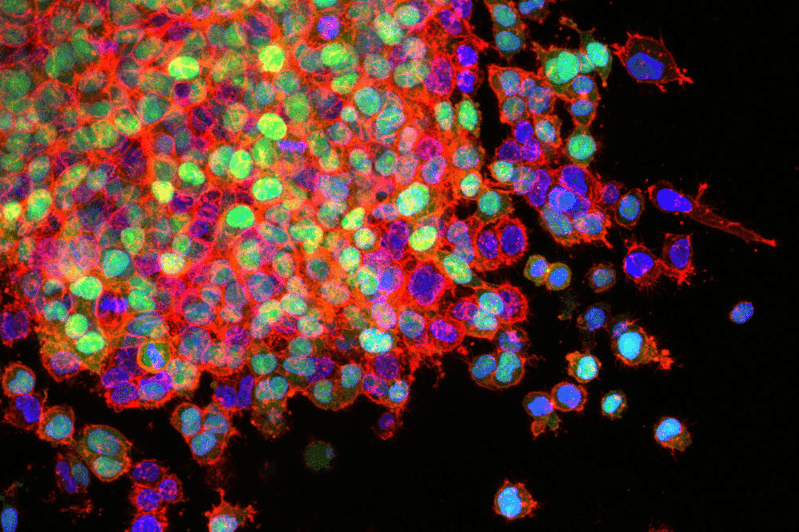
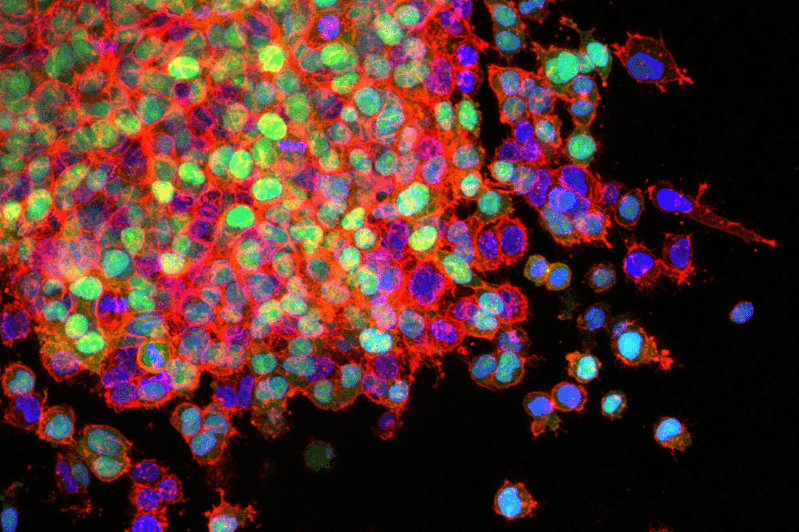
Lung cancer can spread beyond the lungs through the lymphatic system and bloodstream. Lymph-node involvement is an important factor in determining cancer stage, treatment planning and prognosis.
Researchers are investigating how cancer cells alter their metabolism to survive, move through surrounding tissue and establish secondary tumours.
The newly reported study examined MOCCI, a protein associated with mitochondrial complex IV. Mitochondria are cellular structures responsible for producing much of the energy required by cells.
The researchers found that MOCCI was associated with changes in oxidative phosphorylation, a process involved in cellular energy production. In laboratory experiments, reducing MOCCI expression decreased cancer-cell migration and invasion by more than 50%, while increasing its expression enhanced several processes associated with tumour spread.
The work provides insight into how mitochondrial metabolism may contribute to lung cancer progression. It could help identify possible molecular targets for future treatment research.
However, the findings come from laboratory and animal experiments. They do not establish an effective treatment for people with lung cancer, and further research is required before clinical applications can be considered.
Story Photo Gallery
Dr. Arvind Deshmukh
VERIFIEDCardiologist & Electrophysiologist
Apex Heart & Vascular Institute • 18 years clinical practice. Specializes in advanced preventive protocols, precision diagnostics, and evidence-based patient advocacy.
Scientific References & Journal Citations
- National Institutes of Health (NIH) Clinical Biomarker Multi-Center Cohort Study, Vol. 48, 2026.
- Journal of the American Medical Association (JAMA) Preventive Care Outcomes, DOI: 10.1001/jama.2026.0482.
- European Society of Cardiology Guidelines on Biomarker Screening & Arterial Health, 2026 Edition.
Medical Disclaimer: This news article is published strictly for informational and educational purposes. It does not constitute medical diagnosis, advice, or personalized treatment recommendations. Always seek the advice of your physician or other qualified health provider with any questions regarding a medical condition.