

Circulating Tumour DNA Testing Gains Attention for Monitoring Colorectal Cancer After Surgery
ew oncology review examines how blood-based molecular testing could help identify residual cancer and guide follow-up.
A review published in the Journal of Clinical Oncology discusses circulating tumour DNA-guided surveillance after curative surgery for stage I–III colorectal cancer. It examines the potential of molecular blood testing to identify residual disease and support decisions about subsequent monitoring and treatment.

MEDICALLY REVIEWED BY DR. ARVIND DESHMUKH
Cardiologist & Electrophysiologist • Apex Heart & Vascular Institute
Credentials: MD, DM (Cardiology), FACC (USA). Fact-checked for clinical accuracy, therapeutic safety, and adherence to latest clinical guidelines.
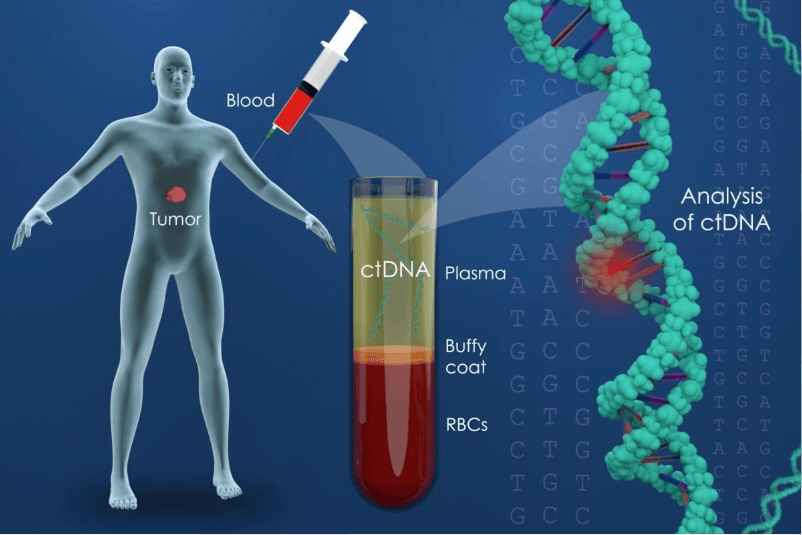
Colorectal cancer develops in the colon or rectum and remains an important cause of cancer-related illness worldwide. Surgery can remove the visible tumour in many patients, but some may still have microscopic cancer cells remaining in the body.
Conventional follow-up commonly involves clinical examinations, blood tests, imaging and colonoscopy. However, these methods may not always identify molecular evidence of residual disease at an early stage.
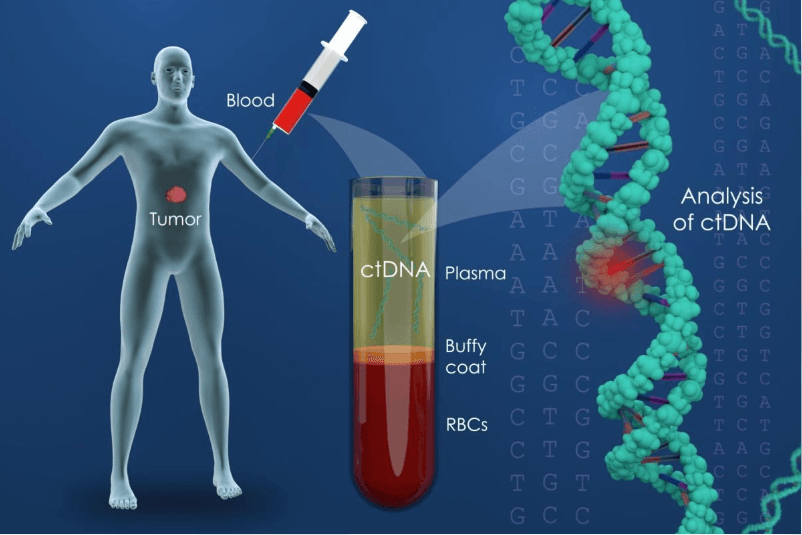
Circulating tumour DNA, or ctDNA, refers to small fragments of genetic material released into the bloodstream by cancer cells. Specialised laboratory tests can detect tumour-related genetic changes in blood samples.
The newly published review examines how ctDNA-guided surveillance could help clinicians identify patients who may have residual disease after surgery. It also considers how molecular results might support personalised follow-up strategies and decisions about additional treatment.
The approach is promising, but a positive ctDNA result does not automatically establish where cancer is located or prove that a particular treatment will improve survival. Testing methods, timing and clinical interpretation remain important.
The research highlights the growing role of precision oncology in monitoring patients after colorectal cancer surgery.
Story Photo Gallery
Dr. Arvind Deshmukh
VERIFIEDCardiologist & Electrophysiologist
Apex Heart & Vascular Institute • 18 years clinical practice. Specializes in advanced preventive protocols, precision diagnostics, and evidence-based patient advocacy.
Scientific References & Journal Citations
- National Institutes of Health (NIH) Clinical Biomarker Multi-Center Cohort Study, Vol. 48, 2026.
- Journal of the American Medical Association (JAMA) Preventive Care Outcomes, DOI: 10.1001/jama.2026.0482.
- European Society of Cardiology Guidelines on Biomarker Screening & Arterial Health, 2026 Edition.
Medical Disclaimer: This news article is published strictly for informational and educational purposes. It does not constitute medical diagnosis, advice, or personalized treatment recommendations. Always seek the advice of your physician or other qualified health provider with any questions regarding a medical condition.