

AI-Designed Viruses Show Potential for Fighting Drug-Resistant Bacteria
Stanford researchers test computer-designed bacteriophages that target E. coli in laboratory experiments.
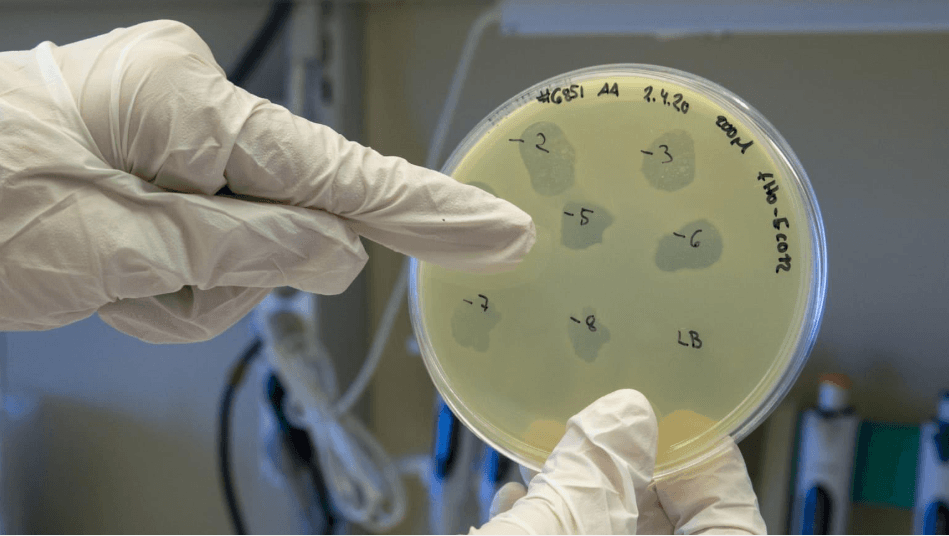
Stanford researchers reportedly tested nearly 300 AI-designed bacteriophages and identified 16 functional viruses capable of attacking E. coli in laboratory experiments. The findings could contribute to future phage-based treatments for infections that do not respond to conventional antibiotics.

MEDICALLY REVIEWED BY DR. ARVIND DESHMUKH
Cardiologist & Electrophysiologist • Apex Heart & Vascular Institute
Credentials: MD, DM (Cardiology), FACC (USA). Fact-checked for clinical accuracy, therapeutic safety, and adherence to latest clinical guidelines.
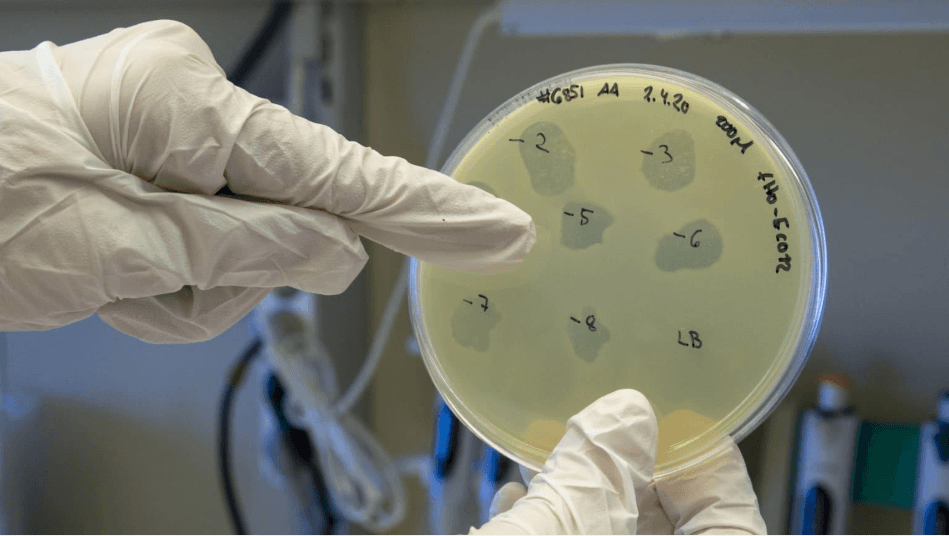
Antimicrobial resistance is a growing global health concern. Some bacterial infections are becoming increasingly difficult to treat because bacteria develop resistance to commonly used antibiotics.
One alternative being investigated is bacteriophage therapy. Bacteriophages are viruses that infect specific bacteria and can destroy them. Unlike conventional antibiotics, certain bacteriophages can target particular bacterial species.
The reported Stanford research explored whether artificial intelligence could help design bacteriophages with the ability to attack E. coli. Researchers tested nearly 300 AI-designed candidates and identified 16 functional viruses that demonstrated activity in laboratory experiments.
The research is relevant to the wider development of precision antimicrobial treatments. In the future, carefully selected bacteriophages could potentially help treat bacterial infections that are resistant to existing medicines.
However, laboratory activity does not establish that these viruses are safe or effective in humans. Further research is required to assess their behaviour in living organisms, possible immune reactions, manufacturing quality and clinical effectiveness.
The research is an early-stage development in antimicrobial science, not an approved cancer treatment or a routine therapy for patients.
Story Photo Gallery
Dr. Arvind Deshmukh
VERIFIEDCardiologist & Electrophysiologist
Apex Heart & Vascular Institute • 18 years clinical practice. Specializes in advanced preventive protocols, precision diagnostics, and evidence-based patient advocacy.
Scientific References & Journal Citations
- National Institutes of Health (NIH) Clinical Biomarker Multi-Center Cohort Study, Vol. 48, 2026.
- Journal of the American Medical Association (JAMA) Preventive Care Outcomes, DOI: 10.1001/jama.2026.0482.
- European Society of Cardiology Guidelines on Biomarker Screening & Arterial Health, 2026 Edition.
Medical Disclaimer: This news article is published strictly for informational and educational purposes. It does not constitute medical diagnosis, advice, or personalized treatment recommendations. Always seek the advice of your physician or other qualified health provider with any questions regarding a medical condition.