

New Blood Test Detects Early Molecular Warning Signs of Ovarian Cancer
Researchers report promising results for identifying a microscopic precursor of aggressive ovarian cancer.
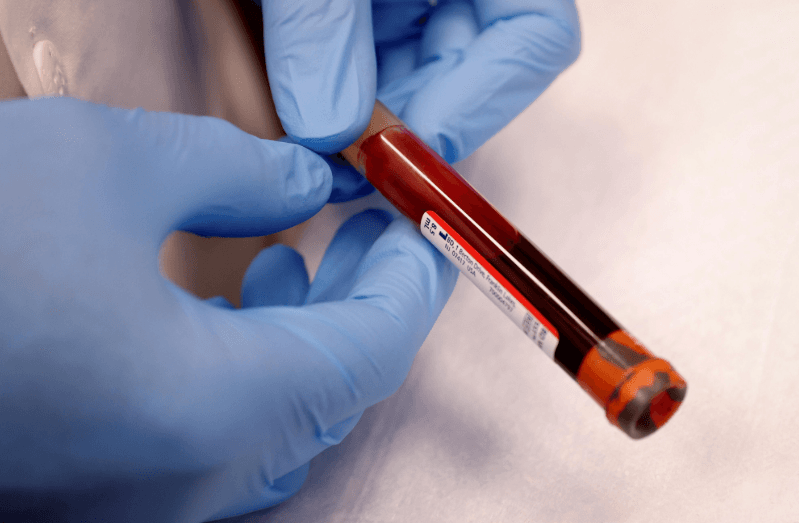
Researchers reported a blood test measuring the RNA molecule Tu-Stroma that detected serous tubal intraepithelial carcinoma (STIC), a microscopic precursor associated with high-grade serous ovarian cancer. In the reported study, the test detected 92.3% of women with STIC and correctly identified 98.2% of healthy women.

MEDICALLY REVIEWED BY DR. ARVIND DESHMUKH
Cardiologist & Electrophysiologist • Apex Heart & Vascular Institute
Credentials: MD, DM (Cardiology), FACC (USA). Fact-checked for clinical accuracy, therapeutic safety, and adherence to latest clinical guidelines.
Ovarian cancer is often diagnosed at an advanced stage because early symptoms can be vague or easily mistaken for common digestive or urinary problems. Some aggressive ovarian cancers are believed to originate in the fallopian tubes before developing into invasive disease.
Serous tubal intraepithelial carcinoma, commonly called STIC, is a microscopic abnormality in the fallopian-tube lining that can act as a precursor to high-grade serous ovarian cancer.
The newly reported research investigated a blood-based approach that measures an RNA molecule called Tu-Stroma. Researchers examined whether this molecular signal could identify women with STIC before invasive cancer becomes apparent.
The reported test detected 92.3% of women with STIC and correctly identified 98.2% of healthy women in the study. The findings may be particularly relevant to women with inherited risk factors who face difficult decisions about preventive surgery.
However, the test is not yet established as a routine ovarian-cancer screening method. Larger studies will be required to validate its performance, assess false-positive results and determine whether its use improves patient outcomes.
The research represents a promising direction in early cancer detection, but it should not be interpreted as a clinically available replacement for established risk assessment and specialist care.
Story Photo Gallery
Dr. Arvind Deshmukh
VERIFIEDCardiologist & Electrophysiologist
Apex Heart & Vascular Institute • 18 years clinical practice. Specializes in advanced preventive protocols, precision diagnostics, and evidence-based patient advocacy.
Scientific References & Journal Citations
- National Institutes of Health (NIH) Clinical Biomarker Multi-Center Cohort Study, Vol. 48, 2026.
- Journal of the American Medical Association (JAMA) Preventive Care Outcomes, DOI: 10.1001/jama.2026.0482.
- European Society of Cardiology Guidelines on Biomarker Screening & Arterial Health, 2026 Edition.
Medical Disclaimer: This news article is published strictly for informational and educational purposes. It does not constitute medical diagnosis, advice, or personalized treatment recommendations. Always seek the advice of your physician or other qualified health provider with any questions regarding a medical condition.