

World Pneumonia Day 2026 Highlights the Need for Better Prevention and Early Treatment
Health professionals call for stronger vaccination coverage, faster diagnosis and responsible antibiotic use.
World Pneumonia Day on 12 November draws attention to pneumonia prevention, early diagnosis and access to effective treatment. Recent guidance from doctors in Hyderabad highlights the importance of vaccination and timely medical care, particularly for children, older adults and people with chronic illnesses.

MEDICALLY REVIEWED BY DR. ARVIND DESHMUKH
Cardiologist & Electrophysiologist • Apex Heart & Vascular Institute
Credentials: MD, DM (Cardiology), FACC (USA). Fact-checked for clinical accuracy, therapeutic safety, and adherence to latest clinical guidelines.
Pneumonia is an infection that causes inflammation in the lungs. It can be caused by bacteria, viruses or fungi and may lead to fluid accumulation in the air sacs, making breathing difficult.
The condition can affect people of all ages, but young children, adults over 65 and people with chronic conditions such as diabetes, heart disease or weakened immunity are at greater risk of serious complications.
World Pneumonia Day is observed annually on 12 November to raise awareness about prevention, diagnosis and treatment. This year's health coverage highlights the importance of recognising symptoms early and improving access to appropriate medical services.
Common symptoms include persistent fever, cough, chest pain, breathlessness, rapid breathing and severe tiredness. Older adults may also experience confusion, unusual sleepiness or sudden weakness.
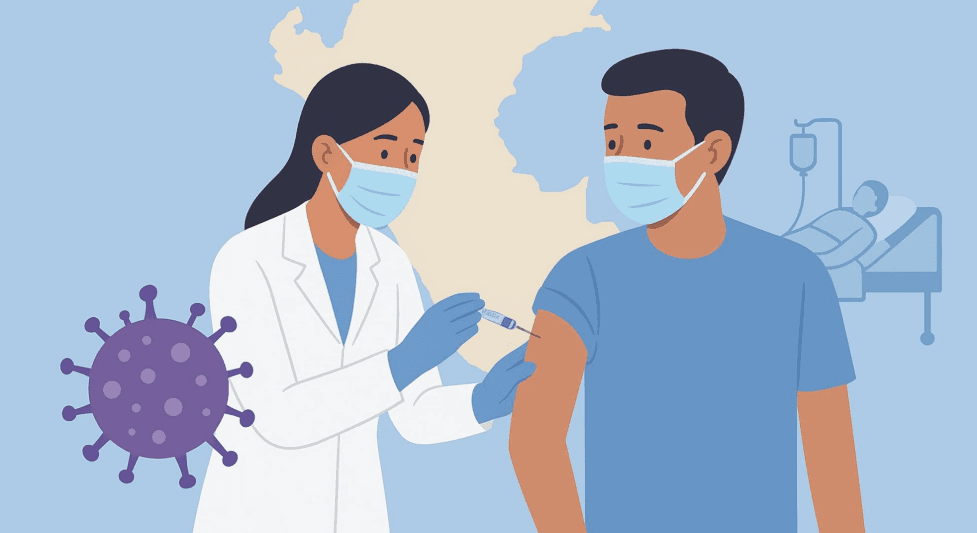
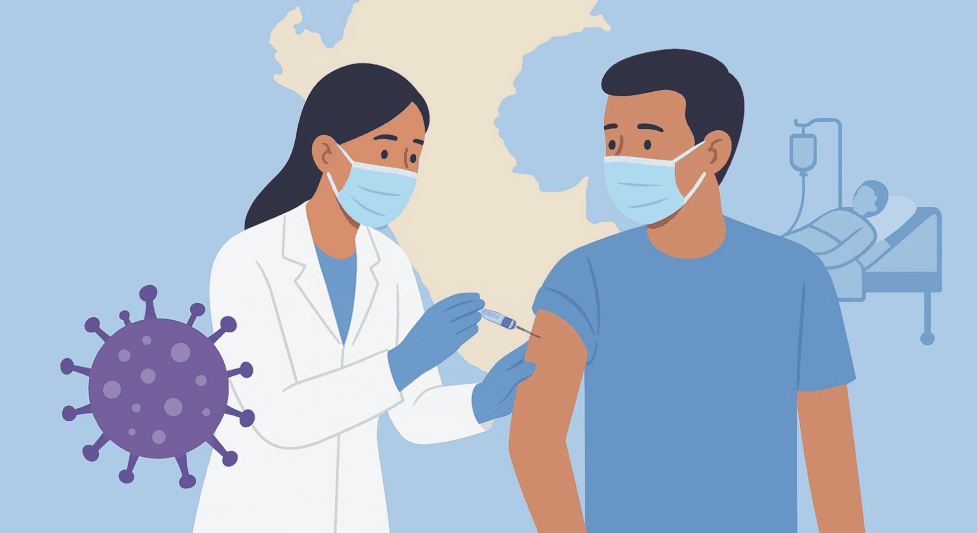
Doctors have emphasised that vaccination can reduce the risk of severe illness from certain pneumonia-causing infections. Appropriate pneumococcal vaccination and influenza vaccination are important considerations for eligible people, particularly older adults and those with underlying health conditions.
Early assessment may involve oxygen-level measurement, blood tests, respiratory cultures and imaging when required. Antibiotics are appropriate for bacterial pneumonia but do not treat viral infections. Unnecessary antibiotic use can contribute to antimicrobial resistance.
The public-health message is clear: early recognition, appropriate vaccination, timely treatment and responsible antibiotic use can help reduce preventable pneumonia complications.
Story Photo Gallery
Dr. Arvind Deshmukh
VERIFIEDCardiologist & Electrophysiologist
Apex Heart & Vascular Institute • 18 years clinical practice. Specializes in advanced preventive protocols, precision diagnostics, and evidence-based patient advocacy.
Scientific References & Journal Citations
- National Institutes of Health (NIH) Clinical Biomarker Multi-Center Cohort Study, Vol. 48, 2026.
- Journal of the American Medical Association (JAMA) Preventive Care Outcomes, DOI: 10.1001/jama.2026.0482.
- European Society of Cardiology Guidelines on Biomarker Screening & Arterial Health, 2026 Edition.
Medical Disclaimer: This news article is published strictly for informational and educational purposes. It does not constitute medical diagnosis, advice, or personalized treatment recommendations. Always seek the advice of your physician or other qualified health provider with any questions regarding a medical condition.