

Brain Scans Reveal Changes After a 45-Day Yoga Programme, Study Reports
Researchers observe changes in selected brain networks alongside improvements in mood and self-reported sleep.
A randomised controlled trial involving 139 healthy adults found that 45 days of structured yoga improved mood and self-reported sleep quality. Brain scans from a smaller group also showed changes in functional connectivity across networks involved in attention, movement and cognitive processing.

MEDICALLY REVIEWED BY DR. ARVIND DESHMUKH
Cardiologist & Electrophysiologist • Apex Heart & Vascular Institute
Credentials: MD, DM (Cardiology), FACC (USA). Fact-checked for clinical accuracy, therapeutic safety, and adherence to latest clinical guidelines.
Mental wellbeing is influenced by several factors, including stress, sleep, physical activity and social environment. Researchers continue to investigate whether structured mind-body practices can support emotional health and cognitive functioning.
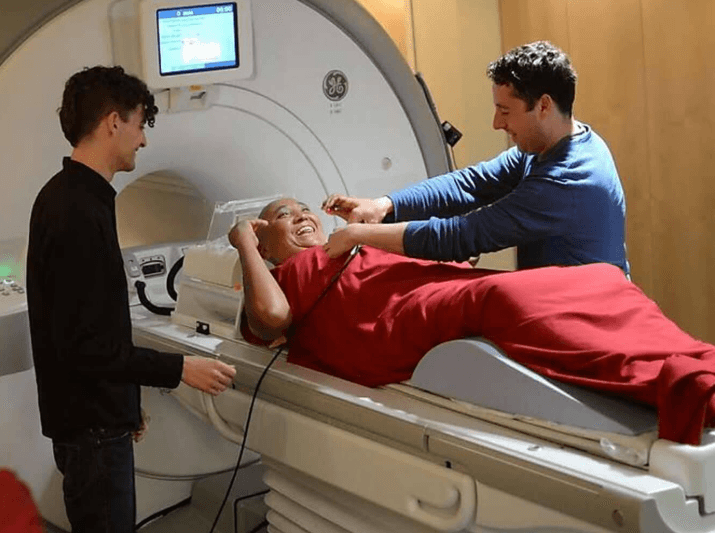
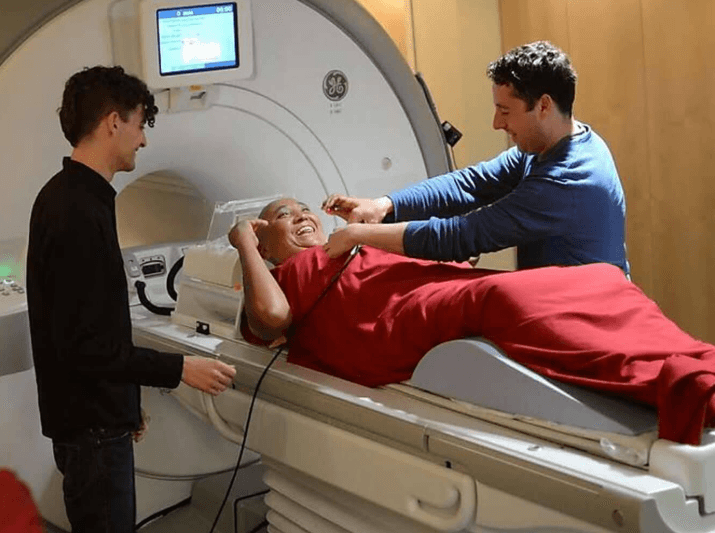
The reported trial involved 139 healthy adults who participated in a 45-day standardised yoga programme or a comparison condition. Researchers assessed mood, sleep quality and selected memory measures. Brain imaging was also conducted in a subgroup of 43 participants.
The yoga group showed improvements in mood and self-reported sleep quality, along with changes in selected short-term memory measures. Brain scans identified differences in functional connectivity across networks involved in movement, attention, language and cognitive processing.
Functional connectivity refers to patterns of coordinated activity between different brain regions. Changes in these patterns may help researchers understand how behavioural interventions influence brain function.
However, the long-term significance of the observed brain changes remains uncertain. The study does not establish yoga as a treatment for psychiatric disorders, and its results in healthy adults should not be generalised to people with severe mental-health conditions without further research.
Story Photo Gallery
Dr. Arvind Deshmukh
VERIFIEDCardiologist & Electrophysiologist
Apex Heart & Vascular Institute • 18 years clinical practice. Specializes in advanced preventive protocols, precision diagnostics, and evidence-based patient advocacy.
Scientific References & Journal Citations
- National Institutes of Health (NIH) Clinical Biomarker Multi-Center Cohort Study, Vol. 48, 2026.
- Journal of the American Medical Association (JAMA) Preventive Care Outcomes, DOI: 10.1001/jama.2026.0482.
- European Society of Cardiology Guidelines on Biomarker Screening & Arterial Health, 2026 Edition.
Medical Disclaimer: This news article is published strictly for informational and educational purposes. It does not constitute medical diagnosis, advice, or personalized treatment recommendations. Always seek the advice of your physician or other qualified health provider with any questions regarding a medical condition.