

Delirium During Hospitalisation Associated With Higher Long-Term Risk of Cognitive Decline
New research highlights the importance of recognising and preventing acute confusion in hospitalised patients.
A JAMA report published on 20 November highlighted a cohort study involving approximately 3,500 adults. Hospital delirium was associated with nearly four times the risk of mild cognitive impairment and five times the risk of dementia during follow-up.

MEDICALLY REVIEWED BY DR. ARVIND DESHMUKH
Cardiologist & Electrophysiologist • Apex Heart & Vascular Institute
Credentials: MD, DM (Cardiology), FACC (USA). Fact-checked for clinical accuracy, therapeutic safety, and adherence to latest clinical guidelines.
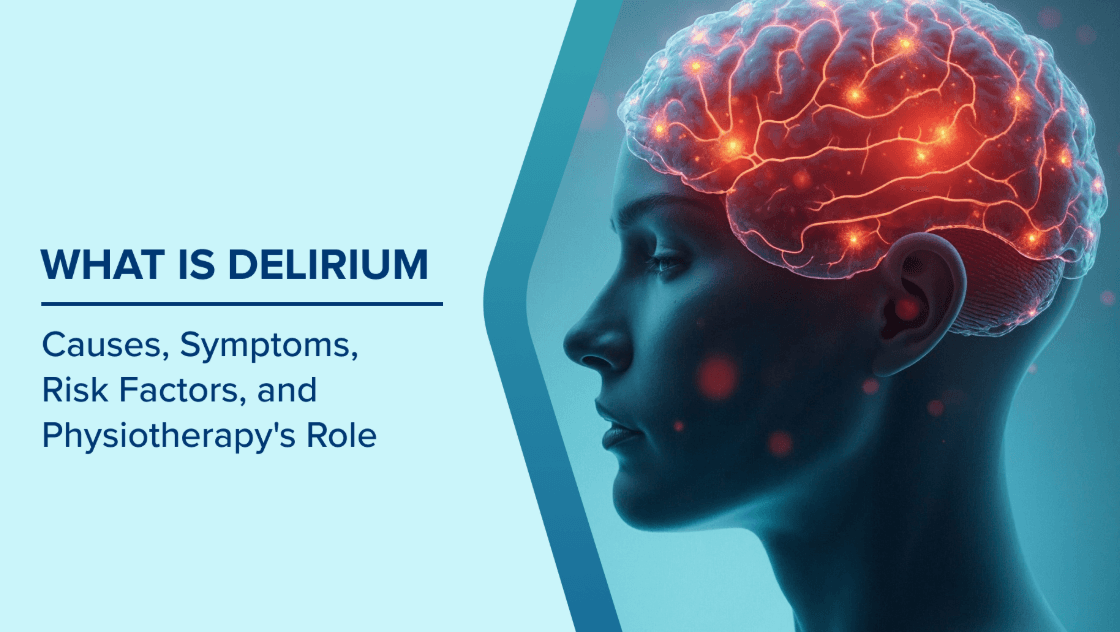
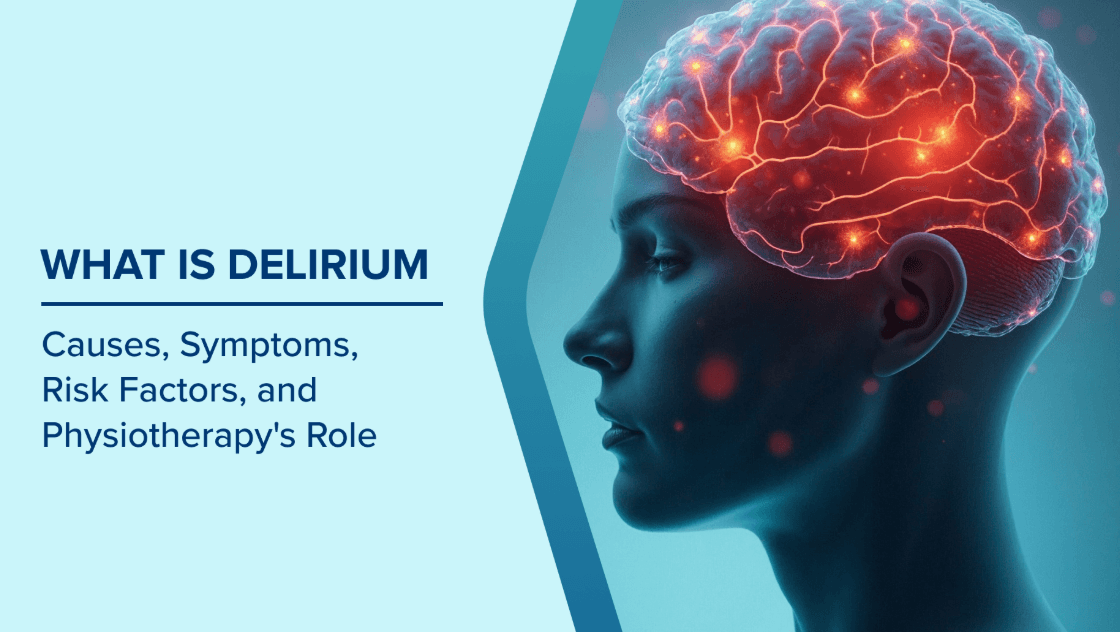
Delirium is an acute disturbance in attention, awareness and thinking that can develop over a short period, particularly during hospitalisation.
Patients experiencing delirium may become confused, disoriented or unusually drowsy. Some may also experience agitation, changes in behaviour or difficulty recognising familiar people and surroundings.
Delirium is common among older adults and people who are seriously ill. It may be triggered by infections, surgery, medication effects, dehydration, metabolic disturbances or other acute medical problems.
Although delirium is often treated as a temporary complication, researchers are increasingly investigating whether it may also indicate a greater risk of long-term cognitive problems.
A cohort study discussed in a JAMA report published on 20 November analysed approximately 3,500 adults who had experienced at least one hospitalisation and had no dementia diagnosis before enrolment.
During a median follow-up period of approximately seven years, 75 participants experienced delirium within 30 days of hospitalisation.
Among those who experienced delirium, 64% later developed mild cognitive impairment and 24% developed dementia.
The corresponding proportions among participants without delirium were approximately 30% and 6%.
After adjusting for factors such as age, sex, education and genetic characteristics, researchers found that delirium was associated with nearly four times the risk of cognitive impairment and five times the risk of dementia.
These findings suggest that delirium may be an important clinical warning sign for future cognitive difficulties.
The study does not prove that delirium directly causes dementia. However, it supports the importance of early recognition, treatment of underlying causes and follow-up assessment after hospital discharge.
Preventive measures may include reviewing medications, maintaining hydration, supporting sleep, encouraging safe mobility and helping patients remain oriented to their surroundings.
Story Photo Gallery
Dr. Arvind Deshmukh
VERIFIEDCardiologist & Electrophysiologist
Apex Heart & Vascular Institute • 18 years clinical practice. Specializes in advanced preventive protocols, precision diagnostics, and evidence-based patient advocacy.
Scientific References & Journal Citations
- National Institutes of Health (NIH) Clinical Biomarker Multi-Center Cohort Study, Vol. 48, 2026.
- Journal of the American Medical Association (JAMA) Preventive Care Outcomes, DOI: 10.1001/jama.2026.0482.
- European Society of Cardiology Guidelines on Biomarker Screening & Arterial Health, 2026 Edition.
Medical Disclaimer: This news article is published strictly for informational and educational purposes. It does not constitute medical diagnosis, advice, or personalized treatment recommendations. Always seek the advice of your physician or other qualified health provider with any questions regarding a medical condition.