

Drug-Coated Balloons Could Offer an Alternative to Permanent Heart Stents
New research explores whether patients with narrowed coronary arteries can be treated without leaving a permanent metal implant.
Research reported on 15 October 2026 highlighted drug-coated balloon technology as a potential alternative to permanent coronary stents for selected patients. The balloons deliver medication directly to the inner lining of a narrowed artery, helping reduce the risk of the artery narrowing again after treatment. The approach may reduce the need for a permanent implant in suitable cases, although its effectiveness depends on the type of coronary lesion, the patient's condition, and the available clinical evidence.

MEDICALLY REVIEWED BY DR. ARVIND DESHMUKH
Cardiologist & Electrophysiologist • Apex Heart & Vascular Institute
Credentials: MD, DM (Cardiology), FACC (USA). Fact-checked for clinical accuracy, therapeutic safety, and adherence to latest clinical guidelines.
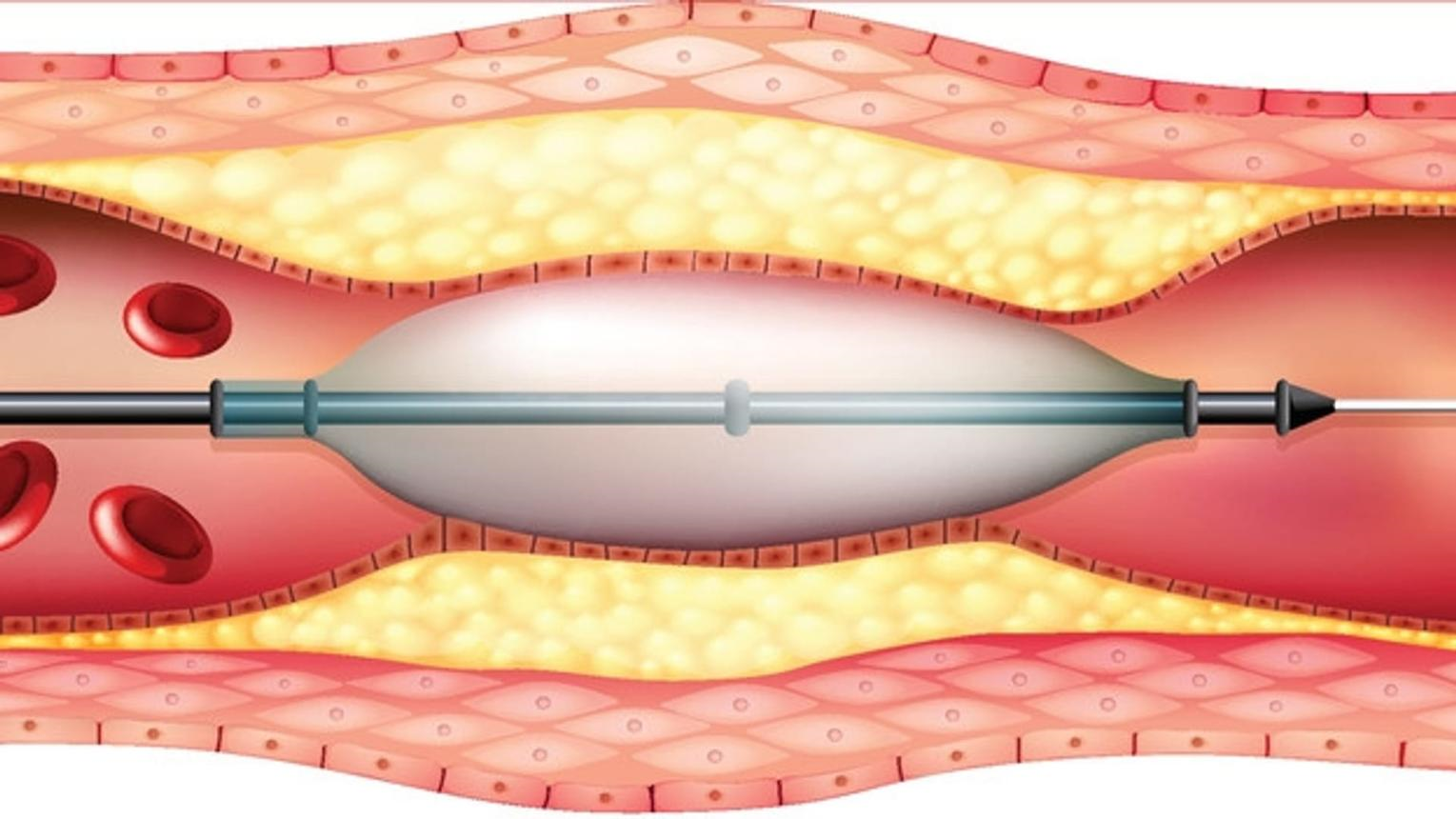
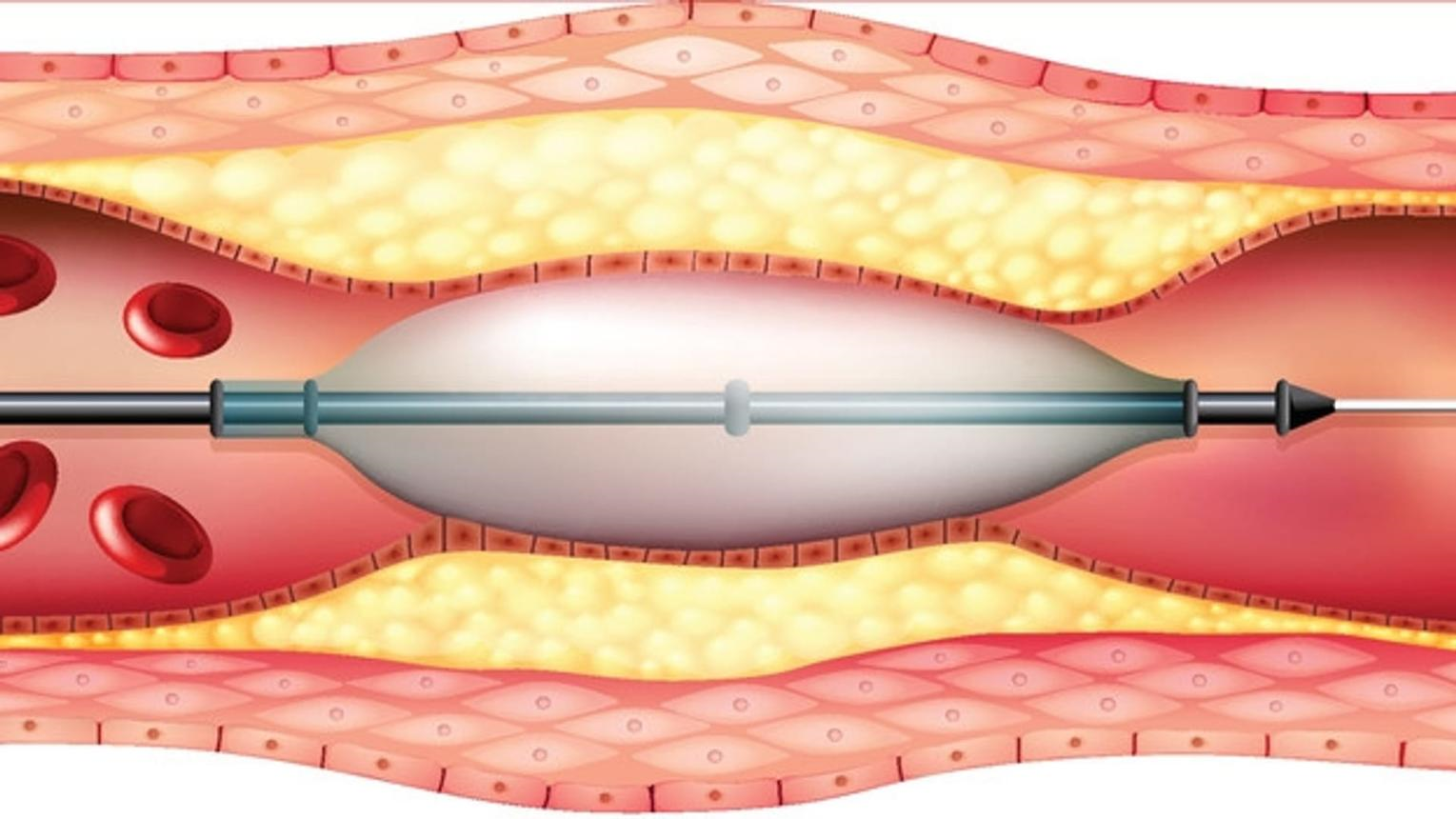
Coronary artery disease develops when fatty deposits accumulate within the arteries supplying blood to the heart. This process, known as atherosclerosis, can progressively narrow the arteries and restrict the delivery of oxygen-rich blood to the heart muscle. Some patients develop chest discomfort, shortness of breath, or reduced exercise tolerance. If a coronary artery becomes severely narrowed or blocked, it can cause a heart attack, which requires urgent medical treatment. Percutaneous coronary intervention is a procedure used to restore blood flow through a narrowed coronary artery. A balloon catheter is passed into the affected area and inflated to widen the artery. In many procedures, a stent is then placed to help keep the artery open. Drug-coated balloons offer another approach. They deliver an antiproliferative medication to the vessel wall during balloon inflation. The medication is intended to reduce excessive tissue growth that could otherwise cause restenosis, or recurrent narrowing of the artery. Unlike a conventional permanent stent, a drug-coated balloon does not leave a metal scaffold inside the treated segment. This may be advantageous in selected clinical situations, including certain cases of in-stent restenosis and some smaller-vessel lesions. However, drug-coated balloons are not suitable for every patient. The choice of treatment depends on lesion anatomy, the extent of coronary disease, the likelihood of recoil or dissection, and whether a stent is needed to maintain adequate blood flow. The recent report highlights the growing role of individualized coronary intervention rather than suggesting that permanent stents are no longer necessary. Medical significance: The development could expand treatment options for selected patients with coronary artery disease. It does not establish that balloon-only treatment is safer or more effective in every situation. Patients experiencing persistent chest pain, sudden breathlessness, or symptoms suggestive of a heart attack need prompt medical assessment.
Story Photo Gallery
Dr. Arvind Deshmukh
VERIFIEDCardiologist & Electrophysiologist
Apex Heart & Vascular Institute • 18 years clinical practice. Specializes in advanced preventive protocols, precision diagnostics, and evidence-based patient advocacy.
Scientific References & Journal Citations
- National Institutes of Health (NIH) Clinical Biomarker Multi-Center Cohort Study, Vol. 48, 2026.
- Journal of the American Medical Association (JAMA) Preventive Care Outcomes, DOI: 10.1001/jama.2026.0482.
- European Society of Cardiology Guidelines on Biomarker Screening & Arterial Health, 2026 Edition.
Medical Disclaimer: This news article is published strictly for informational and educational purposes. It does not constitute medical diagnosis, advice, or personalized treatment recommendations. Always seek the advice of your physician or other qualified health provider with any questions regarding a medical condition.