

Experts Highlight the Importance of Mental Well-Being in Premenstrual Syndrome Management
Mindfulness and self-compassion are receiving attention as supportive approaches for women experiencing recurring premenstrual symptoms.
A health report updated on 26 October 2026 examines whether mindfulness and self-compassion may help ease symptoms associated with premenstrual syndrome (PMS) and premenstrual dysphoric disorder (PMDD). These approaches may help some women manage stress and emotional distress, but persistent or severe symptoms still require appropriate medical assessment.

MEDICALLY REVIEWED BY DR. ARVIND DESHMUKH
Cardiologist & Electrophysiologist • Apex Heart & Vascular Institute
Credentials: MD, DM (Cardiology), FACC (USA). Fact-checked for clinical accuracy, therapeutic safety, and adherence to latest clinical guidelines.
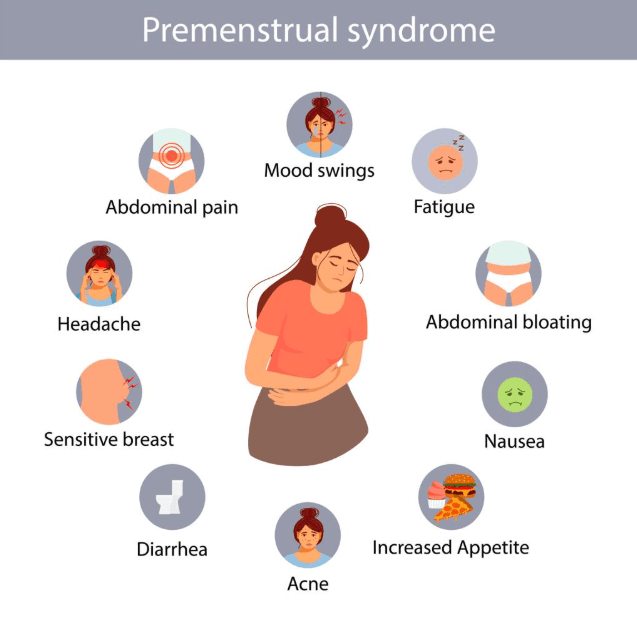
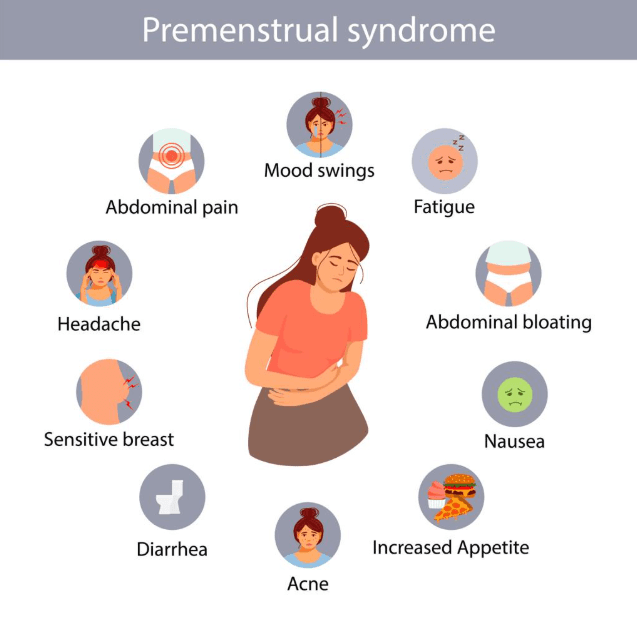
Premenstrual syndrome affects some women in the days leading up to menstruation. Symptoms can include abdominal bloating, breast tenderness, headaches, fatigue, irritability, anxiety, and changes in mood.
For some women, the symptoms are relatively mild. Others experience difficulties that interfere with work, education, relationships, sleep, and everyday activities.
Premenstrual dysphoric disorder is a more severe condition associated with significant emotional and physical symptoms. It can cause substantial distress and may require specific medical treatment.
A health report highlighted on 26 October 2026 discusses the potential role of mindfulness and self-compassion in managing premenstrual symptoms. Mindfulness involves paying attention to present experiences without immediately reacting to every thought or feeling. Self-compassion involves responding to personal difficulties with understanding rather than excessive self-criticism.
These practices may help some individuals manage stress, recognise emotional changes, and develop healthier coping strategies. However, they should not be presented as guaranteed treatments or substitutes for established medical care.
Women experiencing recurring symptoms may benefit from tracking their menstrual cycles, recording symptoms, and noting how those symptoms affect daily activities. This information can help healthcare professionals distinguish PMS from other conditions and identify appropriate treatment options.
Treatment may involve lifestyle adjustments, psychological support, medication, or other approaches depending on the severity of symptoms and the individual's health history.
Severe depression, overwhelming emotional distress, or thoughts of self-harm require prompt professional support rather than relying on self-help techniques alone.
The main takeaway is that menstrual symptoms deserve appropriate attention. Women should not have to accept disabling pain or emotional distress as an unavoidable part of their monthly cycle.
Story Photo Gallery
Dr. Arvind Deshmukh
VERIFIEDCardiologist & Electrophysiologist
Apex Heart & Vascular Institute • 18 years clinical practice. Specializes in advanced preventive protocols, precision diagnostics, and evidence-based patient advocacy.
Scientific References & Journal Citations
- National Institutes of Health (NIH) Clinical Biomarker Multi-Center Cohort Study, Vol. 48, 2026.
- Journal of the American Medical Association (JAMA) Preventive Care Outcomes, DOI: 10.1001/jama.2026.0482.
- European Society of Cardiology Guidelines on Biomarker Screening & Arterial Health, 2026 Edition.
Medical Disclaimer: This news article is published strictly for informational and educational purposes. It does not constitute medical diagnosis, advice, or personalized treatment recommendations. Always seek the advice of your physician or other qualified health provider with any questions regarding a medical condition.