

Global Burden of Anorexia and Bulimia Continues to Rise, JAMA Report Highlights
Medical experts emphasise the importance of early recognition and comprehensive treatment for serious eating disorders.
JAMA published a medical news report on 20 November 2026 highlighting the continuing global burden of anorexia nervosa and bulimia nervosa. These eating disorders can cause serious physical and psychological complications, including malnutrition, cardiovascular problems, depression, and social difficulties. The report highlights the importance of early identification and access to professional mental-health treatment.

MEDICALLY REVIEWED BY DR. ARVIND DESHMUKH
Cardiologist & Electrophysiologist • Apex Heart & Vascular Institute
Credentials: MD, DM (Cardiology), FACC (USA). Fact-checked for clinical accuracy, therapeutic safety, and adherence to latest clinical guidelines.
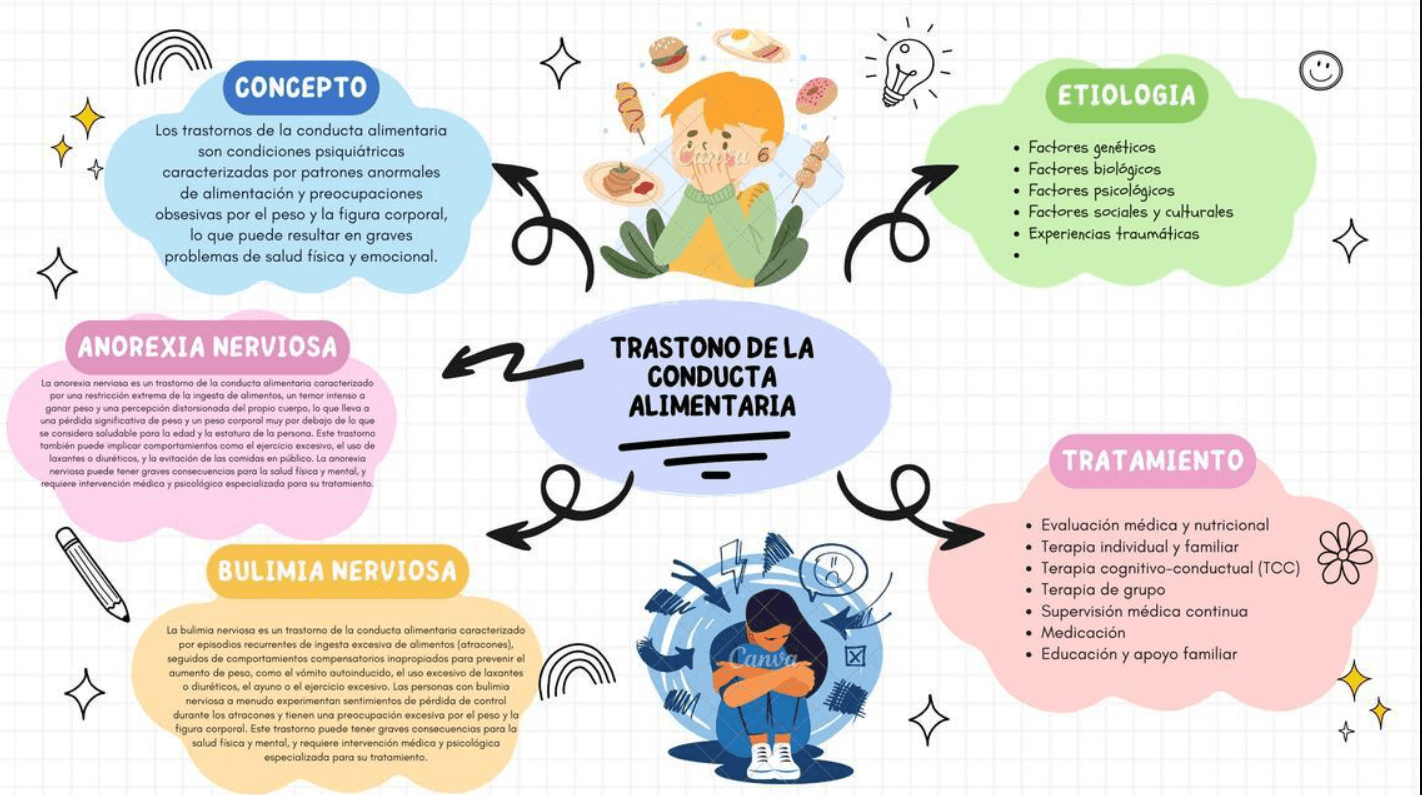
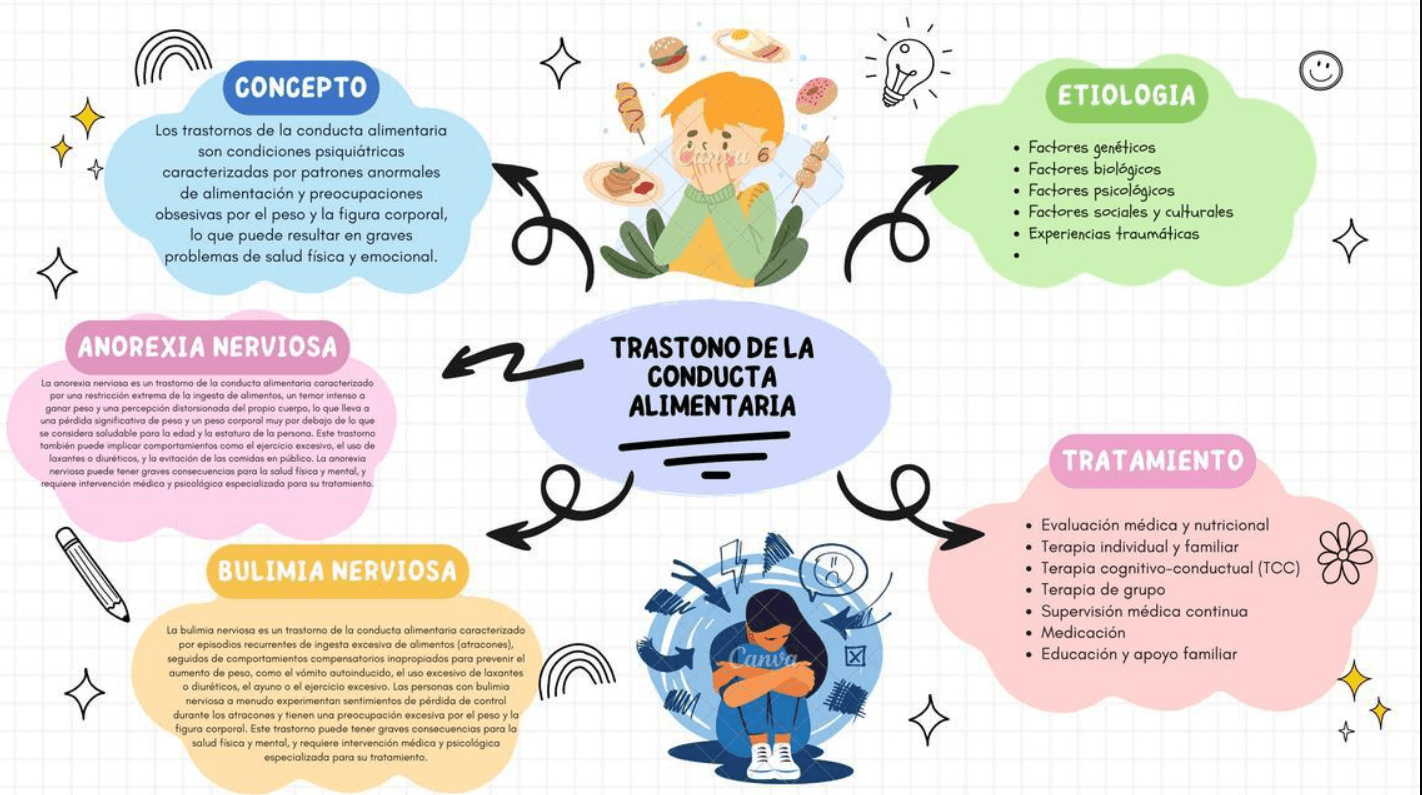
Eating disorders are serious mental-health conditions involving disturbed eating behaviours, unhealthy relationships with food, and difficulties associated with body image.
Anorexia nervosa and bulimia nervosa are two important eating disorders that can have long-term effects on physical and psychological well-being.
Anorexia nervosa involves severe restriction of food intake, intense fear of gaining weight, and disturbances in the perception of body weight or shape.
Bulimia nervosa involves repeated episodes of binge eating followed by compensatory behaviours, such as self-induced vomiting, excessive exercise, or misuse of laxatives.
A JAMA medical news report published on 20 November 2026 highlighted the continuing global burden of these conditions.Eating disorders can affect individuals across different age groups and backgrounds. They are not simply lifestyle choices or temporary concerns about physical appearance.
People with anorexia may experience severe weight loss, nutritional deficiencies, muscle weakness, hormonal disturbances, and weakened bones.
Bulimia can result in dehydration, electrolyte disturbances, digestive problems, and damage to the teeth and oesophagus. Serious electrolyte abnormalities can also affect normal heart rhythm.
Psychological effects may include depression, anxiety, social withdrawal, low self-esteem, and difficulty concentrating.
Early diagnosis is important because symptoms may initially remain hidden. Some affected individuals may maintain an apparently normal body weight despite experiencing significant medical complications.
Treatment generally involves a multidisciplinary team that may include psychiatrists, psychologists, physicians, and registered dietitians.
Depending on the severity of the condition, treatment can involve psychotherapy, nutritional rehabilitation, medical monitoring, and hospital-based care.
Family support can also be valuable, particularly when adolescents experience eating-related difficulties.
The report reinforces the importance of recognising eating disorders as medical conditions requiring appropriate care rather than judging individuals based on appearance.
Story Photo Gallery
Dr. Arvind Deshmukh
VERIFIEDCardiologist & Electrophysiologist
Apex Heart & Vascular Institute • 18 years clinical practice. Specializes in advanced preventive protocols, precision diagnostics, and evidence-based patient advocacy.
Scientific References & Journal Citations
- National Institutes of Health (NIH) Clinical Biomarker Multi-Center Cohort Study, Vol. 48, 2026.
- Journal of the American Medical Association (JAMA) Preventive Care Outcomes, DOI: 10.1001/jama.2026.0482.
- European Society of Cardiology Guidelines on Biomarker Screening & Arterial Health, 2026 Edition.
Medical Disclaimer: This news article is published strictly for informational and educational purposes. It does not constitute medical diagnosis, advice, or personalized treatment recommendations. Always seek the advice of your physician or other qualified health provider with any questions regarding a medical condition.