

India's SAMPADA Nutrition Survey Identifies Iron Deficiency as a Major Contributor to Anaemia
Large-scale national research highlights the need for targeted nutrition programmes rather than relying on a single treatment approach for every population group.
The ICMR SAMPADA survey findings released on 23 November 2026 reveal that iron deficiency accounts for approximately half of anaemia cases among women, adolescent girls, and children. The survey analysed more than 1.7 lakh blood samples and assessed nutritional markers across different population groups. The findings highlight the importance of identifying the underlying causes of anaemia through appropriate testing.

MEDICALLY REVIEWED BY DR. ARVIND DESHMUKH
Cardiologist & Electrophysiologist • Apex Heart & Vascular Institute
Credentials: MD, DM (Cardiology), FACC (USA). Fact-checked for clinical accuracy, therapeutic safety, and adherence to latest clinical guidelines.
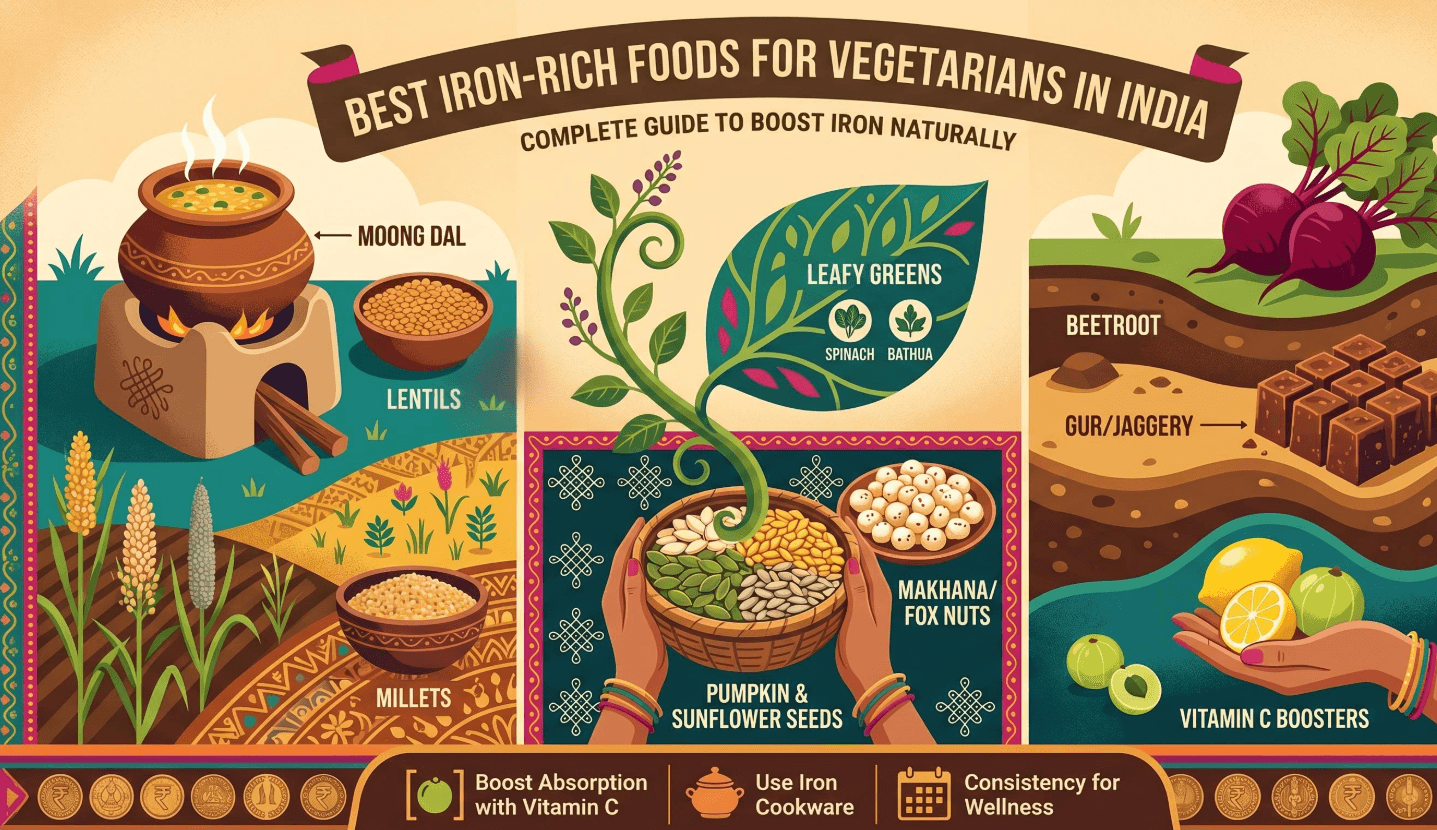
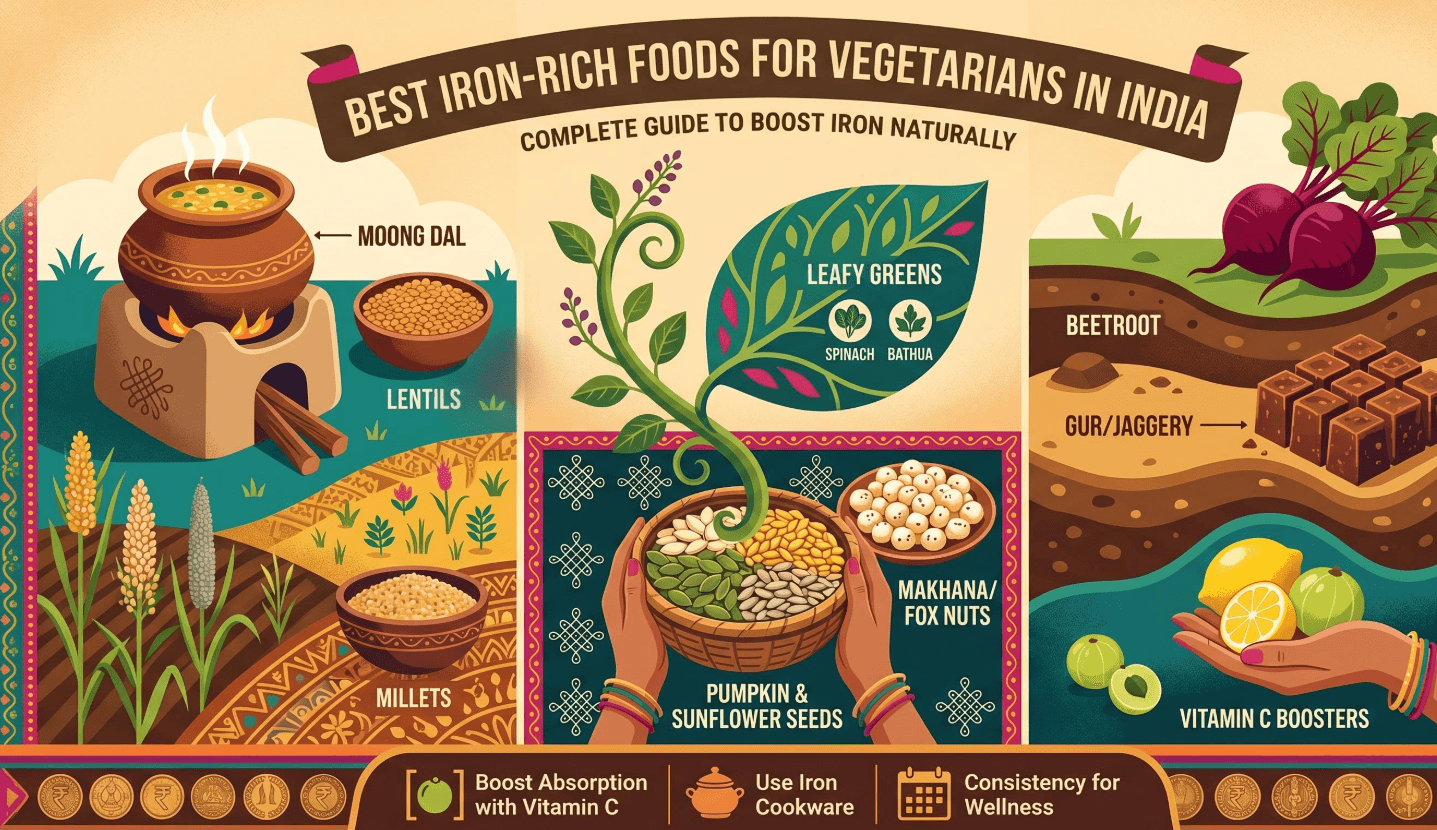
Nutrition plays an essential role in maintaining healthy blood production, immune function, growth, and normal metabolic activity.
Iron is particularly important because it is required for haemoglobin production. Haemoglobin is the protein in red blood cells that transports oxygen from the lungs to different parts of the body.
Insufficient iron intake or poor iron absorption can contribute to iron-deficiency anaemia. However, not every case of anaemia is caused by iron deficiency.
On 23 November 2026, ICMR released important nutritional findings from the SAMPADA survey, which examined anaemia and micronutrient deficiencies across India.
The survey covered more than two lakh people across 35 States and Union Territories and analysed over 1.7 lakh blood samples for haemoglobin estimation.One of its important findings was that iron deficiency accounts for approximately half of anaemia cases among women, adolescent girls, and children.
This suggests that iron deficiency is a major contributor, but other causes must also be considered when assessing patients.
The report highlights infections, inherited blood disorders, and inflammation associated with chronic diseases as additional possible contributors.
Foods containing iron include lentils, beans, green leafy vegetables, and appropriately selected fortified foods. Certain animal-based foods also provide dietary iron.
Vitamin C-containing foods can improve the absorption of non-haem iron from plant-based sources.
However, people with suspected anaemia should not automatically begin high-dose iron supplements without appropriate assessment.
Blood investigations can help identify haemoglobin levels and determine whether iron deficiency or another condition is responsible.
The SAMPADA findings are relevant to India's nutritional policy because they support age-specific and population-specific interventions.
The survey provides an important foundation for strengthening nutritional programmes and improving the detection and treatment of deficiencies.
Story Photo Gallery
Dr. Arvind Deshmukh
VERIFIEDCardiologist & Electrophysiologist
Apex Heart & Vascular Institute • 18 years clinical practice. Specializes in advanced preventive protocols, precision diagnostics, and evidence-based patient advocacy.
Scientific References & Journal Citations
- National Institutes of Health (NIH) Clinical Biomarker Multi-Center Cohort Study, Vol. 48, 2026.
- Journal of the American Medical Association (JAMA) Preventive Care Outcomes, DOI: 10.1001/jama.2026.0482.
- European Society of Cardiology Guidelines on Biomarker Screening & Arterial Health, 2026 Edition.
Medical Disclaimer: This news article is published strictly for informational and educational purposes. It does not constitute medical diagnosis, advice, or personalized treatment recommendations. Always seek the advice of your physician or other qualified health provider with any questions regarding a medical condition.