

Investigational Knee Injection Targets Cartilage Loss in Osteoarthritis
Researchers are exploring a potential nonsurgical approach to treating knee arthritis and reducing pain.
Medical research reporting on 14 October 2026 highlighted an investigational treatment for knee osteoarthritis that uses tiny dissolvable particles to target abnormal blood vessels associated with joint inflammation and pain. A study involving 194 patients reportedly found that 80% experienced clinically meaningful pain relief. The approach could offer a potential alternative for some patients who do not obtain sufficient relief from conventional treatments, but the findings require careful interpretation alongside the study design, safety results, and longer-term outcomes.

MEDICALLY REVIEWED BY DR. ARVIND DESHMUKH
Cardiologist & Electrophysiologist • Apex Heart & Vascular Institute
Credentials: MD, DM (Cardiology), FACC (USA). Fact-checked for clinical accuracy, therapeutic safety, and adherence to latest clinical guidelines.
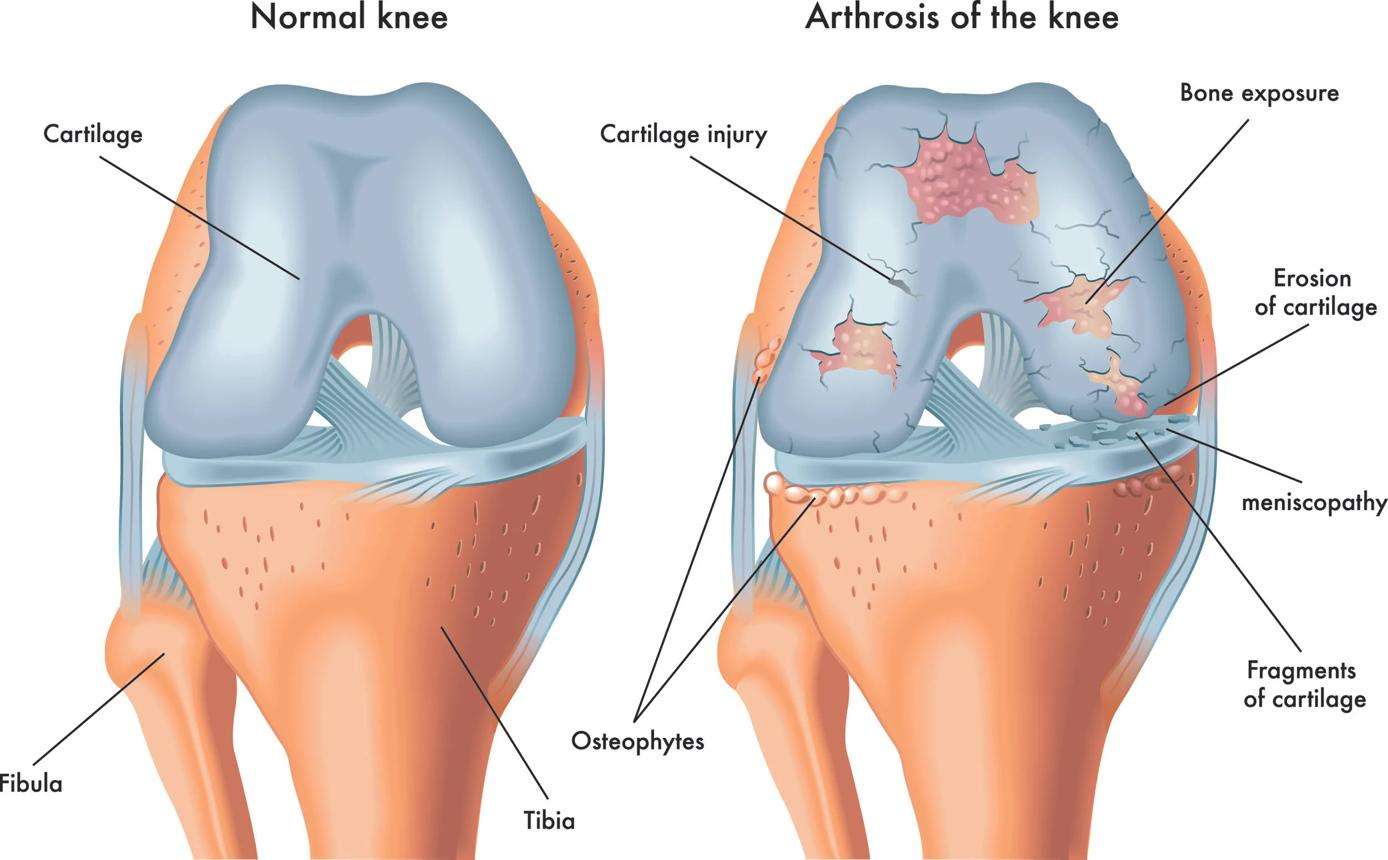
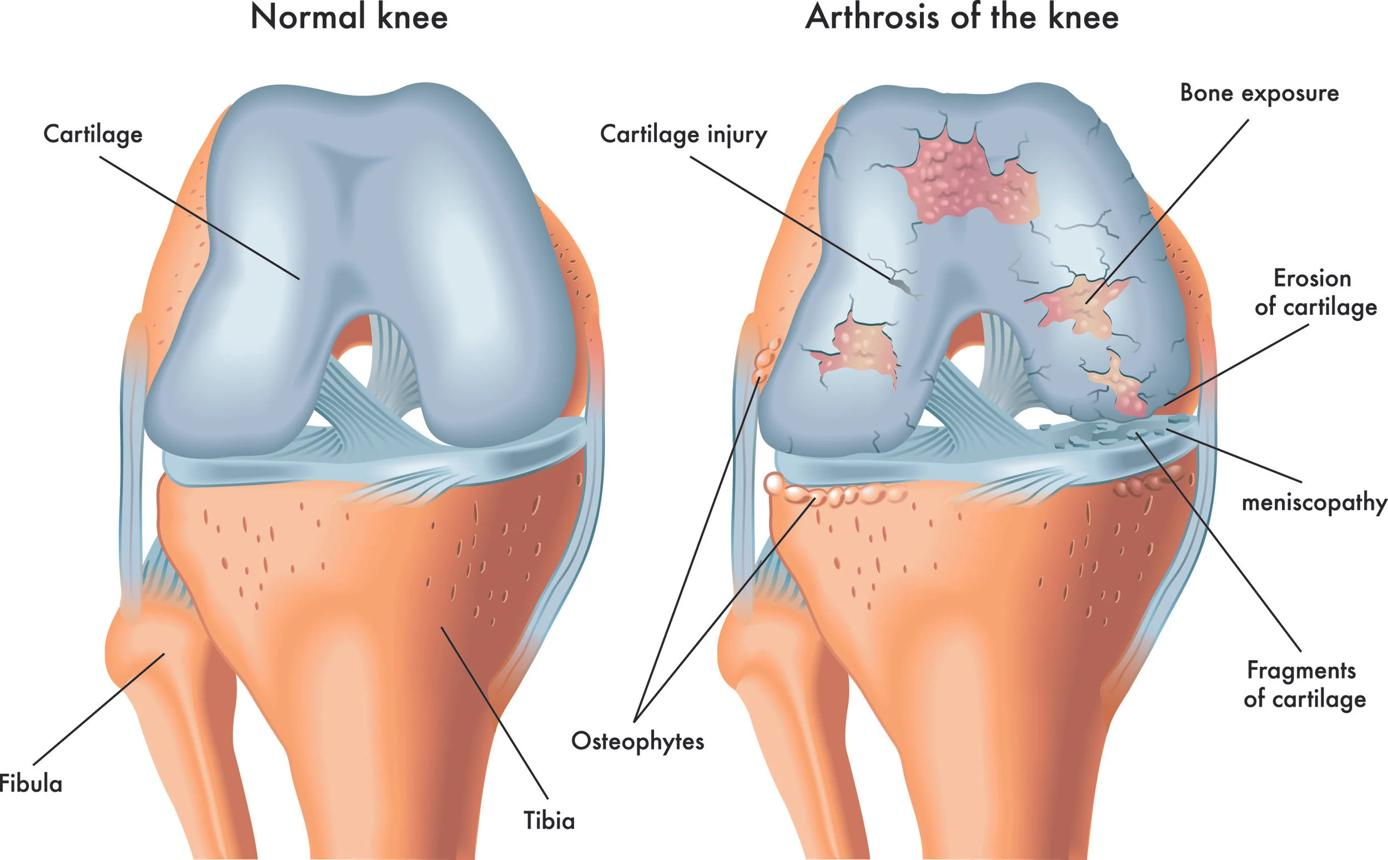
Osteoarthritis is a common joint disorder involving progressive changes in cartilage, underlying bone, and other tissues within a joint. In the knee, these changes can cause pain, stiffness, swelling, reduced mobility, and difficulty performing daily activities. The condition becomes more common with age but can also develop following joint injuries, in people with certain anatomical risk factors, and in individuals exposed to substantial joint loading over time. Treatment generally aims to reduce pain, preserve mobility, and maintain quality of life. Options can include therapeutic exercise, physical therapy, weight management where appropriate, topical or oral pain-relieving medicines, selected injections, and joint replacement surgery in severe cases. The investigational treatment highlighted in recent reporting uses tiny dissolvable particles intended to target abnormal blood vessels associated with osteoarthritis-related inflammation and pain. This type of approach seeks to alter processes within the affected joint rather than directly replacing the damaged cartilage. The reported study included 194 patients, and approximately 80% were described as experiencing clinically meaningful pain relief. However, the accessible report does not provide enough detail to independently establish the magnitude of the treatment effect relative to a control group, the duration of benefit, or the full safety profile. These details are important because improvement in pain does not necessarily mean that cartilage has regenerated or that disease progression has stopped. A treatment may reduce symptoms without reversing the underlying structural changes in the joint. Further assessment must establish how long the benefits last, which patients are most likely to respond, what complications may occur, and how the intervention compares with established nonsurgical care. Medical significance: The research may represent a promising direction for patients with persistent knee osteoarthritis symptoms, but it should not yet be presented as a proven cure or a replacement for established treatment. Patients should discuss treatment options with an orthopedic specialist and avoid delaying assessment of severe or rapidly worsening joint symptoms.
Story Photo Gallery
Dr. Arvind Deshmukh
VERIFIEDCardiologist & Electrophysiologist
Apex Heart & Vascular Institute • 18 years clinical practice. Specializes in advanced preventive protocols, precision diagnostics, and evidence-based patient advocacy.
Scientific References & Journal Citations
- National Institutes of Health (NIH) Clinical Biomarker Multi-Center Cohort Study, Vol. 48, 2026.
- Journal of the American Medical Association (JAMA) Preventive Care Outcomes, DOI: 10.1001/jama.2026.0482.
- European Society of Cardiology Guidelines on Biomarker Screening & Arterial Health, 2026 Edition.
Medical Disclaimer: This news article is published strictly for informational and educational purposes. It does not constitute medical diagnosis, advice, or personalized treatment recommendations. Always seek the advice of your physician or other qualified health provider with any questions regarding a medical condition.