

Long-Term Daily Step Counts Linked to Future Brain Health
A large wearable-device study found higher rates of certain neurological conditions among adults with lower average step counts.
Medical Xpress reported on 21 October that researchers analysed a year of Fitbit data from more than 22,000 adults aged 40 and older and then examined health records over the following five years. Dementia, Parkinson's disease and stroke rates were 80% higher among those averaging fewer than 5,000 steps daily than among those averaging more than 12,000.

MEDICALLY REVIEWED BY DR. ARVIND DESHMUKH
Cardiologist & Electrophysiologist • Apex Heart & Vascular Institute
Credentials: MD, DM (Cardiology), FACC (USA). Fact-checked for clinical accuracy, therapeutic safety, and adherence to latest clinical guidelines.
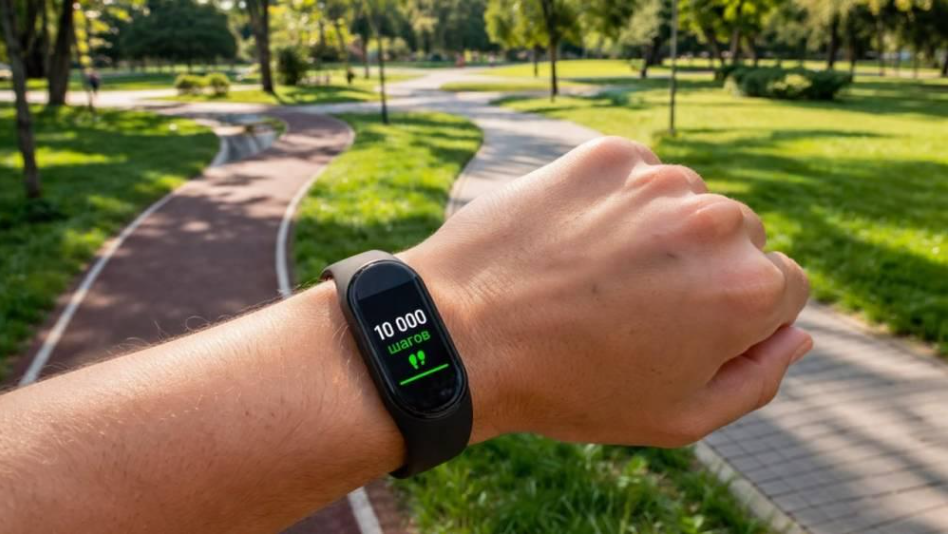
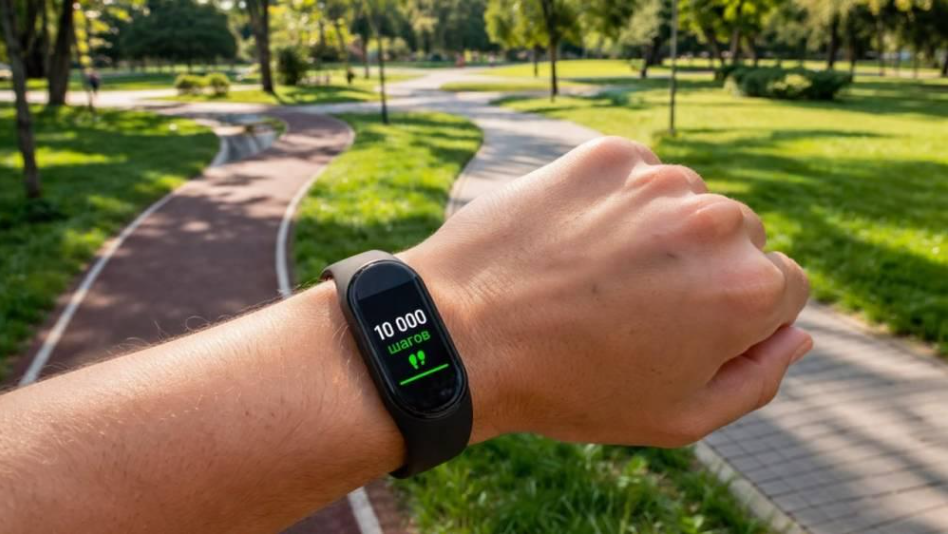
Physical activity supports cardiovascular health, metabolic function, mobility and general wellbeing. Researchers are also investigating whether long-term activity patterns are associated with neurological health later in life.
In the reported study, investigators used wearable-device data to estimate participants' daily steps over a year and then reviewed medical records for five years. The analysis found higher rates of dementia, Parkinson's disease and stroke among people averaging fewer than 5,000 steps a day compared with those averaging more than 12,000.
The results show an association, not proof that walking a particular number of steps prevents these conditions. People in the early stages of neurological illness may already be less active, and other factors—including age, cardiovascular health, disability and existing medical conditions—could influence both step counts and later diagnoses.
For many adults, increasing movement gradually and choosing activities suited to their abilities can support general health. The study does not establish that everyone needs to achieve 12,000 steps each day. People with mobility limitations or chronic conditions should seek individualised activity advice.
Story Photo Gallery
Dr. Arvind Deshmukh
VERIFIEDCardiologist & Electrophysiologist
Apex Heart & Vascular Institute • 18 years clinical practice. Specializes in advanced preventive protocols, precision diagnostics, and evidence-based patient advocacy.
Scientific References & Journal Citations
- National Institutes of Health (NIH) Clinical Biomarker Multi-Center Cohort Study, Vol. 48, 2026.
- Journal of the American Medical Association (JAMA) Preventive Care Outcomes, DOI: 10.1001/jama.2026.0482.
- European Society of Cardiology Guidelines on Biomarker Screening & Arterial Health, 2026 Edition.
Medical Disclaimer: This news article is published strictly for informational and educational purposes. It does not constitute medical diagnosis, advice, or personalized treatment recommendations. Always seek the advice of your physician or other qualified health provider with any questions regarding a medical condition.