

Major HER2-Positive Breast Cancer Trial Identifies Patients Who May Respond to Less Intensive Chemotherapy
New findings could help doctors identify some patients who achieve a complete response after shorter, less intensive treatment.
Results from the large CompassHER2-pCR trial have identified clinical and molecular factors associated with a complete pathological response in certain patients with stage II–III HER2-positive breast cancer following 12 weeks of a less intensive chemotherapy regimen combined with HER2-targeted medicines.

MEDICALLY REVIEWED BY DR. ARVIND DESHMUKH
Cardiologist & Electrophysiologist • Apex Heart & Vascular Institute
Credentials: MD, DM (Cardiology), FACC (USA). Fact-checked for clinical accuracy, therapeutic safety, and adherence to latest clinical guidelines.
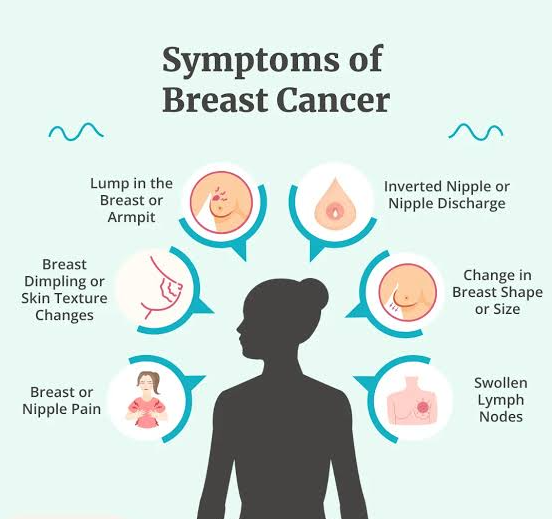
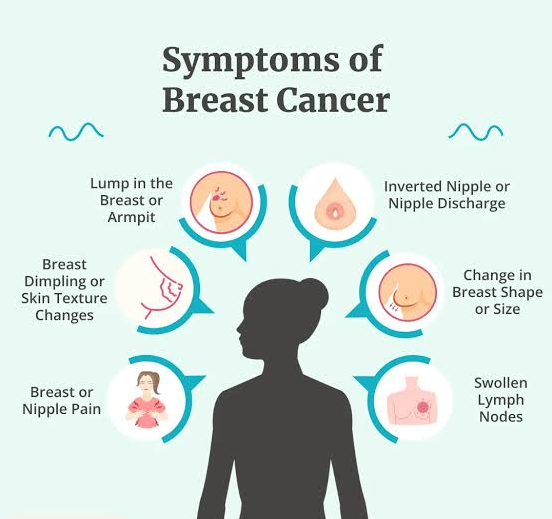
HER2-positive breast cancers can be aggressive, but targeted therapies have substantially improved treatment outcomes. Researchers are now investigating whether some patients can achieve excellent responses without undergoing unnecessarily intensive chemotherapy.
The CompassHER2-pCR study examined patients receiving a neoadjuvant regimen consisting of one chemotherapy drug together with two HER2-targeted medicines. Researchers identified clinical and molecular characteristics associated with pathological complete response, meaning no remaining invasive cancer can be detected in the surgical specimen after pre-surgical treatment.
The findings could eventually help oncologists better determine which patients may be candidates for reduced treatment intensity while maintaining effective cancer control. However, researchers are continuing follow-up to determine whether patients who achieve complete response maintain favorable long-term recurrence-free survival.
This is important because reducing unnecessary chemotherapy exposure could potentially decrease treatment-related complications while preserving cancer treatment effectiveness.
Story Photo Gallery
Dr. Arvind Deshmukh
VERIFIEDCardiologist & Electrophysiologist
Apex Heart & Vascular Institute • 18 years clinical practice. Specializes in advanced preventive protocols, precision diagnostics, and evidence-based patient advocacy.
Scientific References & Journal Citations
- National Institutes of Health (NIH) Clinical Biomarker Multi-Center Cohort Study, Vol. 48, 2026.
- Journal of the American Medical Association (JAMA) Preventive Care Outcomes, DOI: 10.1001/jama.2026.0482.
- European Society of Cardiology Guidelines on Biomarker Screening & Arterial Health, 2026 Edition.
Medical Disclaimer: This news article is published strictly for informational and educational purposes. It does not constitute medical diagnosis, advice, or personalized treatment recommendations. Always seek the advice of your physician or other qualified health provider with any questions regarding a medical condition.