

New Research Examines Changing Trends in Menopause Hormone Therapy Prescribing
US pharmacy data are being used to examine how menopause treatment patterns have changed across age groups and medication formulations.
A research letter published in JAMA examined national US pharmacy dispensing data to assess trends in menopause hormone therapy, including differences by age group, formulation and route of administration. The study adds evidence to continuing discussions about how hormone therapy is used to manage menopausal symptoms.

MEDICALLY REVIEWED BY DR. ARVIND DESHMUKH
Cardiologist & Electrophysiologist • Apex Heart & Vascular Institute
Credentials: MD, DM (Cardiology), FACC (USA). Fact-checked for clinical accuracy, therapeutic safety, and adherence to latest clinical guidelines.
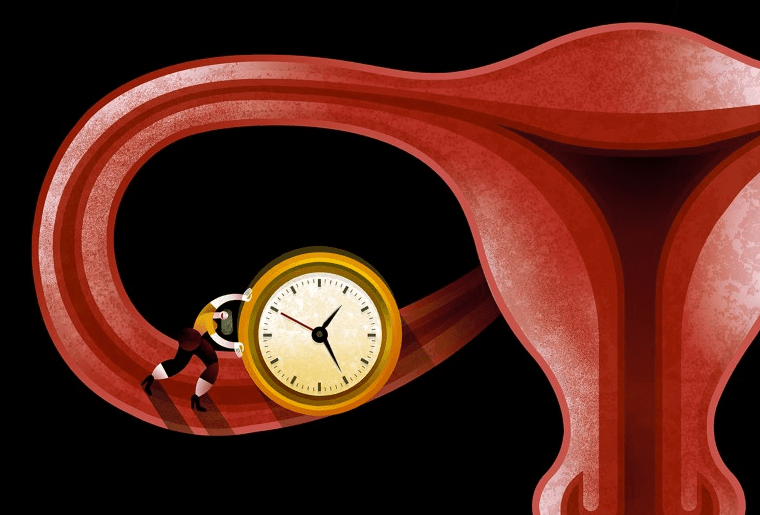
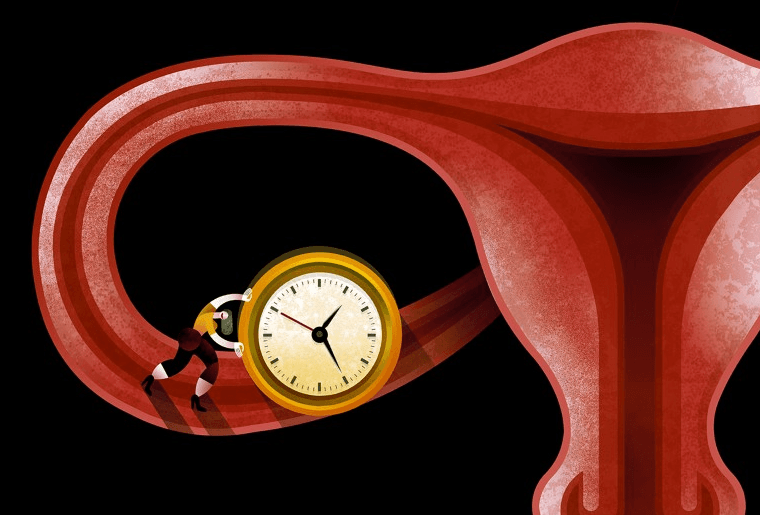
Menopause is a natural biological transition that marks the end of a woman's reproductive years. It is commonly associated with symptoms such as hot flashes, night sweats, sleep disturbances, vaginal dryness and changes in mood.
For some women, these symptoms can significantly affect daily activities, sleep quality and overall quality of life.
Menopause hormone therapy is an established treatment option for moderate to severe vasomotor symptoms and genitourinary symptoms. It may also help prevent postmenopausal bone loss in appropriate patients.
However, the use of hormone therapy changed significantly after the publication of the Women's Health Initiative findings in 2002. Those findings raised concerns about certain health risks associated with specific hormone regimens in the study population.
Since then, clinical understanding has evolved, with treatment decisions increasingly considering a woman's age, time since menopause, medical history, symptoms and individual risk factors.
A research letter published online in JAMA on 19 November examined US pharmacy dispensing data to assess menopause hormone therapy trends.
The researchers considered prescribing patterns across age groups and different treatment formulations and routes of administration.
This type of analysis can help healthcare professionals understand whether treatment patterns are changing and identify differences in how women access menopause care.
It is important to note that dispensing data show patterns of medication use; they do not independently prove that a particular hormone regimen is safer or more effective.
Women considering hormone therapy should discuss potential benefits, risks and alternatives with a qualified healthcare professional.
Story Photo Gallery
Dr. Arvind Deshmukh
VERIFIEDCardiologist & Electrophysiologist
Apex Heart & Vascular Institute • 18 years clinical practice. Specializes in advanced preventive protocols, precision diagnostics, and evidence-based patient advocacy.
Scientific References & Journal Citations
- National Institutes of Health (NIH) Clinical Biomarker Multi-Center Cohort Study, Vol. 48, 2026.
- Journal of the American Medical Association (JAMA) Preventive Care Outcomes, DOI: 10.1001/jama.2026.0482.
- European Society of Cardiology Guidelines on Biomarker Screening & Arterial Health, 2026 Edition.
Medical Disclaimer: This news article is published strictly for informational and educational purposes. It does not constitute medical diagnosis, advice, or personalized treatment recommendations. Always seek the advice of your physician or other qualified health provider with any questions regarding a medical condition.