

New Research Finds High Blood Pressure May Accelerate Osteoarthritis Joint Damage
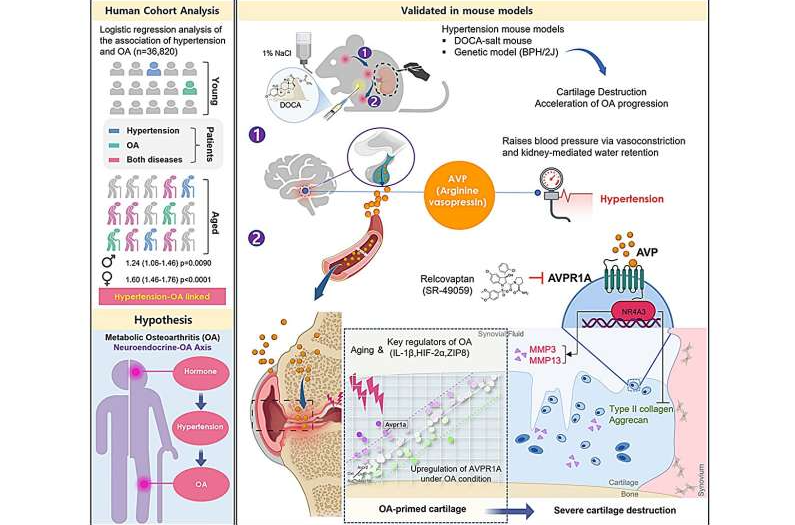
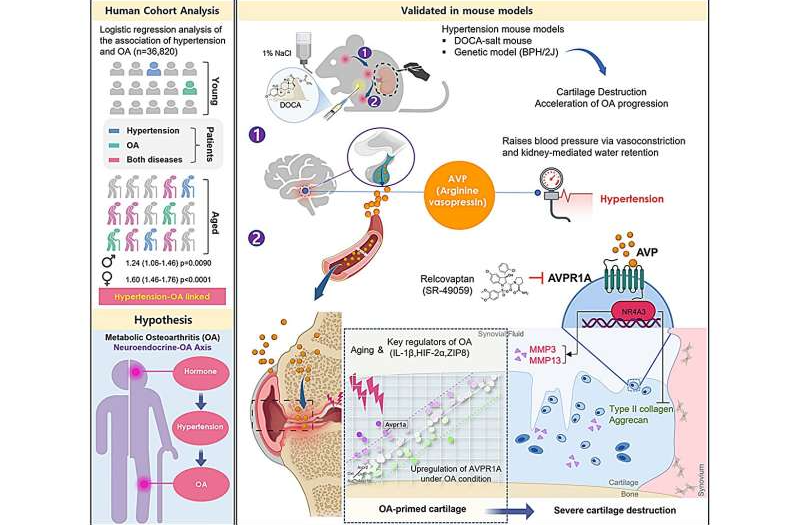
Scientists have identified a potential biological pathway connecting hypertension with worsening damage in osteoarthritic joints.
New orthopedic research suggests that high blood pressure may contribute to faster osteoarthritis progression through a previously identified hormone-related pathway.

MEDICALLY REVIEWED BY DR. ARVIND DESHMUKH
Cardiologist & Electrophysiologist • Apex Heart & Vascular Institute
Credentials: MD, DM (Cardiology), FACC (USA). Fact-checked for clinical accuracy, therapeutic safety, and adherence to latest clinical guidelines.
Osteoarthritis has traditionally been associated with aging, mechanical stress, obesity and previous joint injuries. New research is expanding that understanding by examining how cardiovascular conditions may also influence joint health.
Researchers have identified a hormone-related pathway through which high blood pressure may accelerate osteoarthritis-related joint damage. The findings suggest that the relationship between cardiovascular and musculoskeletal health could be more complex than previously recognized.
This is potentially important because hypertension affects a large proportion of adults worldwide, while osteoarthritis is one of the most common causes of chronic pain and reduced mobility.
If future research confirms the biological connection, controlling blood pressure could potentially become relevant not only for preventing heart and kidney complications but also for protecting joint health.
The findings are still part of an evolving research area and do not establish that treating high blood pressure will prevent osteoarthritis. Nevertheless, they add to evidence showing that chronic diseases can interact across different body systems.
Story Photo Gallery
Dr. Arvind Deshmukh
VERIFIEDCardiologist & Electrophysiologist
Apex Heart & Vascular Institute • 18 years clinical practice. Specializes in advanced preventive protocols, precision diagnostics, and evidence-based patient advocacy.
Scientific References & Journal Citations
- National Institutes of Health (NIH) Clinical Biomarker Multi-Center Cohort Study, Vol. 48, 2026.
- Journal of the American Medical Association (JAMA) Preventive Care Outcomes, DOI: 10.1001/jama.2026.0482.
- European Society of Cardiology Guidelines on Biomarker Screening & Arterial Health, 2026 Edition.
Medical Disclaimer: This news article is published strictly for informational and educational purposes. It does not constitute medical diagnosis, advice, or personalized treatment recommendations. Always seek the advice of your physician or other qualified health provider with any questions regarding a medical condition.