

Repeated Medical Imaging Radiation May Increase Brain Tumour Risk in Children
Large study involving more than 3.7 million children highlights the importance of carefully justified CT and other radiation-based scans.
A large study led by researchers from UC Davis and UC San Francisco, published in JAMA on 19 November, found that higher cumulative radiation exposure from medical imaging during childhood was associated with a greater risk of brain tumours. The study included more than 3.7 million children in the United States and Ontario, Canada.

MEDICALLY REVIEWED BY DR. ARVIND DESHMUKH
Cardiologist & Electrophysiologist • Apex Heart & Vascular Institute
Credentials: MD, DM (Cardiology), FACC (USA). Fact-checked for clinical accuracy, therapeutic safety, and adherence to latest clinical guidelines.
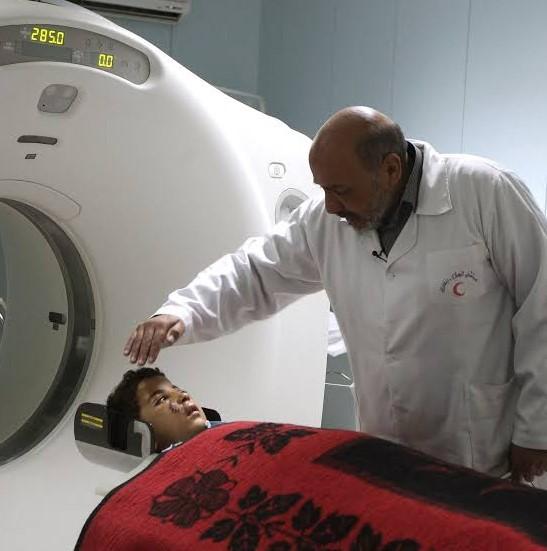
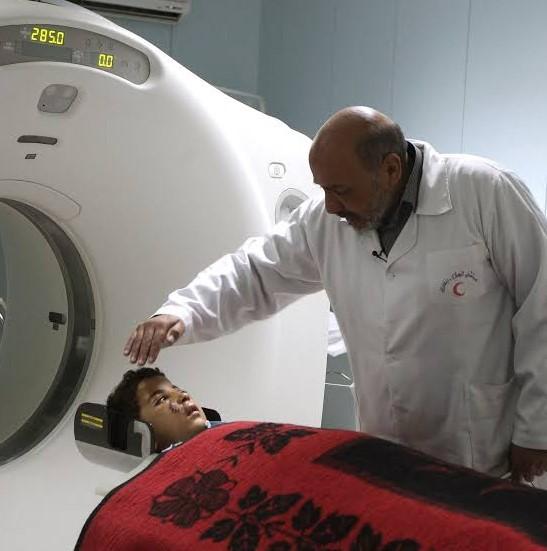
Medical imaging is an important part of modern paediatric healthcare. X-rays, computed tomography (CT) scans and positron emission tomography (PET) scans help doctors diagnose injuries, detect diseases and plan treatment.
However, some of these examinations use ionising radiation, which can interact with cells and damage DNA.
Children may be more sensitive to radiation exposure because their bodies are still developing and they have more years ahead during which radiation-related effects could potentially emerge.
A large population-based study led by UC Davis and UC San Francisco researchers examined the relationship between radiation exposure from medical imaging and childhood brain tumour risk.
The study included more than 3.7 million children in the United States and Ontario, Canada. Participants were followed from birth for an average of 12.3 years.
Researchers estimated the cumulative radiation dose received by the brain through different types of medical imaging.
During the follow-up period, 1,536 brain tumours were diagnosed. The analysis found that radiation exposure equivalent to one head CT scan was associated with a 1.8-fold higher relative risk of brain tumours.
In absolute terms, this corresponded to approximately eight additional brain tumours per 10,000 children by age 21, or roughly one excess tumour per 1,266 head CT examinations, according to the researchers' estimates.
The study also found that brain tumour risk increased with higher cumulative radiation exposure.
Researchers emphasised that parents should not refuse medically necessary imaging. CT scans can be lifesaving, particularly when doctors need to identify serious injuries such as internal bleeding following head trauma.
Instead, the findings support careful clinical justification of imaging examinations and the use of the lowest radiation dose that can provide adequate diagnostic information.
Story Photo Gallery
Dr. Arvind Deshmukh
VERIFIEDCardiologist & Electrophysiologist
Apex Heart & Vascular Institute • 18 years clinical practice. Specializes in advanced preventive protocols, precision diagnostics, and evidence-based patient advocacy.
Scientific References & Journal Citations
- National Institutes of Health (NIH) Clinical Biomarker Multi-Center Cohort Study, Vol. 48, 2026.
- Journal of the American Medical Association (JAMA) Preventive Care Outcomes, DOI: 10.1001/jama.2026.0482.
- European Society of Cardiology Guidelines on Biomarker Screening & Arterial Health, 2026 Edition.
Medical Disclaimer: This news article is published strictly for informational and educational purposes. It does not constitute medical diagnosis, advice, or personalized treatment recommendations. Always seek the advice of your physician or other qualified health provider with any questions regarding a medical condition.