

Researchers Call for Global Guidelines to Reduce Inequalities in Endometriosis Care
A review highlights gaps in clinical guidance affecting adolescents and other groups living with a painful reproductive health condition.
Research reported on 16 October 2026 identified gaps in endometriosis guidelines worldwide, including limited representation of adolescents, gender-diverse people, and individuals with lived experience of the condition. The findings suggest that clinical guidance may not consistently address the needs of all patients. Greater international coordination could help improve recognition, diagnosis, treatment decisions, and long-term support.

MEDICALLY REVIEWED BY DR. ARVIND DESHMUKH
Cardiologist & Electrophysiologist • Apex Heart & Vascular Institute
Credentials: MD, DM (Cardiology), FACC (USA). Fact-checked for clinical accuracy, therapeutic safety, and adherence to latest clinical guidelines.
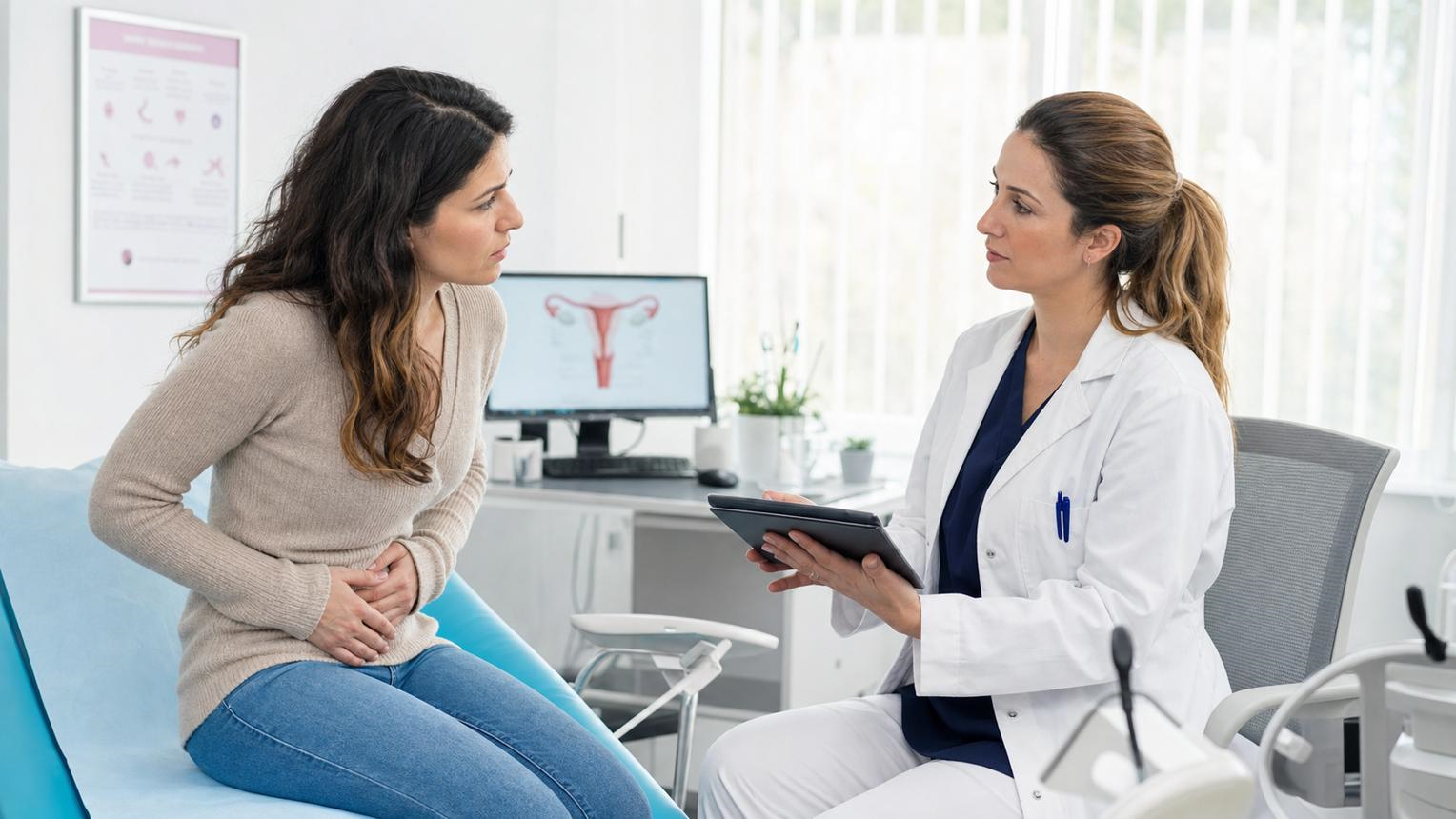
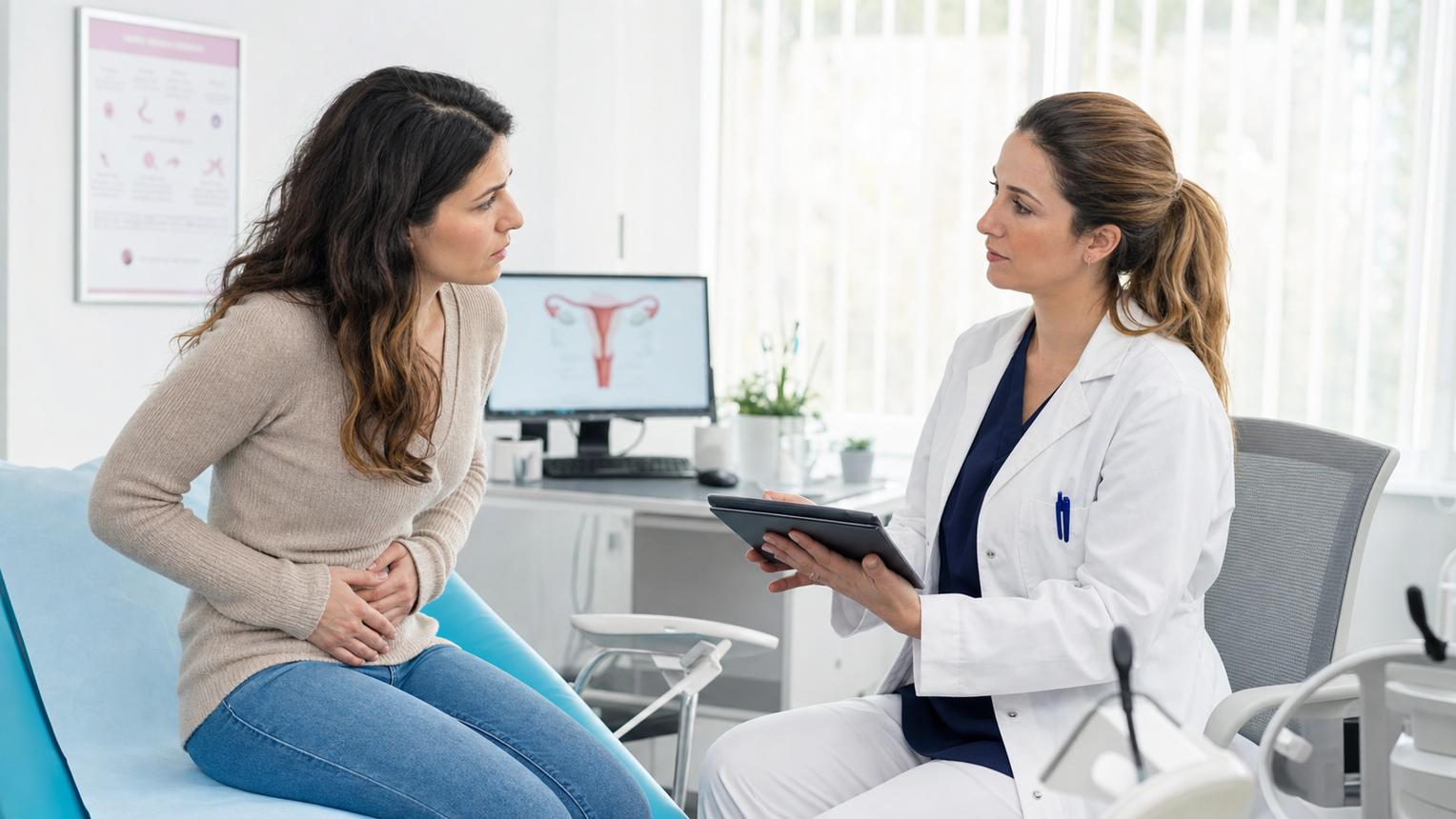
Endometriosis is a chronic condition in which tissue resembling the lining of the uterus grows outside the uterine cavity. It can affect the ovaries, fallopian tubes, pelvic lining, and other structures. The condition is associated with inflammation, pain, and, in some patients, fertility difficulties. Common symptoms include severe menstrual cramps, chronic pelvic pain, pain during sexual activity, pain with bowel movements or urination, and fatigue. Symptoms vary considerably, and some patients experience significant disease despite having relatively mild symptoms. Diagnosis can be delayed because symptoms overlap with other conditions, including irritable bowel syndrome, pelvic inflammatory disorders, and other causes of chronic pelvic pain. Some patients experience years of symptoms before receiving a diagnosis. Research reported on 16 October 2026 examined the coverage and inclusiveness of international endometriosis guidelines. The findings highlighted that adolescents, gender-diverse people, and those with lived experience of the disease are underrepresented in some guidelines. This matters because the needs of a teenager experiencing severe menstrual pain may differ from those of an adult seeking help for infertility or long-standing pelvic pain. Diagnostic delays can affect education, employment, relationships, mental well-being, and daily functioning. Treatment may include hormonal medication, pain management, surgery in selected cases, and multidisciplinary support. The appropriate approach depends on symptom severity, treatment goals, fertility considerations, previous treatment response, and individual preferences. Clinical guidelines can help standardize care, but their usefulness depends on the quality of supporting evidence and how well they reflect the people who need treatment. Medical significance: More inclusive guidance could help clinicians recognize symptoms earlier and offer appropriate care. Persistent or severe menstrual pain should not automatically be dismissed as normal; medical assessment can help identify endometriosis and other possible causes.
Story Photo Gallery
Dr. Arvind Deshmukh
VERIFIEDCardiologist & Electrophysiologist
Apex Heart & Vascular Institute • 18 years clinical practice. Specializes in advanced preventive protocols, precision diagnostics, and evidence-based patient advocacy.
Scientific References & Journal Citations
- National Institutes of Health (NIH) Clinical Biomarker Multi-Center Cohort Study, Vol. 48, 2026.
- Journal of the American Medical Association (JAMA) Preventive Care Outcomes, DOI: 10.1001/jama.2026.0482.
- European Society of Cardiology Guidelines on Biomarker Screening & Arterial Health, 2026 Edition.
Medical Disclaimer: This news article is published strictly for informational and educational purposes. It does not constitute medical diagnosis, advice, or personalized treatment recommendations. Always seek the advice of your physician or other qualified health provider with any questions regarding a medical condition.