

Researchers Identify a Possible Immune-Related Trigger for Some Preterm Births
Antibodies that interfere with an inflammation-regulating protein may contribute to early labour in a subset of pregnancies.
Reuters reported on 21 October that researchers identified antibodies that neutralise IL-1RA, a protein that normally helps restrain inflammation, in some pregnancies that ended before 37 weeks. Experiments in mice showed increased inflammation and placental damage after exposure to these antibodies.

MEDICALLY REVIEWED BY DR. ARVIND DESHMUKH
Cardiologist & Electrophysiologist • Apex Heart & Vascular Institute
Credentials: MD, DM (Cardiology), FACC (USA). Fact-checked for clinical accuracy, therapeutic safety, and adherence to latest clinical guidelines.
Preterm birth occurs when a baby is born before 37 completed weeks of pregnancy. It is an important cause of newborn illness and death because premature babies may have underdeveloped lungs, feeding difficulties, problems regulating body temperature and a greater risk of complications affecting multiple organs.
Inflammation is part of the body's normal immune response, but excessive or poorly controlled inflammation can affect pregnancy. The reported research examined antibodies that neutralise interleukin-1 receptor antagonist (IL-1RA), a protein that normally limits signalling by the inflammatory molecule IL-1 beta.
Researchers found higher levels of these antibodies early in some pregnancies that later ended in preterm birth. In mouse experiments, introducing the antibodies increased inflammatory signalling and caused placental damage. The findings suggest a possible mechanism for a subset of preterm births rather than a universal explanation.
Further research is needed to confirm how frequently this mechanism occurs, how reliably it can be detected and whether interventions targeting the pathway can prevent early labour. The study does not establish that an existing anti-inflammatory medicine can safely prevent preterm birth.
Pregnant patients should attend routine prenatal care and discuss symptoms such as contractions, fluid leakage or bleeding promptly with their maternity-care team.
Story Photo Gallery
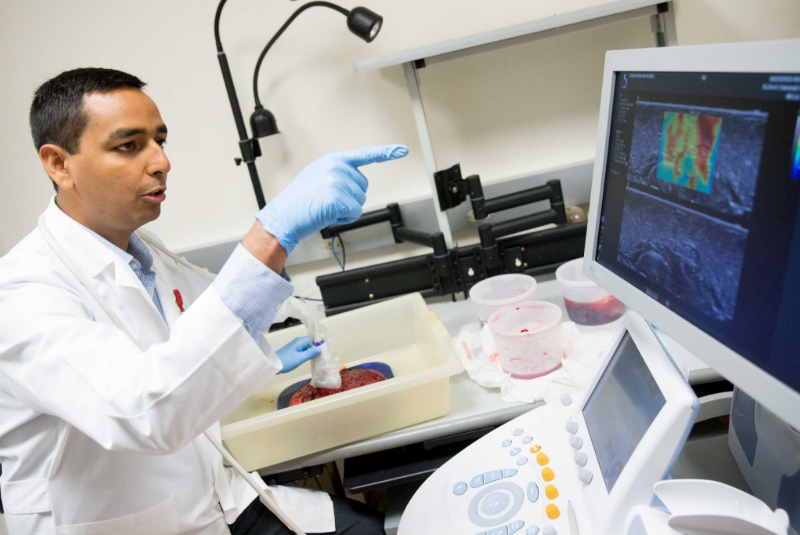
Dr. Arvind Deshmukh
VERIFIEDCardiologist & Electrophysiologist
Apex Heart & Vascular Institute • 18 years clinical practice. Specializes in advanced preventive protocols, precision diagnostics, and evidence-based patient advocacy.
Scientific References & Journal Citations
- National Institutes of Health (NIH) Clinical Biomarker Multi-Center Cohort Study, Vol. 48, 2026.
- Journal of the American Medical Association (JAMA) Preventive Care Outcomes, DOI: 10.1001/jama.2026.0482.
- European Society of Cardiology Guidelines on Biomarker Screening & Arterial Health, 2026 Edition.
Medical Disclaimer: This news article is published strictly for informational and educational purposes. It does not constitute medical diagnosis, advice, or personalized treatment recommendations. Always seek the advice of your physician or other qualified health provider with any questions regarding a medical condition.