

Researchers Identify Autoantibodies That May Be Linked to the Risk of Preterm Birth
New research investigates how maternal immune responses could contribute to premature labour in some pregnancies.
Researchers at Cold Spring Harbor Laboratory reported a potential link between certain autoantibodies and preterm birth. The study, reported on 13 October 2026 by the University of California, San Francisco, explores whether immune responses during pregnancy could help explain why some women enter labour too early. The findings may provide a direction for future research into identifying high-risk pregnancies, but they do not establish a routine screening test or a proven method for preventing preterm birth.

MEDICALLY REVIEWED BY DR. ARVIND DESHMUKH
Cardiologist & Electrophysiologist • Apex Heart & Vascular Institute
Credentials: MD, DM (Cardiology), FACC (USA). Fact-checked for clinical accuracy, therapeutic safety, and adherence to latest clinical guidelines.
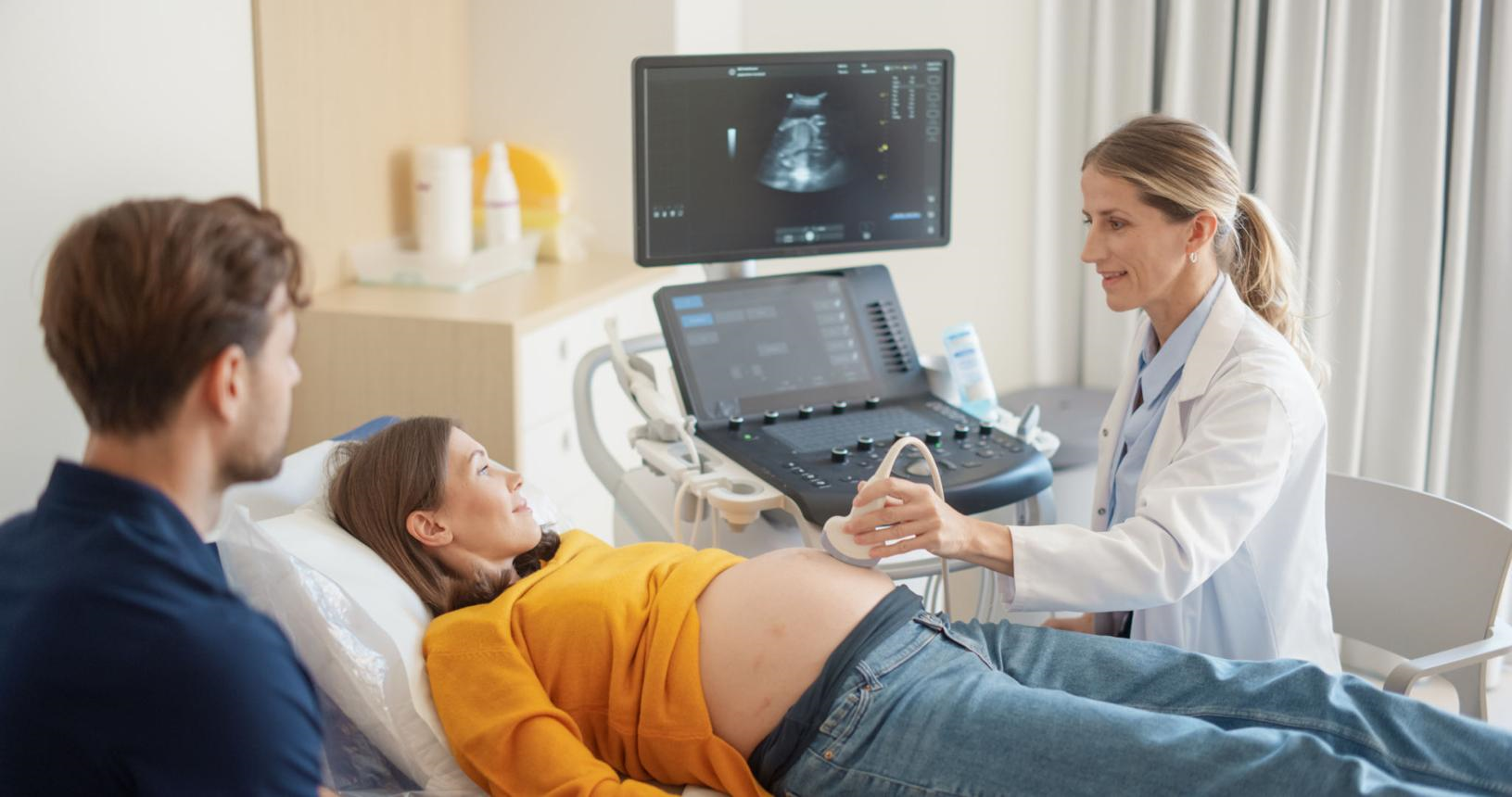
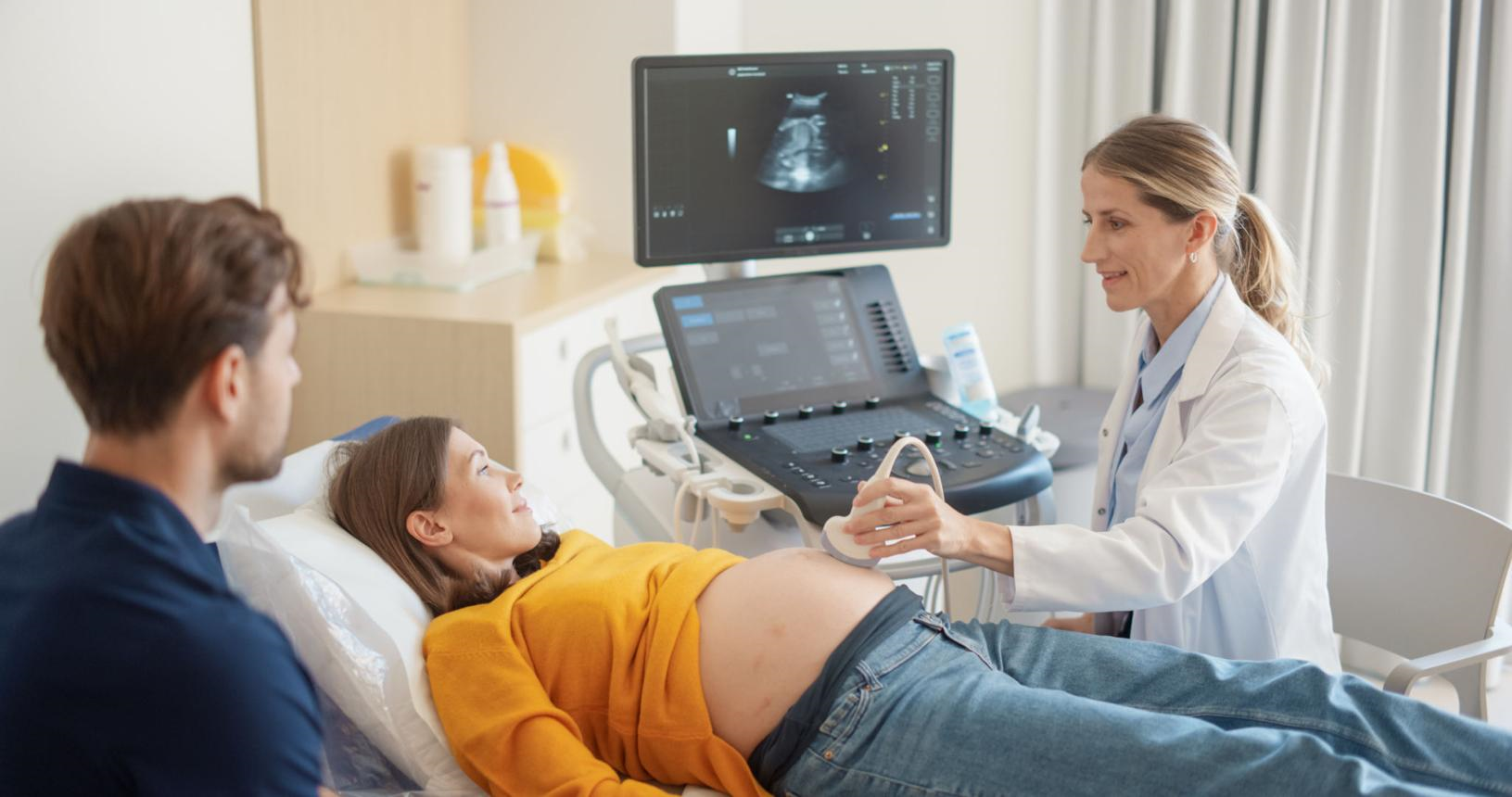
Preterm birth occurs when a baby is born before 37 completed weeks of pregnancy. It is an important cause of newborn illness and death worldwide because organs such as the lungs, brain, and gastrointestinal system may not have completed their development. Premature infants can experience respiratory distress, difficulties maintaining body temperature, feeding problems, infections, and neurological complications. The likelihood and severity of these problems generally increase as gestational age decreases, although outcomes vary considerably between infants. Preterm birth has multiple possible causes, including infections, cervical abnormalities, placental complications, multiple pregnancy, maternal medical conditions, and spontaneous early labour. In many cases, the exact cause remains uncertain. Research into autoantibodies is investigating whether certain immune responses could interfere with normal pregnancy processes. Autoantibodies are antibodies that mistakenly recognize components of the body's own cells or tissues. Depending on their target and activity, they can contribute to inflammation or interfere with normal biological functions. The research highlighted on 13 October 2026 examines whether specific maternal autoantibodies may be associated with an increased risk of premature birth. Understanding the biological mechanisms involved could eventually help researchers identify subgroups of pregnant women who need closer monitoring. However, an association between an antibody and preterm birth does not automatically mean that the antibody causes premature labour. Further studies are needed to establish the mechanism, determine how frequently the finding occurs, and assess whether testing can accurately predict individual outcomes. Medical significance: The findings may help advance research into the biological causes of preterm birth. Established prenatal care remains essential, and pregnant women should seek prompt assessment for symptoms such as regular contractions, vaginal bleeding, fluid leakage, or reduced fetal movement when appropriate for their stage of pregnancy.
Story Photo Gallery
Dr. Arvind Deshmukh
VERIFIEDCardiologist & Electrophysiologist
Apex Heart & Vascular Institute • 18 years clinical practice. Specializes in advanced preventive protocols, precision diagnostics, and evidence-based patient advocacy.
Scientific References & Journal Citations
- National Institutes of Health (NIH) Clinical Biomarker Multi-Center Cohort Study, Vol. 48, 2026.
- Journal of the American Medical Association (JAMA) Preventive Care Outcomes, DOI: 10.1001/jama.2026.0482.
- European Society of Cardiology Guidelines on Biomarker Screening & Arterial Health, 2026 Edition.
Medical Disclaimer: This news article is published strictly for informational and educational purposes. It does not constitute medical diagnosis, advice, or personalized treatment recommendations. Always seek the advice of your physician or other qualified health provider with any questions regarding a medical condition.