

Resistance Training May Support Certain Brain Functions in Older Adults With Mild Cognitive Impairment
A 24-week study suggests that progressive strength exercises may improve selected cognitive test performances in older adults.
Research discussed by Medical Xpress on 20 November examined 162 adults aged 65 and older with signs of mild cognitive impairment. Participants undertaking a 24-week resistance-training programme performed slightly better than a gentle-exercise group on two specific cognitive tasks. The study did not establish that strength training prevents dementia.

MEDICALLY REVIEWED BY DR. ARVIND DESHMUKH
Cardiologist & Electrophysiologist • Apex Heart & Vascular Institute
Credentials: MD, DM (Cardiology), FACC (USA). Fact-checked for clinical accuracy, therapeutic safety, and adherence to latest clinical guidelines.
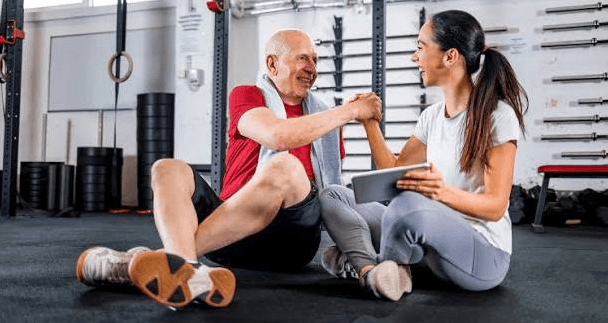
Mild cognitive impairment is a condition in which a person experiences greater difficulty with memory or thinking than is normally expected for their age, while still retaining the ability to manage most daily activities.
Although not everyone with mild cognitive impairment develops dementia, the condition can be an important reason for monitoring cognitive health over time.
Physical activity is widely recommended for maintaining cardiovascular health, muscle strength and mobility. Researchers are also investigating whether different forms of exercise can influence brain function.
A study involving 162 adults aged 65 and older with signs of mild cognitive impairment compared gentle exercise with a 24-week resistance-training programme.
Resistance training involved exercises in which muscles worked against external weights or the body's own weight. The programme gradually increased in difficulty.
During the second half of the programme, some exercises were performed on unstable surfaces, such as foam pads, to introduce additional balance challenges.
At the end of the study, participants in the resistance-training group performed slightly better than those in the gentle-exercise group on two cognitive tasks.
These included immediately repeating a sequence of numbers after hearing it and naming as many words as possible beginning with a particular letter within one minute.
However, the groups performed similarly on a task involving remembering details from a story.
Researchers noted that it remains unclear whether the differences observed in the cognitive tests translate into meaningful improvements in everyday functioning or reduce the likelihood of developing dementia.
The findings support further investigation into resistance exercise as part of healthy ageing programmes. Older adults should choose exercises appropriate to their physical abilities and medical conditions, preferably with professional guidance when needed.
Story Photo Gallery
Dr. Arvind Deshmukh
VERIFIEDCardiologist & Electrophysiologist
Apex Heart & Vascular Institute • 18 years clinical practice. Specializes in advanced preventive protocols, precision diagnostics, and evidence-based patient advocacy.
Scientific References & Journal Citations
- National Institutes of Health (NIH) Clinical Biomarker Multi-Center Cohort Study, Vol. 48, 2026.
- Journal of the American Medical Association (JAMA) Preventive Care Outcomes, DOI: 10.1001/jama.2026.0482.
- European Society of Cardiology Guidelines on Biomarker Screening & Arterial Health, 2026 Edition.
Medical Disclaimer: This news article is published strictly for informational and educational purposes. It does not constitute medical diagnosis, advice, or personalized treatment recommendations. Always seek the advice of your physician or other qualified health provider with any questions regarding a medical condition.