

Scientists Discover Tiny Structural Features That Help Spinal Discs Withstand Everyday Stress
New research reveals how the microscopic architecture of spinal discs helps explain their strength and degeneration.
An international research team involving the University of Manchester, Queen Mary University of London and University College London investigated the microscopic structures of intervertebral discs. The study, published in Nature, provides new insights into how spinal discs withstand bending and mechanical pressure.

MEDICALLY REVIEWED BY DR. ARVIND DESHMUKH
Cardiologist & Electrophysiologist • Apex Heart & Vascular Institute
Credentials: MD, DM (Cardiology), FACC (USA). Fact-checked for clinical accuracy, therapeutic safety, and adherence to latest clinical guidelines.
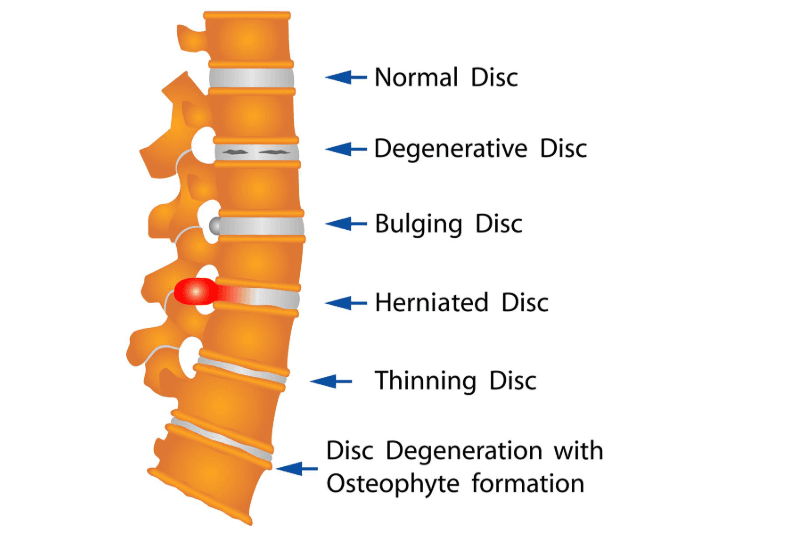
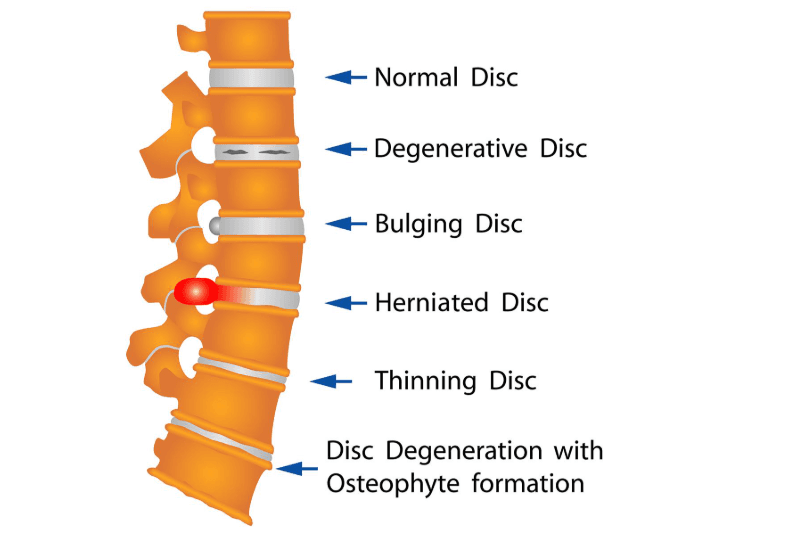
Intervertebral discs are flexible structures positioned between the bones of the spine. They act as shock absorbers, distribute mechanical forces and allow the spine to bend and move during everyday activities.
These discs contain specialised layers of collagen fibres and other biological materials that help them withstand repeated mechanical loading. Ageing, injury and biological changes can gradually weaken their structure, contributing to disc degeneration and back pain.
The new research investigated the tiny structural features within spinal discs and how they respond to forces generated by bending, lifting and movement.
Researchers used advanced imaging and structural analysis techniques to examine the organisation of the disc's internal components. Their findings help explain how microscopic architecture contributes to the mechanical strength of the spine.
Understanding these structures could provide useful information for future research into disc degeneration, spinal injuries and regenerative treatments.
However, the research does not introduce an approved treatment for back pain or demonstrate that spinal disc degeneration can currently be reversed. Its importance lies in improving scientific understanding of spinal structure and function.
Story Photo Gallery
Dr. Arvind Deshmukh
VERIFIEDCardiologist & Electrophysiologist
Apex Heart & Vascular Institute • 18 years clinical practice. Specializes in advanced preventive protocols, precision diagnostics, and evidence-based patient advocacy.
Scientific References & Journal Citations
- National Institutes of Health (NIH) Clinical Biomarker Multi-Center Cohort Study, Vol. 48, 2026.
- Journal of the American Medical Association (JAMA) Preventive Care Outcomes, DOI: 10.1001/jama.2026.0482.
- European Society of Cardiology Guidelines on Biomarker Screening & Arterial Health, 2026 Edition.
Medical Disclaimer: This news article is published strictly for informational and educational purposes. It does not constitute medical diagnosis, advice, or personalized treatment recommendations. Always seek the advice of your physician or other qualified health provider with any questions regarding a medical condition.