

Scientists Identify a Potential New Way to Strengthen Immunotherapy Against Colorectal Cancer
Cold Spring Harbor Laboratory researchers investigate how a transcription factor could help immune cells fight cancer.
Researchers at Cold Spring Harbor Laboratory reported a potential strategy for improving immune responses against colorectal cancer. The research, published in Nature Immunology, suggests that a transcription factor normally associated with promoting cancer growth may be harnessed to support cancer-fighting activity within the immune system. The findings could inform future treatment research, but they remain an experimental discovery rather than an established treatment for patients.

MEDICALLY REVIEWED BY DR. ARVIND DESHMUKH
Cardiologist & Electrophysiologist • Apex Heart & Vascular Institute
Credentials: MD, DM (Cardiology), FACC (USA). Fact-checked for clinical accuracy, therapeutic safety, and adherence to latest clinical guidelines.
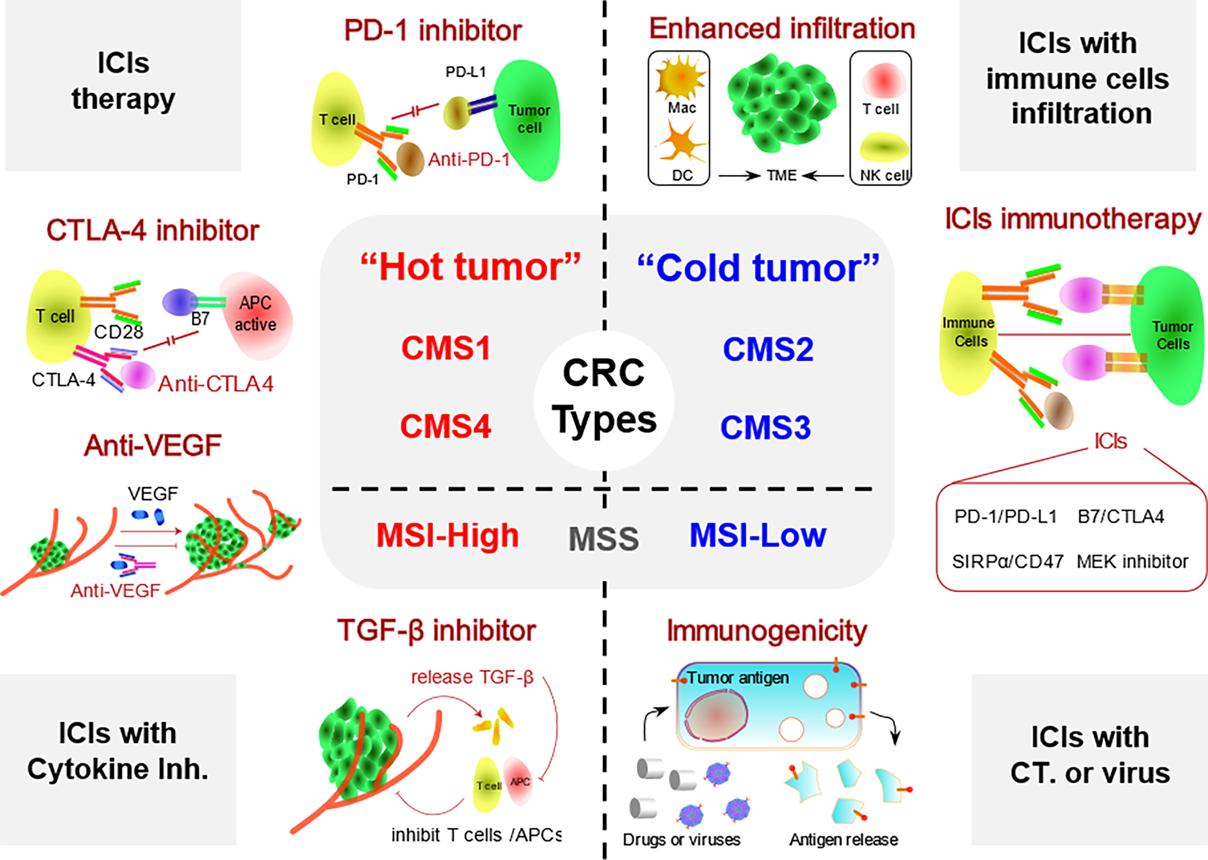
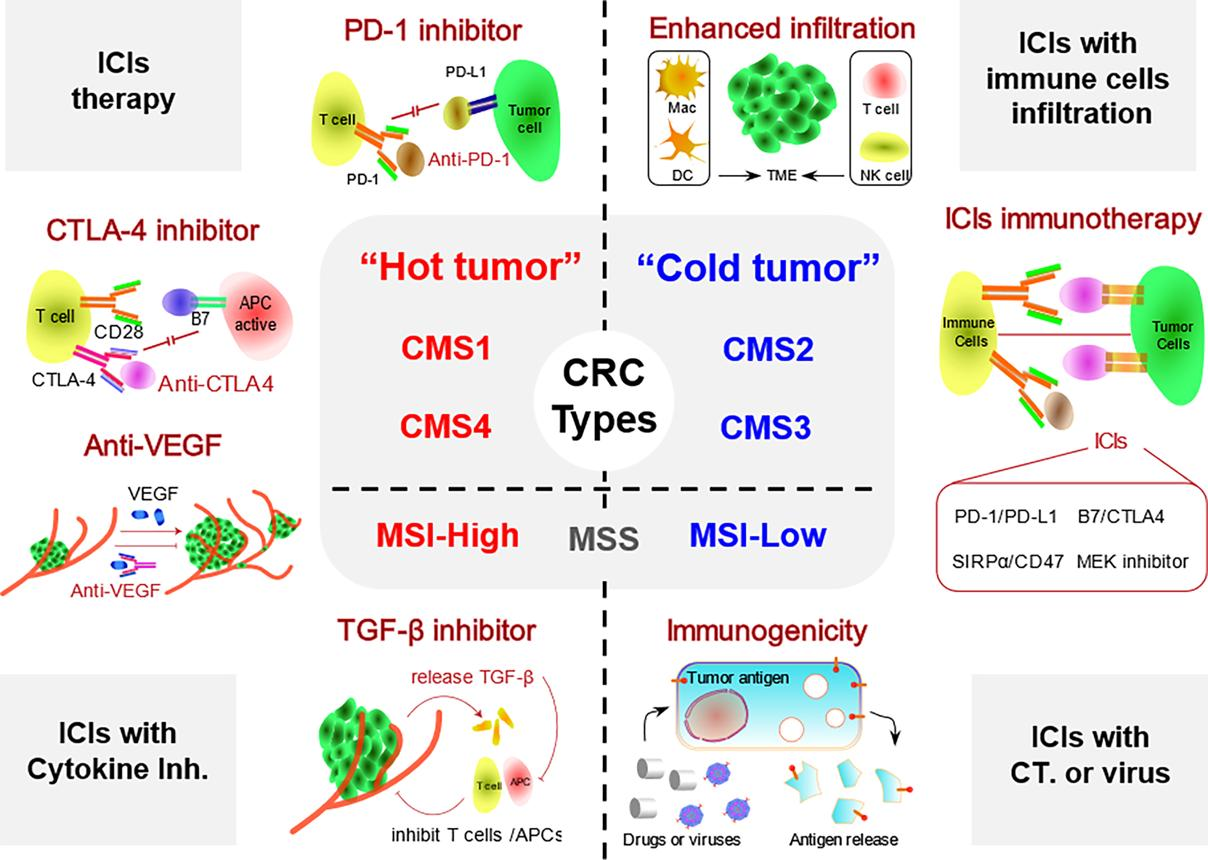
Colorectal cancer develops in the colon or rectum and can spread to nearby lymph nodes and distant organs, including the liver and lungs. The disease may cause changes in bowel habits, rectal bleeding, abdominal discomfort, unexplained weight loss, or iron-deficiency anaemia, although early disease can occur without obvious symptoms. Treatment depends on the cancer's location, stage, molecular characteristics, and the patient's overall health. Options can include surgery, chemotherapy, radiotherapy, targeted medicines, and immunotherapy. Immunotherapy aims to help the immune system recognize and attack malignant cells. Some colorectal cancers respond well to particular immunotherapies, especially tumors with specific molecular characteristics. However, many colorectal cancers do not respond adequately to existing immune-based treatments. Research published on 14 October 2026 by Cold Spring Harbor Laboratory examined a transcription factor that typically promotes cancer growth and investigated whether its activity could be redirected to support cancer-fighting immune cells. Transcription factors regulate how genes are switched on or off. Their effects depend on the cell type, biological environment, and molecular interactions involved. A protein that promotes tumor growth in one context may have a different function when acting within immune cells. The researchers' findings suggest a potential way to modify immune-cell behaviour to improve anti-tumor activity. If further studies confirm the mechanism, it may provide a starting point for developing treatments that help the immune system attack cancers that currently respond poorly to immunotherapy. However, laboratory findings do not establish that a strategy will be effective or safe in humans. Additional preclinical research, followed by carefully designed clinical trials, would be needed to determine whether the approach improves tumor response, progression-free survival, or overall survival. Medical significance: The research offers a possible new direction for colorectal cancer immunotherapy, but patients should continue to rely on treatments supported by clinical evidence. Screening and timely medical evaluation remain important because early detection can improve the range of available treatment options.
Story Photo Gallery
Dr. Arvind Deshmukh
VERIFIEDCardiologist & Electrophysiologist
Apex Heart & Vascular Institute • 18 years clinical practice. Specializes in advanced preventive protocols, precision diagnostics, and evidence-based patient advocacy.
Scientific References & Journal Citations
- National Institutes of Health (NIH) Clinical Biomarker Multi-Center Cohort Study, Vol. 48, 2026.
- Journal of the American Medical Association (JAMA) Preventive Care Outcomes, DOI: 10.1001/jama.2026.0482.
- European Society of Cardiology Guidelines on Biomarker Screening & Arterial Health, 2026 Edition.
Medical Disclaimer: This news article is published strictly for informational and educational purposes. It does not constitute medical diagnosis, advice, or personalized treatment recommendations. Always seek the advice of your physician or other qualified health provider with any questions regarding a medical condition.