

Scientists Identify Three Brain Pathways Linked to Lasting Relief From Severe Depression
New research investigates why deep brain stimulation helps some people with treatment-resistant depression.
ScienceDaily reported on 18 October that researchers identified three brain pathways associated with lasting improvement in people receiving deep brain stimulation for severe, treatment-resistant depression. The report also described differences in patients who did not improve over a two-year period.

MEDICALLY REVIEWED BY DR. ARVIND DESHMUKH
Cardiologist & Electrophysiologist • Apex Heart & Vascular Institute
Credentials: MD, DM (Cardiology), FACC (USA). Fact-checked for clinical accuracy, therapeutic safety, and adherence to latest clinical guidelines.
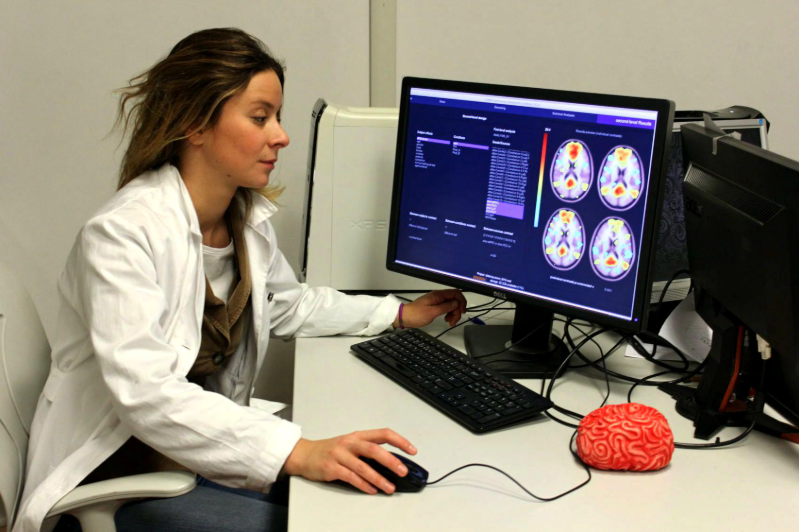
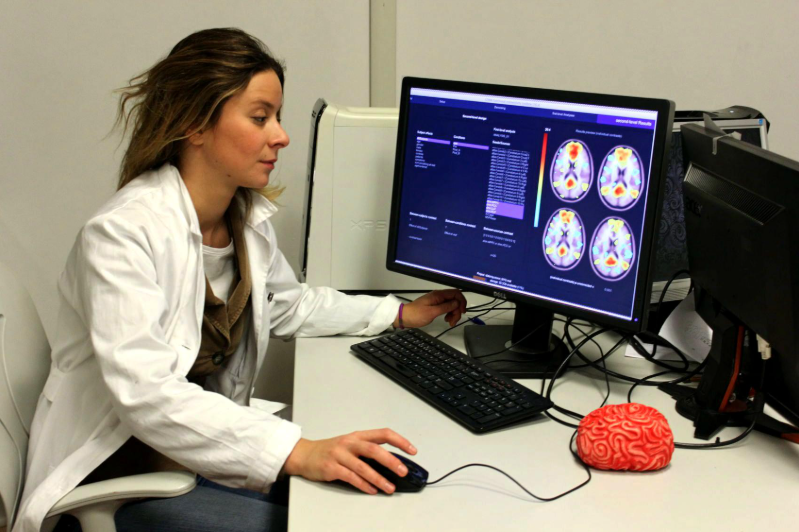
Treatment-resistant depression is a serious condition in which symptoms persist despite trying appropriate treatments. It can affect sleep, energy, concentration, relationships and the ability to manage everyday responsibilities. Deep brain stimulation is an invasive procedure involving implanted electrodes that deliver electrical stimulation to specific brain circuits; it is being investigated for selected people with severe depression.
The reported research examined brain pathways associated with longer-lasting improvement after deep brain stimulation. Understanding which circuits are related to benefit may help researchers refine patient selection, treatment targeting and the assessment of response over time.
However, identifying pathways linked with improvement does not mean researchers have established a guaranteed treatment for depression. Deep brain stimulation remains a specialist intervention and is not suitable for most people with depression. The procedure requires careful clinical assessment, discussion of risks and continued follow-up.
People experiencing persistent depression should seek professional support. Evidence-based treatments may include psychotherapy, medication and other specialist interventions depending on the person's symptoms and medical history. Anyone at immediate risk of self-harm should seek urgent local emergency or crisis support.
Story Photo Gallery
Dr. Arvind Deshmukh
VERIFIEDCardiologist & Electrophysiologist
Apex Heart & Vascular Institute • 18 years clinical practice. Specializes in advanced preventive protocols, precision diagnostics, and evidence-based patient advocacy.
Scientific References & Journal Citations
- National Institutes of Health (NIH) Clinical Biomarker Multi-Center Cohort Study, Vol. 48, 2026.
- Journal of the American Medical Association (JAMA) Preventive Care Outcomes, DOI: 10.1001/jama.2026.0482.
- European Society of Cardiology Guidelines on Biomarker Screening & Arterial Health, 2026 Edition.
Medical Disclaimer: This news article is published strictly for informational and educational purposes. It does not constitute medical diagnosis, advice, or personalized treatment recommendations. Always seek the advice of your physician or other qualified health provider with any questions regarding a medical condition.