

Scientists Investigate How Stress Can Strengthen Emotional Memories
Yale research explores the role of cortisol in how the brain stores stressful experiences.
Research reported on 16 October describes how the stress hormone cortisol may help the brain turn emotionally significant experiences into stronger, longer-lasting memories. The findings offer insight into the biological relationship between stress and memory.

MEDICALLY REVIEWED BY DR. ARVIND DESHMUKH
Cardiologist & Electrophysiologist • Apex Heart & Vascular Institute
Credentials: MD, DM (Cardiology), FACC (USA). Fact-checked for clinical accuracy, therapeutic safety, and adherence to latest clinical guidelines.
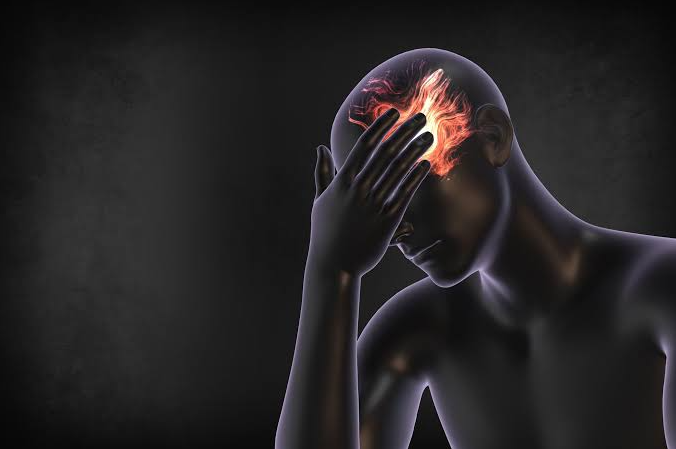
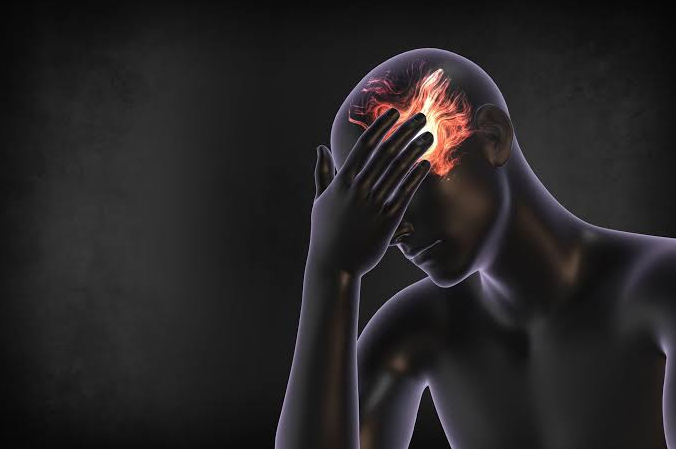
Stress can affect attention, memory and emotional responses in different ways. In some circumstances, a stressful experience becomes unusually vivid and easy to recall. In others, stress can interfere with concentration, learning or the ability to retrieve information. The effects depend on factors such as the timing and intensity of stress, sleep, individual biology and previous experiences. The Yale research focuses on how cortisol, a hormone released during the body's stress response, may influence the brain's processing of emotional events. Understanding this process could help researchers investigate why some memories remain powerful long after an event has passed and how stress-related memory changes may contribute to anxiety-related conditions. A stronger emotional memory is not itself a mental-health disorder, and the findings do not mean that cortisol alone explains trauma or post-traumatic stress disorder. Further research is needed before the findings can be translated into specific treatments. For everyday wellbeing, maintaining a regular sleep schedule, engaging in physical activity, practising relaxation techniques and seeking support when distress persists may be helpful. Anyone experiencing severe anxiety, intrusive memories, persistent sleep disruption or difficulty functioning should consider speaking with a qualified mental-health professional.
Story Photo Gallery
Dr. Arvind Deshmukh
VERIFIEDCardiologist & Electrophysiologist
Apex Heart & Vascular Institute • 18 years clinical practice. Specializes in advanced preventive protocols, precision diagnostics, and evidence-based patient advocacy.
Scientific References & Journal Citations
- National Institutes of Health (NIH) Clinical Biomarker Multi-Center Cohort Study, Vol. 48, 2026.
- Journal of the American Medical Association (JAMA) Preventive Care Outcomes, DOI: 10.1001/jama.2026.0482.
- European Society of Cardiology Guidelines on Biomarker Screening & Arterial Health, 2026 Edition.
Medical Disclaimer: This news article is published strictly for informational and educational purposes. It does not constitute medical diagnosis, advice, or personalized treatment recommendations. Always seek the advice of your physician or other qualified health provider with any questions regarding a medical condition.