

Social Media Detox Research Leaves Important Questions About Youth Mental Health Unresolved
A new review examines whether temporarily reducing social media use reliably improves psychological well-being in young people.
Research reported on 16 October 2026 examined the evidence behind social media detox programs and their effects on youth mental health. The review found that important questions remain unresolved, including which young people benefit, how long changes in social media use need to last, and which psychological outcomes improve. The findings suggest that a universal social media break should not be treated as a proven solution for every mental health problem.

MEDICALLY REVIEWED BY DR. ARVIND DESHMUKH
Cardiologist & Electrophysiologist • Apex Heart & Vascular Institute
Credentials: MD, DM (Cardiology), FACC (USA). Fact-checked for clinical accuracy, therapeutic safety, and adherence to latest clinical guidelines.
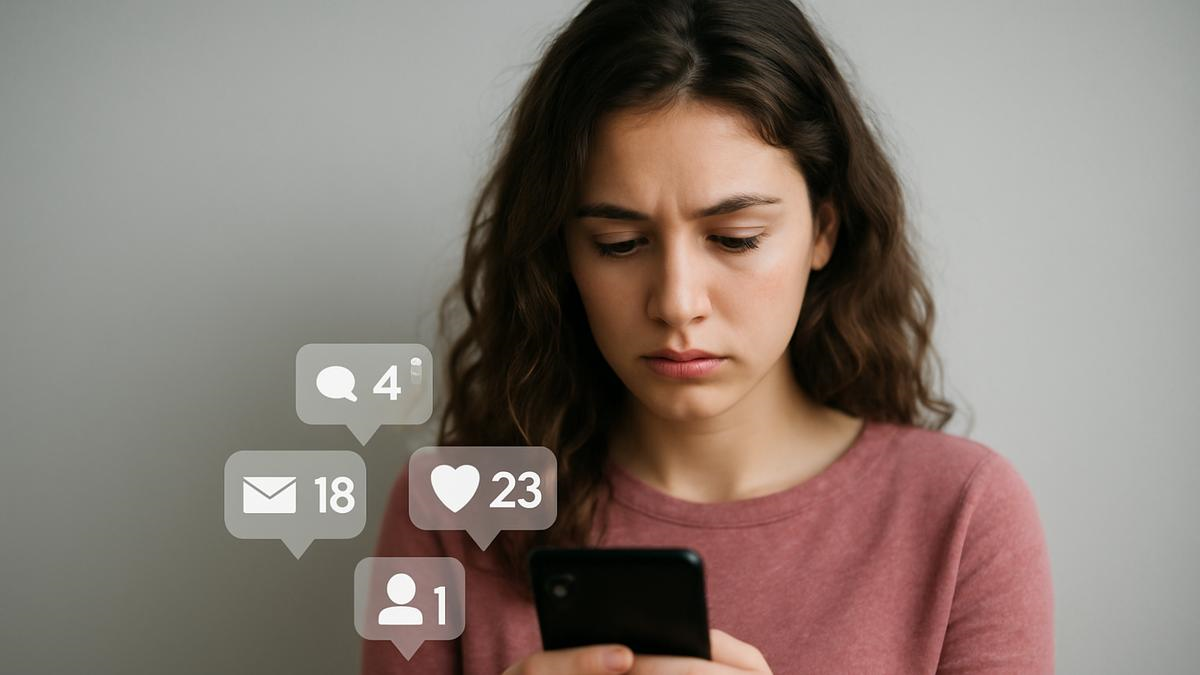
Social media is an important part of communication, education, entertainment, and social interaction for many young people. However, concerns have emerged about how certain patterns of use may affect sleep, mood, self-esteem, attention, and exposure to harmful content. A social media detox generally involves temporarily reducing or stopping the use of selected platforms. Some programs encourage complete abstinence, while others focus on limiting screen time, disabling notifications, or changing how and when social media is used. Research reported on 16 October 2026 examined the evidence supporting these approaches in relation to youth mental health. The findings suggest that the benefits of social media detox programs remain uncertain and may differ between individuals. Social media use is not a single, uniform exposure. Passive scrolling, supportive conversations, educational use, cyberbullying, social comparison, and exposure to distressing material can have very different effects. The relationship between social media and mental health can also operate in both directions. Distressed young people may use social media differently, while certain online experiences may contribute to distress in some circumstances. Observational associations alone cannot determine which factor caused the other. Sleep disruption is one potential pathway of concern, especially when nighttime device use delays bedtime or interrupts sleep. Poor sleep can affect concentration, emotional regulation, school performance, and overall well-being. A more individualized approach may therefore be more useful than assuming that complete abstinence is necessary for everyone. Families and clinicians can consider sleep patterns, online safety, daily functioning, emotional symptoms, and whether digital activity is displacing physical activity or in-person relationships. Medical significance: The findings reinforce the need for better research into which digital-use strategies help which young people. Persistent anxiety, depression, withdrawal from daily activities, or major sleep changes warrant appropriate assessment rather than relying solely on a social media detox.
Story Photo Gallery
Dr. Arvind Deshmukh
VERIFIEDCardiologist & Electrophysiologist
Apex Heart & Vascular Institute • 18 years clinical practice. Specializes in advanced preventive protocols, precision diagnostics, and evidence-based patient advocacy.
Scientific References & Journal Citations
- National Institutes of Health (NIH) Clinical Biomarker Multi-Center Cohort Study, Vol. 48, 2026.
- Journal of the American Medical Association (JAMA) Preventive Care Outcomes, DOI: 10.1001/jama.2026.0482.
- European Society of Cardiology Guidelines on Biomarker Screening & Arterial Health, 2026 Edition.
Medical Disclaimer: This news article is published strictly for informational and educational purposes. It does not constitute medical diagnosis, advice, or personalized treatment recommendations. Always seek the advice of your physician or other qualified health provider with any questions regarding a medical condition.