

Targeting Specific Brain Circuits May Improve Treatment Outcomes for Severe Depression
Research explores how the precise location of deep brain stimulation could influence sustained improvement in treatment-resistant depression.
Researchers reported that stimulating specific brain connections was associated with sustained improvement in people receiving deep brain stimulation for treatment-resistant depression. The findings suggest that the location and connectivity of stimulation may be important in determining clinical outcomes. The work could help refine future neuromodulation approaches, although deep brain stimulation remains a specialized intervention rather than a routine treatment for depression.

MEDICALLY REVIEWED BY DR. ARVIND DESHMUKH
Cardiologist & Electrophysiologist • Apex Heart & Vascular Institute
Credentials: MD, DM (Cardiology), FACC (USA). Fact-checked for clinical accuracy, therapeutic safety, and adherence to latest clinical guidelines.
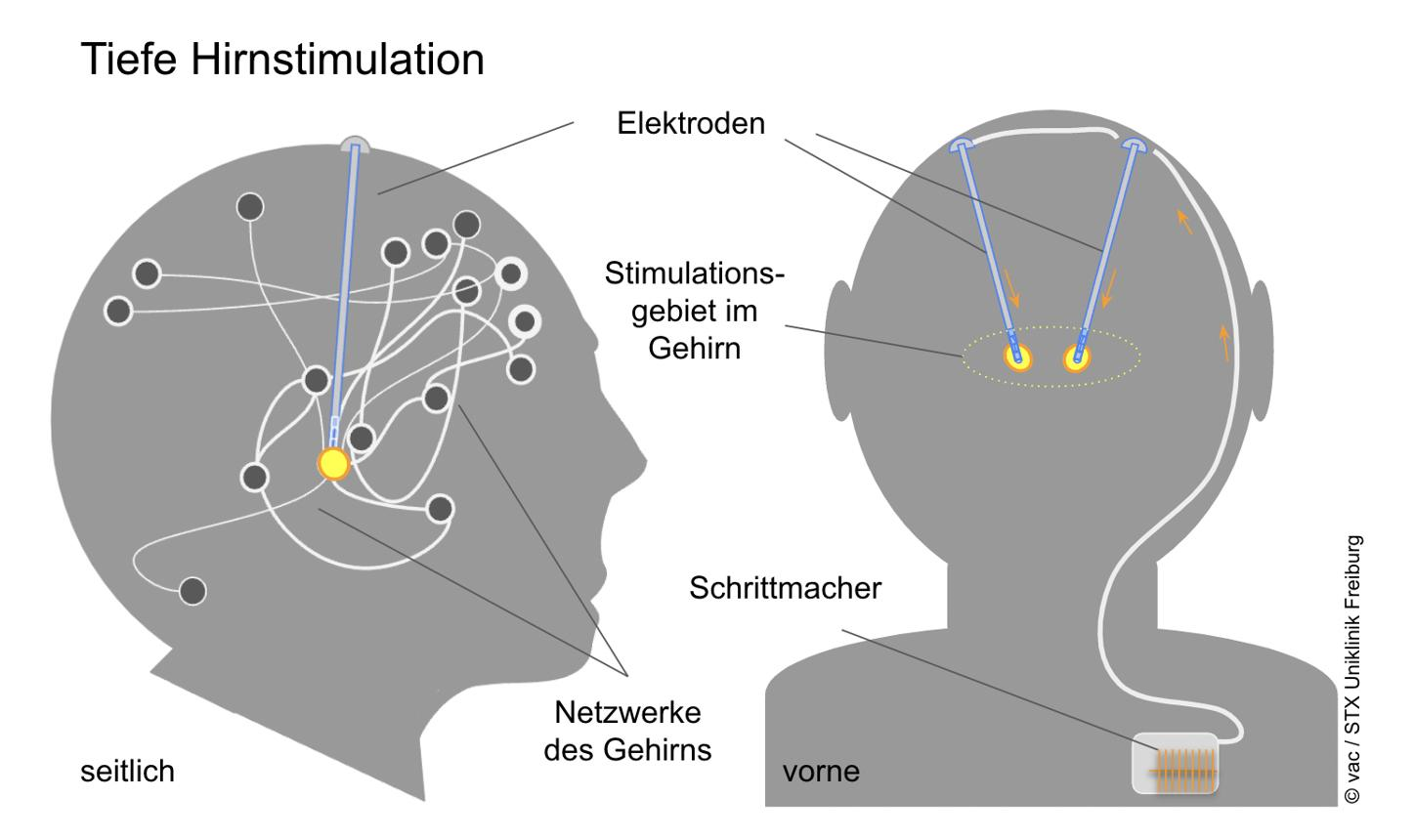
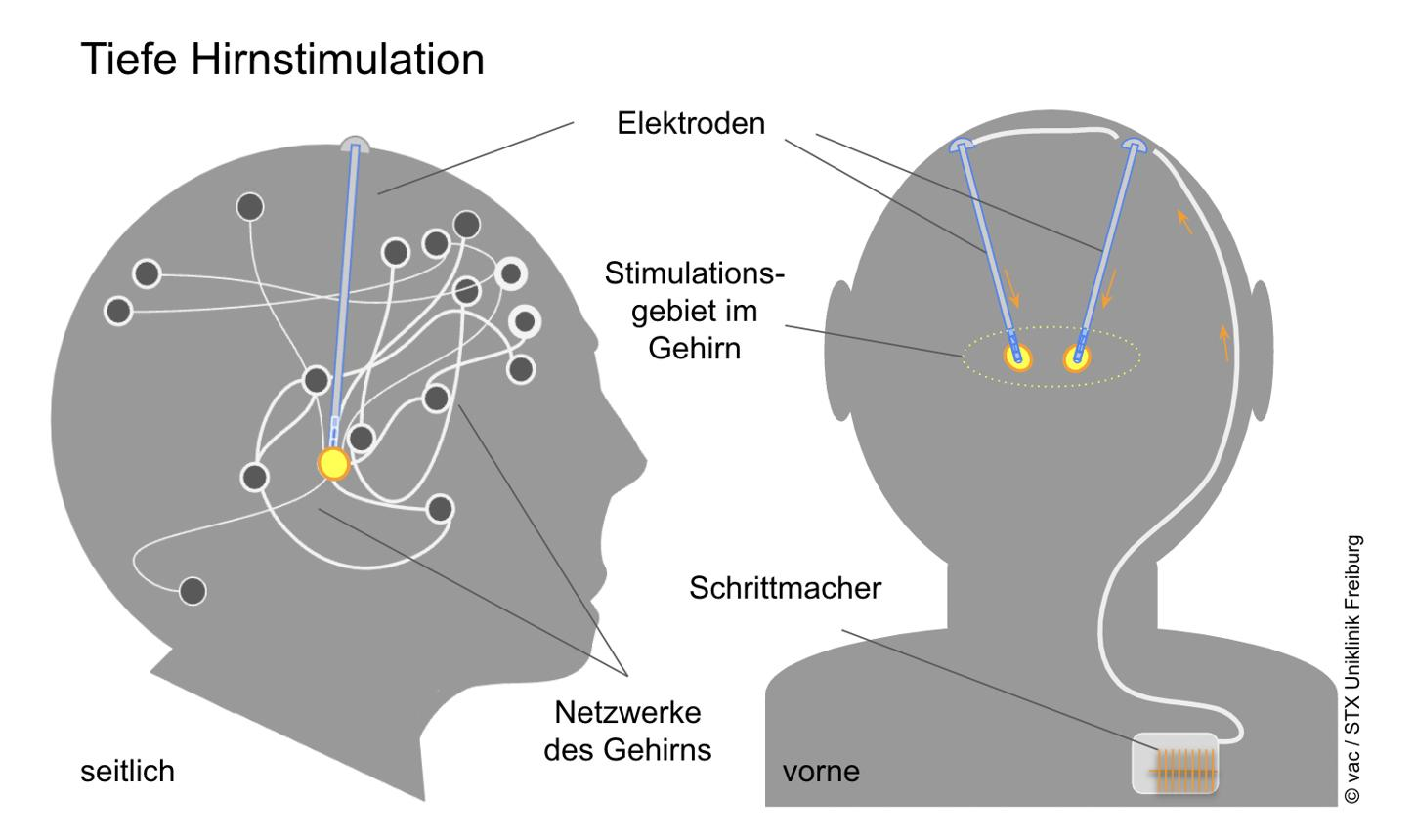
Major depressive disorder can cause persistent low mood, loss of interest, fatigue, sleep disturbances, difficulty concentrating, feelings of worthlessness, and changes in appetite. Severe or prolonged depression can interfere with work, relationships, self-care, and physical health. Many patients improve with evidence-based treatments such as psychotherapy, antidepressant medication, or a combination of both. However, some people continue to experience severe symptoms despite receiving several appropriate treatments. This is often described as treatment-resistant depression. Deep brain stimulation (DBS) is a specialized neuromodulation technique in which electrodes are surgically implanted in selected brain regions. Electrical stimulation is then delivered through an implanted device to influence neural activity. Although DBS is established for certain neurological disorders, its use for depression remains an area of ongoing research and is not a standard treatment for most patients with depression. Research reported on 14 October 2026 examined the relationship between specific brain-circuit stimulation and sustained improvement among people receiving DBS for treatment-resistant depression. The findings suggest that the connections influenced by stimulation may be important in explaining differences in treatment response. Brain circuits consist of interconnected regions that participate in mood regulation, motivation, reward processing, and cognitive control. Targeting the appropriate network may help researchers improve the precision of neuromodulation and better understand why some patients respond while others do not. However, the findings should not be interpreted as proof that a single stimulation target will work for everyone. Treatment-resistant depression is biologically and clinically complex, and treatment response can vary with individual characteristics, illness history, and other factors. Medical significance: The research may help improve future treatment strategies for people whose depression has not responded to conventional care. Patients should seek assessment from qualified mental health professionals before considering experimental interventions. Anyone experiencing thoughts of self-harm or suicide should seek urgent support from local emergency services or a crisis service.
Story Photo Gallery
Dr. Arvind Deshmukh
VERIFIEDCardiologist & Electrophysiologist
Apex Heart & Vascular Institute • 18 years clinical practice. Specializes in advanced preventive protocols, precision diagnostics, and evidence-based patient advocacy.
Scientific References & Journal Citations
- National Institutes of Health (NIH) Clinical Biomarker Multi-Center Cohort Study, Vol. 48, 2026.
- Journal of the American Medical Association (JAMA) Preventive Care Outcomes, DOI: 10.1001/jama.2026.0482.
- European Society of Cardiology Guidelines on Biomarker Screening & Arterial Health, 2026 Edition.
Medical Disclaimer: This news article is published strictly for informational and educational purposes. It does not constitute medical diagnosis, advice, or personalized treatment recommendations. Always seek the advice of your physician or other qualified health provider with any questions regarding a medical condition.