

WHO Advances Quality Standards for Herbal Medicines, Strengthening Safety and Scientific Evaluation
International efforts focus on improving herbal medicine quality, standardisation, safety, and reliable evaluation of traditional healthcare products.
The World Health Organization advanced discussions on quality standards for herbal medicines during an expert meeting in Hong Kong, China, reported on 23 November 2026. The initiative highlights the importance of reliable standards, accurate identification of medicinal plants, quality control, and safety evaluation for herbal healthcare products.

MEDICALLY REVIEWED BY DR. ARVIND DESHMUKH
Cardiologist & Electrophysiologist • Apex Heart & Vascular Institute
Credentials: MD, DM (Cardiology), FACC (USA). Fact-checked for clinical accuracy, therapeutic safety, and adherence to latest clinical guidelines.
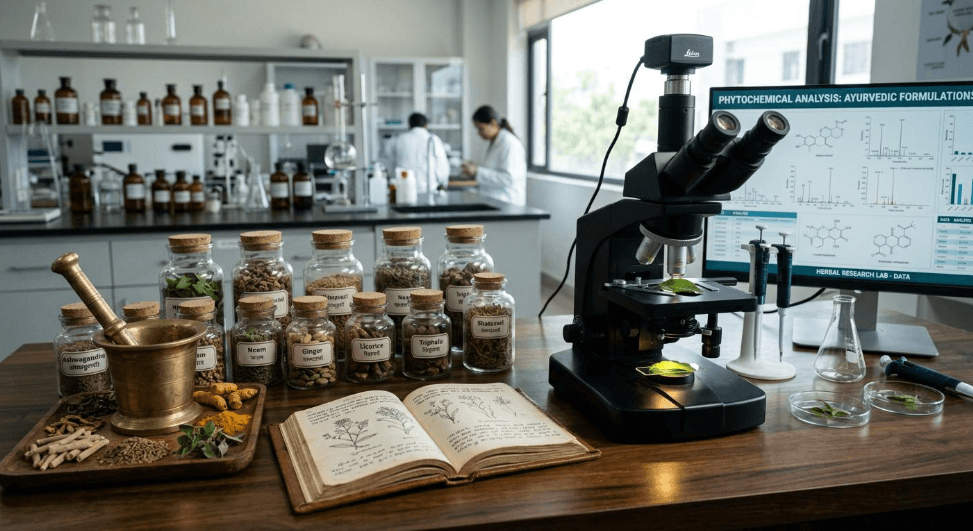
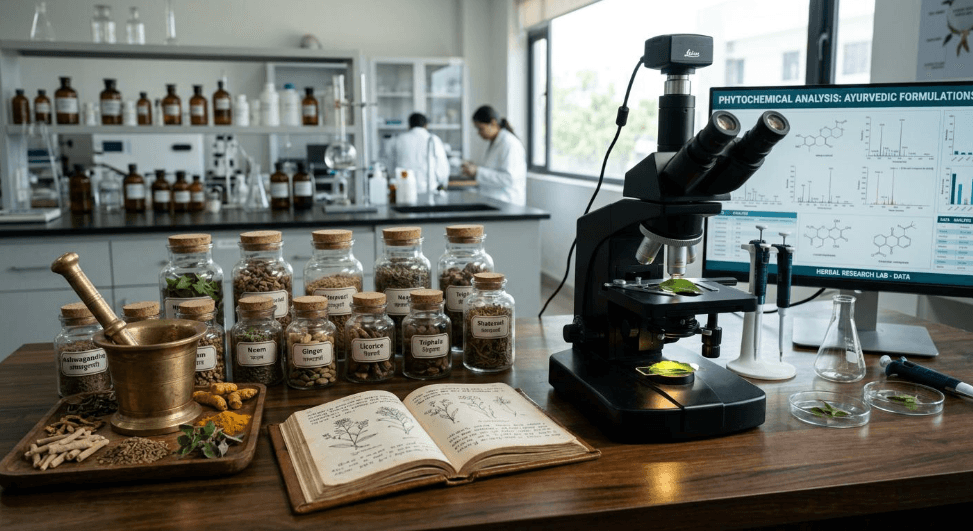
Herbal medicines are used in traditional healthcare systems around the world, including Ayurveda, traditional Chinese medicine, and other forms of traditional medicine.
Medicinal plants may contain several active chemical compounds. Their properties can vary depending on the species, plant part, cultivation conditions, harvesting methods, preparation, storage, and manufacturing process.
These differences can influence product quality and safety.
The World Health Organization is continuing work related to quality standards for herbal medicines. An expert meeting in Hong Kong, China, was reported on 23 November 2026, with discussions focused on developing and advancing quality standards for herbal medicines.
Quality standards are important because herbal products may differ considerably in composition and concentration.
Incorrect plant identification can lead to the use of unsuitable or potentially harmful substances.
Contamination may also occur through microbial organisms, pesticides, heavy metals, or other unwanted materials.
Standardisation and quality testing can help improve consistency between batches and strengthen consumer protection.
For Ayurveda, these developments are relevant because many traditional preparations contain plant-based ingredients.
Reliable standards can support accurate identification of medicinal plants, quality-controlled preparation, appropriate storage, and safer manufacturing.
However, quality standards do not automatically prove that a herbal medicine is effective for treating a specific disease.
Clinical effectiveness must be established through appropriate research, and potential adverse effects must be considered.
Herbal medicines may interact with prescription medicines and can cause complications in certain individuals, including pregnant women, people with liver or kidney conditions, and those taking multiple medications.
Healthcare professionals should be informed about any herbal products a patient uses.
The WHO initiative highlights the importance of strengthening scientific quality, safety, and standardisation across the traditional medicine sector.
Story Photo Gallery
Dr. Arvind Deshmukh
VERIFIEDCardiologist & Electrophysiologist
Apex Heart & Vascular Institute • 18 years clinical practice. Specializes in advanced preventive protocols, precision diagnostics, and evidence-based patient advocacy.
Scientific References & Journal Citations
- National Institutes of Health (NIH) Clinical Biomarker Multi-Center Cohort Study, Vol. 48, 2026.
- Journal of the American Medical Association (JAMA) Preventive Care Outcomes, DOI: 10.1001/jama.2026.0482.
- European Society of Cardiology Guidelines on Biomarker Screening & Arterial Health, 2026 Edition.
Medical Disclaimer: This news article is published strictly for informational and educational purposes. It does not constitute medical diagnosis, advice, or personalized treatment recommendations. Always seek the advice of your physician or other qualified health provider with any questions regarding a medical condition.