

Nutrition Calculator
Calculate personalized daily targets for calories, protein, carbohydrates, healthy fats, and dietary fiber based on your wellness goals.
Important Clinical & Educational Notice
This health tool is engineered exclusively for general wellness, fitness, and educational orientation. Calculations are estimates based on standard population formulas and do not constitute personalized medical evaluation, diagnosis, prescription, or clinical treatment. Always consult certified physicians or registered dietitians before initiating significant dietary, fitness, or therapeutic changes.
Macronutrient Energy Density & Distribution
Human energy metabolism is fueled by three primary macronutrients, each with specific energetic densities established in nutritional biochemistry:
- •Protein: 4 kcal per gram (essential for enzymatic function, immune health, and muscular repair).
- •Carbohydrates: 4 kcal per gram (primary glycogen source for central nervous system and high-intensity glycolytic training).
- •Dietary Fats: 9 kcal per gram (critical for steroid hormone synthesis, cellular membranes, and fat-soluble vitamin absorption).
- •Dietary Fiber: Recommended 14 grams per 1,000 kcal to maintain glycemic stability and microbiome diversity.
Limitations & Considerations
While clinical formulas provide valuable reference ranges, biological individuality plays a critical role in human physiology.
- •Macronutrient splits should be customized for specific metabolic conditions (e.g., ketogenic, diabetic, or renal protocols).
- •Whole-food nutrient density and micronutrient intake (vitamins and minerals) are as vital as raw macronutrient gram totals.
- •Chronic kidney disease patients may require restricted protein intake under medical supervision.
Related HealthGuru Video Guides & Demos

🌱💧🏃♂️ Better health begins with simple everyday choices! ✨ From starting your day with a refreshing glass of water �...
🌱💧🏃♂️ Better health begins with simple everyday choices! ✨ From starting your day with a refreshing glass of water 🥤 and eating nutritious foods 🥗 to staying physically active 🏋️♂️, taking mindful breaks 🧘♀️,...

🥗💧🏋️♂️ Want to maintain good health and feel your absolute best? 💪✨ Discover the key habits for a happier life, fro...
🥗💧🏋️♂️ Want to maintain good health and feel your absolute best? 💪✨ Discover the key habits for a happier life, from eating a balanced diet rich in fruits and vegetables to staying hydrated, exercising regularly,...

🍎🍌🍉🥭🍊 Ever wonder when is the best time to eat your favorite fruits? 🕒✨ Timing is everything when it comes to gett...
🍎🍌🍉🥭🍊 Ever wonder when is the best time to eat your favorite fruits? 🕒✨ Timing is everything when it comes to getting the most out of your healthy snacks! 😋💚 From an energy-boosting banana for your workout...
Related Clinical Articles & Insights
 Nutrition
Eating Late at Night Linked to Higher Liver-Disease Risk in a Large Study
ScienceDaily reported on 15 October on a study led by Oregon Health & Science University that examined late-night eating and liver-disease risk using data from nearly 200,000 people. The report describes an association, not proof that late eating directly causes liver disease.
 Nutrition
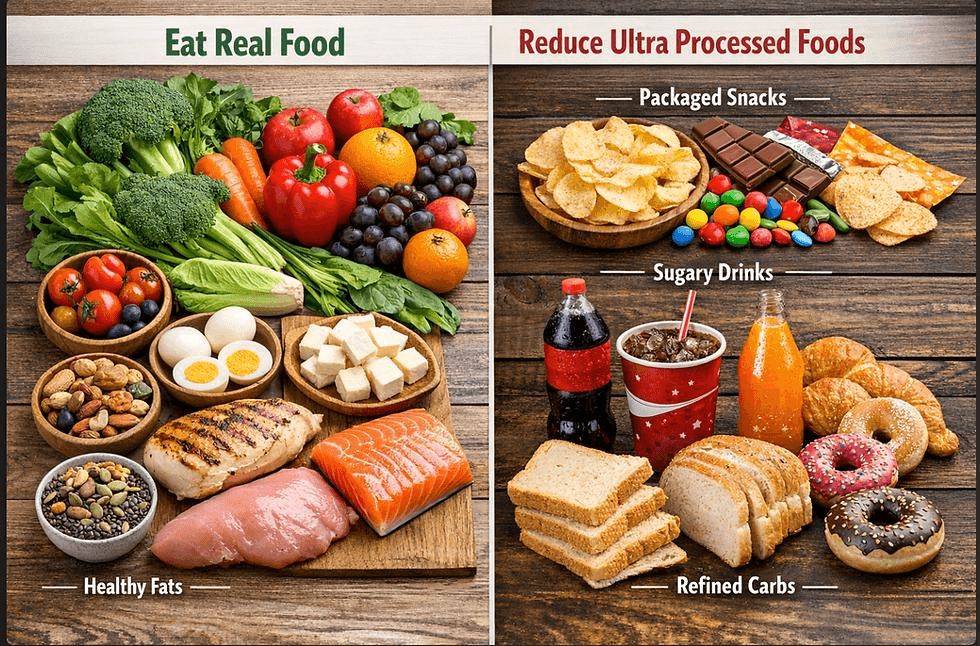
High Ultra-Processed Food Intake Linked to Possible Signs of Silent Brain Injury
Research reported on 16 October 2026 found that healthy adults who consumed higher amounts of ultra-processed foods showed a greater prevalence of imaging signs associated with silent strokes. These changes can occur without obvious neurological symptoms but may be relevant to long-term brain health. The findings suggest a possible association between dietary patterns and small-vessel brain injury, although they do not prove that ultra-processed foods directly cause strokes.
 Nutrition
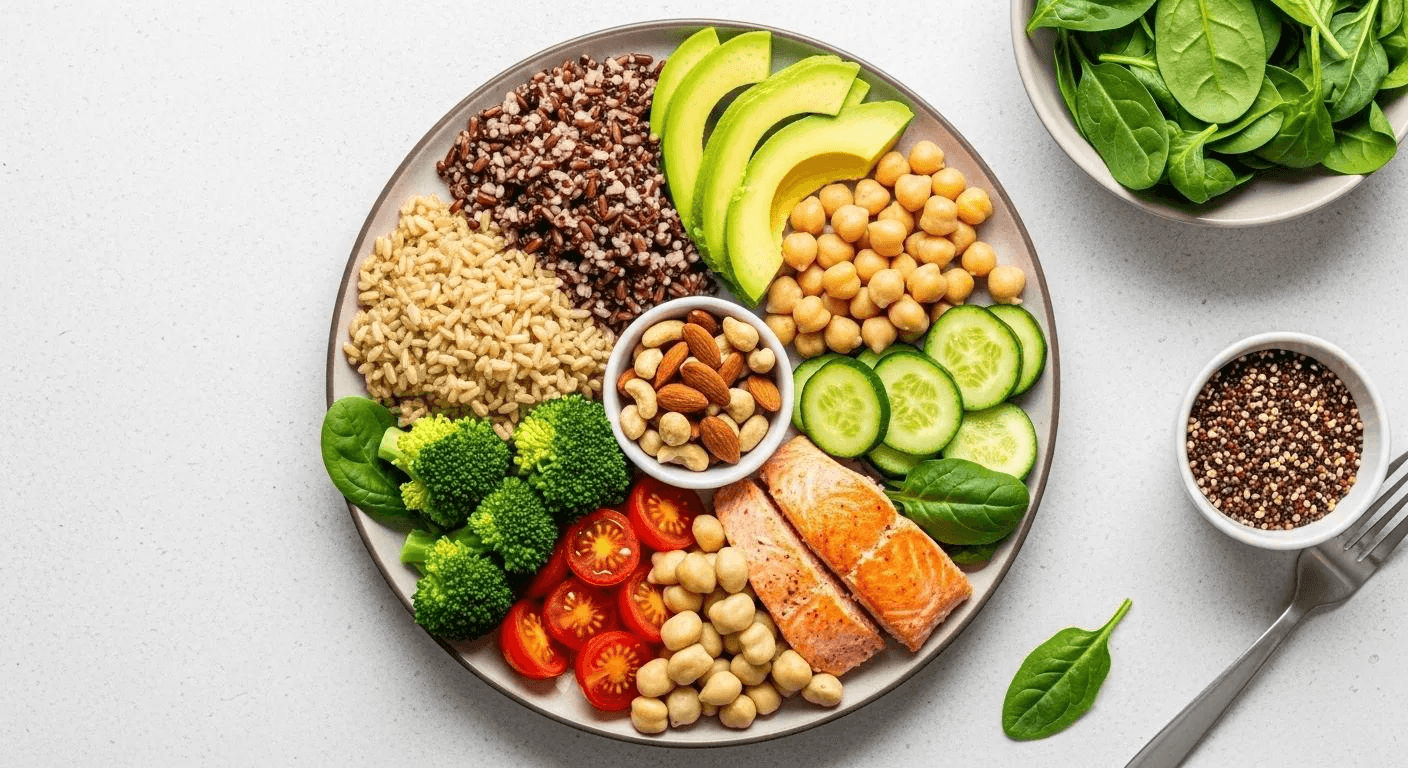
Protein and Dietary Fiber May Influence Hunger Through Different Digestive Hormones
Recent health reporting examined why protein-rich foods may help people feel full for longer and how digestive hormones influence appetite. Protein and fiber can affect satiety through different mechanisms, including changes in digestion and signaling involving hormones such as GLP-1, PYY, and ghrelin. These effects may help support weight management, although the impact depends on the whole dietary pattern, individual health, and total energy intake.
Explore More Health Tools
BMI Calculator
Calculate your Body Mass Index using your height and weight.
BMR Calculator
Estimate your Basal Metabolic Rate using the Mifflin-St Jeor equation.
Calorie Calculator
Calculate your estimated daily calorie needs based on physical activity.
Water Intake Calculator
Estimate your daily fluid and hydration needs based on weight and activity.