

Ayurveda's Role in Preventive Healthcare Draws Attention to Safe Integration With Modern Medicine
Health authorities emphasise responsible use of traditional medicine, evidence-based practice, and appropriate medical supervision.
At an Ayurveda Day event in Suva on 24 September 2026, Fiji's health leadership highlighted Ayurveda's potential contribution to preventive healthcare, healthy living, and overall well-being. The discussion emphasised responsible use of traditional medicine. The development also raises an important consideration for patients: traditional approaches should be assessed for safety and used appropriately alongside, rather than as an unproven substitute for, necessary medical treatment.

MEDICALLY REVIEWED BY DR. ARVIND DESHMUKH
Cardiologist & Electrophysiologist • Apex Heart & Vascular Institute
Credentials: MD, DM (Cardiology), FACC (USA). Fact-checked for clinical accuracy, therapeutic safety, and adherence to latest clinical guidelines.
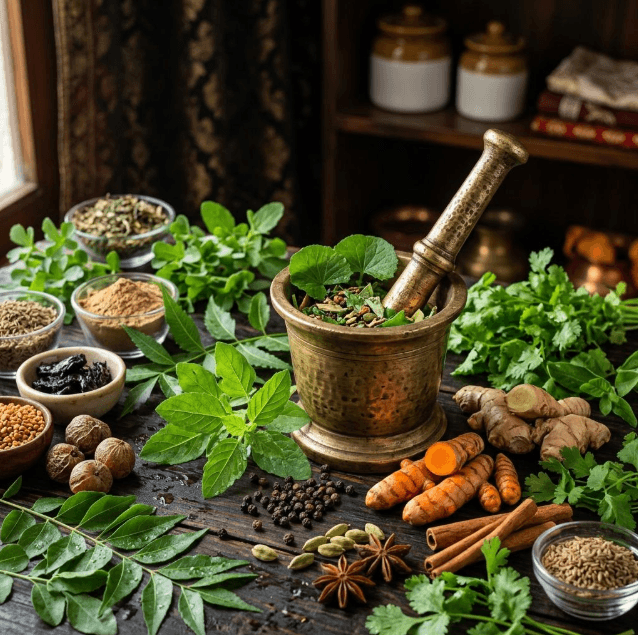
Ayurveda is a traditional system of medicine that originated in India and includes approaches involving diet, daily routines, physical practices, and herbal preparations. Its continued use has generated interest in how traditional healthcare practices may contribute to preventive health and general well-being.
At an Ayurveda Day event in Suva, Fiji, on 24 September 2026, the country's health leadership highlighted the potential contribution of Ayurveda to healthy living and preventive healthcare.
The discussion reflects wider interest in integrating traditional healthcare practices into modern health systems while paying attention to patient safety and the available scientific evidence.
Some lifestyle practices associated with traditional systems, such as maintaining regular routines, eating balanced meals, and incorporating appropriate physical activity, may support general health. However, the effectiveness of individual Ayurvedic treatments depends on the specific intervention and the condition being treated. Benefits should not be assumed without reliable evidence.
Herbal preparations also require careful consideration. Products may vary in composition, strength, purity, and quality. Some can interact with prescription medicines or cause adverse effects. Certain poorly manufactured or contaminated traditional preparations may contain harmful levels of heavy metals.
People with chronic conditions such as diabetes, cardiovascular disease, kidney disease, or cancer should be particularly careful when considering herbal products. Replacing prescribed medicines with unproven treatments can delay effective care and increase the risk of complications.
Patients should inform their healthcare professionals about all traditional remedies and supplements they use. This helps clinicians assess potential interactions and make safer treatment decisions.
The main public-health message is that traditional medicine can be discussed within a responsible healthcare framework, but claims about treating or curing serious diseases must be supported by appropriate evidence.
Story Photo Gallery
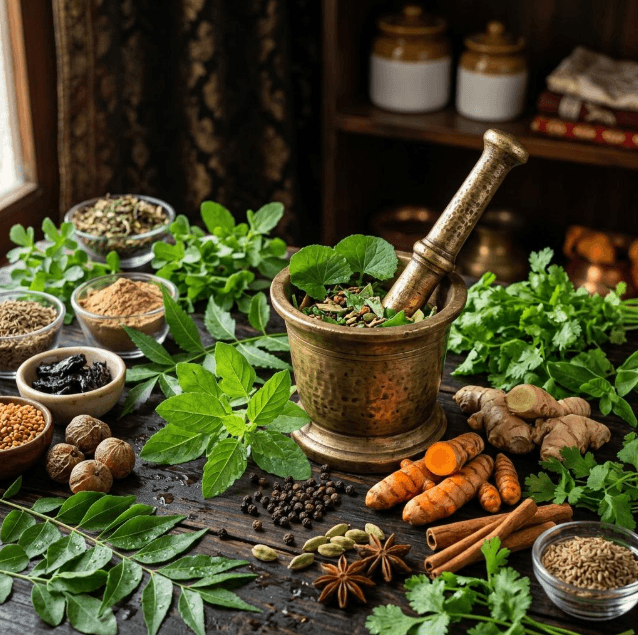
Dr. Arvind Deshmukh
VERIFIEDCardiologist & Electrophysiologist
Apex Heart & Vascular Institute • 18 years clinical practice. Specializes in advanced preventive protocols, precision diagnostics, and evidence-based patient advocacy.
Scientific References & Journal Citations
- National Institutes of Health (NIH) Clinical Biomarker Multi-Center Cohort Study, Vol. 48, 2026.
- Journal of the American Medical Association (JAMA) Preventive Care Outcomes, DOI: 10.1001/jama.2026.0482.
- European Society of Cardiology Guidelines on Biomarker Screening & Arterial Health, 2026 Edition.
Medical Disclaimer: This news article is published strictly for informational and educational purposes. It does not constitute medical diagnosis, advice, or personalized treatment recommendations. Always seek the advice of your physician or other qualified health provider with any questions regarding a medical condition.