

Hospital Delirium Linked to Long-Term Cognitive Decline, Medical Research Highlights
Acute confusion during hospitalisation may be associated with lasting difficulties in memory, attention, and cognitive functioning.
A JAMA medical news report published on 20 November 2026 highlights research into the relationship between delirium during hospitalisation and long-term cognitive decline. Delirium is an acute disturbance in attention and awareness that can develop during serious illness or hospital treatment, particularly among older adults. The findings reinforce the importance of early recognition and appropriate hospital care.

MEDICALLY REVIEWED BY DR. ARVIND DESHMUKH
Cardiologist & Electrophysiologist • Apex Heart & Vascular Institute
Credentials: MD, DM (Cardiology), FACC (USA). Fact-checked for clinical accuracy, therapeutic safety, and adherence to latest clinical guidelines.
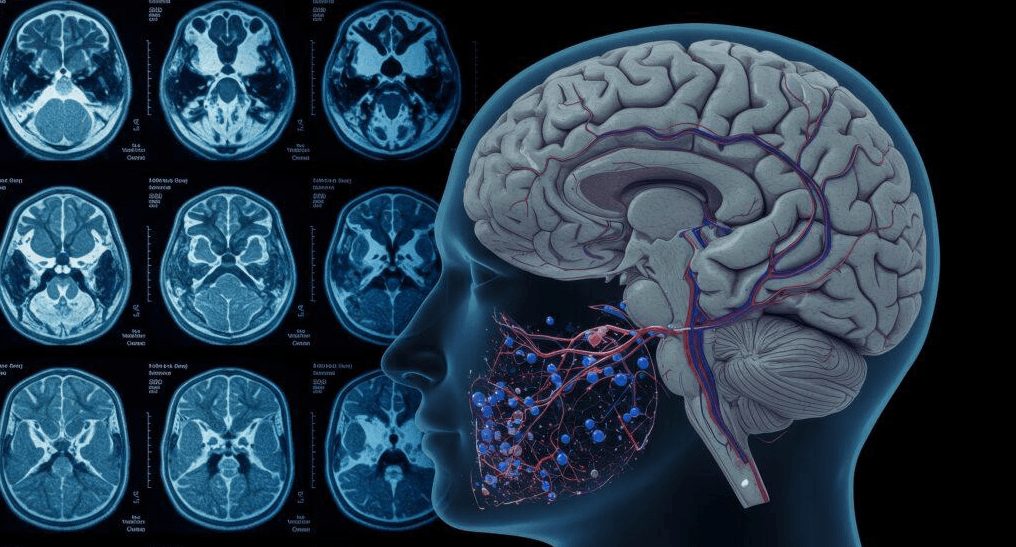
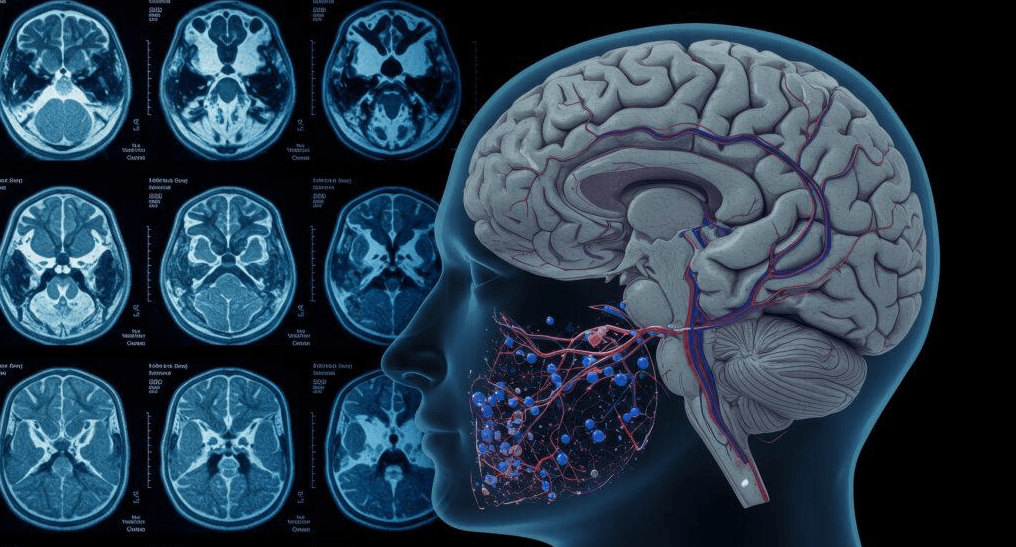
Delirium is a medical condition characterised by a sudden change in attention, awareness, and thinking. It can develop over hours or days and may fluctuate throughout the day.
Unlike slowly progressing neurological conditions, delirium often appears suddenly. A previously alert patient may become confused, disoriented, restless, unusually sleepy, or unable to concentrate.
Older adults are particularly vulnerable, especially when they are admitted to hospitals with infections, dehydration, surgery-related complications, or other serious illnesses.
A JAMA medical news report published on 20 November 2026 highlighted research examining the relationship between delirium during hospitalisation and long-term cognitive decline.Delirium can affect several aspects of brain function, including attention, memory, perception, and the ability to understand surroundings.
Possible contributing factors include infections, medication effects, electrolyte imbalances, lack of sleep, pain, dehydration, and metabolic disturbances.
The relationship between delirium and long-term cognitive decline is an important area of neurological research. However, an association does not automatically prove that delirium directly causes permanent brain damage in every patient.
Some patients recover fully, while others experience persistent cognitive difficulties. Pre-existing dementia, overall health, severity of illness, and the underlying cause of delirium can influence recovery.
Hospital teams can help reduce the risk through early identification of contributing conditions, appropriate medication review, adequate hydration, sleep support, mobility, and orientation measures.
Family members can also help by communicating changes in a patient's normal behaviour and mental state.
Sudden confusion should never be dismissed as a normal part of ageing. It requires prompt medical assessment because some underlying causes are treatable and potentially serious.
Story Photo Gallery
Dr. Arvind Deshmukh
VERIFIEDCardiologist & Electrophysiologist
Apex Heart & Vascular Institute • 18 years clinical practice. Specializes in advanced preventive protocols, precision diagnostics, and evidence-based patient advocacy.
Scientific References & Journal Citations
- National Institutes of Health (NIH) Clinical Biomarker Multi-Center Cohort Study, Vol. 48, 2026.
- Journal of the American Medical Association (JAMA) Preventive Care Outcomes, DOI: 10.1001/jama.2026.0482.
- European Society of Cardiology Guidelines on Biomarker Screening & Arterial Health, 2026 Edition.
Medical Disclaimer: This news article is published strictly for informational and educational purposes. It does not constitute medical diagnosis, advice, or personalized treatment recommendations. Always seek the advice of your physician or other qualified health provider with any questions regarding a medical condition.