

India Crosses One Crore HPV Vaccine Doses, Strengthening Cervical Cancer Prevention Among Girls
Nearly 87% of the annual eligible girl population has been covered, marking an important milestone in preventive healthcare.
Prime Minister Narendra Modi praised India's achievement of administering more than one crore doses of the HPV vaccine on 23 November 2026. According to an IANS report, the programme has covered nearly 87% of the annual cohort of eligible girls. HPV vaccination is an important preventive measure against infections that can cause cervical cancer.

MEDICALLY REVIEWED BY DR. ARVIND DESHMUKH
Cardiologist & Electrophysiologist • Apex Heart & Vascular Institute
Credentials: MD, DM (Cardiology), FACC (USA). Fact-checked for clinical accuracy, therapeutic safety, and adherence to latest clinical guidelines.
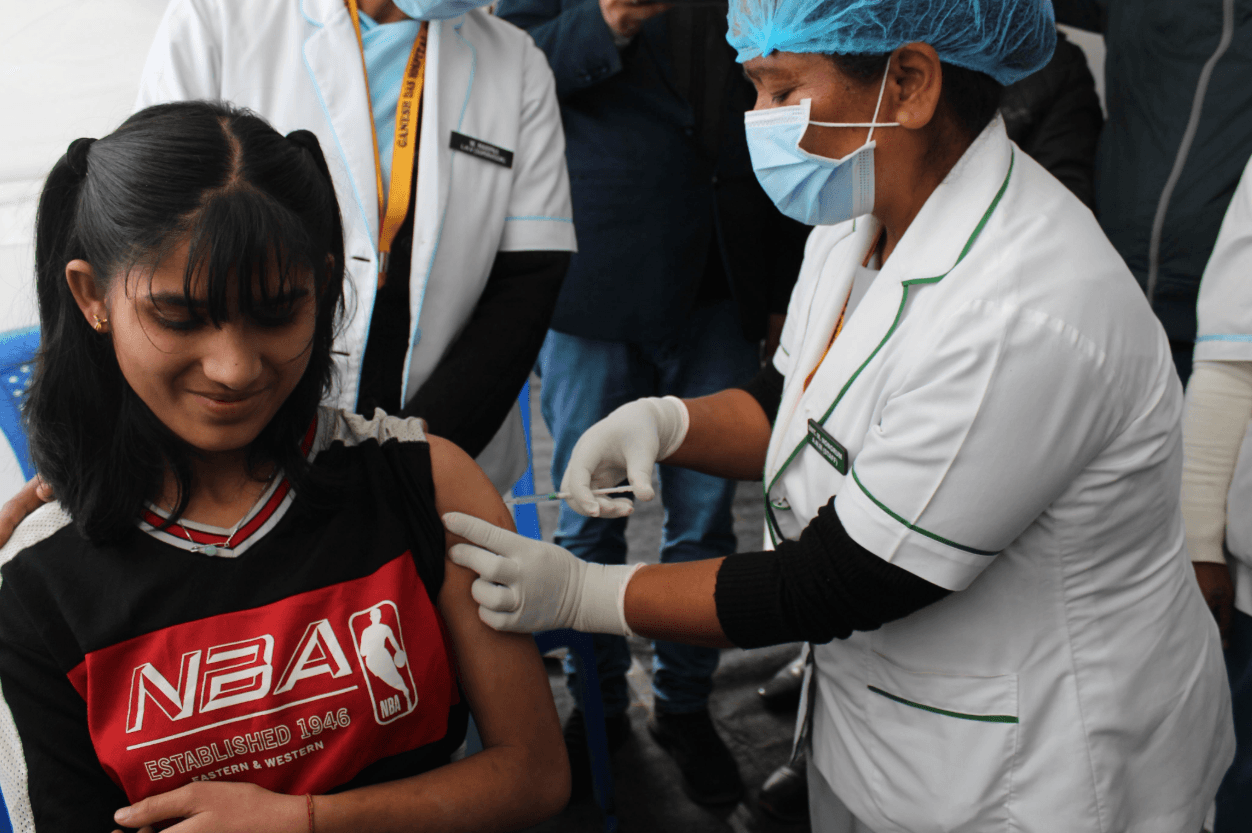
Human papillomavirus (HPV) is a group of viruses that can infect the skin and mucous membranes. Some high-risk HPV types can cause cervical cancer and other cancers affecting different parts of the body.
Cervical cancer remains an important women's health concern, particularly in countries where access to screening and preventive healthcare is limited.
India's HPV vaccination achievement is an important development in its efforts to reduce the future burden of cervical cancer.
On 23 November 2026, Prime Minister Narendra Modi praised the administration of more than one crore HPV vaccine doses in India. The report stated that the programme had covered nearly 87% of the annual cohort of eligible girls.
HPV vaccines help the immune system develop protection against specific virus types responsible for a significant proportion of cervical cancer cases.
Vaccination is most effective when administered before exposure to HPV. This is why national immunisation programmes generally focus on adolescent girls.
However, vaccination does not eliminate the need for cervical cancer screening later in life. Screening remains important because currently available vaccines do not protect against every HPV type capable of causing cervical cancer.
Persistent HPV infections can cause abnormal changes in cervical cells. Without appropriate monitoring and treatment, some of these changes may progress to cancer over several years.
Regular screening, vaccination, awareness of symptoms, and timely medical consultation are important components of prevention.
The Indian vaccination milestone highlights the importance of public-health programmes in protecting future generations. Healthcare workers, parents, schools, and communities all have an important role in improving awareness and vaccination coverage.
Story Photo Gallery
Dr. Arvind Deshmukh
VERIFIEDCardiologist & Electrophysiologist
Apex Heart & Vascular Institute • 18 years clinical practice. Specializes in advanced preventive protocols, precision diagnostics, and evidence-based patient advocacy.
Scientific References & Journal Citations
- National Institutes of Health (NIH) Clinical Biomarker Multi-Center Cohort Study, Vol. 48, 2026.
- Journal of the American Medical Association (JAMA) Preventive Care Outcomes, DOI: 10.1001/jama.2026.0482.
- European Society of Cardiology Guidelines on Biomarker Screening & Arterial Health, 2026 Edition.
Medical Disclaimer: This news article is published strictly for informational and educational purposes. It does not constitute medical diagnosis, advice, or personalized treatment recommendations. Always seek the advice of your physician or other qualified health provider with any questions regarding a medical condition.