

JAMA Publishes New Clinical Trial on Emergency Treatment for Severe Behavioural Disturbances in Children
Researchers compare two injectable medicines used to manage acute behavioural emergencies among children and adolescents in hospital emergency departments.
JAMA published a randomised clinical trial on 23 November 2026 examining intramuscular olanzapine and droperidol for managing acute behavioural disturbances in children and adolescents attending emergency departments. The PEAChY-M trial investigates treatment approaches for situations requiring urgent medical intervention. The research highlights the importance of evidence-based paediatric emergency care.

MEDICALLY REVIEWED BY DR. ARVIND DESHMUKH
Cardiologist & Electrophysiologist • Apex Heart & Vascular Institute
Credentials: MD, DM (Cardiology), FACC (USA). Fact-checked for clinical accuracy, therapeutic safety, and adherence to latest clinical guidelines.
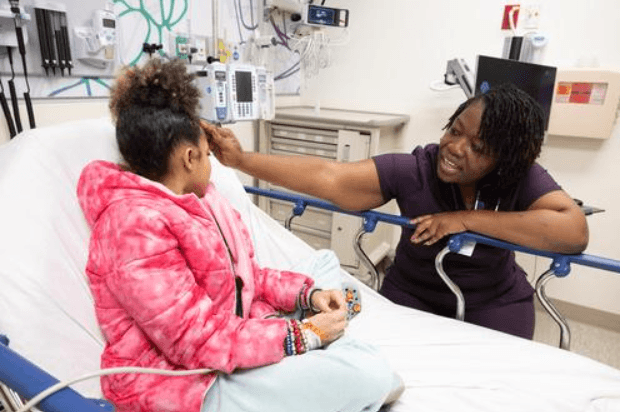
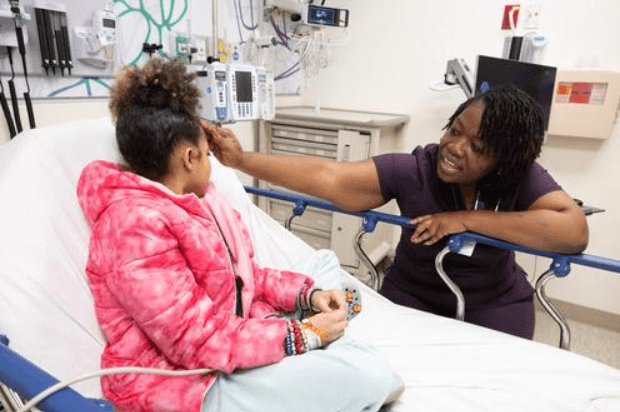
Children and adolescents may occasionally experience severe behavioural disturbances requiring urgent medical assessment. These episodes can occur in association with psychiatric conditions, neurological disorders, substance exposure, developmental difficulties, or other acute medical problems.
In emergency departments, healthcare professionals must manage such situations carefully while protecting the child, family members, and medical staff.
On 23 November 2026, JAMA published a randomised clinical trial titled Intramuscular Olanzapine or Droperidol for Acute Behavioural Disturbance in Children and Adolescents: The PEAChY-M Randomized Clinical Trial.
The research compares two injectable medicines used in emergency settings: olanzapine and droperidol. Both medicines act on the central nervous system and may be used by clinicians in selected circumstances to manage severe agitation.Acute agitation can involve extreme restlessness, aggressive behaviour, confusion, or an inability to cooperate with necessary medical assessment.
However, agitation should not automatically be classified as a psychiatric problem. Doctors must investigate possible underlying causes, including infections, metabolic disturbances, medication reactions, neurological conditions, and other medical emergencies.
Treatment decisions in children require particular caution because medication effects, appropriate dosages, and potential complications can differ from those in adults.
Clinical monitoring is important when injectable medicines are used. Healthcare teams may need to monitor consciousness, breathing, heart rhythm, and other vital signs depending on the medicine and the patient's condition.
The trial is important because evidence from adult emergency medicine cannot always be directly applied to younger patients.
Further examination of the findings can help clinicians understand the effectiveness and safety of available treatment approaches.
The publication highlights the need for specialised paediatric emergency protocols and appropriate mental-health support for children experiencing behavioural crises.
Story Photo Gallery
Dr. Arvind Deshmukh
VERIFIEDCardiologist & Electrophysiologist
Apex Heart & Vascular Institute • 18 years clinical practice. Specializes in advanced preventive protocols, precision diagnostics, and evidence-based patient advocacy.
Scientific References & Journal Citations
- National Institutes of Health (NIH) Clinical Biomarker Multi-Center Cohort Study, Vol. 48, 2026.
- Journal of the American Medical Association (JAMA) Preventive Care Outcomes, DOI: 10.1001/jama.2026.0482.
- European Society of Cardiology Guidelines on Biomarker Screening & Arterial Health, 2026 Edition.
Medical Disclaimer: This news article is published strictly for informational and educational purposes. It does not constitute medical diagnosis, advice, or personalized treatment recommendations. Always seek the advice of your physician or other qualified health provider with any questions regarding a medical condition.