

Lancet Commission Recommends a More Comprehensive Method for Diagnosing Obesity Beyond BMI Alone
Combining body mass index with additional body measurements may provide a more accurate assessment of excess body fat and health risks.
A HealthDay report published on 19 November highlighted the Lancet Commission's diagnostic framework for obesity. The framework recommends complementing body mass index (BMI) with additional anthropometric measurements to improve the identification and assessment of obesity.

MEDICALLY REVIEWED BY DR. ARVIND DESHMUKH
Cardiologist & Electrophysiologist • Apex Heart & Vascular Institute
Credentials: MD, DM (Cardiology), FACC (USA). Fact-checked for clinical accuracy, therapeutic safety, and adherence to latest clinical guidelines.
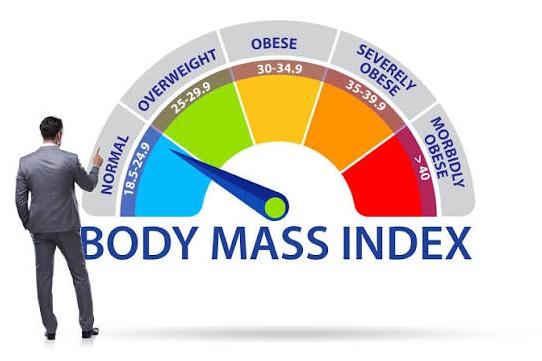
Obesity is a complex chronic health condition associated with an excessive accumulation of body fat that can negatively affect health.
It is linked to several conditions, including type 2 diabetes, cardiovascular disease, fatty liver disease, sleep apnoea and certain cancers.
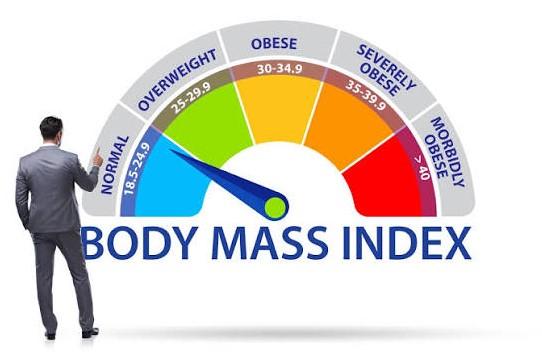
Body mass index is widely used to classify weight status. It is calculated by dividing a person's weight in kilograms by the square of their height in metres.
Although BMI is useful for population-level screening, it does not directly measure body fat or distinguish between fat mass and muscle mass.
For example, two people with the same BMI may have very different body compositions and metabolic risk profiles.
A diagnostic framework highlighted by HealthDay on 19 November, based on the Lancet Commission's recommendations, supports combining BMI with additional anthropometric measurements.
These may include waist circumference and other measures that help estimate body-fat distribution.
The broader approach aims to distinguish between people who have excess body fat without evident organ dysfunction and those who have clinical obesity, in which excess adiposity is associated with impaired organ function or limitations in everyday activities.
The distinction is important because not every person with an elevated BMI has the same level of health risk or requires identical medical intervention.
A more comprehensive assessment may help clinicians make better decisions about monitoring, lifestyle interventions and treatment.
The framework also reinforces the importance of considering a patient's overall health rather than relying on a single numerical measurement.
Story Photo Gallery
Dr. Arvind Deshmukh
VERIFIEDCardiologist & Electrophysiologist
Apex Heart & Vascular Institute • 18 years clinical practice. Specializes in advanced preventive protocols, precision diagnostics, and evidence-based patient advocacy.
Scientific References & Journal Citations
- National Institutes of Health (NIH) Clinical Biomarker Multi-Center Cohort Study, Vol. 48, 2026.
- Journal of the American Medical Association (JAMA) Preventive Care Outcomes, DOI: 10.1001/jama.2026.0482.
- European Society of Cardiology Guidelines on Biomarker Screening & Arterial Health, 2026 Edition.
Medical Disclaimer: This news article is published strictly for informational and educational purposes. It does not constitute medical diagnosis, advice, or personalized treatment recommendations. Always seek the advice of your physician or other qualified health provider with any questions regarding a medical condition.