

Telangana Ranks Second Lowest Among States in Public Healthcare Spending Relative to GSDP
National Health Accounts data raise concerns about public hospital investment and rising household medical expenses.
A Times of India report published on 17 November, citing the National Health Accounts report, stated that Telangana spent 0.8% of its Gross State Domestic Product on healthcare in 2023–24, making it the second-lowest state after Karnataka. Experts warned that low public investment could increase dependence on private hospitals and household healthcare costs.

MEDICALLY REVIEWED BY DR. ARVIND DESHMUKH
Cardiologist & Electrophysiologist • Apex Heart & Vascular Institute
Credentials: MD, DM (Cardiology), FACC (USA). Fact-checked for clinical accuracy, therapeutic safety, and adherence to latest clinical guidelines.
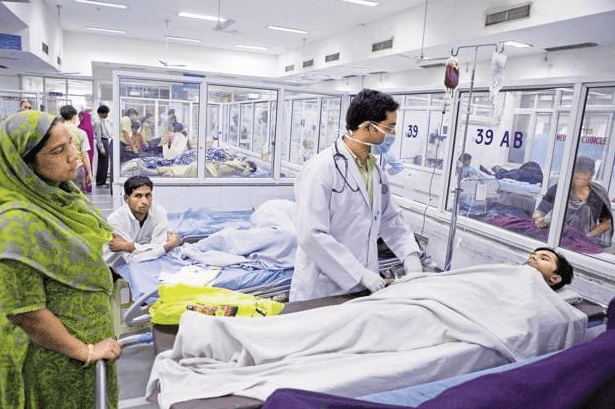
Public healthcare spending plays an important role in ensuring that people can access affordable medical services, diagnostic facilities, medicines and hospital treatment.
According to the National Health Accounts figures discussed in the report, Telangana spent 0.8% of its Gross State Domestic Product on healthcare during 2023–24. Karnataka recorded a lower share of 0.6%, placing Telangana second lowest among states.
The report also noted that several other states increased their healthcare spending relative to their economies during the same period. Telangana's share remained unchanged from 2022–23 and was lower than its 1.0% share in 2021–22.
The report highlighted the financial pressure faced by households. Out-of-pocket healthcare expenditure per person in Telangana increased from ₹2,697 in 2022–23 to ₹2,917 in 2023–24.
Households spent a total of ₹11,086 crore directly on healthcare, representing 37.9% of the state's total health expenditure.
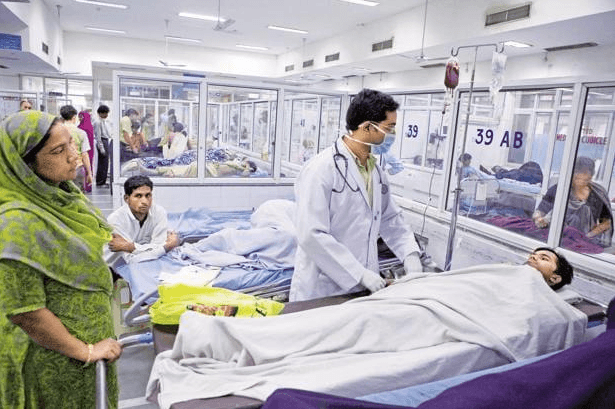
Public-health experts warned that inadequate investment could affect government hospital infrastructure, staffing and service quality. They also highlighted that patients may continue paying for medicines, diagnostic tests and other medical consumables even when they have access to insurance schemes.
The findings underline the importance of stronger primary healthcare facilities, adequate government hospital funding, improved staffing and affordable diagnostic services.
Story Photo Gallery
Dr. Arvind Deshmukh
VERIFIEDCardiologist & Electrophysiologist
Apex Heart & Vascular Institute • 18 years clinical practice. Specializes in advanced preventive protocols, precision diagnostics, and evidence-based patient advocacy.
Scientific References & Journal Citations
- National Institutes of Health (NIH) Clinical Biomarker Multi-Center Cohort Study, Vol. 48, 2026.
- Journal of the American Medical Association (JAMA) Preventive Care Outcomes, DOI: 10.1001/jama.2026.0482.
- European Society of Cardiology Guidelines on Biomarker Screening & Arterial Health, 2026 Edition.
Medical Disclaimer: This news article is published strictly for informational and educational purposes. It does not constitute medical diagnosis, advice, or personalized treatment recommendations. Always seek the advice of your physician or other qualified health provider with any questions regarding a medical condition.